Investment Handbook
Checking Whether Parking Is Included in a Property Purchase
Check what parking a Syrian property purchase includes: identify the claimed space, link supporting records and resolve allocation, access and proposal differences.
In this article
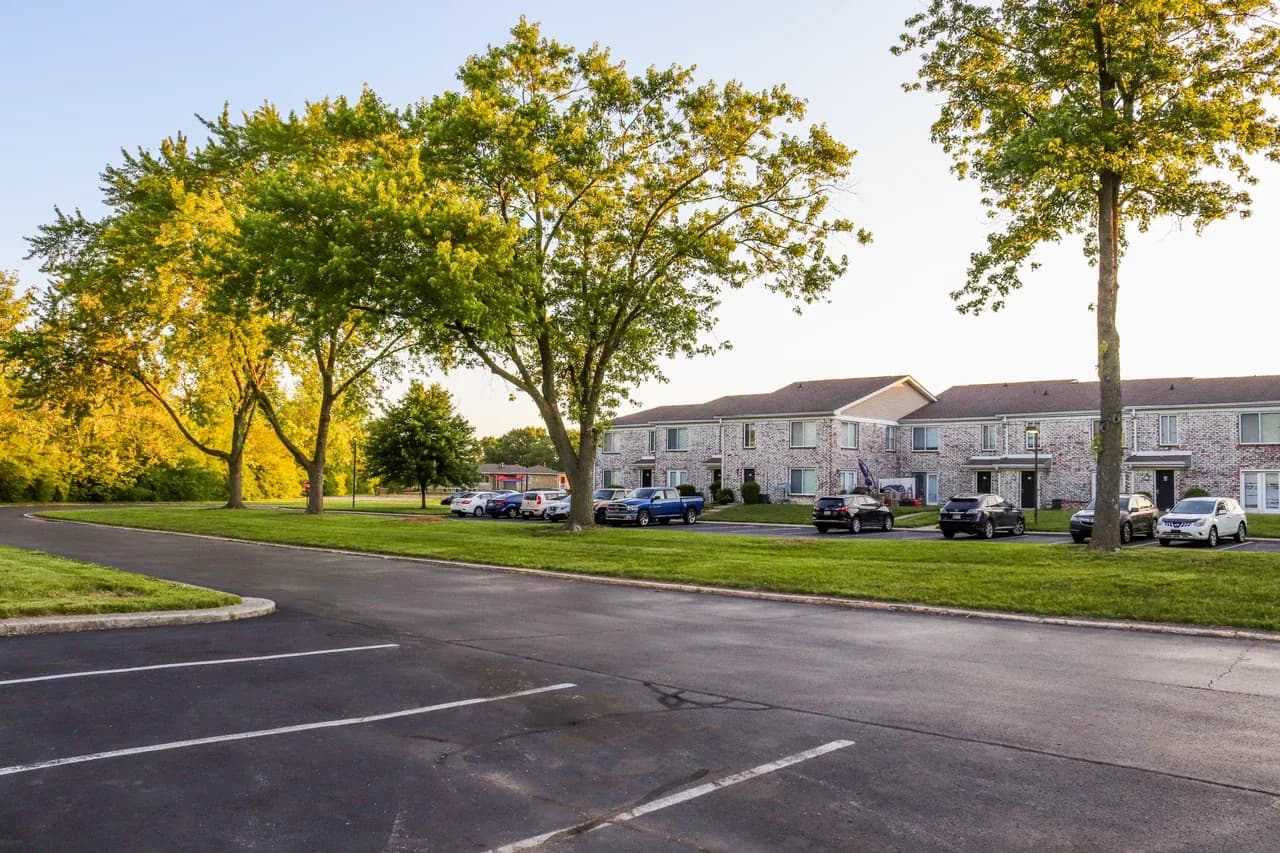

When a property advertisement includes parking, the buyer needs an answer that survives beyond the viewing: what exactly would be acquired or made available under the proposed transaction? A space beside a building, a numbered garage bay and a seller's regular parking place can look equally convenient while relying on different arrangements. For a Syrian purchase, turn the advertised benefit into a precise enquiry for your independent property lawyer before treating it as part of the asset or its price.
This enquiry concerns the connection between the home and the claimed parking provision. It does not determine ownership, certify an allocation or describe Syrian parking rights. The separate guide to parking and daily building access considers household use. Here, the aim is to establish which claim the seller is making, which evidence supports it and which questions remain unanswered in the current proposal.
Ask for the parking claim in a usable description
Request more than a yes or no answer to whether parking is included. Ask the seller to describe the offered provision: a particular enclosed garage, an identified bay, participation in a shared arrangement or another claimed entitlement. These are enquiry categories, not legal classifications. Have the lawyer explain the significance of the arrangement actually evidenced for the property.
For an identified space, ask where it is, how it is labelled and how that identification connects to the apartment or parcel offered. Preserve the original listing and any photograph supplied. A number painted on a floor may be useful for finding the place during an authorised visit, but it does not explain why that place accompanies this sale. If the seller describes a space by reference to a neighbouring unit, ask for an identification that will remain intelligible without that neighbour being present.
Record who supplied the answer and whether they are describing their own understanding or repeating someone else's account. A statement that the seller has parked there for years answers a use-history question. Ask separately what supports continuation for the buyer. If no precise space is promised, keep that distinction visible; do not rewrite access to a shared area as ownership of a reserved bay.
Connect each document to the exact claimed provision
Ask the lawyer which records and agreements are relevant to establishing the parking provision for this transaction. When material is supplied, note its issuer, date, reference, completeness and relationship to the home. Keep pages, legends and attachments together. An isolated rectangle from a drawing may omit the wording that explains its purpose.
Compare the identifiers across the listing, supplied plan, written description and proposed agreement. Do they refer to the same building, level and space? Ask the source of a drawing to explain unfamiliar labels. If the parking has a reference different from the apartment, preserve both rather than editing them into a single convenient name. Your lawyer needs to determine how the records connect; matching colours or similar numbers cannot settle that question.
HM Land Registry's public title-plan explanation illustrates why a plan must be interpreted alongside the associated written record in England and Wales. It is a bounded documentary example, not a Syrian registration procedure or a rule for reading local plan colours. Ask your adviser to interpret the actual Syrian evidence without borrowing foreign notation.
Where a seller refers to a later reallocation, request the material supporting that account and retain the earlier version. Find out whether a change concerns the physical layout, the labels, the claimed arrangement or several of these. A recent photograph cannot explain which documentary change, if any, occurred.
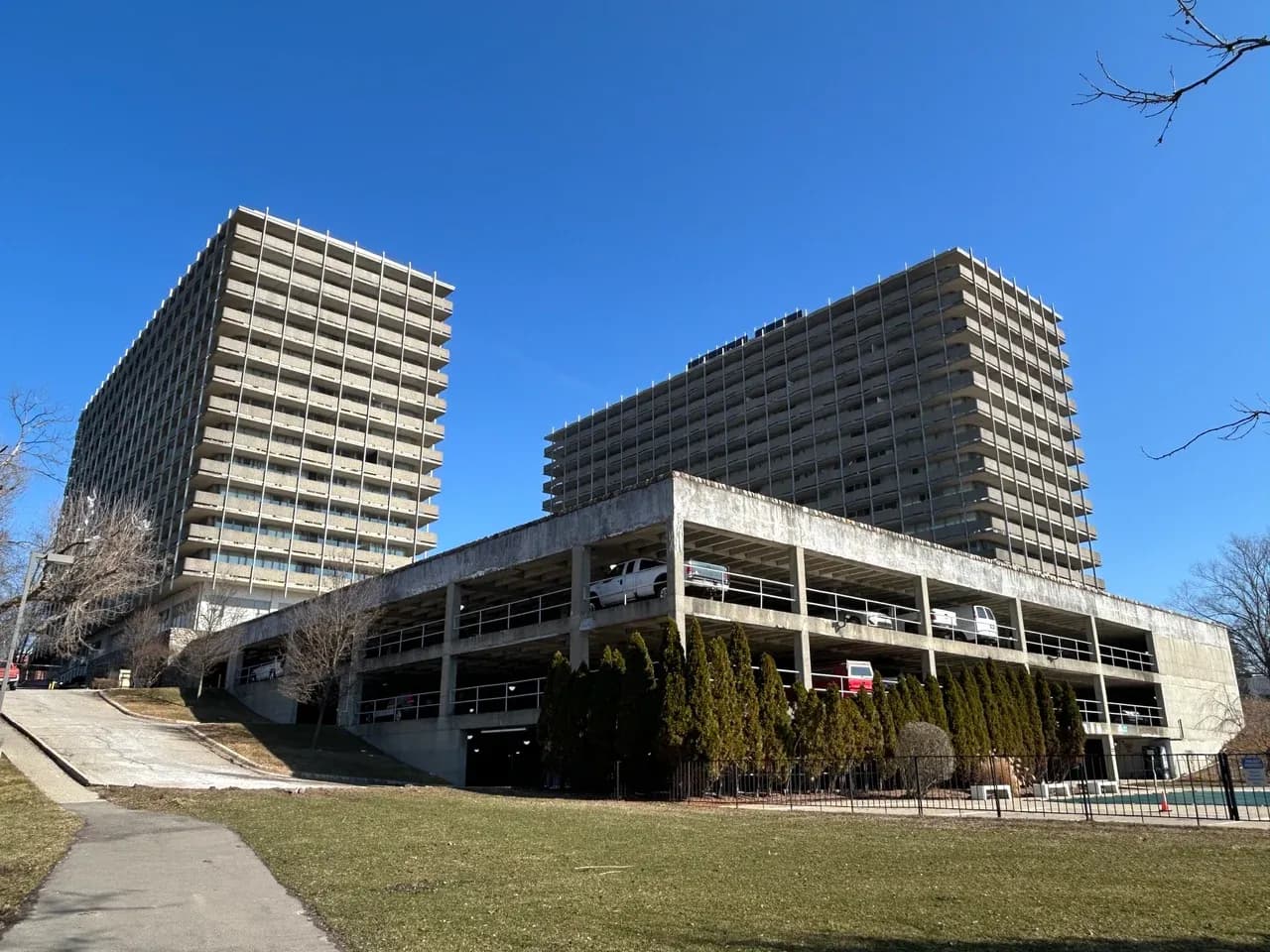

Separate the space from access and administration
Even a clearly identified bay leaves questions about how it can be reached and used. List the claimed route through any entrance, ramp, gate or shared area. Ask the lawyer what supports the relevant access and whether the proposed parking provision depends on another arrangement. The boundary and access review guide can help organise the wider property description without turning your observations into a rights determination.
Ask who currently allocates spaces, issues access devices and explains claimed restrictions. Request the source of any stated condition rather than treating an administrator's explanation as a complete legal answer. A remote control demonstrates possession of a device; it does not establish that the buyer can continue using the associated entrance. Keep replacement-device arrangements and any quoted charges separate from the evidence for inclusion in the purchase.
RICS's publicly accessible vendor questionnaire distinguishes several parking arrangements as questions for the seller. The page belongs to its pandemic-era UK inspection guidance. Only that limited distinction is relevant here; its inspection policies, health questions and foreign ownership terminology are not Syrian requirements.
If another household appears to use the claimed space, record the seller's explanation respectfully and refer the discrepancy to your lawyer. Do not confront an occupant or assume that a vehicle must be removed. Current use, claimed allocation and the proposed transaction each need their own explanation.
Resolve mismatches without inventing a substitute
Consider a fictional purchase discussion. The listing promises bay 12, the seller points to bay 14, and a supplied drawing identifies space P-2 without a cross-reference. Those invented labels are not evidence about a real property. The buyer cannot choose the most convenient bay and regard the difference as corrected. Ask for a dated explanation linking the three descriptions and supporting material that the lawyer can examine.
A response may reveal a numbering change, an incorrect advertisement or a different proposed arrangement. Preserve the response and revise your decision only after understanding it. If the seller offers nearby parking instead, treat that as a changed proposal: identify its nature, supporting evidence and any separate dependencies. Similar walking distance does not establish an equivalent asset or arrangement.
End with a short parking-enquiry note attached to the current offer file. State the exact provision claimed, the records supplied, the access and administration accounts, the discrepancies explained and the unanswered questions. Ask your lawyer what can be reflected in the proposed terms and what further verification matters before commitment. If parking is essential to your decision, an unresolved inclusion question should remain an explicit dependency rather than disappearing behind a photograph of an empty space.
Continue your research

Preparing a Property Document Translation Brief
Prepare a property document translation brief for Syria: identify the source version, intended use, names, numbers, unclear passages and delivery checks.
Read more
Questions About Earlier Property Alterations Before Buying
Review earlier property alterations before buying in Syria: compare dated accounts with the current layout and prepare questions for independent professional advice.
Read moreSources & review
Last reviewed:
PUT YOUR RESEARCH TO WORK
Start with a place.
Explore Syria’s cities and narrow your property search.