About Syria
Aleppo: Understanding the Historic City and Its Landmarks
Explore the context of historic Aleppo and its landmarks, with practical ways to distinguish heritage information from current property and location evidence.
In this article
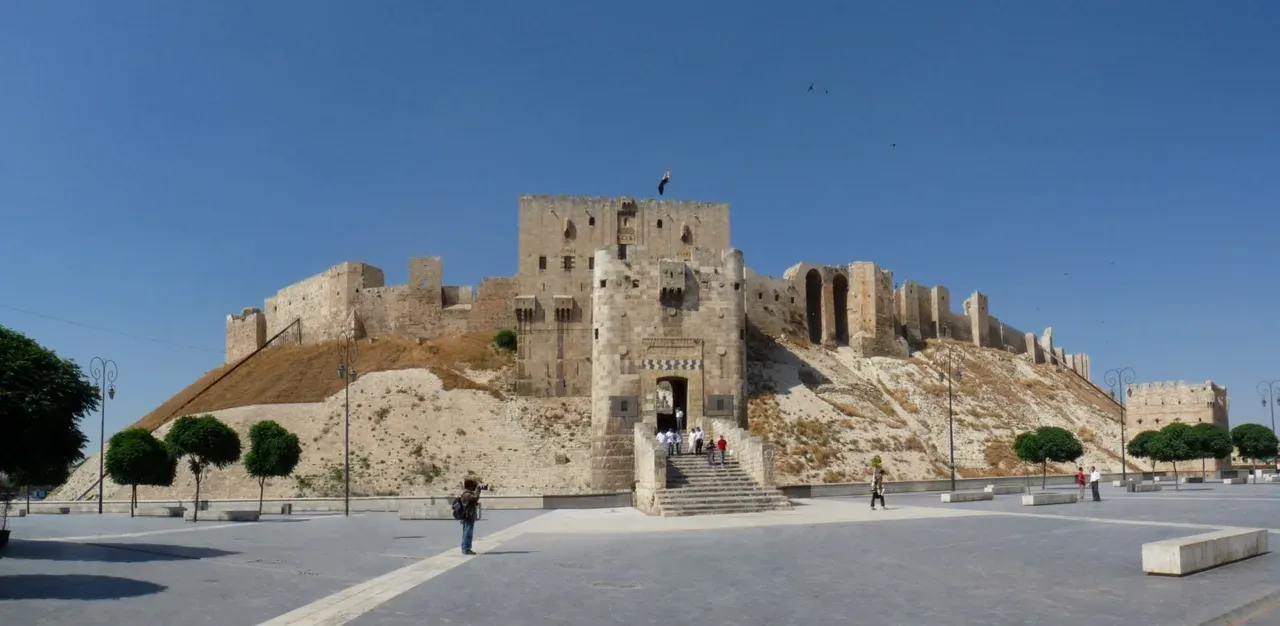

Aleppo is easier to understand when its landmarks are read as parts of a city rather than as isolated monuments. The citadel, streets, religious buildings and former trading spaces provide different kinds of context. Together they help explain why a location can have a strong identity that is not captured by a property photograph. For someone researching a home or premises in Aleppo, this historical context is a starting point for asking better questions about the precise area being considered.
This guide separates that long history from present-day property research. Heritage descriptions and archive photographs cannot confirm the current condition of a building, the operation of nearby services or the terms on which a property could be acquired. Keep those questions in a separate, dated investigation. The purpose here is to make the city more legible before narrowing the search to a particular address.
Begin with the historic city's wider pattern
UNESCO's Ancient City of Aleppo entry describes a city shaped by successive cultures and by its position on historic trading routes. It identifies the citadel, the Great Mosque, religious schools, residences, caravanserais and baths as parts of a connected urban fabric. The value of this description is that it directs attention beyond one famous building: streets and the relationships between buildings are also part of the story.
Read a map with that idea in mind. Identify a landmark, then examine the blocks and approaches around it. A photograph may show the destination clearly while concealing how a visitor or resident reaches it. For property research, the approach, entrance and immediate surroundings deserve their own record. A familiar landmark name should help orient the search, not stand in for an exact location.
Use the citadel as a reference point
The citadel is a prominent element in UNESCO's account of Aleppo. Its relationship with the surrounding historic city makes it useful when orienting a map or comparing photographs. That does not mean every listing described as “near the citadel” has equivalent surroundings, access or characteristics. Ask for the exact position and understand what the description is intended to convey.
If a property advertisement relies heavily on a landmark view, request photographs that show the view from the actual property and identify when they were taken. A general skyline image is location context. It is not proof that the advertised unit has that outlook. Keeping these image types separate makes the presentation more trustworthy and prevents an attractive city photograph from carrying a claim it cannot support.
Look at streets as well as buildings
For a household, a street is part of the property's everyday setting. Record the route from the building entrance to the points relevant to your routine, rather than relying only on a straight-line distance. The questions will vary with the intended use: moving belongings, receiving deliveries, reaching transport or accompanying a family member may each reveal a different priority.
When a local representative supplies observations, ask for a date and a clear description of the route observed. Avoid general statements such as “everything is close” without identifying what “everything” means for your household. This is a research method rather than a claim about present conditions on any particular Aleppo street. A precise question is more useful than a broad reassurance.
Distinguish heritage character from building condition
Historic character can be meaningful to a buyer without establishing that a building is suitable for occupation or adaptation. Stonework, a courtyard or an older facade may draw your attention, but the questions about structure, services, previous interventions and maintenance require appropriate assessment. Do not ask an archive photograph to answer them.
Keep a proposed use separate from the building's current use. If you are considering alterations, identify the questions that need technical and local regulatory review before treating those alterations as feasible. This applies particularly when the appeal of a property depends on a imagined future arrangement. A compelling design idea is still an idea until the relevant constraints are understood.
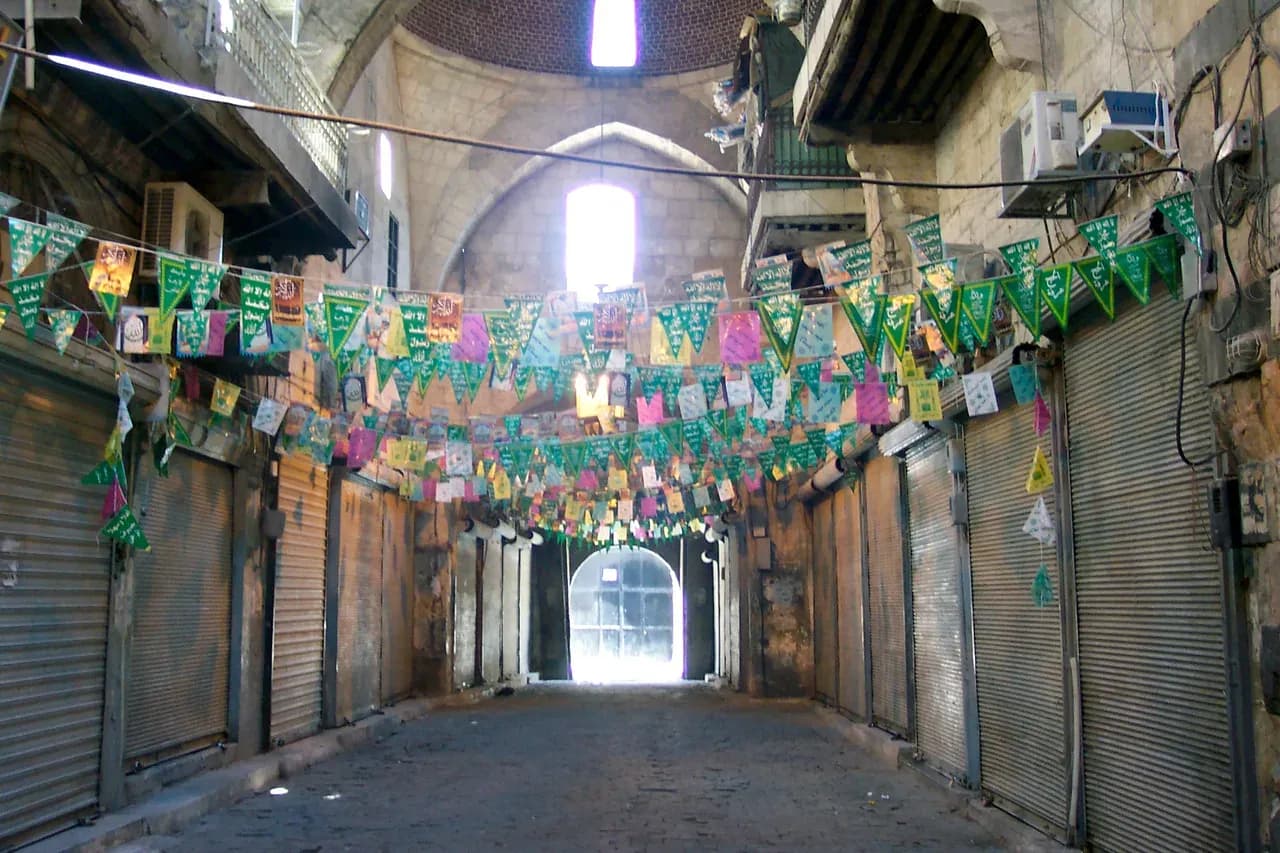

Read archive images with their dates attached
Photographs are valuable records when their subject, source and date are known. An older image can clarify the form of a building or its relationship with neighbouring streets at the time it was taken. It should be captioned as an archive image rather than presented as a current inspection of the area.
For a property shortlist, create separate folders for location reference images and property-specific evidence. The first helps you understand context; the second supports questions about an actual listing. Record the author and permission for images you intend to share publicly. Descriptive alt text should explain what is visible, while the caption provides the date and source. These roles complement each other.
Build a location note for each shortlisted address
Instead of writing a generic paragraph about Aleppo beside every property, prepare a short note for the exact address. Include the stated neighbourhood, a map reference, the source of the location information and the aspects of the setting that matter to the intended use. Leave uncertain details labelled as uncertain.
Add questions in a second section: what has not been seen, which route needs checking, which building detail needs professional review and which statement needs documentary support. This structure prevents cultural interest in the city from being confused with completion of property due diligence. It also gives a representative a useful assignment if they are gathering information on your behalf.
Connect the city guide with the property decision
Use About Syria to explore location context and the Investment Handbook to organise preparation, documents and viewing questions. When you move to properties in Aleppo, keep the exact location and the property's own evidence at the centre of the comparison. A city guide should help you interpret a listing, not imply that every listing in the city shares the same qualities.
For a focused enquiry, include the property reference and explain which part of the location you need clarified. Ask for the distinction between a city image, an area image and a photograph of the actual building to remain explicit. That simple discipline makes both the visual presentation and the eventual discussion more useful.
Source and editorial scope
The historical framing above uses UNESCO's Ancient City of Aleppo record. The remaining sections are original questions and methods for organising location research. This article does not certify current access, building condition, property availability, ownership eligibility or investment performance.
Continue your research
Researching Neighbourhoods in Aleppo Before Choosing a Home
Research Aleppo neighbourhoods from the exact address outward, using dated evidence and independent building checks instead of district reputations or archive images.
Read more
Northern Syria Ancient Villages: Understanding the UNESCO Site
Understand the eight-part UNESCO Ancient Villages site, conservation status and archive imagery while separating heritage context from a specific property decision.
Read moreSources & review
Last reviewed:
PUT YOUR RESEARCH TO WORK
Start with a place.
Explore Syria’s cities and narrow your property search.