About Syria
Aleppo and the North
Explore Aleppo through its historic city, recognisable landmarks and the smaller details that shape an understanding of place. This collection starts with an illustrated Aleppo guide and a practical approach to keeping historical context separate from the evidence needed for…
Read more
a present-day property enquiry.
Aleppo is often represented by a dramatic view of its citadel. That is an engaging introduction, but a city is also experienced through ordinary routes, building entrances, shared spaces and the relationship between one street and the next. A useful location guide should make room for both scales. Our first article moves between the landmark and the urban setting, helping you ask more precise questions when a property description uses a broad location name or relies mainly on an attractive view of its surroundings.
The Aleppo guide includes a citadel photograph from 2010 and a covered-market photograph from 2005. They are different subjects with identified creators and source records. The image introducing this collection is an archive view from the Jdeideh quarter, taken in 2009. Each image is presented as historical visual context, with its date visible. None should be read as a confirmation of current building condition, access, business activity or the availability of a property. When those matters affect a decision, seek recent information about the exact location involved.
Start with the distinction between heritage and property evidence. UNESCO's Ancient City of Aleppo record is a primary reference for the recognised historic city's significance. It is a useful place to orient your reading about its built fabric and landmarks. A proposed purchase, however, needs its own investigation. The identity of a particular unit, its current condition and the records affecting it cannot be established by the city's cultural importance. Use the heritage reference to understand context and keep the property file separate, with dated material that relates directly to the address.
The navigation label Aleppo and the North groups related reading. It does not define a legal or administrative boundary. A listing might name a city, a governorate, a neighbourhood or a wider area, and those terms should not be treated as interchangeable. Ask for the exact settlement and street, the local spelling and a location reference that can be checked. If different people use different English spellings, preserve the original names alongside your preferred version. Clear naming makes later conversations much easier to follow.
For a first location review, organise your notes around three scales: the wider area, the immediate street and the building. The wider area helps explain why you are considering a location. The street raises questions about approach, orientation and everyday routines. The building introduces its own entrance, shared areas and unit arrangement. Keeping these scales separate prevents a positive impression at one level from deciding the others. A location may be meaningful to your family while a particular building still fails an essential requirement in your brief.
Think about how you would use the property before comparing neighbourhood descriptions. A permanent home, an occasional base and a property intended for another use need different questions. List the journeys you expect to make, the people who need to use the home and the arrangements you would require while away. Treat travel times and service availability as matters for current verification rather than permanent facts inferred from a map. Record who supplied an answer, when they supplied it and whether they were describing this specific address or the area generally.
Archive images are particularly helpful when used to practise observation. Look at how a market passage is covered, how daylight enters or how an entrance relates to the street. Describe only what is visible in the image. Do not infer the size or condition of spaces beyond the frame. The same discipline improves your review of property photographs: a well-composed image can show one part of a room clearly while leaving another important feature unseen. Ask for additional views when the missing information affects your comparison.
If you are researching remotely, request an organised set of current photographs or a clearly identified viewing record. It should connect the outside of the building to the entrance, shared route and unit being discussed. Ask for explanations of any areas that were not accessible. Keep older photographs, illustrations and current evidence in separate folders so they cannot be confused later. A simple filename containing the property reference, room or feature and date is often more useful than a large collection of unnamed images forwarded through several conversations.
Historic architectural character can prompt questions about repair, alteration and responsibility. Do not assume that the appearance of a facade reveals the construction behind it, or that a proposed renovation is straightforward. Ask appropriately qualified local professionals to review the actual building and applicable records. A cultural guide cannot settle those questions. It can, however, help you notice the features worth asking about and prepare a clearer brief for the people carrying out the review. Keep their findings tied to the building rather than generalising across the whole city.
When you compare property options, use consistent measurements and dated evidence. Keep the original currency and advertised amount with each listing, and separate the asking price from any independently supported transaction information. Record whether an area figure refers to usable internal space or a different measurement. The Blog's market-research collection explains this record-keeping in more detail. The Investment Handbook offers a separate framework for defining a brief and organising viewings. This collection provides the location context that sits alongside those practical tools.
Finish by deciding what you need to learn next. You may need a more precise address, a clearer route description, an up-to-date image set or a professional assessment of a specific issue. Write those requests down instead of replacing missing information with a city-wide assumption. Open the Aleppo article below for its photographs and heritage reference, and use the category navigation to move back to Cities and Governorates. You can then compare another city using the same thoughtful approach while allowing each place to retain its own history and character.
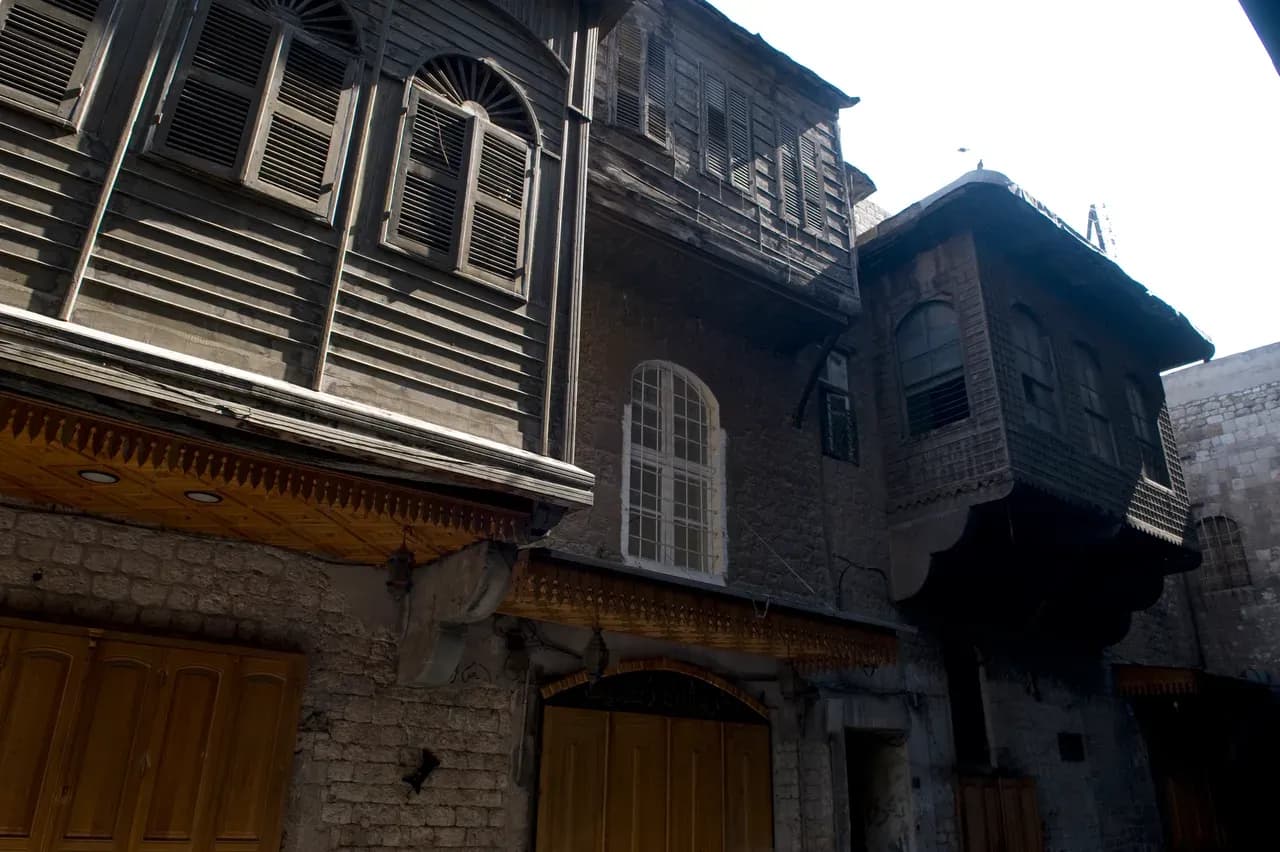

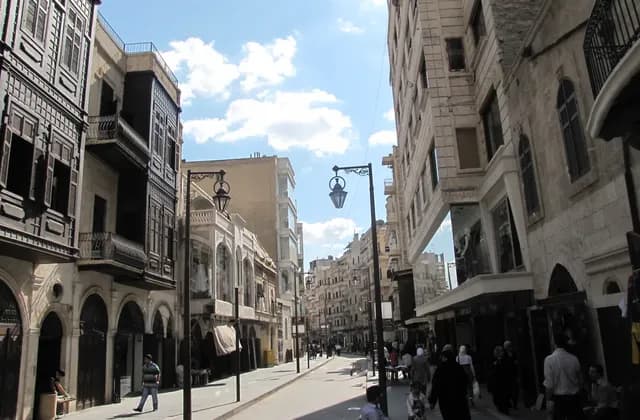
Researching Neighbourhoods in Aleppo Before Choosing a Home
Research Aleppo neighbourhoods from the exact address outward, using dated evidence and independent building checks instead of district reputations or archive images.
Read more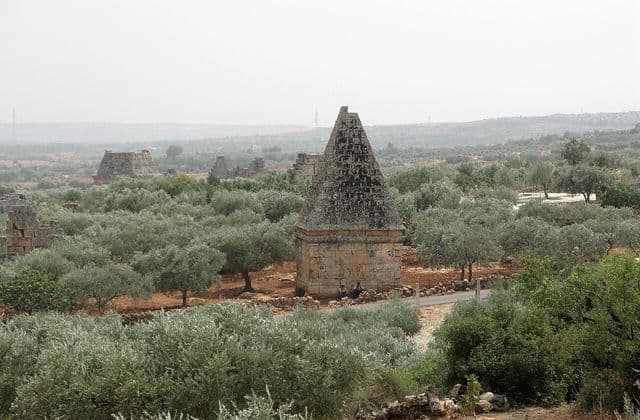
Northern Syria Ancient Villages: Understanding the UNESCO Site
Understand the eight-part UNESCO Ancient Villages site, conservation status and archive imagery while separating heritage context from a specific property decision.
Read more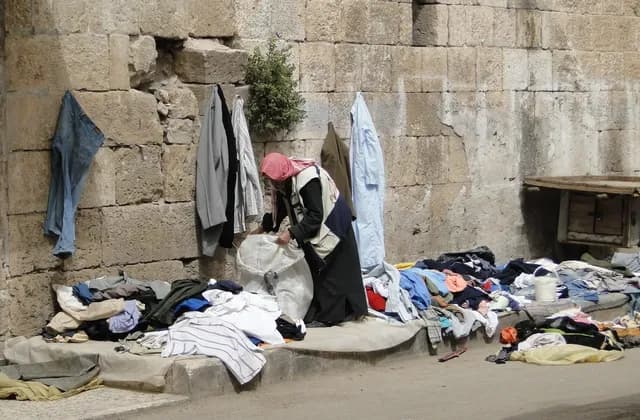
Idlib Governorate: Historic Places and Location Research
Research an Idlib Governorate address with accurate historic context, clearly dated archive photographs, and a separate record of current property evidence.
Read more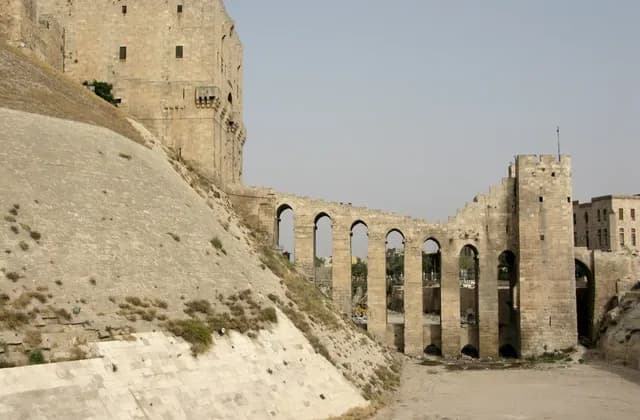
The Citadel of Aleppo: A Guide to Its Setting
Understand the Citadel of Aleppo in its historic urban setting, read dated views and UNESCO maps accurately, and separate landmark context from property evidence.
Read more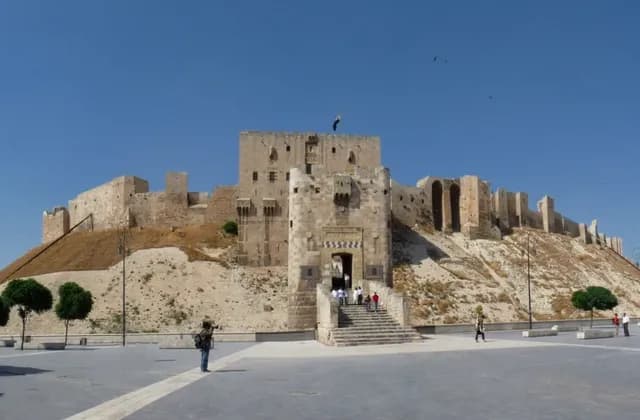
Aleppo: Understanding the Historic City and Its Landmarks
Explore the context of historic Aleppo and its landmarks, with practical ways to distinguish heritage information from current property and location evidence.
Read more