Blog
Keeping a Renovation Budget Under Review
Keep a renovation budget understandable as scope changes by separating quotes, committed costs, payments and unpriced condition questions.
In this article
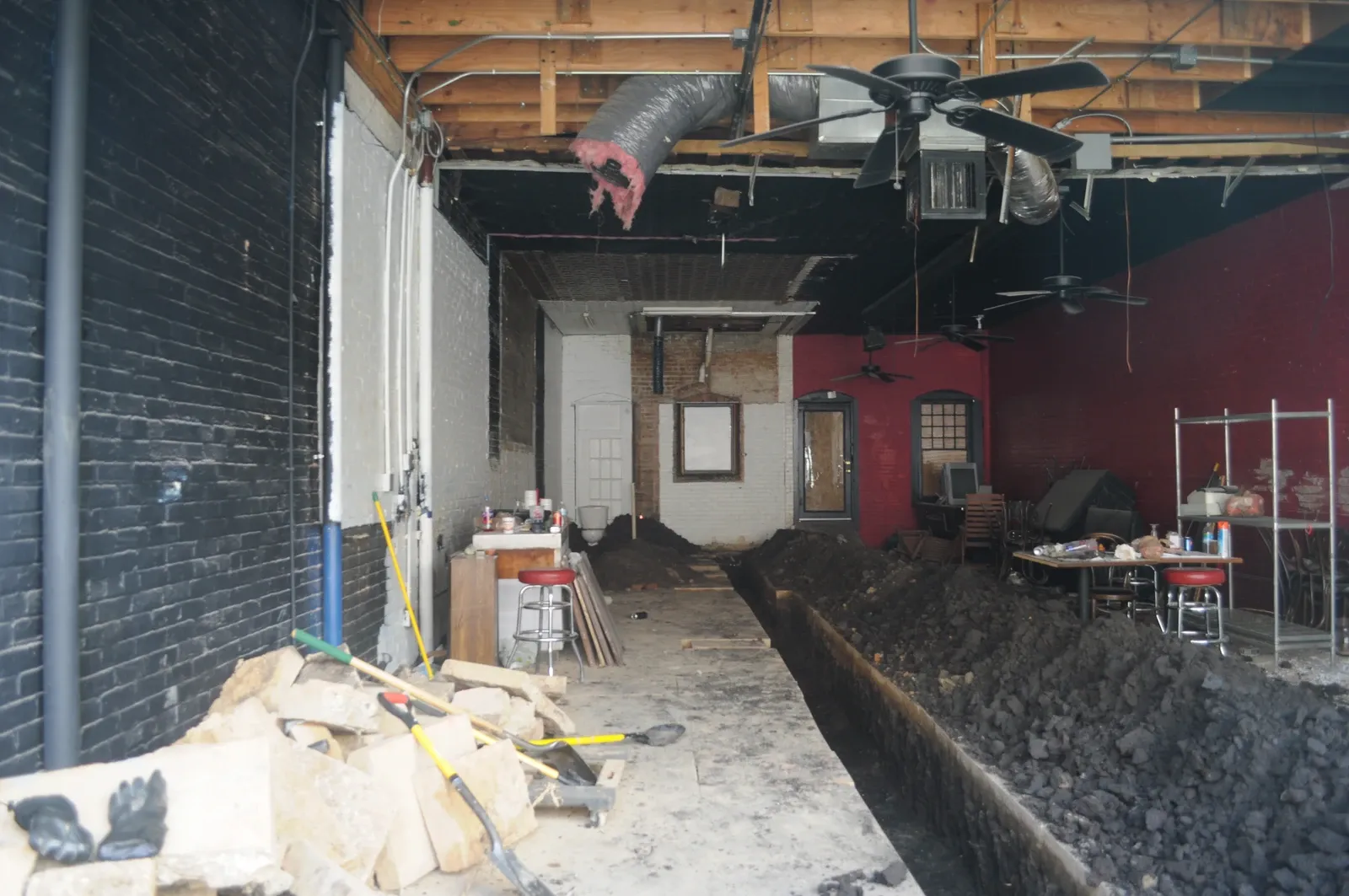

A renovation budget is a record of decisions, not a number written once and left at the top of a spreadsheet. The scope may change when a room is measured, a surface is opened or a material choice becomes specific. For a home in Syria, where a buyer may be comparing incomplete property information with early contractor proposals, the safest habit is to keep the original assumptions visible and date every revision. This guide explains how to do that without inventing a local price guide or treating an unconfirmed repair as a fixed cost.
Begin by writing down the outcome you want. “Refresh the kitchen” is too broad for a useful budget. Identify the surfaces, fittings and work you intend to change, and make a separate list of condition questions that need inspection. A budget for preferred finishes is not a substitute for assessing a possible leak or damaged service. If the cause is unknown, mark the work and cost as unresolved.
Build a baseline you can still recognise later
Save the first version with a date, a short scope and the quotations or assumptions behind each line. Keep labour, materials, professional assessment, access arrangements and any removal or disposal separate where you have information. Do not turn an absent figure into zero. Use an “unpriced” label and name the action that could produce a reliable estimate.
The baseline helps you explain change. If the total rises, you should be able to see whether the cause was a new requirement, a corrected measurement, a different material or a newly discovered condition. Without that history, later numbers can look arbitrary and disagreements become harder to resolve. A simple folder with dated quotes and a plain spreadsheet is often more useful than a complicated model nobody updates.
Compare quotes against one scope
Put each contractor proposal next to the same written description of work. Record what is included, excluded or unclear. Two contractors may offer different materials or inspection assumptions, so their totals may not be comparable without clarification. How to Compare Two Contractor Quotes sets out the comparison questions in detail.
Ask for a revised written quote when an important assumption changes. Preserve the original rather than overwriting it. The City of Doncaster Council's home-improvement advice recommends written, broken-down quotations in its UK setting. The communication principle is useful here; its local rules and prices do not apply to a Syrian property.
Keep committed costs apart from ideas
A design idea, a contractor's proposal, an agreed job and a completed payment are different stages. Give them different status labels. Otherwise the budget can appear to contain money already committed when it is only an option, or appear to have headroom because a signed change has not yet been entered. A useful row includes the item, status, original currency, quoted amount, source, date, person responsible and next decision.
Keep the original currency with each figure. If you use a conversion for comparison, record the rate, source and date separately; do not replace the quoted figure. A conversion is a working view, not an agreement about how someone will be paid. Payment terms, applicable requirements and documentation should be reviewed for the specific arrangement by an appropriate local professional before commitment.
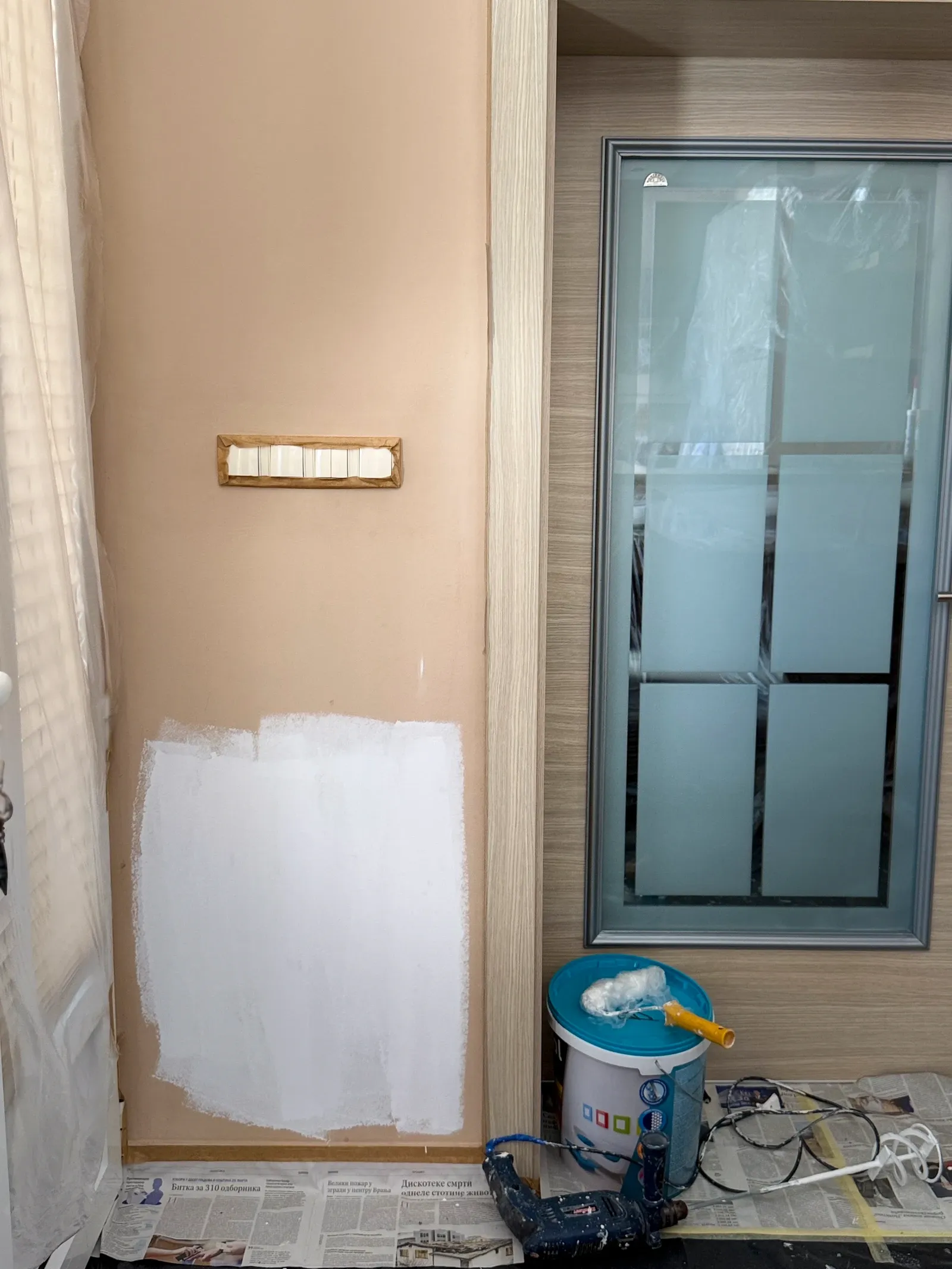

Record changes before they become invisible
When new work is proposed, create a change entry: what prompted it, what will be added or removed, the revised amount and any effect on timing. Keep photographs or an assessment with the entry when they explain the change. Ask who approves it and how approval will be documented. A conversation about a possibility is not the same as an instruction to carry it out.
A change can affect more than one line. Replacing a surface may require additional preparation; moving a fitting may alter both materials and labour. Ask the people doing the work to explain those dependencies. The aim is not to predict every discovery in advance, but to prevent a series of small decisions from changing the project without a clear record.
Treat uncertainty honestly
A contingency can be useful, but one invented percentage cannot establish the cost of a hidden defect. List the material unknowns and the evidence that would narrow each one. Some can be resolved with measurements or a detailed quote. Others need a condition assessment before the scope itself is known. Keep both the current working total and the unpriced exposure visible.
The RICS guide to home surveys explains, in its UK context, how a professional condition report can inform repair and maintenance planning. It does not provide Syrian renovation prices or a rule about which survey to commission here. Use the principle of investigating defects before relying on a repair allowance.
Review timing along with money
A delayed job can affect where the household lives, how materials are stored and when another trade can start. Note the expected start and finish dates, access assumptions and decisions that must happen before work begins. When a date changes, update the budget record if it creates a cost or changes what has been agreed. Do not treat a contractor's provisional timetable as a guaranteed completion date.
At each review, ask three questions: what has been agreed, what has been paid and what remains uncertain? Reconcile receipts and invoices against the agreed scope. Keep a separate list of decisions still open so the budget does not appear complete merely because every known invoice has been entered.
Make the next decision visible
A useful budget review ends with a short action list. Perhaps a measurement is needed, a revised quote must be requested or a professional must assess a stain before finishing work can be priced. Give each action an owner and a date to revisit it. If the likely scale of work changes the purchase decision, return to Cosmetic Renovation or Major Repair and the Investment Handbook before treating the property as an affordable project.
The best budget is not necessarily the one with the smallest total. It is the one that makes scope, evidence, commitments and unknowns understandable to the people making the decision. That clarity allows a household to pause, change direction or proceed for reasons it can explain later.
Continue your research

Checking Garden Watering Arrangements Before Buying a Home
Check garden watering before buying a home: identify water points, system coverage, controls, manual tasks, absence arrangements and equipment included.
Read more
A Seasonal Home Maintenance Checklist
Build a property-specific seasonal home maintenance checklist for Syria with safe observations, dated records, assigned actions and professional follow-up.
Read moreSources & review
Last reviewed:
PUT YOUR RESEARCH TO WORK
Start with a place.
Explore Syria’s cities and narrow your property search.