About Syria
Damascus Governorate and Rural Damascus: Understanding the Difference
Distinguish Damascus Governorate from Rural Damascus when researching a property: verify its address, route, records and building-specific services.
In this article

A listing described as “Damascus” may refer to the capital city, its governorate, or a place in the separate Rural Damascus governorate. Those labels cannot answer a buyer's practical question about an exact home. Begin with the property's full address and administrative location, then verify its route, surroundings and records. This guide explains the distinction and a way to research it without treating a regional name as evidence of services, prices, safety or ownership rights.
Two governorate names, one connected urban area
Damascus is both the name of the capital and an administrative governorate. Rural Damascus, also called Rif Dimashq in transliteration, is a different governorate that surrounds much of the capital and includes a range of towns and districts. “Rural” in the English name does not mean that every neighbourhood is agricultural or far from dense development. A place may be close to the centre in travel terms while appearing under a different governorate in an official dataset. Conversely, two addresses in the same governorate can have very different journeys and building contexts.
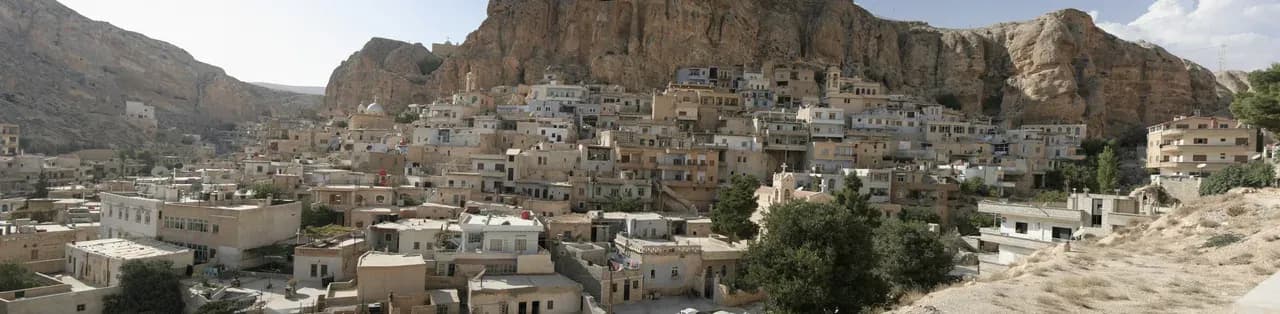
The UN's 2021 Syria Humanitarian Needs Overview map labels Damascus and Rural Damascus separately. Its 2019 sub-district list places Ma'loula under Rural Damascus. These are humanitarian administrative references, not a property registry or a current travel guide. Use them to understand the labels, then ask a local professional to check the address and official property description that apply to a specific unit. Spelling may vary between Arabic and English sources; retain the Arabic name and any official identifier in your notes.
Ask for a precise address before comparing homes
Request the governorate, district or sub-district where available, town, neighbourhood, street, building and unit. Ask for a map pin and a written address, then compare them rather than assuming one validates the other. A pin may mark a meeting point or building entrance rather than the exact unit. A sales phrase such as “near Damascus” can describe a route or a marketing association; it is not a legal boundary. If the documents use an older or alternative place name, put both versions into a question for the lawyer.
The property comparison sheet helps keep each source, date and unknown in one row. Make administrative label one field, not the whole comparison. Another field should record how the property is reached in the circumstances relevant to the household. Verify the route at the time and by the method actually intended, with current local advice. Do not convert a short straight-line distance into a commute promise.

Treat a photograph as a place and time, not a current report
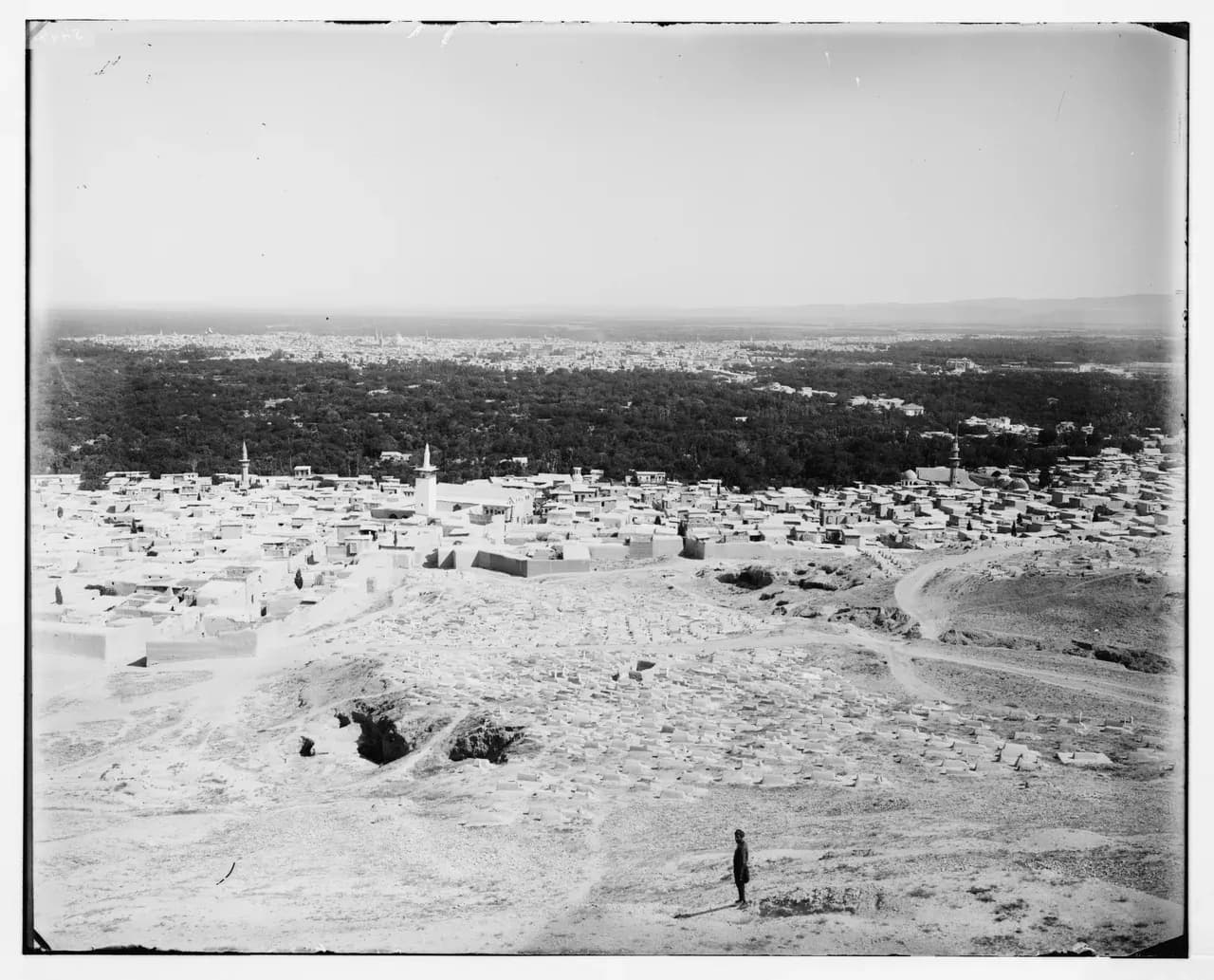
The archive images on this page show a historic view of Damascus from Es-Salahiyeh and a 2010 panorama of Maaloula, a town in Rural Damascus. They illustrate how one governorate name can cover the capital's urban fabric while another encompasses distinct settlements. They do not show a property for sale, a current street condition or the status of either place today. The Matson Collection image is dated only to a range between 1898 and 1914; the Maaloula image has a documented 2010 date. Neither should be used as evidence of today's infrastructure or access.
For the capital's historic setting, the Damascus historic-centre guide explains how to read heritage information without mistaking it for a contemporary condition survey. A heritage monument, market or older streetscape may be useful cultural context, but it cannot tell you whether a particular apartment has a working supply, documented rights or an accessible entrance. A location page should make that separation clear.
Research daily use at the actual building
Build a short question list around the intended use of the home. Where is the entrance? Are stairs or a lift involved? What routes will occupants use for work, school, care or family visits? Which services are physically connected to the unit, and what evidence exists about their current operation? If someone describes a shared tank, generator, roof or parking area, ask who owns or manages it and whether the offered rights are documented. Avoid turning a nearby facility on a map into an assurance that it is available or suitable.
UNICEF's 2026 account of Damascus water supply discusses pressure on the capital's system and surrounding areas. It is a sector report, not a prediction for an address. For a property decision, the water and electricity questions focus on observed equipment, records and qualified checks at the home itself. Ask what was seen, on what date, by whom, and what remains untested. A general claim that one governorate has “better services” is too broad to rely on.
Keep administrative and legal checks separate
The governorate label may help the owner identify which local office or adviser to contact, but it does not establish title, permitted use or the correct sale procedure. Ask an independent Syrian property lawyer to compare the exact property description with current official records and explain the checks required for that address. Do not infer eligibility or rights from a listing category, a map pin or a neighbour's example. Where documents and everyday names differ, preserve both and ask for an explanation supported by the relevant record.
If an in-person visit is being considered, review current official travel advice and the practical conditions through appropriate sources before planning it. The viewing-trip guide starts with that safety decision and offers ways to do useful remote research. A precise location brief can be prepared without promising that a journey is safe or possible.
The useful conclusion is simple: “Damascus” and “Rural Damascus” are distinct administrative labels, while the buyer's decision concerns one verifiable address. Write down the label, pin, documents and route separately. If any of them conflict, pause the comparison until a reliable local source or professional resolves the difference.
Continue your research
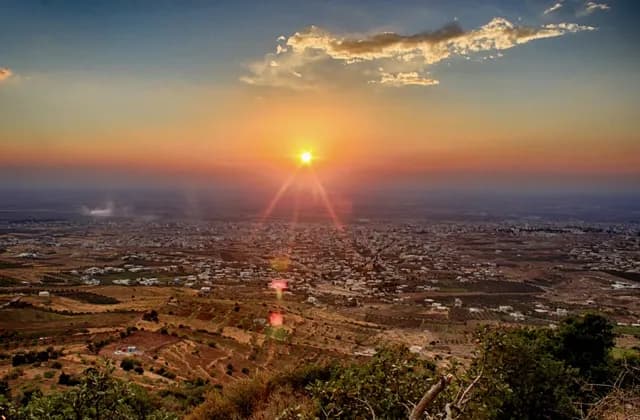
As-Suwayda Governorate: Towns, Landscapes and Local Research
Explore As-Suwayda Governorate by verifying the exact town and address, comparing dated images with present conditions, and checking each building and its records.
Read more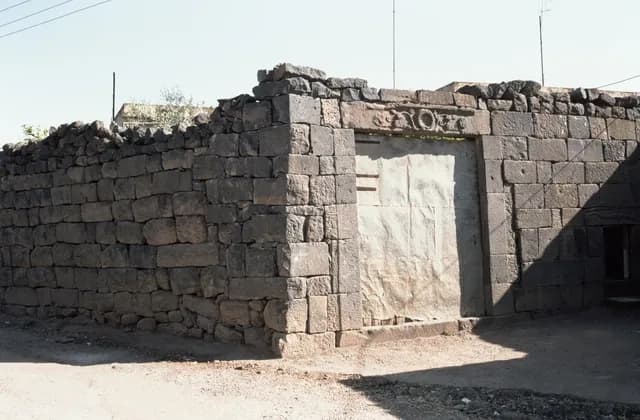
Daraa Governorate: Planning Your Location Research
Research a Daraa Governorate property by moving from regional labels to a verified address, dated local evidence and independent building and document checks.
Read moreSources & review
Last reviewed:
PUT YOUR RESEARCH TO WORK
Start with a place.
Explore Syria’s cities and narrow your property search.