Investment Handbook
Checking Household Waste Arrangements Before Buying an Apartment
Check an apartment’s household waste route, storage, collection point and stated responsibilities before buying, with clear questions for missing arrangements.
In this article
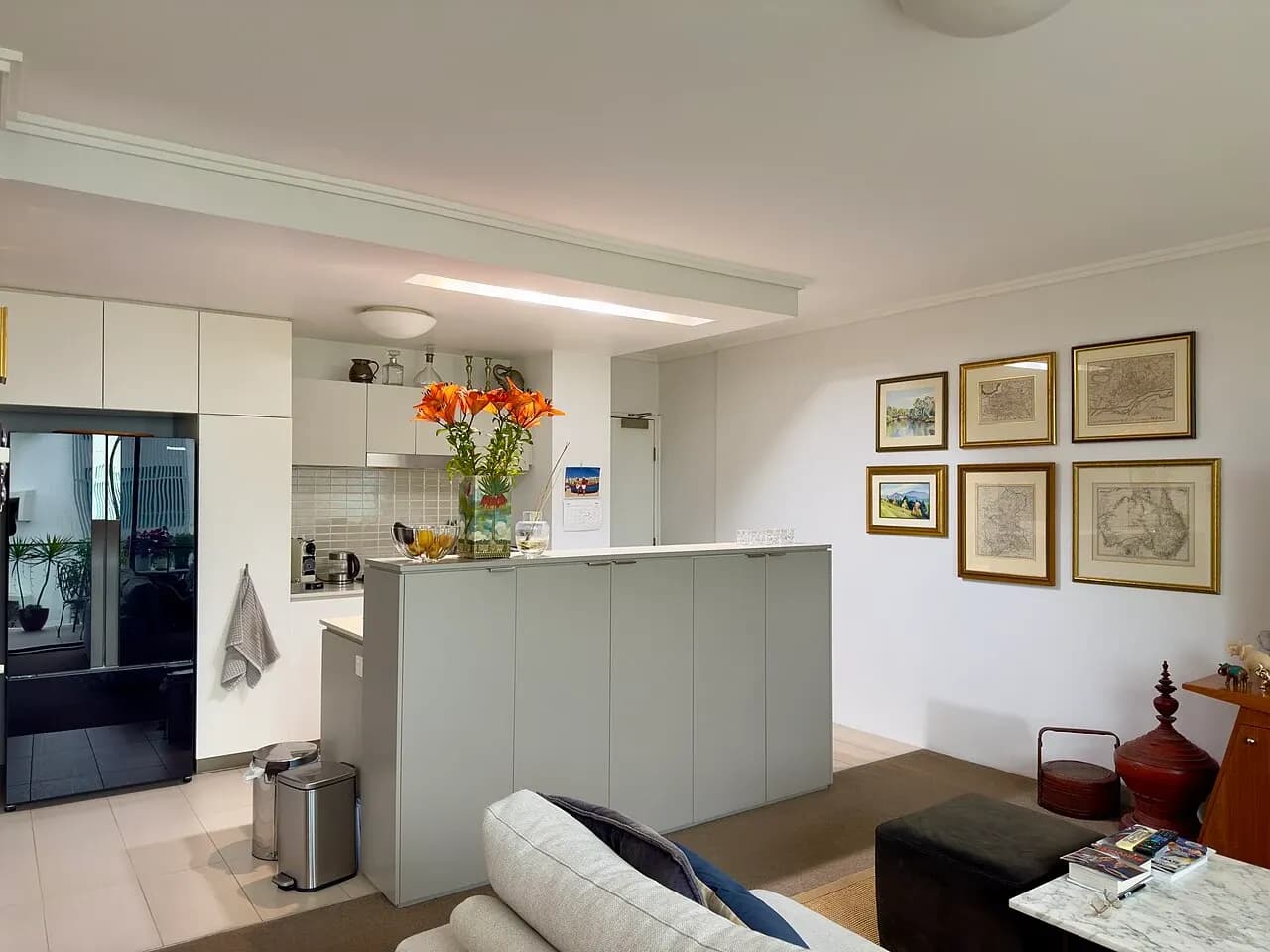

Begin with the household routine
An apartment viewing can show an attractive kitchen while leaving an everyday question unanswered: where does household waste go after someone takes it out of the room? Before buying an apartment in Syria, trace that journey through the actual building. You need an account of temporary storage, the route residents use, the containers serving the property and the arrangements for removal. A nearby bin or a tidy entrance does not establish all of those connections.
Start with the kinds of ordinary material your household expects to handle, such as food packaging, bottles and daily refuse. Ask which materials are accepted through each arrangement described for this building. Do not assume that a container colour or a recycling symbol means the same thing everywhere. Recycle Now's household guidance provides a useful general prompt to confirm accepted materials before organising storage; its UK collection systems and online locator do not establish what is available at a Syrian address.
Consider where the household would keep material before taking it outside. Identify a possible position, then check that it remains usable when cabinet doors open and the kitchen is occupied. The question is whether your proposed routine fits the apartment, rather than whether the seller's small container looks discreet. Keep any uncertainty about separation requirements or removal frequency visible, because those answers can change the amount and type of storage you need.
Connect the apartment to the correct collection point
Ask the seller or building contact to identify the point used by this particular apartment and explain the route to it. Establish whether the point serves one building, several entrances or a wider area. Record who supplied that explanation and when. A photograph of containers alone cannot connect them to the unit you are considering, and a neighbour's account may need confirmation by whoever manages the arrangement.
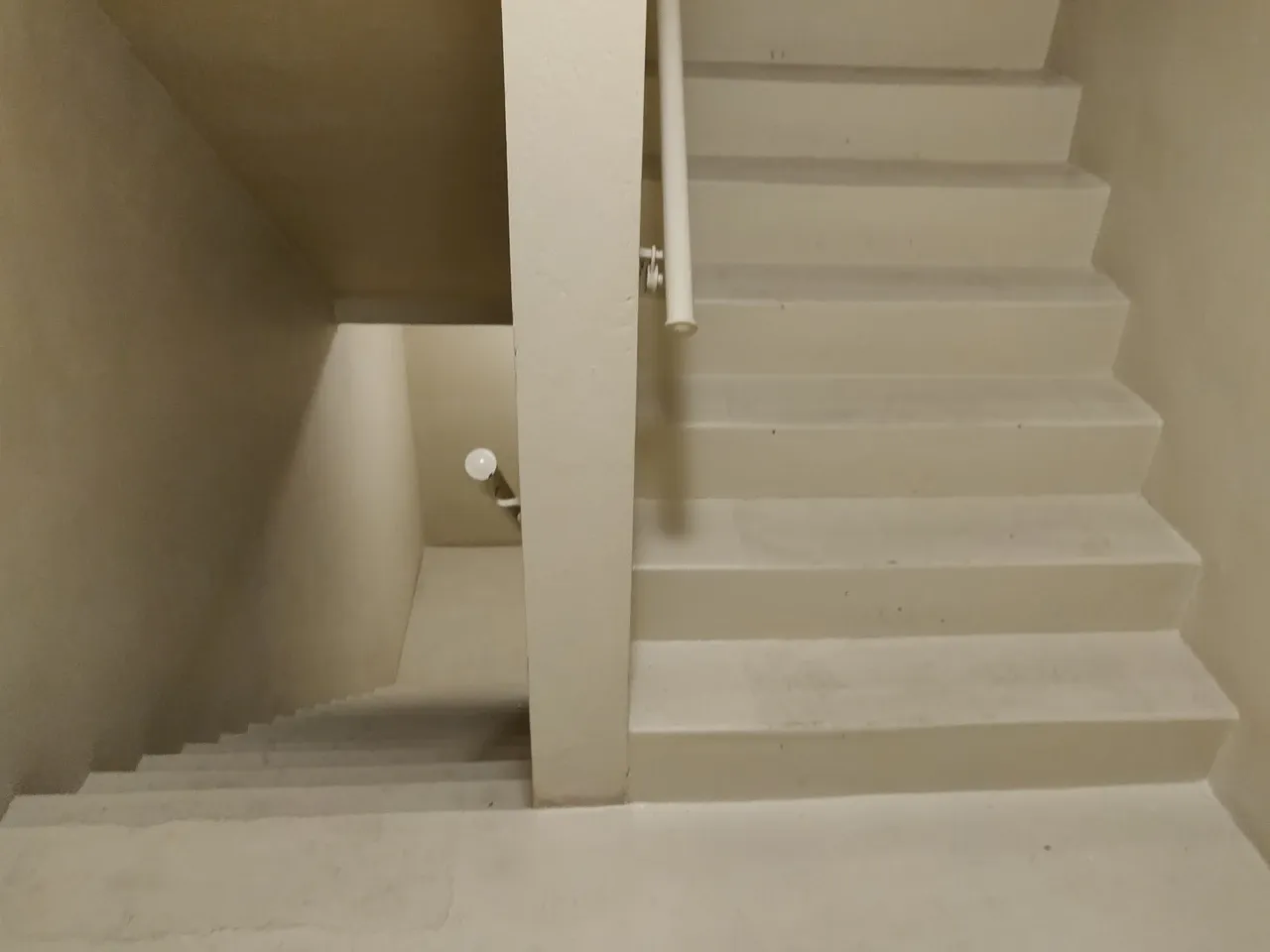
Walk the permitted route during the viewing if access is available. Note doors, stairs, changes of level and any part of the journey that could not be seen. Think through an ordinary trip with a closed household bag while keeping your hands available for doors and rails. Do not carry out a loaded trial or interfere with equipment to demonstrate feasibility. Where a lift is involved, ask what residents are expected to do when it is unavailable instead of assuming an alternative route is authorised or practical.
The wider questions in inspecting shared areas in an apartment building help put this route in context. For this task, add the specific destination and any access restrictions. If a locked door or an unseen passage interrupts the explanation, leave the route marked as incomplete. A promise to show it later is a follow-up item, not a completed viewing observation.

Ask how removal and upkeep are organised
Separate the resident's action from the work needed after material reaches the shared point. Ask who places containers for collection, returns them if necessary, keeps the area in order and receives reports of missed removal or damaged containers. Some answers may describe a person, others an organisation or a shared resident arrangement. Attribute each answer rather than assigning responsibility yourself. Ask how a new occupant would obtain the current instructions and whom they could contact to clarify a change.
The City of Sydney's apartment waste guide treats bin-room setup, signs and collection arrangements as connected subjects. That is useful context for asking about the whole process, without adopting Sydney's services, container colours or costs. At the property, distinguish what you observe from what you are told. An empty container during one visit says little about conditions immediately before collection. Likewise, a full container does not, by itself, explain whether collection was missed, use was unusually high or the arrangement has changed.
Ask whether any payment is described as part of the building's recurring charge or as a separate contribution. Request the basis and period of the stated amount, without treating a verbal figure as a confirmed obligation. The article on an apartment building's recurring costs explains how to distinguish an allocation from an actual payment record. Here, the additional question is exactly which removal or upkeep task the figure is supposed to cover.
Test the explanation with ordinary exceptions
A useful explanation should cover more than a normal collection day. Ask what residents are told to do if the usual point is unavailable, the container is already full or a scheduled removal does not happen. Seek the reporting contact and the currently stated alternative, then identify any part still awaiting confirmation. Do not invent a fallback such as leaving material in a corridor or using another building's containers. An apparent spare space is not evidence that it can be used for storage.
Keep move-in packaging, unwanted furniture and renovation debris separate from the everyday household question. A route suitable for a small bag does not establish a means of removing a mattress or leftover building materials. Ask which of those items are covered, which require separate arrangements and who can provide a current answer. Leave batteries, chemicals or other potentially hazardous items to item-specific instructions from an appropriate source; an apartment viewing should not become an improvised disposal procedure.
Consider this hypothetical comparison. Apartment A has convenient space for a kitchen container, but the only identified shared point lies beyond a door whose resident access has not been confirmed. Apartment B has less convenient kitchen storage, while its usual destination and contact are clearly explained. The comparison is not a recommendation for either home. It shows two different unresolved tasks: confirming access for A and checking whether the household can organise usable temporary storage in B.
Record a complete journey, with the gaps visible
Finish with a short account that another household member could follow: the proposed indoor position, the ordinary route, the identified destination, the stated removal arrangement and the contact for an interruption. Beside each part, write whether it was seen, explained by a named role or still unconfirmed. Include the date and retain any supplied instructions as the version received. If a later answer changes the destination or access route, update the whole journey rather than adding a disconnected note.
Use follow-up questions that can produce a specific answer. For example, ask whether occupants of the particular entrance use the identified container area and how they receive access instructions. This is more useful than asking whether rubbish collection is good. Describe an observed obstruction or odour as a dated observation without diagnosing its cause, predicting health effects or deciding who is legally responsible. A technical, contractual or local-service question may require a different person from the seller to answer it.
The buying decision should reflect the routine you have actually established and the uncertainties that matter to your household. If an essential stage remains unexplained, keep it among the open purchase questions. Attractive rooms and an orderly viewing are valuable impressions, but they cannot supply missing collection arrangements. The practical result of this check is a traceable everyday plan, with clear questions wherever the evidence stops.
Continue your research

Reading Building Meeting Minutes Before Buying an Apartment
Read building meeting minutes before buying an apartment in Syria, tracing proposals, recorded decisions, missing attachments and unanswered purchase questions.
Read more
Checking a Building Lift’s Records Before Buying an Apartment
Review the records for a building lift before buying an apartment in Syria, separating equipment identity, outstanding actions, responsibilities and access needs.
Read moreSources & review
Last reviewed:
PUT YOUR RESEARCH TO WORK
Start with a place.
Explore Syria’s cities and narrow your property search.