About Syria
Life and Culture in Syria
Life and Culture in Syria brings together two ways of getting to know a place: looking closely at its built heritage and asking how an ordinary day would work around a particular address. A historic courtyard, a market street or…
Read more
a familiar neighbourhood name may be the reason you begin exploring. This category helps you turn that interest into informed reading and useful questions. It does not present one account of Syrian identity, a uniform way of living or a current travel itinerary. Different sources describe different places, people and periods, and those distinctions belong in the research.
Begin with your reason for opening the page. Someone interested in architecture may want to recognise the relationship between a courtyard and its rooms. Someone researching a possible move may need to understand the setting around an entrance. A person following a family connection may first need to resolve a place name in a document. These enquiries can meet, but they have different starting points. Write down the question in your own words before saving a collection of attractive photographs. It will help you choose the sources that actually move the enquiry forward.
Heritage and Architecture offers an introduction to buildings and urban spaces as things you can learn to read. Look at the sequence of entrances, the edges of an open space and the relationship between a detail and the wider building. A recognisable pattern can be interesting without defining every house in a city. The Traditional Courtyard Houses article, for example, uses named archive views to discuss how spaces connect. It does not convert a palace into a standard for ordinary housing or imply that the illustrated building is offered for sale. The scale of the example remains part of its meaning.
Everyday Location Research takes the enquiry closer to the household. Before considering a place convenient, name the destinations and routines that make convenience important to you. A journey to a relative, an entrance used with shopping or the need for a quiet working space can each lead to a different question. Describe what you need to find out about the proposed location, and decide which observation or enquiry could answer it. Do not borrow a general claim about an entire city when the question concerns one route, one doorway or one part of the day.
A source about culture requires care with whose experience it describes. A museum record might discuss the reception room of an affluent historic household; an archive photograph might show a particular public space on a particular day. Neither establishes how all residents live. Keep the named setting and time beside the account. When a detail is important, follow the reference rather than replacing it with a broad statement about hospitality, family life or taste. The reader should be able to distinguish the source's example from a generalisation the source never made.
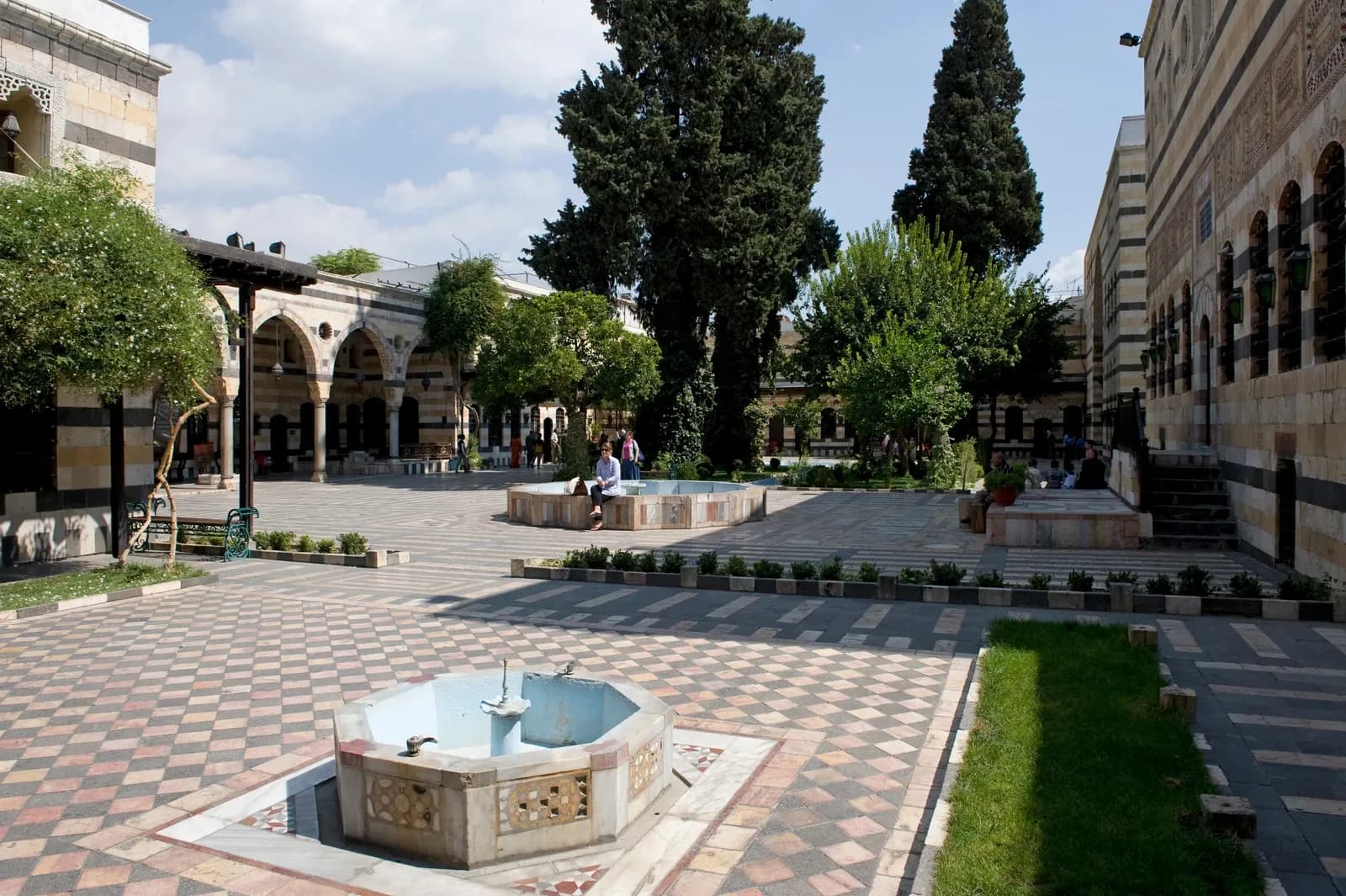
The photograph introducing this category is an archive view of the large courtyard at Azem Palace in Damascus, taken in September 2008 by Dick Osseman. It offers a recognisable architectural setting within the category, rather than a summary of life across Syria. Its credit identifies the building, photographer, date and reuse licence. The image does not show a current visit, an available home or today's opening arrangements. Use it to notice the relationship between the open centre and surrounding spaces, then follow the article or reference suited to your own question.
Primary records can add a firmer historical starting point. UNESCO's Ancient City of Damascus entry places private houses and palaces within the city's built heritage. The Metropolitan Museum of Art's Damascus Room essay discusses a particular historical domestic arrangement. These are different kinds of evidence: one describes an urban heritage property, while the other explains architectural space through museum research. Neither is a current neighbourhood survey. Naming the type of record helps you decide which question it can answer and which question needs another source.
When reading a place name, preserve the original form where you have it. Store an Arabic name alongside the English spelling used by the source and distinguish a building from a quarter or a larger city. Two names that sound similar may refer to different locations, and two spellings may identify the same one. Resolve that relationship before combining information. If you cannot yet identify the place precisely, keep the uncertainty in the notes. An unresolved name is a research task; assigning it a confident location without evidence creates a false starting point.
Pictures inside the articles are intended to add information. A broad view may reveal the arrangement of openings; a closer view may help identify a threshold or the edge of a covered space. Read their captions before interpreting them. Ask what lies outside the frame and whether the image date matters to your question. A recent publication can include an older photograph, and an old image can remain useful for a historical discussion. What matters is that the relationship between the date, subject and claim is visible rather than assumed.
If your interest leads towards a property search, keep the cultural reading alongside a separate practical brief. Enjoying the appearance of a courtyard does not yet tell you whether a particular arrangement suits the people who would use it. Describe the desired experience in terms that can be checked: a route for visitors, an outdoor place for sitting or a room connected to daylight. Then list the measurements, current observations and building-specific advice still needed. This keeps the architectural interest useful without allowing it to answer unrelated questions about documents, services or alteration permissions.
There is no need to settle every question before continuing. Finish a reading session with a short account of what you learned, which example supports it and what remains open. Choose the next page because it helps with one of those open questions. Over time, that produces a set of sources you can explain and a clearer understanding of the place that interests you. The aim of this category is to make that process engaging, specific and respectful of the variety in the material, while keeping first impressions connected to the evidence behind them.

Everyday Location Research
Research everyday life around a Syrian home by checking school options, journeys, essential services and seasonal needs against your household’s routine. Everyday Location…
Explore this topic ↗Heritage and Architecture
Heritage and Architecture is a place to slow down and look at how a building or street is put together. The first impression…
Explore this topic ↗
How to Check Local Services Before Relocating
Check local services before relocating in Syria by identifying providers, confirming current arrangements and researching usable connections from the home.
Read more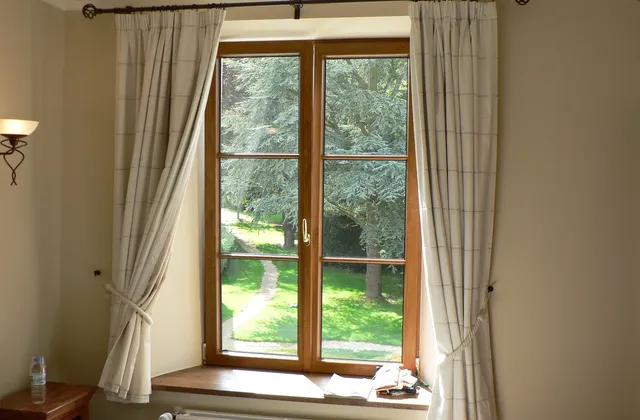
Seasonal Comfort: Questions to Ask When Viewing a Home
Ask useful questions about sunlight, shading, windows and equipment at a Syrian home viewing, separating observations from untested seasonal comfort claims.
Read more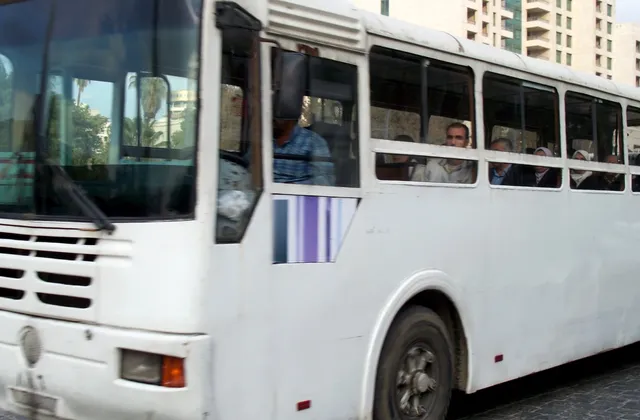
Planning a Commute Before Choosing a Neighbourhood
Plan a commute before choosing a Syrian neighbourhood by checking the whole journey, current connections and household commitments against the exact address.
Read more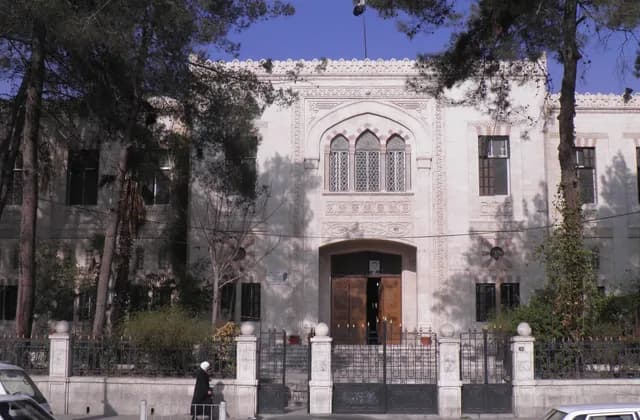
How to Research Schools Near a Potential Home
Research schools near a potential Syrian home by confirming identity, the current enquiry process and the journey, with dated photographs and UNICEF context.
Read more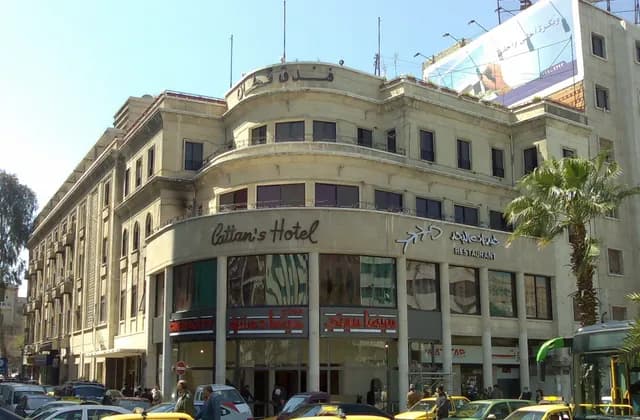
Comparing Neighbourhoods for Everyday Life in Syria
Compare Syrian neighbourhoods through household routines, confirmed entrances, essential services and dated evidence, with genuine Damascus archive photographs.
Read more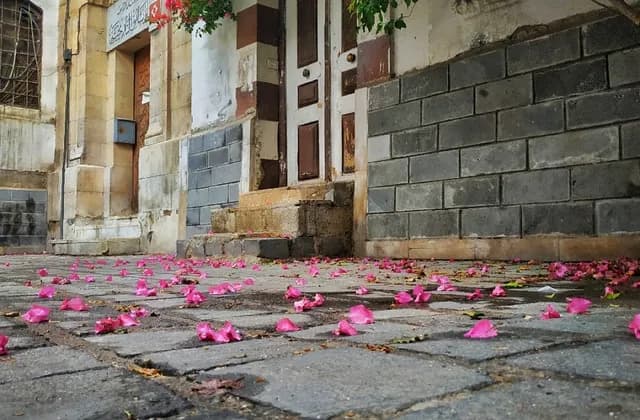
Reading the Difference Between a Historic Site and a Modern Neighbourhood
Distinguish heritage sites, building age and neighbourhood descriptions in Syria, using dated Damascus photographs and clear questions for an exact address.
Read more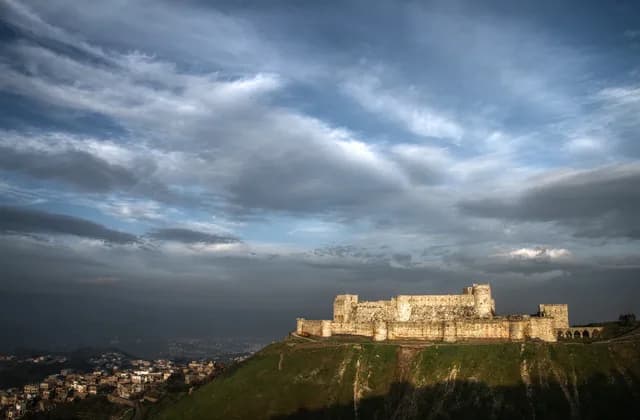
Syria UNESCO World Heritage Sites: An Introduction
Explore Syria’s six UNESCO World Heritage entries, their inscription dates and scope, with real archive photographs and links to the official records.
Read more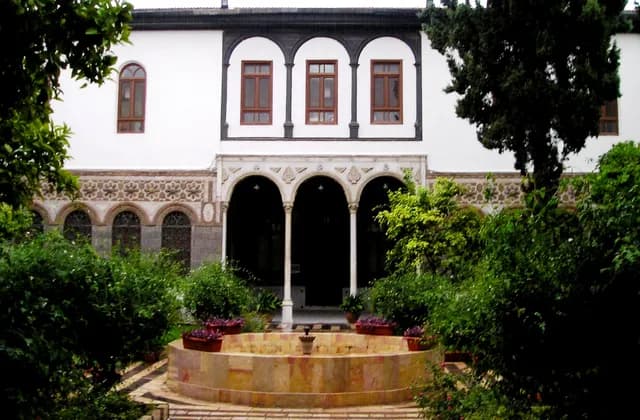
Stone, Courtyards and Shade in Syrian Architecture
Read Syrian architecture through real Damascus photographs, observing courtyard surfaces, patterned walls and shade without assuming building condition.
Read more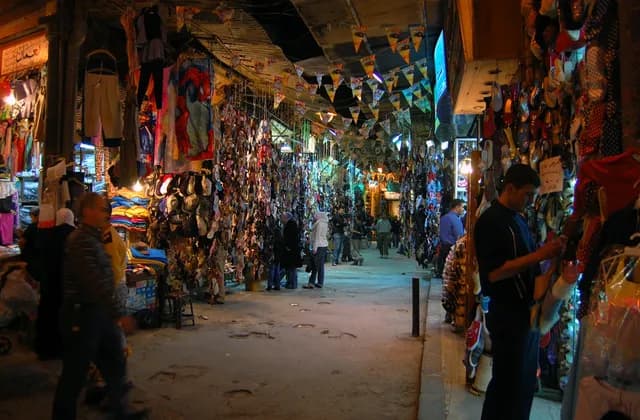
Understanding Souqs in Syrian Historic Cities
Understand Syrian souqs through dated Aleppo and Damascus photographs, distinguish market passages from shops, and ask clearer neighbourhood questions.
Read more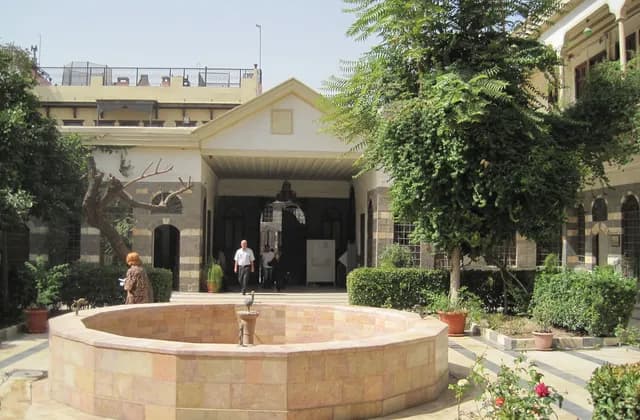
Traditional Courtyard Houses in Syria
Read Syrian courtyard houses through named archive photographs, room connections and entrance routes, with practical questions for your own property brief.
Read more