Investment Handbook
Separating a Commercial Property Purchase from a Business Sale
Clarify a commercial property purchase in Syria: separate the premises from equipment, stock and trading claims, then prepare connected scopes for adviser review.
In this article
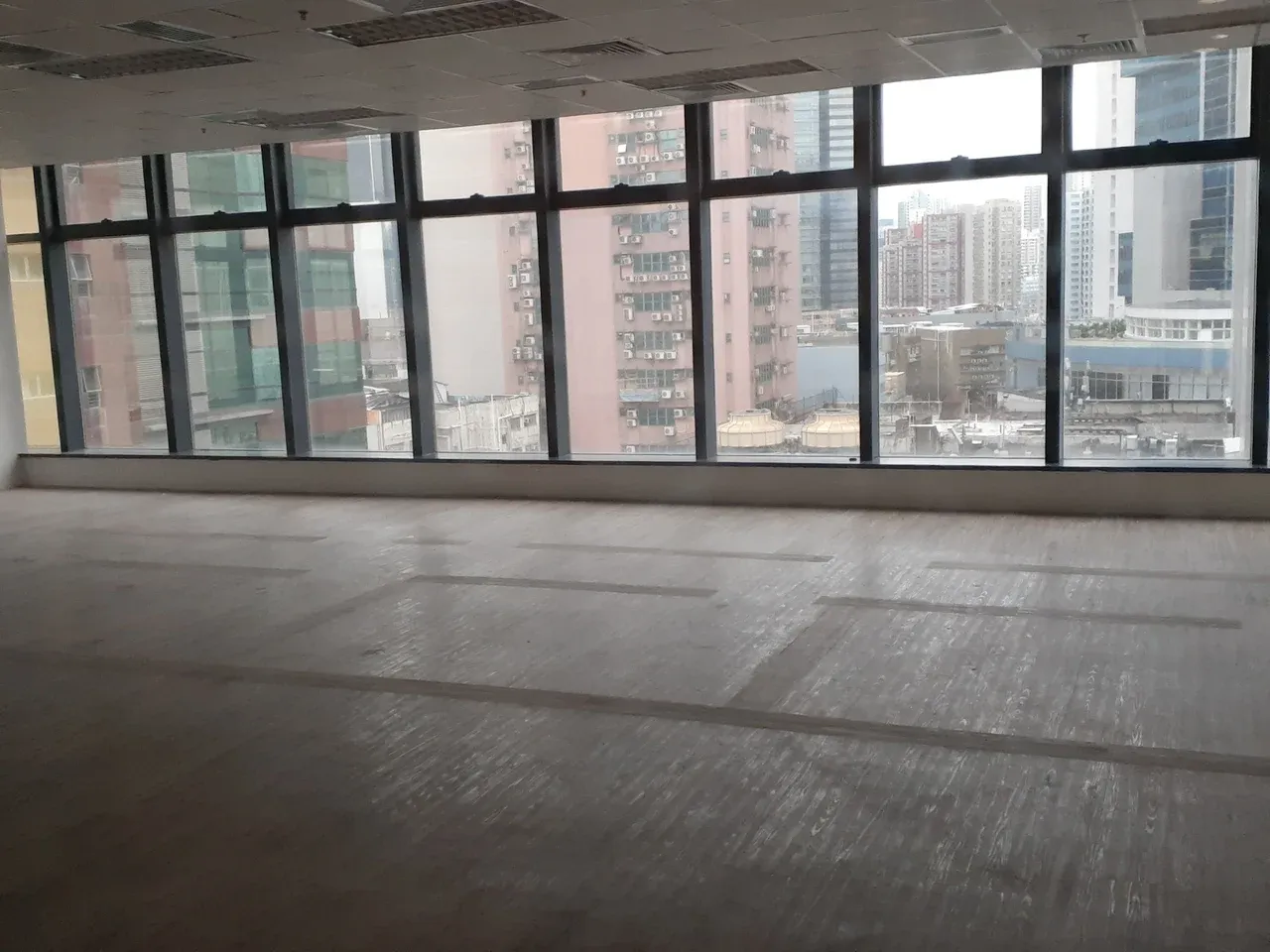

An advertisement for a shop, workshop or office in Syria may combine a physical premises with equipment, stock and an established business. Before comparing the price with another commercial property, ask precisely what the seller proposes to transfer. Buying the premises, buying selected business assets and taking over an operating business are different descriptions of a proposal. The advertisement's headline cannot establish which one applies or what rights would accompany it.
Start with a scope clarification for independent advisers. This is not a business valuation or a recommended transaction structure. A Syrian property lawyer and advisers competent in the proposed business transaction should examine the actual interests, parties and requirements. The practical aim is to prevent a property decision from quietly depending on assets, permissions or trading relationships that have never been identified as part of the offer.
Ask what the word sale describes
Preserve the original advertisement and ask for a plain explanation of the offer. Does the seller describe an identified property interest, selected equipment and stock, a business interest, an occupation arrangement, or a combination? Keep the seller's wording rather than translating every arrangement into ownership of the building. If a business currently trades from the premises, that fact alone does not explain what the buyer would acquire.
Identify the physical spaces separately: the shop floor, store, office, external area and any shared route. Ask how those spaces connect to the property records and the proposed interest. Then identify the business being discussed using the name and reference supplied, without assuming that the trading name is the legal identity of the person selling. The people arranging the business discussion and the property discussion may describe different roles; your advisers need to establish the relevant authority for each.
Record the outcome you seek. A buyer wanting premises for a new activity needs a different proposal from someone hoping to continue the existing trade. State whether the purchase would still interest you if the current business, name and customer relationships were excluded. The residential and commercial property comparison addresses intended use; this enquiry first establishes which property and business components are actually offered.
Give physical business assets their own explanation
Request a specific account of equipment, furniture, installed fittings and stock mentioned in the offer. Identify the claimed item, its location and what the seller says about inclusion. A kitchen described as equipped could refer to appliances, counters, utensils or an operating package with a very different scope. Do not infer that everything visible during a visit belongs to the seller or would remain after completion.
Ask which items are said to be owned, leased, borrowed, supplied by another party or excluded. Keep those as attributed statements pending review. An equipment invoice can be relevant evidence, but it should not be treated by the buyer as a complete certificate of ownership, freedom from obligations or authority to transfer. Where an important item is identified only by a generic description, ask what reference would let an adviser distinguish it from a replacement or similar machine.
Stock needs a time reference as well as a description. Ask whether the proposed inclusion concerns a dated list, items present at a later count or a separately agreed quantity. What happens to that description while ordinary trading continues? These are questions to resolve in the reviewed proposal, not a standard rule about how Syrian stock transfers work. The fixtures and contents guide helps with physical identification; a business package needs further advice about its wider scope.

.jpg)
Keep trading claims separate from the building
An established name, customer following or supplier relationship may help explain why the seller describes a business rather than an empty premises. Ask what is actually claimed to accompany the transaction and what supports that claim. A sign above the entrance is not evidence that a name can be transferred, and a busy-looking photograph does not establish customers, turnover or future trading income.
Where the seller refers to contracts, accounts, bookings, licences or permissions, record the relevant reference, stated holder, scope and date for adviser review. Ask whether continuation under your intended arrangements has been independently examined. Do not assume that a document associated with the current operator would apply unchanged to another person, activity or property arrangement. This page does not determine transferability or prescribe a Syrian permission procedure.
Handle business information proportionately. Ask advisers what is needed to examine the proposal and how it should be provided. Customer lists, employee information and unrelated account records should not be circulated merely to make a property comparison feel complete. A description of a claimed relationship and its supporting record may raise the right question without inviting unnecessary disclosure. Independent review must distinguish a commercial explanation from a conclusion that the buyer can legally or practically rely on it.
Compare proposals after separating their components
Consider a fictional workshop advertisement. Its headline describes a premises with an operating workshop, while the supplied note lists one property interest and three machines but says nothing about stock, the trading name or existing work orders. Another advertisement offers a similar-looking empty unit. Neither headline lets you compare like-for-like prices. The first step is to ask what the workshop proposal includes and whether its business-related claims have supporting evidence.
Request an explanation of any separate component amounts the seller supplies. Preserve the total, original currency, scope and source of each amount. A seller's allocation to equipment or goodwill is an attributed proposal, not your independent valuation or a tax conclusion. Avoid inventing a split by subtracting an assumed property value from the package price. If the distinction affects your decision, obtain advice with the property and business scope explicitly identified.
Separate acquisition from readiness to use. Ask what would remain necessary if an important machine, trading arrangement or approval did not accompany the property. Would the space still serve your purpose, and what further investigation would be needed? Keep unpriced work and unresolved operating dependencies visible. Existing business activity is not a guarantee that your intended activity can begin immediately or that a property-only purchase would produce the advertised business result.
Finish with two connected scopes for adviser review
Prepare a dated note with a property part and a business part. The property part identifies the proposed interest and spaces. The business part identifies attributed inclusions, exclusions and unresolved claims about physical assets or trading arrangements. Cross-reference an item where the two parts depend on each other, such as equipment associated with a space whose inclusion is still unclear. Do not turn the note into an unreviewed sale agreement.
For every material uncertainty, explain its effect on your purpose. You might remain interested in the premises while needing a different offer if equipment is excluded; alternatively, the entire proposal may depend on a trading arrangement that has not been established. Give advisers the same current scope and ask which questions need resolution before reliance or commitment. A coherent package description makes the decision examinable without certifying its value, legality or expected returns.
The SBA's public business-buying section highlights enquiry into leases, contracts, inventory and financial information in its United States context. Business.gov.uk discusses premises suitability and professional legal advice in its UK context. These supply limited background for separating questions; their financing programmes, taxes, planning rules and transaction documents are not Syrian requirements. Your decision needs an accurately described property proposal and independently reviewed business dependencies, rather than confidence borrowed from an existing shopfront.
Continue your research

Comparing One Property with Several Smaller Investments
Compare one property with several smaller investments in Syria through exact candidates, committed capital, shared dependencies, workload and exit questions.
Read more
Checking Seller-Reported Rental Income Before Buying Property
Review seller-reported rental income in Syria: connect the exact asset and period to collections, source records, exclusions and unresolved adviser questions.
Read moreSources & review
Last reviewed:
PUT YOUR RESEARCH TO WORK
Start with a place.
Explore Syria’s cities and narrow your property search.