About Syria
Damascus and the South
Begin your research into Damascus with an illustrated introduction to its historic centre, then work outwards towards the locations that matter to your own plans. This collection connects cultural context with the practical questions you need before investigating an individual…
Read more
home or neighbourhood.
Damascus is a place many readers encounter first through a landmark photograph, a family story or the name of a familiar street. Those starting points can be valuable, but they describe different kinds of knowledge. A family connection explains why a location is meaningful. A photograph records a particular view at a particular time. A street name helps identify an area. Bringing them together carefully gives you a richer understanding than treating any one of them as a complete guide to a city or a property market.
Our Damascus city article is the first reading route in this collection. It considers the historic centre through named places and the relationship between public streets, entrances and courtyards. The article links to UNESCO's record of the Ancient City of Damascus for heritage context. It also explains why that context should remain separate from current questions about a home, its documentation or the condition of a building. The purpose is to help you recognise what a source actually supports before you use it in a property decision.
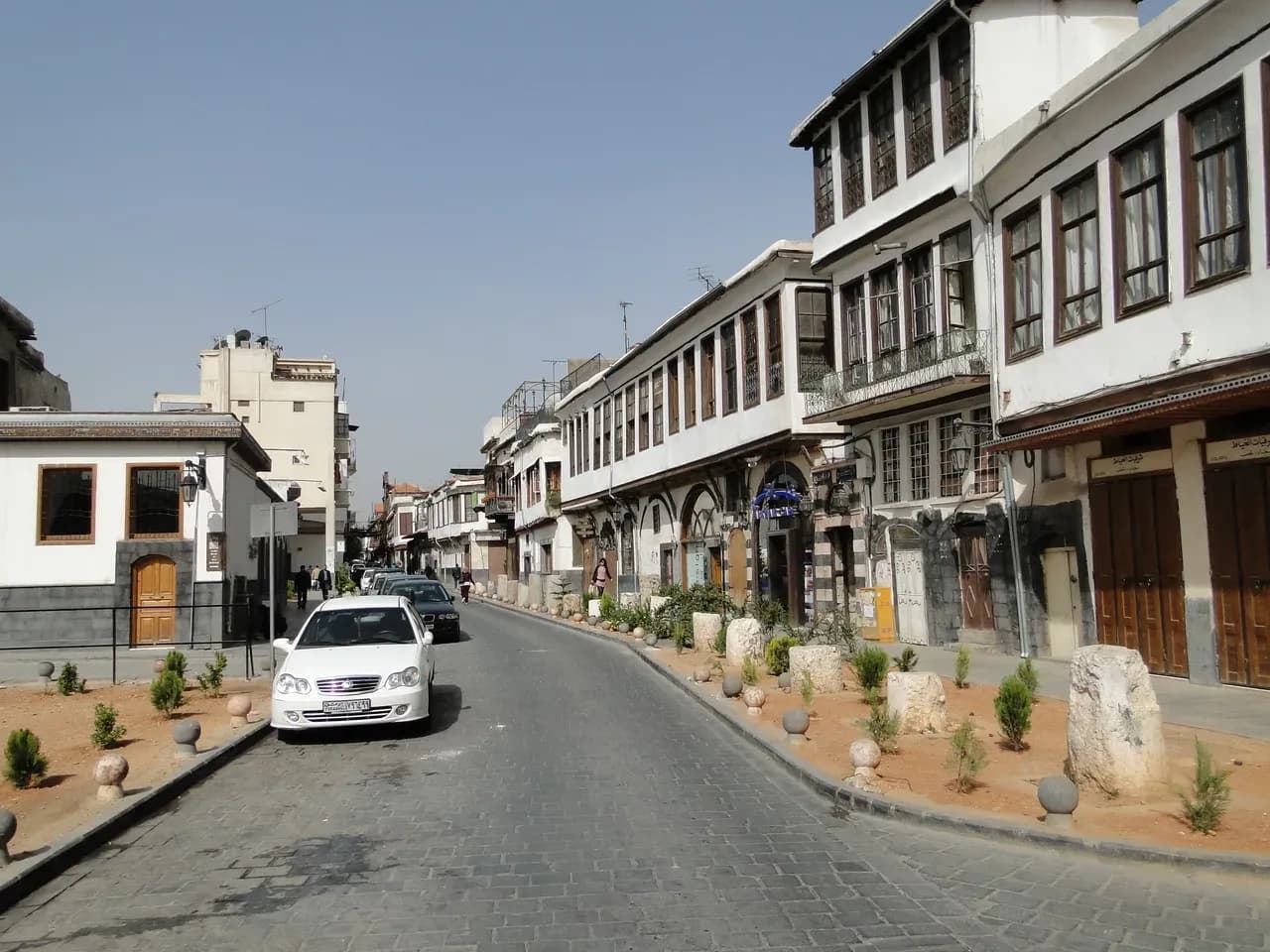
The photograph introducing this collection shows Bab Sharqi Street in Damascus in 2010. It is an archive view credited to its photographer, with a link to the original source and reuse licence. Look at the proportions of the street and the relationship between buildings and the public route. These are useful features to notice in a location photograph. Do not assume that shop uses, traffic arrangements, building condition or access remain as pictured. Current enquiries need current information, identified by date and by the precise location concerned.
Use the words Damascus and the South as a reading group, rather than a claim that every place in the wider area belongs to the same administrative unit. City, governorate, neighbourhood and street are separate levels of description. For a property enquiry, ask the person supplying the address to identify each relevant level. If an English spelling differs between a map and a listing, retain both spellings in your notes and request the original local name. This makes it easier to reconcile photographs, location pins and documents later in the process.
A useful first exercise is to draw your own simple location brief. Put the exact places you need to reach on a map, then identify which journeys are essential and which are occasional. A family home might need to work around several people's routines, while a home used only during visits may have a different set of priorities. Avoid assigning travel times from memory or from a broad city description. Ask for current local information and record the route and conditions behind any estimate you receive.
Move from the wider location to the building gradually. Begin with the street and approach, then the entrance, shared areas and unit itself. Consider how a visitor would find the address, how belongings would be brought inside and how the home would be managed if you were absent. These questions are deliberately practical. They help you turn an attractive image of a neighbourhood into a list of checks. Some can be answered through recent photographs or a visit; others belong with a local professional who can examine the specific property and its records.
Historic character deserves equally specific questions. A courtyard, decorative stonework or an older street frontage can be visually compelling, but appearance alone does not explain how a building is maintained or which works may be permissible. Ask qualified local advisers to review the actual building before relying on a proposed change of layout or use. Keep a clear distinction between a cultural description and advice on an individual property. Our city guide is intended to support understanding of place, not to certify a building or establish a reader's legal eligibility to acquire it.
When reviewing images remotely, request a coherent sequence. An exterior view, the entrance and shared circulation should connect logically to the interior photographs. Ask which floor and unit the images show and when they were taken. If a room appears twice from different angles, label the photographs so you do not count it as two rooms. If an image is offered only as an example of the surrounding area, record it that way. This is a simple method for keeping location inspiration separate from evidence about the home you are considering.
Compare shortlisted locations using your own requirements rather than an unsupported league table of neighbourhoods. You might prioritise a particular address connection, enough usable space, manageable access or the ability to arrange reliable oversight while away. Write down what would rule a property out as well as what would make it attractive. If an important question has no answer yet, mark it as unresolved. A blank is more useful than a confident guess because it shows exactly what the next conversation or viewing needs to establish.
Our other sections help you continue from this location research. The Investment Handbook covers the process of setting a brief and organising purchase questions. The Blog's market-research pages explain how to preserve the source and date of advertised prices and compare evidence consistently. Those topics have their own place in the site; the Damascus collection remains focused on understanding the city and the information behind a location enquiry. Use the left-hand navigation to return to the main Cities and Governorates collection when you want to explore a different starting point.
Before you move to a property shortlist, summarise your research in a single page: why this location, which exact address you are studying, what has been observed, what comes from an older source and what still needs checking. Keep the archive photographs for context and the recent evidence for current decisions. That small separation makes a remote discussion clearer and a later viewing more purposeful. Open the Damascus article below to begin with its illustrated account, then build your own location file around the questions that matter to you.

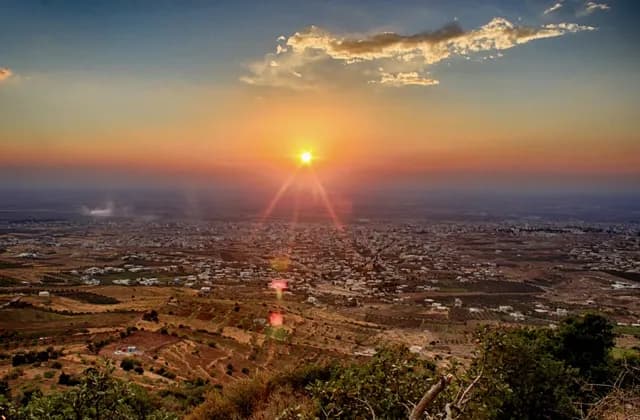
As-Suwayda Governorate: Towns, Landscapes and Local Research
Explore As-Suwayda Governorate by verifying the exact town and address, comparing dated images with present conditions, and checking each building and its records.
Read more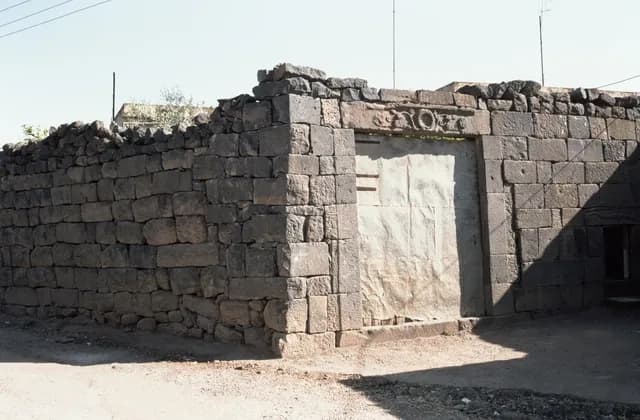
Daraa Governorate: Planning Your Location Research
Research a Daraa Governorate property by moving from regional labels to a verified address, dated local evidence and independent building and document checks.
Read more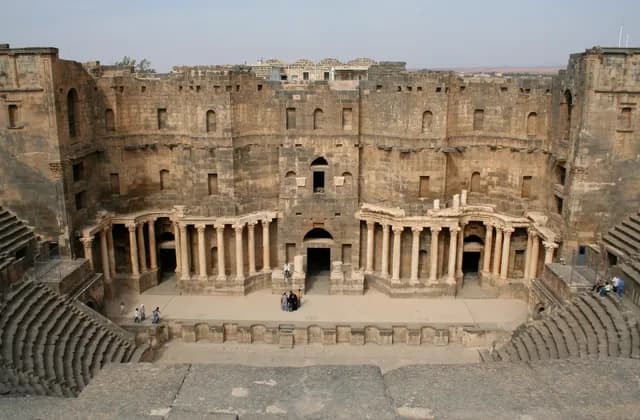
Bosra: A Guide to Its Historic Urban Landscape
Explore Bosra beyond its Roman theatre: understand its layered historic landscape, UNESCO status, archive photographs and property-specific research limits.
Read more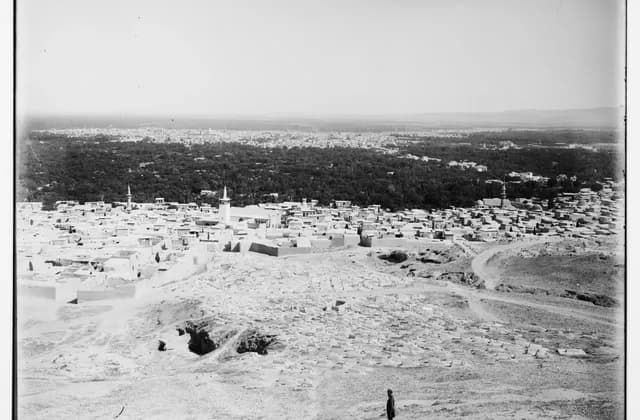
Damascus Governorate and Rural Damascus: Understanding the Difference
Distinguish Damascus Governorate from Rural Damascus when researching a property: verify its address, route, records and building-specific services.
Read more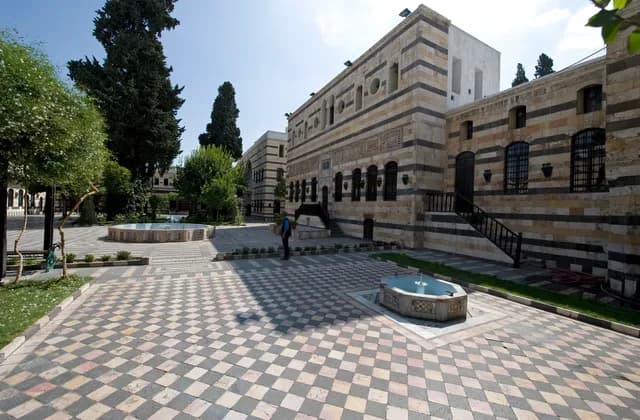
Damascus: Reading the City Through Its Historic Centre
Understand Damascus through its historic centre and learn how to separate cultural context, archive photographs and property-specific location research.
Read more