Blog
A Seasonal Home Maintenance Checklist
Build a property-specific seasonal home maintenance checklist for Syria with safe observations, dated records, assigned actions and professional follow-up.
In this article
.jpg)
A maintenance checklist is most useful when it tells you what to look at, when to look and what to do with a concern. A generic calendar copied from another climate may miss the issues that matter for a particular home in Syria. Begin with the building you actually occupy: its roof or terrace, openings, drainage, services and shared areas. Then place checks around local weather patterns, the equipment in the home and any instructions from the people responsible for the building. This is a planning framework, not a technical inspection schedule.
Keep a record from the start. For each item, note the location, date, visible condition, action taken and next review. Save relevant photographs and service documents with the same labels. A list with many ticks but no dates or follow-up can create false reassurance. The goal is to catch a change early and direct it to someone competent, not to certify that every component is sound.
Make an inventory before choosing dates
Walk through the property and list the elements that need care. Include windows and doors, kitchen and bathroom fittings, any installed ventilation or cooling equipment, roof or balcony surfaces you can access safely, and shared elements that affect your unit. Ask what belongs to the apartment and what is managed jointly. Responsibilities depend on the property documents and arrangements; do not assume a shared roof or pipe is yours to alter.
Read any available manuals, warranties, maintenance records and professional reports. They may recommend checks specific to the installed equipment or a previous repair. If the records are missing, mark that as a question instead of inventing an interval. A maintenance plan should reflect the actual materials and systems, not a universal list of jobs that might not exist in your home.
Before a wet or windy period
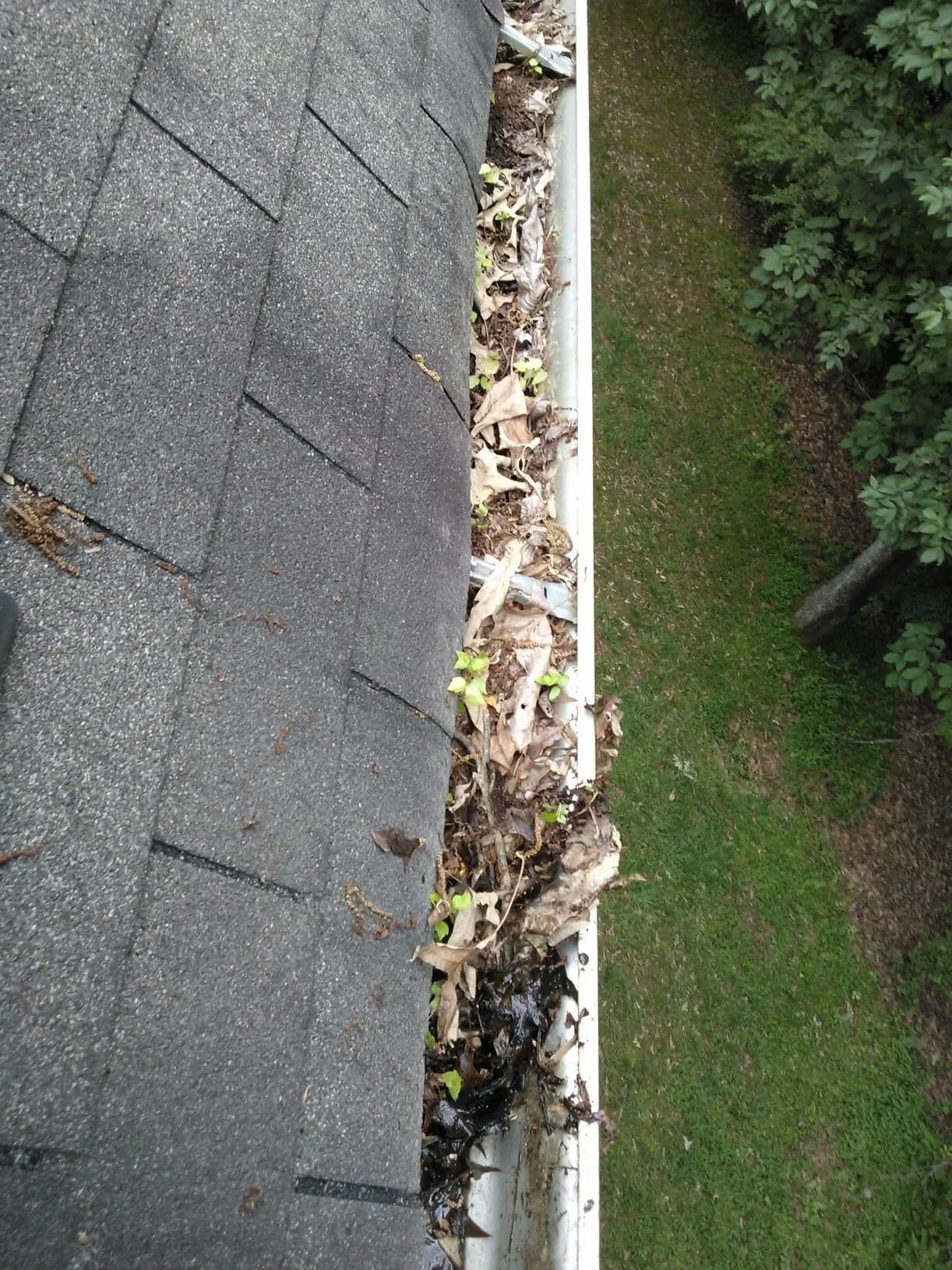
From safe, permitted positions, look for obvious debris at accessible drainage points, loose visible fittings around openings and stains that may have changed. Do not climb onto a roof, lean over a balcony or open a service cover to complete a checklist. If drainage or an external element appears blocked or damaged, record the observation and arrange an appropriate inspection or maintenance visit.
After significant weather, compare the same locations with previous dated photographs. A new mark deserves a question about its source; it should not automatically be labelled a roof leak or condensation. The RICS damp and mould guide explains why moisture sources can be varied and why an effective response starts with understanding the cause. Its UK professional guidance is general context, not a diagnosis or Syrian legal standard.
During periods of heavy use
Some checks are tied to household routines rather than a season. If a kitchen or bathroom is used heavily, note whether visible ventilation openings remain clear and whether installed fans operate as expected during ordinary use. An operating fan is not proof of adequate ventilation, but a fan that stops working is a concrete issue to record and investigate. Keep cleaning and service instructions for the particular equipment close to the record.
Watch for changes around taps, seals, drains and appliances without dismantling them. A drip, unusual sound or persistent odour can be documented with its location and date. If a condition could create a safety concern, seek appropriate professional help promptly rather than waiting for the next calendar review. The checklist must not become a reason to delay a needed response.

When temperature patterns change
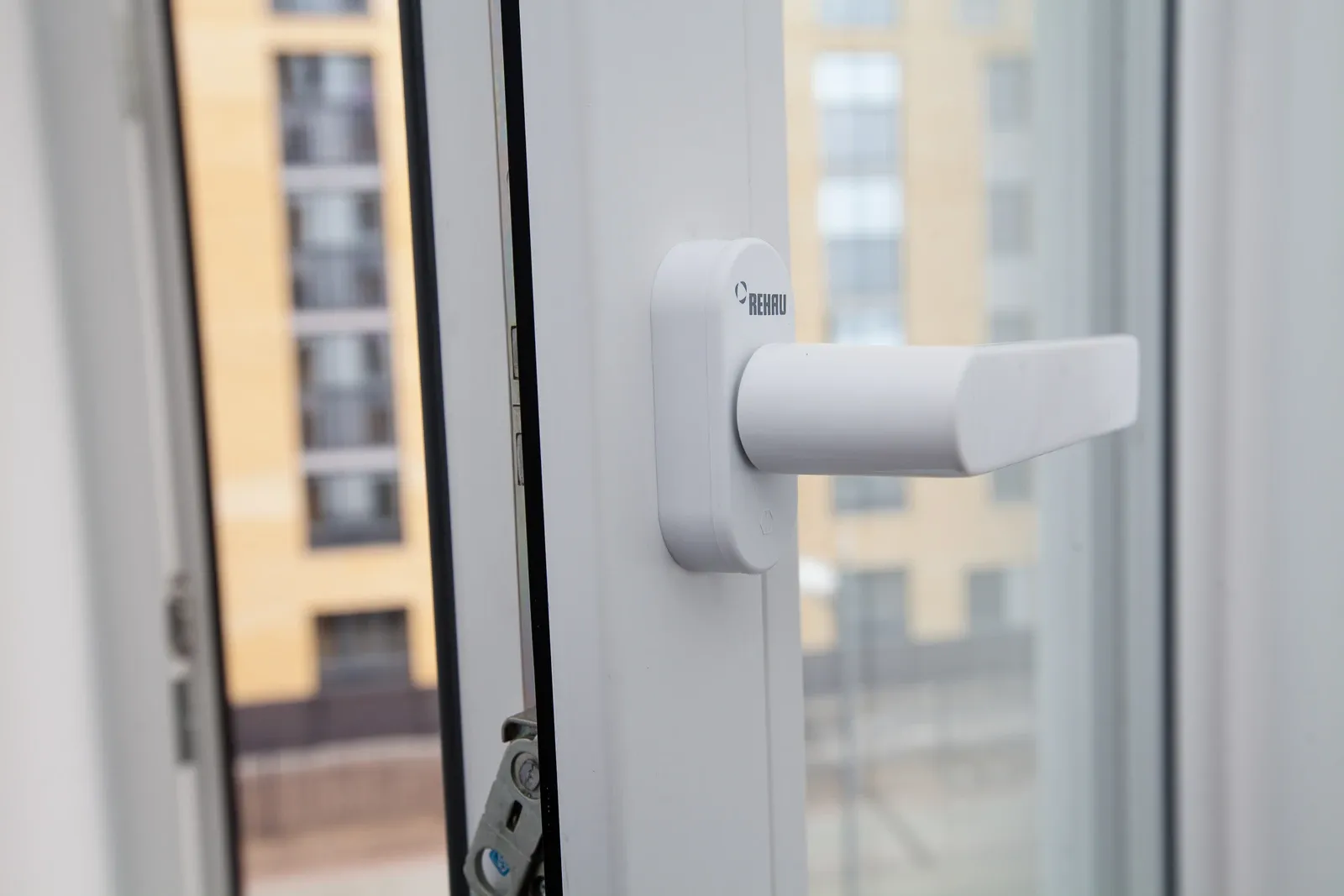
Windows, doors and cooling or heating equipment may be used differently as conditions change. Check whether windows and doors open and close normally and whether visible seals or fittings appear damaged. Record the setting and the symptom if equipment does not perform as expected, then use the manufacturer's instructions or a competent service provider for technical work.
Avoid assuming that a home in one Syrian region has the same seasonal demands as a home elsewhere. The appropriate schedule depends on elevation, exposure, building design and occupancy as well as weather. The checklist should be reviewed with someone familiar with the exact property, especially if a terrace, historic structure or complex shared system is involved.
Check shared routes and responsibilities
The journey to an apartment is part of daily use. Note visible problems in entrances, stairs, lighting and shared drainage routes, while respecting areas you are not authorised to inspect. Record when a concern was reported and to whom. Keep copies of replies and agreed actions. The person responsible for repair cannot be established merely from the fact that several households use a space; check the relevant arrangements and seek local advice where necessary.
Do not personally attempt work on electrical, structural or other potentially hazardous shared elements because they appear on your list. A checklist can identify the need for a qualified assessment, but it cannot grant permission or competence to carry out the work. This distinction is especially important when an issue affects neighbours or essential services.
Close the loop after a repair
When work is done, retain the description of the original issue, the agreed scope, dated photographs, the contractor's record and any follow-up instructions. Check that the visible problem has been reviewed at a sensible later point, while recognising that a surface can look better before the underlying performance is proven. If the issue returns, the previous record helps an independent professional understand the sequence.
The RICS home-survey consumer guide describes how professional assessments can inform future maintenance planning in its UK context. It does not prescribe a Syrian homeowner's schedule. Use Ventilation and Damp: What to Record During a Viewing for a more focused moisture record, and Keeping a Renovation Budget Under Review when a maintenance finding becomes a defined project. The Investment Handbook can hold the broader ownership questions.
A short, maintained checklist is better than a detailed one that nobody can follow. Give each entry a reason, an owner and a next action. Review it when the household, building or local conditions change, and let a qualified professional set the technical schedule where the consequences of failure are significant.
Continue your research
Checking Garden Watering Arrangements Before Buying a Home
Check garden watering before buying a home: identify water points, system coverage, controls, manual tasks, absence arrangements and equipment included.
Read more
Keeping a Renovation Budget Under Review
Keep a renovation budget understandable as scope changes by separating quotes, committed costs, payments and unpriced condition questions.
Read moreSources & review
Last reviewed:
PUT YOUR RESEARCH TO WORK
Start with a place.
Explore Syria’s cities and narrow your property search.