Investment Handbook
Preparing a Property Handover Checklist
Prepare for a Syrian property handover with a route, key count, room inventory, safe service observations and a dated record of unresolved differences.
In this article


Handover is the moment when the buyer tests whether the home, access and agreed contents are actually available. It is not the moment to begin learning what the contract promised. Before the appointment, ask your Syrian property lawyer what must happen for the transaction to be complete, what evidence you should receive, and how any problem should be recorded. Use this practical checklist to prepare a focused visit. It does not define legal completion, registration or remedies under current Syrian law.
Bring the final agreement and a short route plan
Take the version of the agreement and any contents or condition schedule that your lawyer identifies as final. Add the property description, named parties, expected date and the person authorised to attend for each side. Do not bring only a screenshot of an earlier draft. If a representative will attend for you, give them written instructions on what to observe, what to report and which decisions they cannot make without calling you. Our representative guide helps define that boundary.
Plan a route from the street to every space said to be delivered: entrance, unit, parking, storage, balcony, courtyard and any service area you have a right to inspect. Ask in advance who will bring the keys and who can open each door. A visit that reaches the living room but not the advertised storeroom is incomplete for that item. Keep the route simple enough to follow without rushing.
Record who attended and what happened
At the start, write the date, time, location and names of those present. Record each person's stated role. If the person handing over the keys differs from the proposed seller, ask the lawyer beforehand what authority or instruction should be checked. Do not treat a handshake or possession of the keys as proof that all legal steps have occurred. The seller authority guide provides a people map for this question.
Keep photographs tied to the date and location. Do not alter originals; make annotated copies if needed for discussion. If someone points out a change since the earlier viewing, record who said it and whether you could inspect it. Avoid a blanket statement that the property was “accepted in good condition” when you have only been able to see some rooms or cannot test a service safely.
Check access before contents
Try each agreed entrance and access device. Count keys by door or gate rather than simply noting “keys received.” Test only what you can do safely and with permission. If there is a shared gate, ask who operates it and what arrangement will continue. A functioning key today does not by itself establish the buyer's legal access right. Refer unresolved route or space questions to the lawyer; see our boundary and access guide.
If a lock, lift, parking barrier or remote does not work, record the exact failure and the agreed next step. Do not infer a repair deadline unless it is confirmed in the documents or by your adviser. If an area cannot be entered, mark it “not inspected” rather than treating it as satisfactory. Ask whether the inability to inspect affects the handover decision before signing any acknowledgement.

Compare rooms with the agreed inventory
Walk each room with the final list of fixtures and contents. Note whether each included item is present, whether an excluded item has been removed and whether removal caused visible damage. Check agreed accessories, manuals and controls where relevant. Our fixtures and contents guide explains how to create a useful room-by-room schedule. Do not substitute a broad impression that the flat is furnished.
Look for changes in visible condition since the last documented visit: water marks, broken glazing, damaged doors, removed fittings or debris. Photograph the area from a wide view and a close view, then describe what you actually saw. Avoid diagnosing the cause of a stain or fault. If the condition matters materially, ask the lawyer how to preserve the issue and whether a qualified inspector should attend. A handover walk-through is not a full survey.
Note services without claiming they are safe
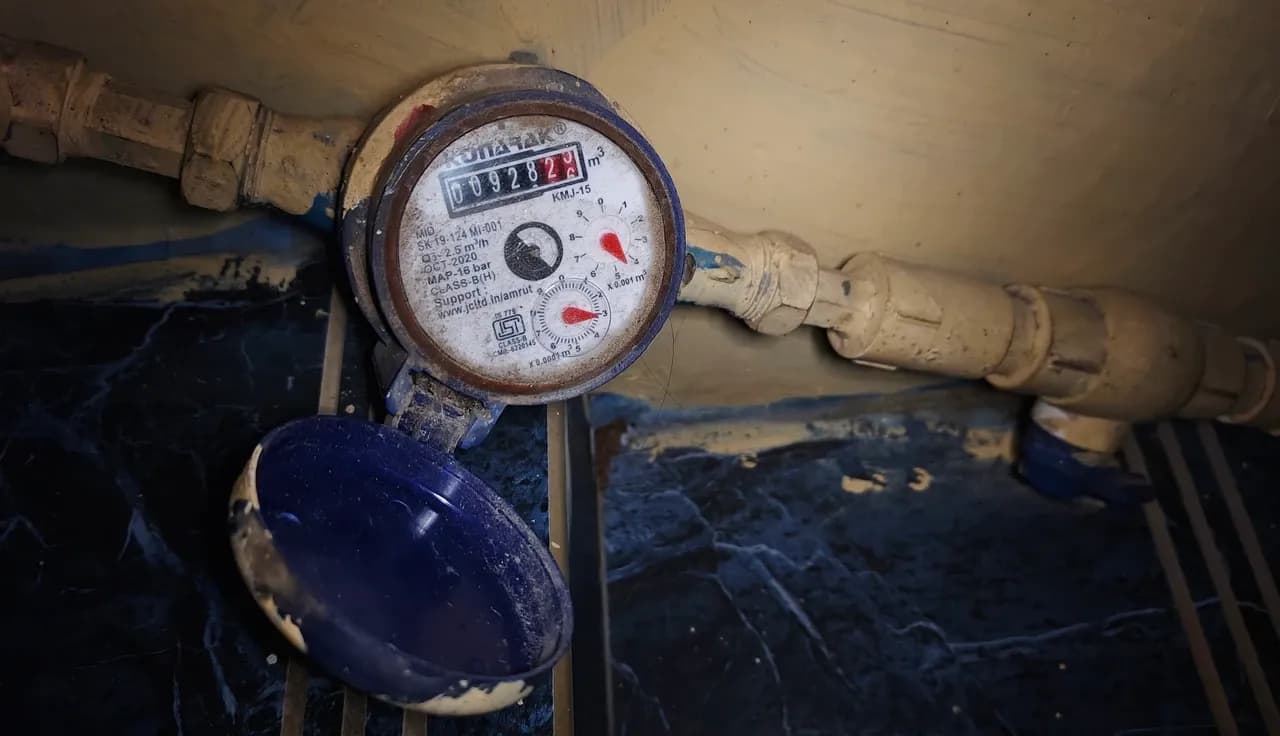
Locate visible meters, shut-off points and any service documents the seller agreed to provide. Where appropriate, record a dated meter reading and photograph the display. Ask who holds the current account or service arrangement and what transfer steps your advisers recommend. Do not claim continuous water or electricity from a single reading or a working switch. If a circuit, exposed wire, gas installation or damaged equipment raises a safety concern, avoid testing it yourself and seek a qualified local assessment.
The UK government's How to Buy guide suggests practical moving checks such as keys and meter readings in its England-and-Wales context. It does not set Syrian handover procedure. For this home, ask local advisers which records and service steps apply and whether any provider confirmation is needed.
Keep the legal and physical records separate
Ask the lawyer what documents evidence the agreed transfer or filing and when you should receive them. Keep those records in the transaction folder. Separately prepare a handover note: attendance, keys, access, inspected rooms, included items, readings and exceptions. An acknowledgement of physical delivery should not be confused with a legal opinion about title. Do not sign a document whose effect you do not understand merely to finish the visit.
If the seller promises to deliver a missing item or repair damage afterward, record the item, who made the promise, the proposed evidence of completion and the lawyer's advice on how it should be documented. A verbal assurance is hard to match to a later condition. If a new person, payment request or document appears at handover, pause and ask for review rather than improvising a decision on site.
Close with an exception list
At the end, read back the unresolved items to the people present and keep your own dated copy. Distinguish “not inspected,” “observed difference” and “agreed follow-up.” Send the note, photos and any new documents to your lawyer promptly. Ask whether the exception changes the legal or payment sequence. If everything appears as expected, retain the record anyway; it may be useful when organising later maintenance or service accounts.
Good handover preparation is deliberately ordinary. It turns a stressful appointment into a route, an inventory and a short list of decisions. The buyer can record what was delivered. The lawyer decides what that record means under the agreement and what to do when delivery differs from the promise.
Continue your research
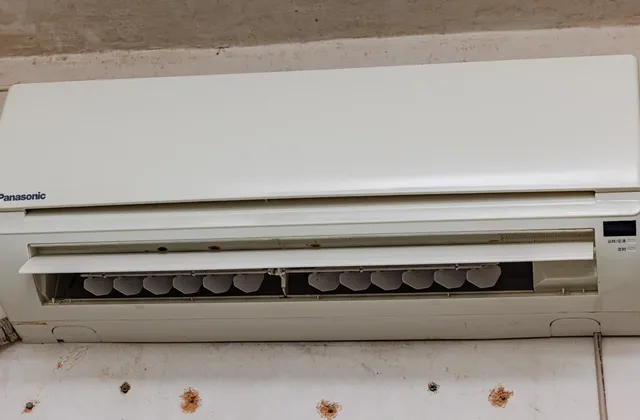
Reviewing Warranty Papers Offered with a Property Sale
Review warranty papers offered with a property sale in Syria, checking the item, issuer, coverage period, exclusions and questions about a new owner.
Read more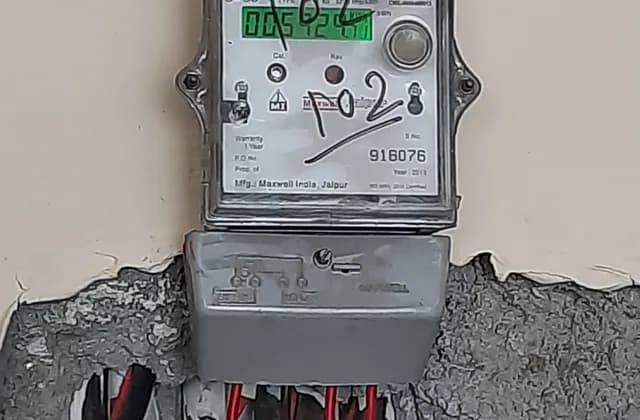
Recording Meter Readings at a Property Handover
Record meter readings at a Syrian property handover with device identifiers, dated observations, source notes and clear follow-up for unresolved service questions.
Read moreSources & review
Last reviewed:
PUT YOUR RESEARCH TO WORK
Start with a place.
Explore Syria’s cities and narrow your property search.