About Syria
Everyday Location Research
Research everyday life around a Syrian home by checking school options, journeys, essential services and seasonal needs against your household’s routine.…
Read more
Everyday Location Research helps you connect a potential home with the life you expect to lead around it. The starting point is your household's own routine: where people need to go, what they need to reach, and which arrangements would make that routine practical. A neighbourhood name can orient the search, but it is the particular address and its connections that ultimately need investigation. These guides turn broad expectations into questions that can be answered before a home is chosen.
Imagine an ordinary weekday in the new home. Someone leaves for work, another family member takes a child to school, and essential shopping needs to fit around those journeys. Now imagine a day when the timing changes. A location that looks suitable in an attractive photograph may still leave several of those tasks unresolved. Researching the routine allows you to see what is known, what is assumed and which unanswered question should be addressed first. It also makes disagreements within a household easier to discuss in concrete terms.
The category brings together neighbourhood comparison, school enquiries, commute planning, seasonal comfort and local-service checks. Each task needs a different kind of evidence. A school question belongs with the institution responsible for it. A building-comfort question may need observation and a competent assessment. A transport question requires current information about the journey you actually intend to make. Keeping those enquiries distinct prevents an appealing district description from appearing to answer everything at once.
Begin by identifying the home accurately. The entrance, street and building matter, especially when a map pin points to a landmark or the name of a broad area. A few streets can change the starting point of a daily journey. An upper-floor apartment also has a route through its building before the journey outside begins. When comparing candidates, use the same method for each. A home measured from its doorway should not be compared with another measured from an approximate neighbourhood centre.
Next, identify the household's essential requirements. These should be limited enough to remain understandable. You might need an appropriate education option, an entrance usable by a particular family member, or a workable connection to a regular destination. Other features can be preferences rather than conditions of the decision. Establishing that difference does not make the choice rigid. It makes clear which questions cannot be offset by something attractive elsewhere in the comparison.
For a service or institution, a map marker is a useful beginning. Find the current identity, relevant contact and the information needed to determine whether it is a usable option. Opening arrangements, availability, eligibility and the intended entrance can all require confirmation. Do not transfer an answer from one branch, building or academic year to another without checking its scope. Save the source and date so that an older answer does not quietly become a present-day fact as the search continues.
School research deserves particular care because the decision concerns a child rather than simply the location of a building. Families may need to discuss learning stage, an interrupted education history or support needs with the appropriate contact. Initial enquiries can establish the process without placing personal documents in public groups. An identified application route, a waiting arrangement and a confirmed place are different outcomes. Keep the actual answer visible in the property decision without reproducing sensitive family records in a general shortlist.
Commute planning works best when it includes the whole journey. Consider departure and arrival points, any changes of transport, waiting time and the practical conditions relevant to the person travelling. An estimate on a screen helps organise research but should remain an estimate. Where an observation is possible and appropriate, record its circumstances. One journey may reveal a useful question about timing; it cannot establish every future trip. The guides encourage a comparison based on your intended routine rather than a universal ranking of districts.
Seasonal comfort needs a similarly specific approach. Ask about the rooms you expect to occupy, when you use them, and what you can observe during a permitted viewing. Sunlight at a window, shade outside and the equipment present in a room are separate observations. Their appearance does not establish measured performance. A building's condition, alterations and operation need their own evidence. Relevant questions can help identify what to request from the owner or an appropriate specialist without diagnosing a problem from a photograph.
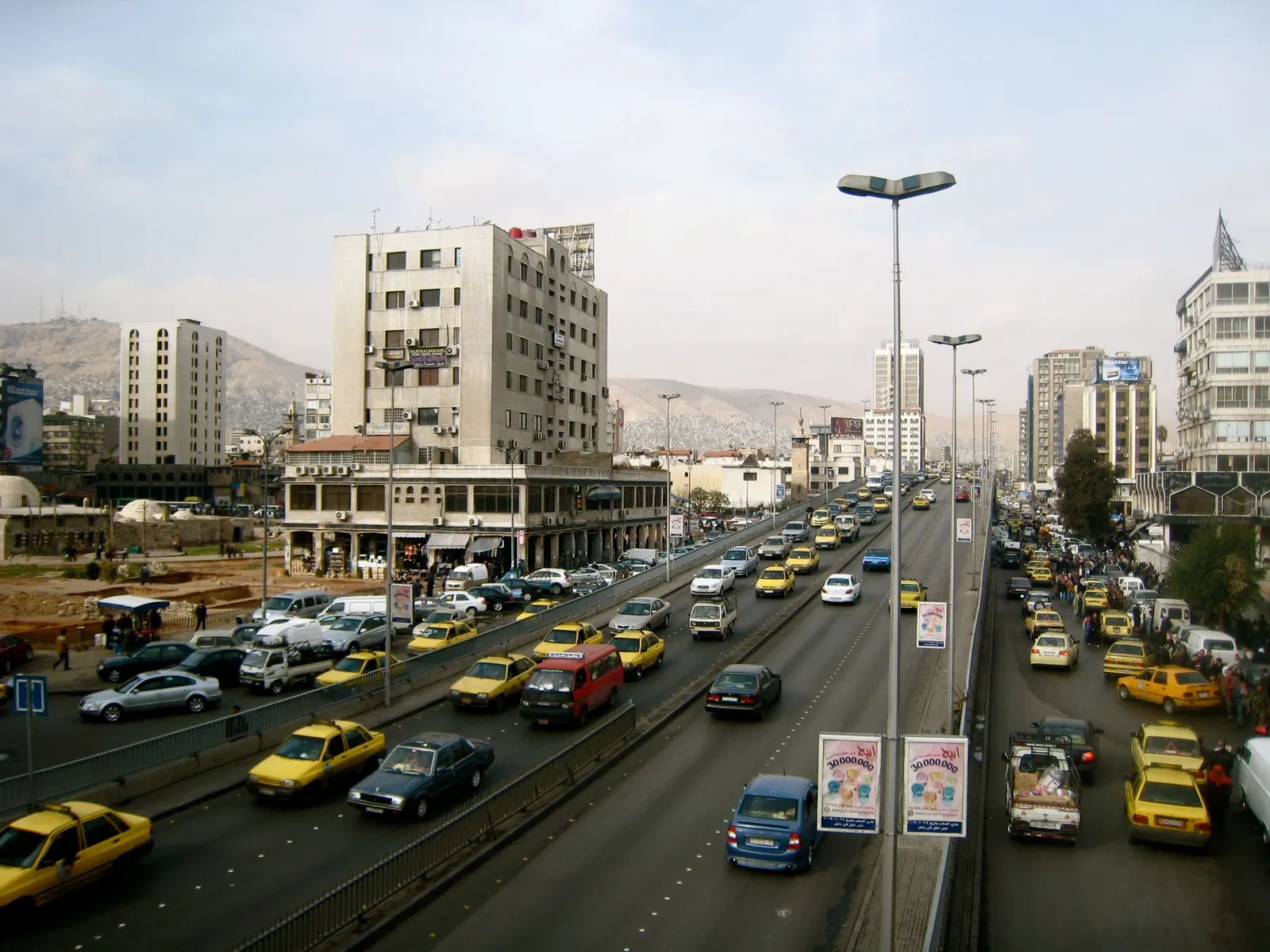
The images accompanying these pages are real photographs with an identified source and recorded rights. Syrian street and building archives offer examples of spatial relationships, not confirmation of present services or an endorsement of a neighbourhood. Read each caption with its date limits. A familiar frontage may invite further research, but it does not establish what operates there now. The photograph selected for this introduction is a historical view of central Damascus, used to introduce the scale of urban surroundings rather than make a current convenience claim.
Keep the research record short enough to use. For each important task, note the requirement, the strongest available evidence and the next unanswered question. An unknown should remain an unknown; it should not receive a neutral score merely so that a table looks complete. This habit makes the next call or permitted visit purposeful. You can ask for the information that would change the decision instead of accumulating more general opinions about an area.
The broader About Syria library provides geographic and cultural context for this work. The Investment Handbook addresses the property brief, viewings, documents and purchase planning, while Blog discusses other questions about homes and decisions. Everyday Location Research focuses on the connections between a home and the household's repeated activities. Read the relevant guide when a practical question emerges, then return to the particular address with a clear enquiry. A better researched location is one whose arrangements have been examined against your needs, with important uncertainties still stated honestly.


How to Check Local Services Before Relocating
Check local services before relocating in Syria by identifying providers, confirming current arrangements and researching usable connections from the home.
Read more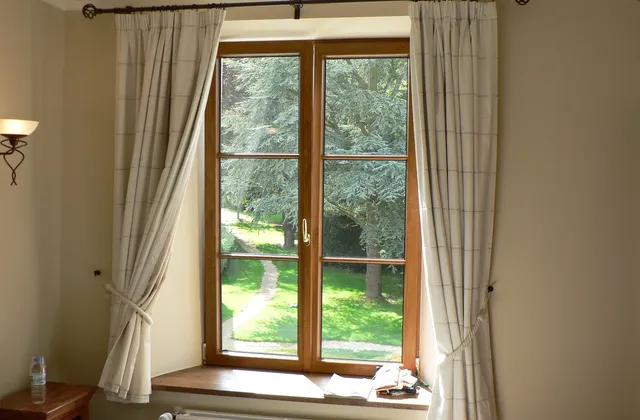
Seasonal Comfort: Questions to Ask When Viewing a Home
Ask useful questions about sunlight, shading, windows and equipment at a Syrian home viewing, separating observations from untested seasonal comfort claims.
Read more
Planning a Commute Before Choosing a Neighbourhood
Plan a commute before choosing a Syrian neighbourhood by checking the whole journey, current connections and household commitments against the exact address.
Read more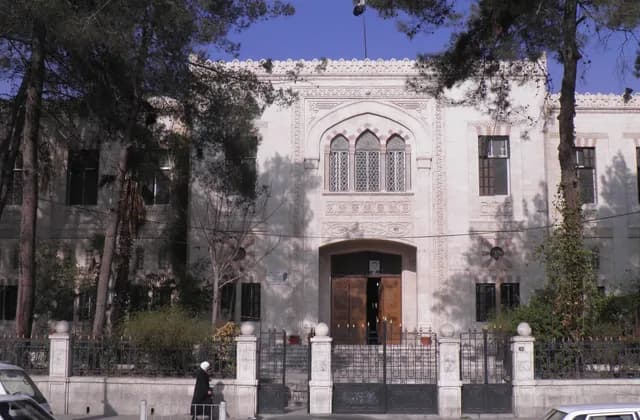
How to Research Schools Near a Potential Home
Research schools near a potential Syrian home by confirming identity, the current enquiry process and the journey, with dated photographs and UNICEF context.
Read more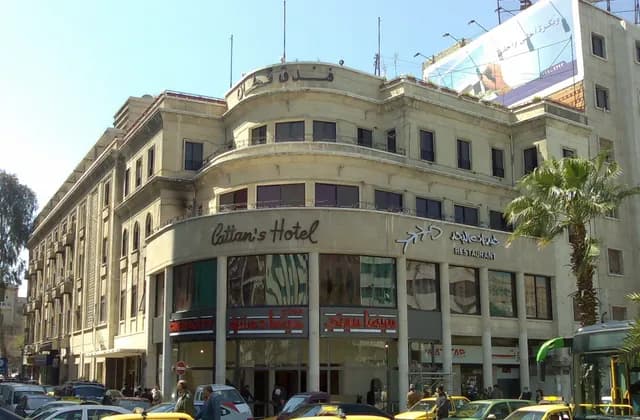
Comparing Neighbourhoods for Everyday Life in Syria
Compare Syrian neighbourhoods through household routines, confirmed entrances, essential services and dated evidence, with genuine Damascus archive photographs.
Read more