Investment Handbook
How to Build a Property Shortlist in Syria
Create a useful property shortlist in Syria with consistent criteria, dated listing records, clear questions and practical next steps for every option.
In this article
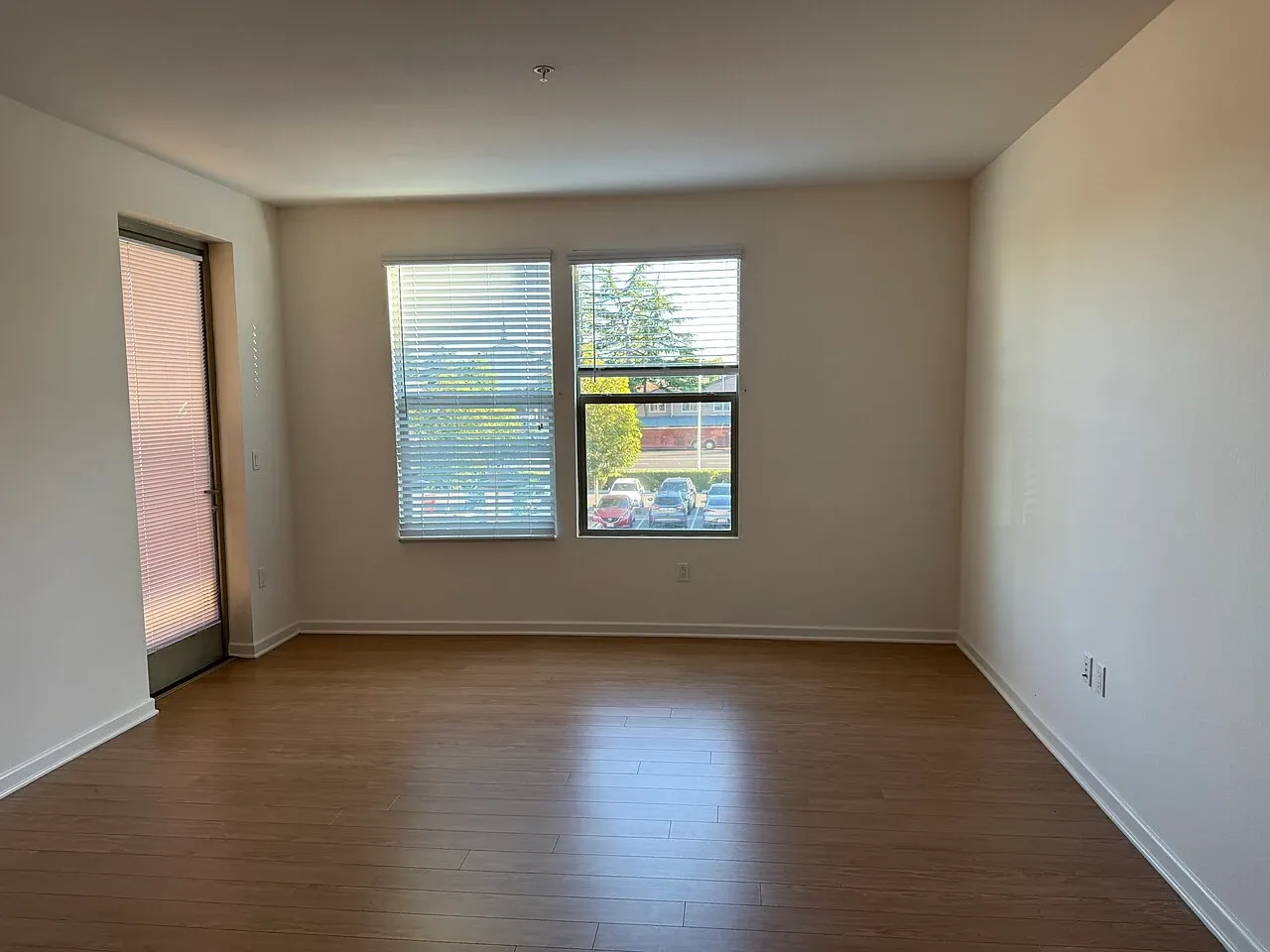

A shortlist should reduce the number of unanswered questions, not simply collect attractive listings. When researching property in Syria, it is easy to save many photographs and still have little basis for comparing the homes behind them. A practical shortlist records why each option deserves further attention, what has been checked and what would make you remove it. Its value comes from consistent criteria rather than the number of properties it contains.
Begin with a written brief covering location, intended use, total budget and essential features. Keep the brief visible while you search. If you change it, record the change before applying it to the next listing. This prevents your criteria drifting each time a new property looks appealing and makes conversations with an agent or representative more productive.
Choose a manageable first group
Start with enough options to see meaningful differences, but few enough that you can investigate each one. There is no universal correct number. A buyer with limited time for viewings may need a smaller active group than someone researching several possible locations. Keep a separate reserve list so that interesting alternatives do not crowd out the properties you are actively reviewing.
Give every entry a stable reference. Save the listing URL, the date you recorded it and the name or role of the source. If a property is advertised in more than one place, keep those references together rather than treating them as separate options. Otherwise, the same home can appear to provide independent evidence about availability or pricing when it does not.
Apply essential requirements first
Use a simple first pass: meets the requirement, does not meet it, or needs confirmation. Apply this to location, property type, budget range and the essential rooms or access arrangements. An unknown answer belongs in the confirmation column. It should not be counted as a positive merely because nothing in the advertisement contradicts it.
Be precise about exclusions. “Too far away” is less useful than “does not meet our requirement to be within the agreed area.” “Too small” needs a connection to the activity the room cannot accommodate. Specific reasons help you recognise when a revised layout or a corrected listing detail might change the decision, and when further investigation would add little value.
Separate facts from presentation
Record the stated area, number of rooms, floor, asking price and location as advertised, with the source and date. Place your impressions in a different column. Good lighting, staging and camera angles can affect an impression without changing a room's dimensions or the obligations attached to a purchase.
Do not use photographs to infer legal rights, structural condition or service reliability. A picture can help you identify questions and plan a viewing. It cannot establish the answer to every question. For the physical condition of a property, the RICS Home Surveys reference illustrates why the scope of a professional assessment needs to be understood separately from a buyer's visual tour.
Give each property a next action
An active shortlist entry should end with a specific next step. You might request a room dimension, clarify the exact location, ask for a dated photograph or arrange a viewing. Where the uncertainty involves ownership, authority to sell or transaction terms, the next step should identify the appropriate professional review instead of leaving a vague note to “check later.”
Assign responsibility and a target date where useful. This does not mean imposing an artificial purchase deadline. It means knowing whether a question is waiting for your reply, a seller's information or an adviser. A shortlist becomes much easier to maintain when a property cannot remain indefinitely in a general “interesting” state without any action attached.
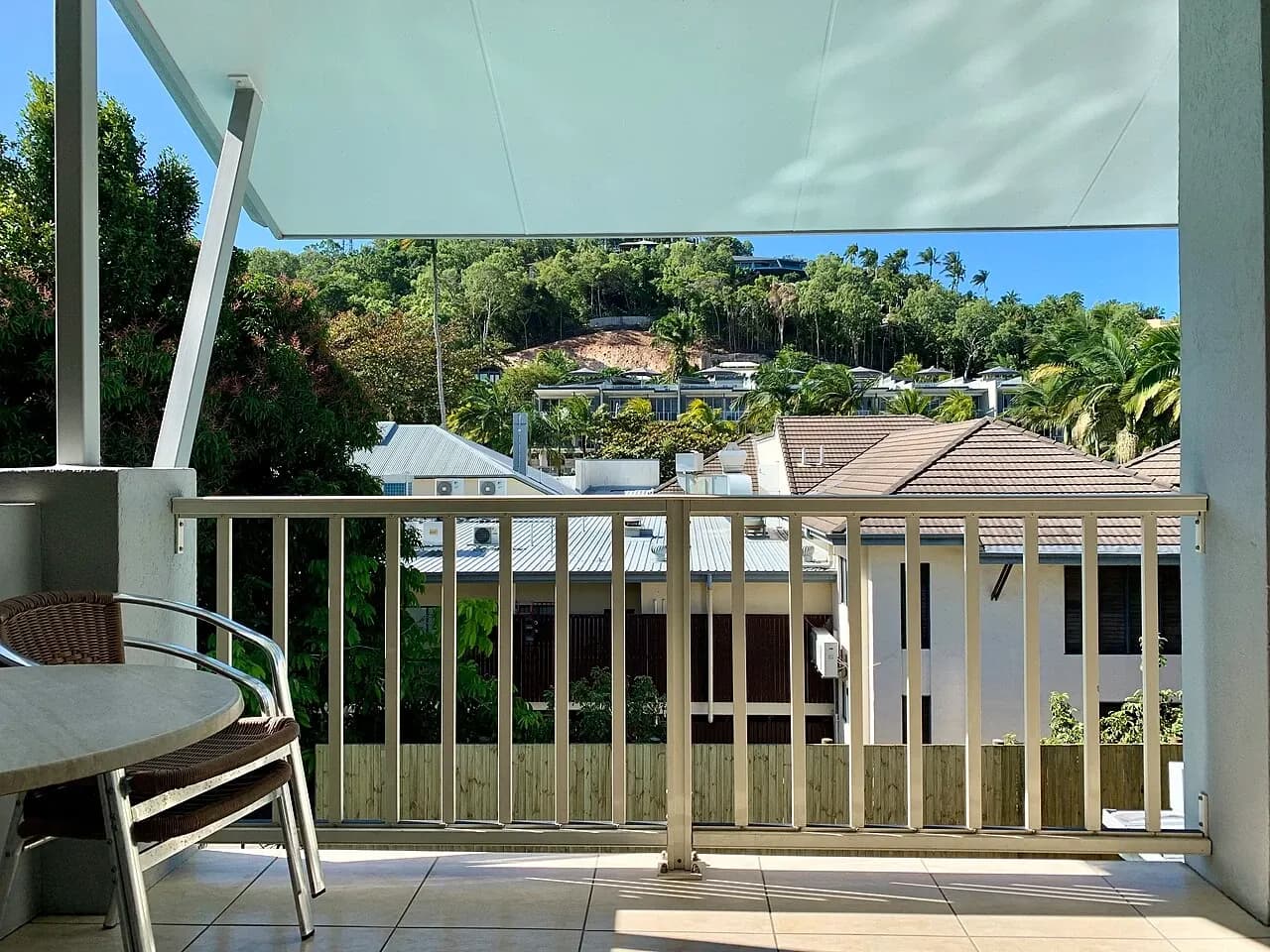

Compare costs on a consistent basis
Preserve the original asking currency and record what the stated price includes. Keep any converted comparison value in a separate column with the exchange rate and date used. Do not overwrite the original amount. The conversion is a working aid, while the currency and terms of an actual payment require their own confirmation.
List known additional work beside the price. One property might need furnishing; another might require an assessment before repair costs can be estimated. Do not insert zero for an unknown cost. Mark it as unresolved so that a cheap-looking entry does not gain an accidental advantage simply because less information has been supplied about it.
Use viewings to update, not defend, the shortlist
After a viewing, return to the original criteria before reading your earlier ranking. Record new observations, questions and documents. If an essential requirement is not met, say so plainly. Time already spent researching a property is not evidence that it remains suitable.
Keep removed entries in an archive with the date and reason. This avoids rediscovering the same rejected listing weeks later and helps identify patterns in the search. If several options fail for the same reason, review whether your original brief is realistic or whether the information you request before viewing needs to improve. Adjust the process rather than repeatedly making the same unnecessary trip.
Review the shortlist with everyone involved
If several people will use or fund the property, ask them to review the same version of the shortlist. Distinguish a disagreement about facts from a disagreement about priorities. A missing measurement can be investigated; a preference for a different neighbourhood requires a discussion about the purpose of the purchase.
Before selecting a preferred option, write a brief summary of why it remains on the list and which material questions are open. A preferred property is still subject to those questions. The shortlist should guide further review, not be treated as permission to skip it. Keep the supporting notes accessible so that advisers can understand how the decision developed.
Move from browsing to a focused enquiry
Return to the Syria property search when you need alternatives, and use the Investment Handbook to organise preparation and viewing work. About Syria provides broader location context. For a specific enquiry, send the property reference, your intended use and the two or three questions that would determine your next step. This gives the conversation a useful starting point without pretending that a listing alone can settle the decision.
Continue your research

Reconciling Conflicting Property Advertisements Before Making an Offer
Compare conflicting property advertisements in Syria: establish the exact asset, preserve original sources and clarify price, scope and current proposal differences.
Read more
Keeping Negotiated Property Offer Changes in One Record
Track changes to a property offer in Syria: keep prices, inclusions, proposed dates and unanswered questions linked to the version your advisers review.
Read moreSources & review
Last reviewed:
PUT YOUR RESEARCH TO WORK
Start with a place.
Explore Syria’s cities and narrow your property search.