Blog
Turning a Property Viewing Into a Clear Decision
Turn a Syrian property viewing into a clear next step using household needs, labelled observations, supported evidence and material questions to resolve.
In this article
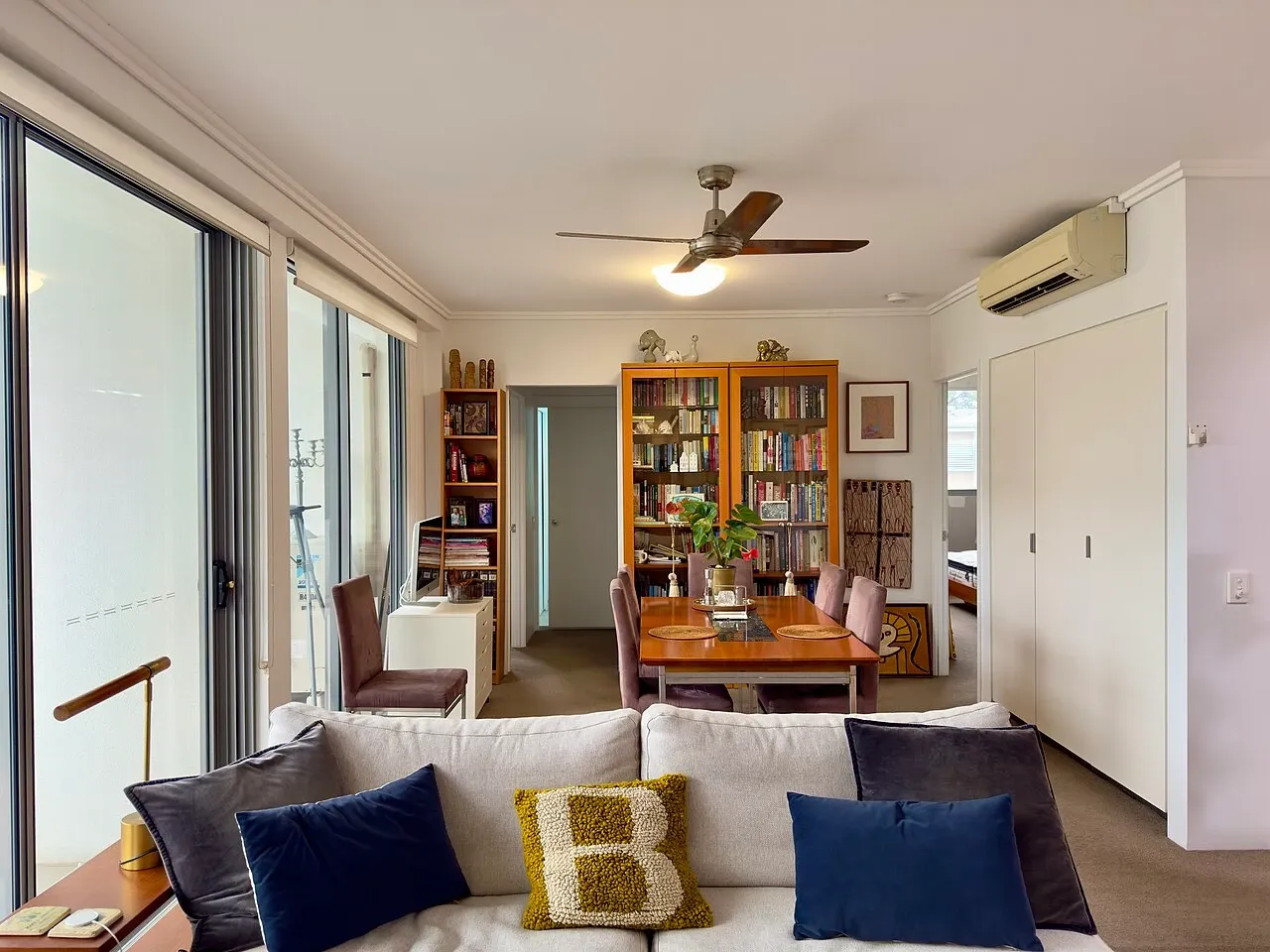

The end of a viewing is often the worst moment to make a final judgement. You have just seen the most memorable features, heard explanations at speed and tried to imagine a future in the home. Before making a commitment during a Syrian property search, give those impressions a more useful form: a record that shows what fits, what is supported and what still needs an answer.
A clear decision does not have to be an immediate yes or no. It may be to request a plan, ask for an independent review, revisit a particular area or stop considering the property. The important thing is to explain why that next step follows from the evidence, rather than from the pressure to finish the search.
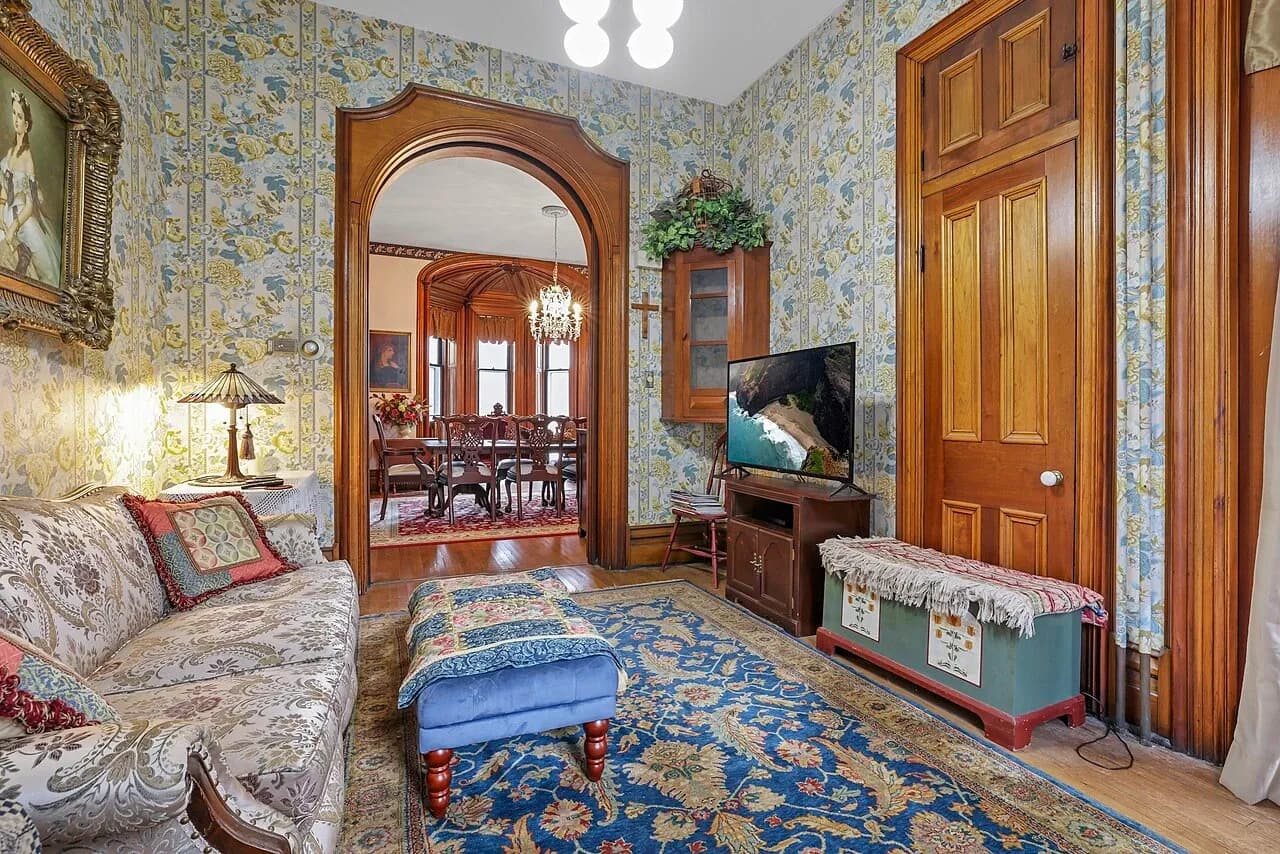
The dining area photographed in Brisbane in June 2025 and the sitting room in the Samuel N. Patterson House photographed in September 2022 show visible room relationships. They illustrate how to turn an attractive view into a question about intended use. They are separate identified interiors outside Syria, not two available Syrian homes or a shortlist reviewed by our team.
Start with the household brief, not the best feature
Bring your original needs back into view. Who would use the home? Which daily routines must it accommodate? Which constraints were essential before you saw the polished kitchen or the balcony? A striking feature can be enjoyable without solving the practical reason you began looking.
Refer to your property brief and choose the needs that deserve a direct comparison. Use plain descriptions such as an appropriate room arrangement, a workable arrival route or enough verified space for particular furniture. Avoid adding attractive details to the essential list merely because this candidate happens to have them.
Be honest when a priority changes. A household can decide that a different arrangement suits it better, but the change should apply to the whole shortlist. Otherwise, you may give one favourite home a different set of rules and mistake that preference for a stronger comparison.
Put facts, claims and impressions in separate sentences
Write down what you observed without upgrading it into a conclusion. “We saw two doors from the hall” is different from “the layout will suit us”. The latter requires dimensions, intended use and an understanding of where the doors lead. Both sentences can belong in the notes, provided their different roles are clear.
When information came from the person showing the home, identify that source. If someone said a parking place was included, record the statement and the question about the arrangement. Do not move it into a list of established rights. The same care applies to floor areas, service descriptions and claims about planned work.
Keep subjective reactions too. You may dislike a layout even if its dimensions work on paper. A family member may value a room that another person considers unnecessary. Describing the reason makes those reactions discussable; treating them as measurements creates confusion.
Date the record and retain the property reference. A detailed note with an uncertain address is less useful than a short, accurate note attached to the correct candidate. Label photographs with permission and avoid collecting neighbours' or occupants' personal information merely to make the folder look thorough.

Decide which unknowns matter enough to change the outcome
Not every unanswered question deserves equal attention. An unresolved point about a cosmetic choice may be manageable, while uncertainty about the exact unit, authority to act or an essential household need can prevent a sensible next step. Explain what each answer would change.
For each material question, identify the suitable source of evidence. A plan or appropriate measurement may clarify space. An independent property lawyer may be needed for document and representation questions. A qualified specialist may need to assess an observed physical concern. A viewing record should make these enquiries easier to brief, not pretend to complete them.
Use the practical viewing checklist to check for omissions. Keep the outcome more focused than the checklist: which missing answers are necessary before this particular household can sensibly proceed?
RICS describes its UK home-survey services in terms of a professional inspection and written report in its consumer guide. That context supports asking what a professional assignment covers; it does not establish a Syrian standard or show that an ordinary viewing provides the same assessment.
Compare the shortlist without creating false precision
A numerical score can hide weak evidence. Giving a home nine out of ten for access is unhelpful if nobody has checked the entrance route. Instead, compare each candidate using the same questions and mark where the answer is supported, uncertain or unsuitable for your needs.
Consider a fictional shortlist with two homes. One has the preferred room arrangement but an unexplored shared entrance. The other has a clearer arrival route but uncertain bedroom dimensions. Adding points may produce a winner, yet the useful result is two different enquiries. A plan for the second home and an agreed access review for the first could materially change the comparison.
Keep the evidence attached to the judgement. “Better fit for our current brief, subject to the missing measurements” is more informative than “best apartment”. It tells the next reader both what you prefer and what could change your view.
If quoted costs are involved, retain their dates, currencies, inclusions and uncertainties. Do not treat a preferred layout as proof that proposed work is affordable. A separate budget review is needed before using a work plan to rescue a home that does not currently fit.
Choose a next step that matches the evidence
Write a short outcome in ordinary language. You might continue the enquiry because the recorded layout meets the brief, while requesting an independent document review. You might revisit because one essential room remains unclear. Or you might remove the property because the verified arrangement does not suit the household.
Give any continuing enquiry a clear task and a person responsible. Retain the answer when it arrives and update the reason for the decision. A request without a purpose can lead to more photographs and messages while leaving the central uncertainty untouched.
Use the shortlist guide to keep the alternatives visible. You do not need to dismiss every other candidate because one viewing felt promising. Nor do you need to continue investigating a home solely because someone has spent time showing it.
Finish with a statement your household can understand a week later: what you considered, which evidence mattered and what remains unresolved. That is a stronger outcome than a hurried promise at the doorway. It gives a subsequent viewing, professional review or decision to stop a clear reason to exist.
Continue your research

Comparing Property Marketing Proposals Before Selling
Compare property marketing proposals by checking listing preparation, advertising placements, enquiry handling, viewing attendance and the work left to you.
Read more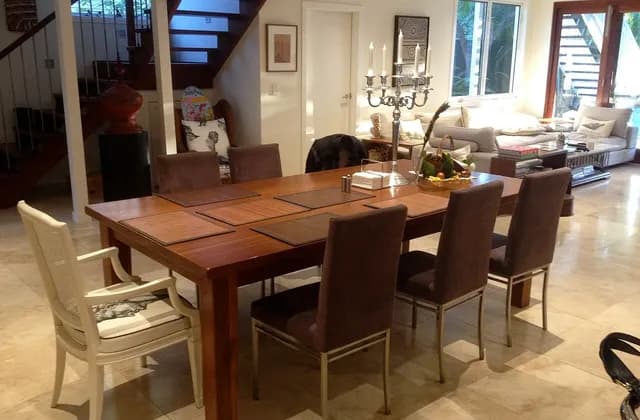
Comparing Cleaning Quotes Before a Property Handover
Compare cleaning quotes before a property handover by checking rooms, cupboard interiors, furniture, preparation, timing and the tasks included in each offer.
Read moreSources & review
Last reviewed:
PUT YOUR RESEARCH TO WORK
Start with a place.
Explore Syria’s cities and narrow your property search.