Investment Handbook
Keeping Property Viewing Feedback Useful When Selling
Organise property viewing feedback in Syria by visit, source and unresolved question, then track clear follow-up without treating comments as market evidence.
In this article
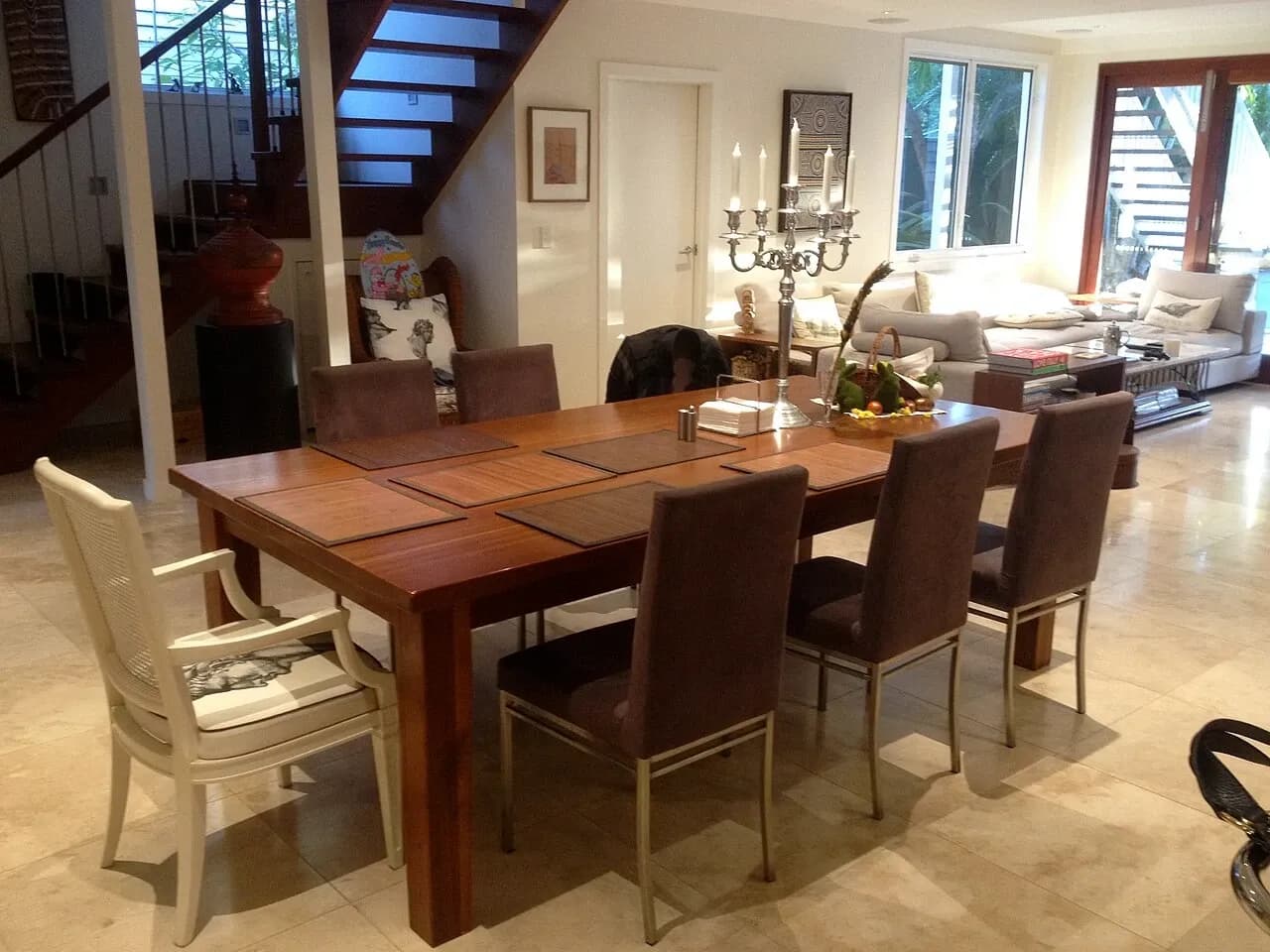

When you are selling a property in Syria, comments after viewings can point to unanswered questions, misleading presentation or a mismatch with a particular household. Their usefulness depends on knowing which visit produced them and what the person actually meant. Keep a short feedback record that connects each comment to the viewing, preserves its source and identifies a proportionate next action. A collection of positive and negative reactions alone cannot establish a market value or predict when the home will sell.
The aim is to improve the information available for the sale. You do not need to persuade every visitor that the property suits them, or turn their personal circumstances into a detailed profile. Ask for comments through an agreed contact, record only what helps explain the property question, and keep an unanswered request visibly unanswered.
Connect each response to the visit that produced it
Give the viewing a reference and record its date, whether it was an initial or repeat visit, and who conducted it. Note which rooms or shared spaces were actually seen. A visitor who could not enter the kitchen has a different information gap from someone who inspected it and disliked its arrangement. A remote viewing should be identified separately because the person encountered a camera route rather than the whole physical space.
Link the visit to the listing version and inclusion description available at that time. If a visitor expected a furnished apartment because an earlier photograph showed a full dining set, the comment belongs with that version. Updating the photograph later does not change what the visitor originally saw. Keep the old reference while recording when the corrected material became available.
Record when feedback arrived as well as when the visit happened. A message sent several days later may include a new question or comparison that was not raised inside the home. Preserve that distinction instead of rewriting the viewing note as though everything was said on the day. Use a limited internal contact reference where possible, with personal contact information held separately from the working summary.
Preserve the meaning before shortening the message
Distinguish a visitor's own words from a host's interpretation. If the host reports that a room felt small, ask whether that was the visitor's comment, a summary of a longer explanation or the host's inference from their reaction. Do not put quotation marks around a paraphrase. Retain enough of the original response to check the summary without circulating an entire private conversation.
Rightmove's seller guidance on handling viewings describes an agent gathering feedback after a visit. Its separate buyer viewing guide describes feedback being summarised back to the seller. Those UK examples provide context for recognising an intermediary in the message chain; they do not establish that a particular Syrian service is available or that a representative has authority to negotiate.
Use a narrow follow-up when the meaning matters. For a comment about insufficient dining space, ask whether the concern was the table position, the route past it or the visitor's own furniture. An answer can identify a useful clarification. It cannot certify room dimensions, structural suitability or a right to alter the layout. Record a declined or missing response without filling the gap with the seller's preferred explanation.


Count visits and responses without inventing a consensus
Keep the number of appointments separate from the number of distinct parties responding. One household may visit twice and discuss the property through two contacts. Four messages from that household are not four independent objections. Mark repeat visits and forwarded responses so a later summary does not make a small group look like a broad sample of demand.
Also distinguish visits that happened from cancelled appointments, unanswered enquiries and online interest. A person who never viewed may have a useful question about the advertisement, but that is not an observation from inside the property. A missed appointment without an explanation does not establish that the price, location or condition caused the cancellation.
Describe the limits alongside any count. For example, a hypothetical record might contain six completed appointments involving four distinct parties, with comments received from only two. Reporting that both responding parties queried storage is accurate within that small record. Saying that all buyers reject the storage would erase the nonresponses and claim far more than the evidence supports. The count helps organise follow-up; it is not a valuation method or a statistically representative survey.
Give each issue an action that answers it
A request for information can often be addressed before deciding whether to change the home. If several visitors cannot understand how the dining area connects to the sitting room, review whether the approved photographs explain that route. The guide to briefing a property photographer can help define a truthful additional image. Rearranging a photograph to conceal an obstruction would leave the underlying question unresolved.
Keep a physical observation separate from the visitor's explanation of its cause. A reported stain can prompt an appropriate condition enquiry; the visitor's guess about a leak is not a professional diagnosis. Assign the enquiry to someone able to investigate it, and record the resulting evidence separately from the initial remark. Do not promise that a problem has been corrected before the relevant work and checks support that statement.
Preferences may require no property change. A household needing another enclosed room may simply find the layout unsuitable. Record the mismatch without deciding to remodel from one conversation. If a response includes an actual purchase proposal, move its amount, conditions and timing into the resale offer comparison. Keep a link between the records, but do not treat a casual price comment as a complete offer or consent to revised terms.
Review what changed and what still needs an answer
At a planned review point, assemble the unresolved questions, the actions taken and the evidence received. Name the person handling each outstanding reply and distinguish an intended action from a completed one. A photograph requested from the owner is still pending until an appropriate image is supplied and checked. A message delivered to a viewer is not proof that they understood or accepted its contents.
For a hypothetical dining-space enquiry, the owner might supply a dated room sketch with its measurement basis and a clearer photograph. Record which later viewers received that material. If the same question continues, examine whether the explanation addresses it. If nobody repeats it, retain the limited conclusion that no further such comment was recorded; do not claim that the change increased value or secured a buyer.
Finish the review with a short decision note: which description needs correction, which concern needs independent assessment, which preference requires no action, and which proposal needs the seller's advisers. Preserve the earlier notes so future decisions can be traced. Useful viewing feedback should make the next conversation more precise while leaving uncertain condition, legal rights, price and buyer intentions open until appropriate evidence resolves them.
Continue your research

Preparing Limited Property Document Copies for Sharing
Prepare clearly labelled property document copies in Syria for a defined recipient and purpose, preserving originals and checking exported files and later versions.
Read more
Organising a Property Sale When Several Owners Are Involved
Organise a shared property sale in Syria: keep claimed roles, practical priorities, document responsibilities and open decisions clear for professional review.
Read moreSources & review
Last reviewed:
PUT YOUR RESEARCH TO WORK
Start with a place.
Explore Syria’s cities and narrow your property search.