Blog
Comparing Window Privacy During a Property Viewing
Compare window privacy during a property viewing by checking room positions, curtains, blinds, daytime and evening conditions, and what the sale includes.
In this article
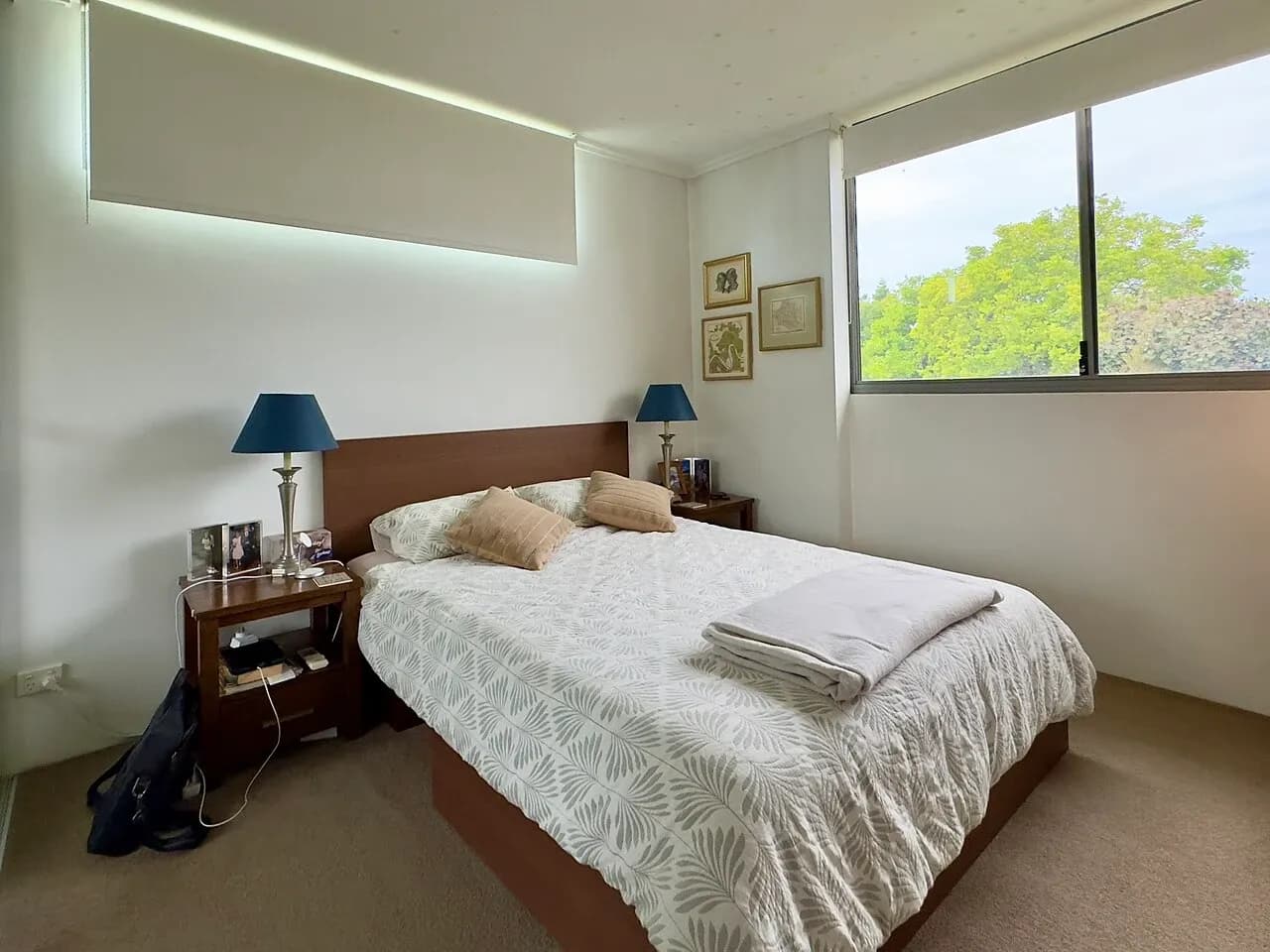

A window can give a room an attractive outlook while leaving you unsure how comfortable you would feel using that room with the covering open. During a property viewing in Syria, compare privacy around the activities you expect to carry out: sitting at a desk, resting beside a window or getting dressed in a bedroom. The useful question is which parts of your intended arrangement appear exposed, under which conditions, and what you would need to confirm before relying on a proposed solution.
Begin with the present windows and coverings. A seller's description of an apartment as private, a high floor number or a photograph with curtains closed does not answer the question for every room. This is an ordinary viewing exercise about personal preferences and visible relationships. It does not establish neighbours' behaviour, legal rights, security performance or the suitability of a window alteration.
Identify the room position that matters
Stand in the room where you would normally spend time, rather than looking out only from directly against the glass. If a chair is available and the host agrees, consider the outlook from that seated position too. A window visible from the doorway may relate differently to a bed or desk elsewhere in the room. Note the proposed furniture position when the room is empty so the comparison does not depend on an imaginary arrangement that later proves impossible.
Describe the surroundings in simple terms: an opposite window, an adjacent balcony, a shared approach or a more distant building. Record which part of your room you are concerned about and why. Do not turn the presence of another opening into a claim that somebody watches the property. Equally, an unoccupied balcony during a short visit does not settle how exposed the room might feel during daily use.
Stay within the areas you have permission to visit. Do not lean out, enter another property or point a camera into neighbours' rooms to investigate a sightline. Where an inward view cannot be checked appropriately, mark it as unconfirmed. You can still make a useful comparison by identifying the exact relationship that concerns you and asking whether another permitted observation is possible.
Compare the covering positions you would actually use
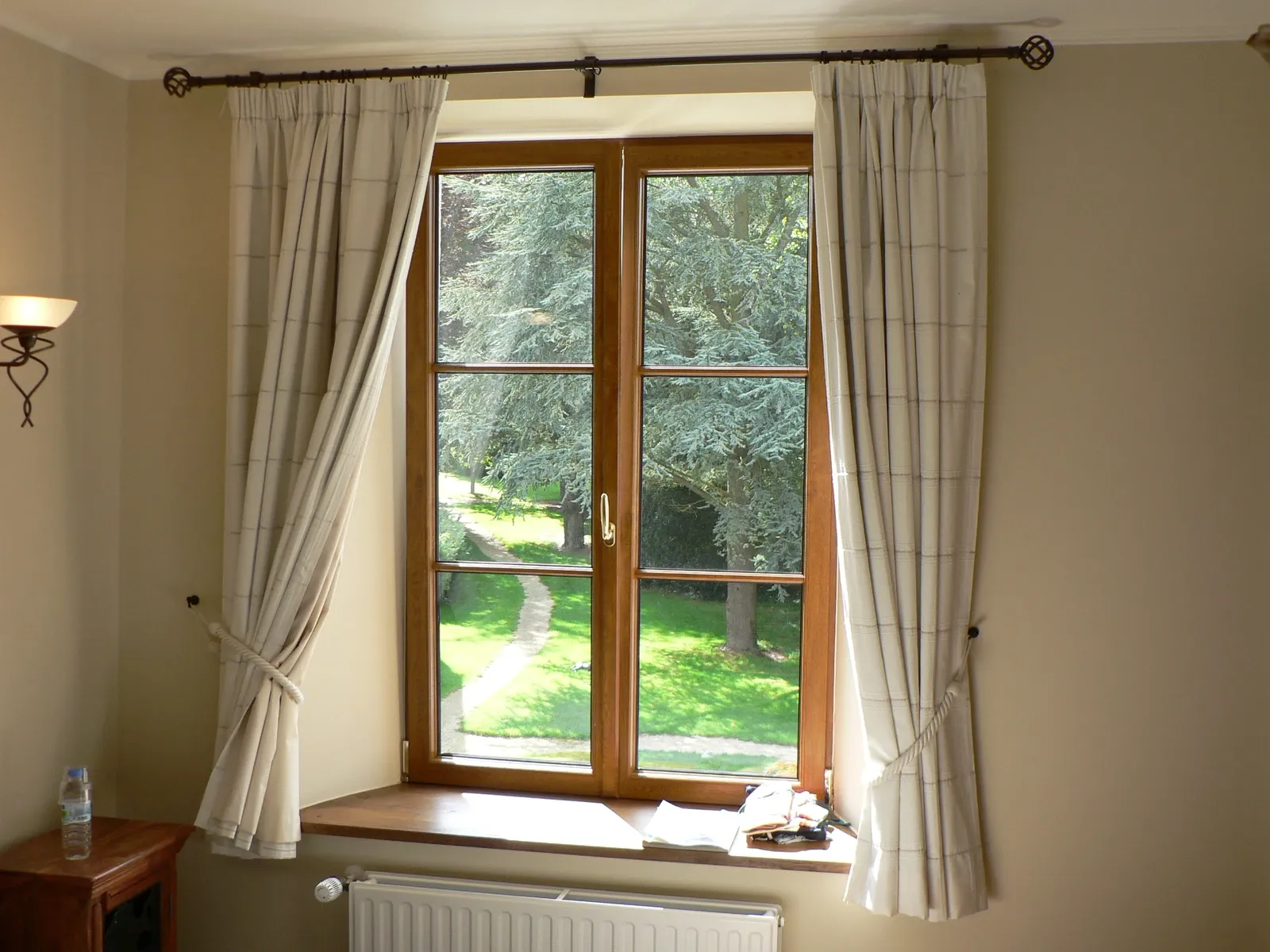
Ask the host to demonstrate the existing curtain or blind if its operation is unfamiliar. Look at the room with the covering open and in the position you would choose for your routine. Describe what changes: a lower section may be covered while an upper section remains open, or a curtain may need to close across the whole opening. Check each window separately when a room has more than one, because closing one covering does not describe the others.
The aim is to understand the compromise you would live with. If your preferred privacy arrangement closes the outlook while you work, would that still suit the room? If you prefer a partly open blind, is the relevant part of the room still exposed from an angle that concerns you? Keep these as property-specific observations. Colour, fabric thickness and labels in an advertisement are not a demonstrated privacy rating.
The John Lewis blind guide describes adjustable slats and layered fabrics as different ways of controlling light and openness. That retail context supports asking what the particular covering can do; it does not recommend a product for this home or establish availability in Syria. For the wider light question, use our guide to what property photographs do not show about natural light.

Keep daytime and evening questions separate
Record the lighting conditions of your observation. A daytime appointment does not demonstrate the view into a lit room after dark. For example, IKEA's description of a sheer curtain distinguishes daytime silhouettes from visibility into an illuminated room at night. This is a limitation stated for that product, not evidence about the fabric fitted in the property you are viewing.
If evening privacy is essential, request an appropriate follow-up that addresses that specific concern. Agree the room, covering position and lighting to be considered, while respecting occupants and access arrangements. When a second visit cannot be arranged, leave the evening result unknown. An assurance that the curtains are usually adequate is an attributed opinion until you understand the conditions behind it.
A photograph supplied afterward needs the same context. Ask which window it shows, where the camera was and when the image was made. Camera exposure can affect the appearance, so avoid treating a bright or dark screen image as a measurement of visibility. There is no need to collect pictures of other residents or their belongings to explain your own room-use question.
Separate existing coverings from proposed changes
Ask which curtains, blinds, poles, tracks and controls are included in the proposed sale. A covering demonstrated during a viewing may belong to the current occupant or be intended for removal. Identify the relevant window rather than accepting a general answer about the apartment. Our guide to recording fixtures and contents explains how to carry those answers into the wider contents record.
Treat a suggestion to add a blind, film or screen as a separate proposal. Its dimensions, fixing arrangement, operation and effect on the room still need review. Do not assume an accessory will provide the privacy you want, be available at a particular price or be permitted simply because another apartment has something similar. If the purchase depends on a change, identify the relevant advice and information needed before treating the room as suitable.
Compare two rooms with the same routine
Consider a hypothetical buyer who wants a bedroom desk for afternoon work and privacy when dressing in the evening. In Room A, the proposed desk sits beside a large window facing a shared approach; the demonstrated curtain closes across the full opening. In Room B, the desk could sit farther from a smaller window, but the fitted blind's evening effect has not been checked. Neither room earns an automatic privacy score from its window size.
The buyer's next questions differ. Room A needs a decision about working with the curtain closed and confirmation that it remains with the sale. Room B needs confirmation that the proposed desk arrangement fits and an appropriate evening observation. Moving the desk is only a useful alternative if the rest of the room still works for the household.
Keep a short comparison for each important window: intended activity, room position, visible external relationship, covering position, lighting, observed result and unresolved question. A room you would use comfortably as presented may suit you better than one dependent on an unassessed change. The decision should reflect your actual privacy needs and the evidence gathered, with unanswered conditions still visible.
Continue your research
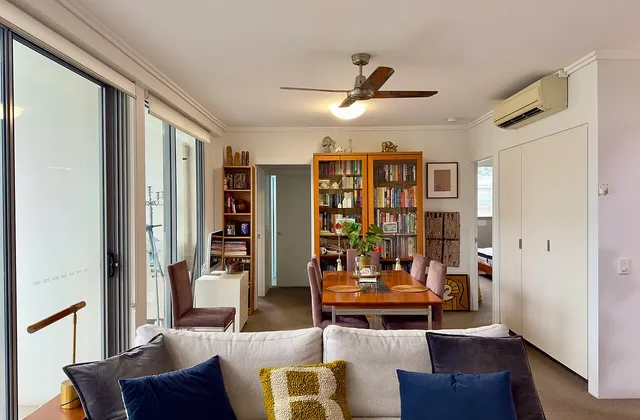
Comparing Dining Space During a Property Viewing
Compare dining space during a property viewing by checking occupied chairs, doors, storage and serving routes for everyday meals and occasional guests.
Read more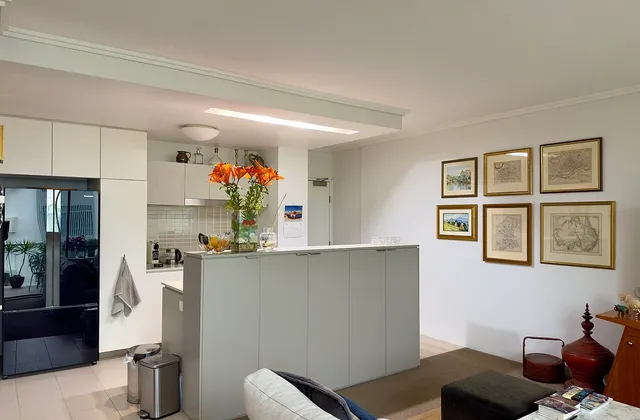
Comparing Kitchen Worktop Space During a Property Viewing
Compare kitchen worktop space during a property viewing: measure usable stretches, allow for everyday objects and check preparation and serving at busy times.
Read moreSources & review
Last reviewed:
PUT YOUR RESEARCH TO WORK
Start with a place.
Explore Syria’s cities and narrow your property search.