Investment Handbook
Buying an Apartment in Syria: From Shortlist to Handover
Assess an apartment in Syria through its layout, shared building, documents, ownership questions, purchase budget and a carefully documented handover.
In this article
Buying an apartment in Syria means buying into a building as well as choosing a private home. The apartment’s rooms may suit you perfectly while its entrance, stairs, shared equipment, maintenance arrangements or unresolved ownership questions create a different experience. A useful purchase review therefore travels from the building’s approach to the smallest room and then back to the documents describing what you are offered. You need to understand the space, the rights, the practical responsibilities and the cash required to make the apartment usable.
This guide is for buyers comparing apartments for their own occupation, occasional use or a rental plan. It focuses on the decisions specific to a unit within a larger building. It does not announce current Syrian prices, certify an apartment’s condition or describe a universal legal transfer procedure. Those matters need current evidence for the particular property and advice from an independent Syrian property lawyer and appropriately qualified technical specialists. The examples are fictional comparisons designed to make the reasoning easier to use.
Do not begin by asking which apartment is best in the abstract. Ask which unit can serve your household or investment purpose at a total cost and level of uncertainty you can accept. A high floor, a recently fitted kitchen or a large advertised area can be an advantage for one buyer and a difficulty for another. A disciplined comparison lets you discover those differences before choosing a favourite, paying a reservation or treating a seller’s description as a complete specification.
Decide what the apartment must accommodate
Draw an ordinary day through the proposed home. Someone gets ready for work while another person prepares breakfast. Children need sleeping and study space. A visitor may stay overnight. Laundry needs somewhere to wash, dry and wait for storage. These routines reveal more than an advertised bedroom count. A room that can hold a bed may not also accommodate a wardrobe, desk and clear route to the door. Think about the furniture and activities together rather than checking each feature separately.
Consider privacy between rooms. Where do bedroom doors open? Can guests reach a bathroom without crossing private sleeping space? Does a person working remotely need to close a door, or would they occupy the only dining surface? A generous living room cannot automatically compensate for a narrow secondary bedroom if that bedroom is essential to your household. Measure the spaces on which your decision depends, with permission, and note who supplied any dimensions you have not checked yourself.
Write down future requirements that are reasonably foreseeable. You might need a room that changes between guest accommodation and work, a simpler route for someone with mobility needs, or storage for equipment used only occasionally. Keep this practical rather than trying to predict every possible life change. The purpose is to avoid an apartment that already needs compromises you know you cannot sustain. Published guidance on reading an apartment layout can support the room-by-room preparation.
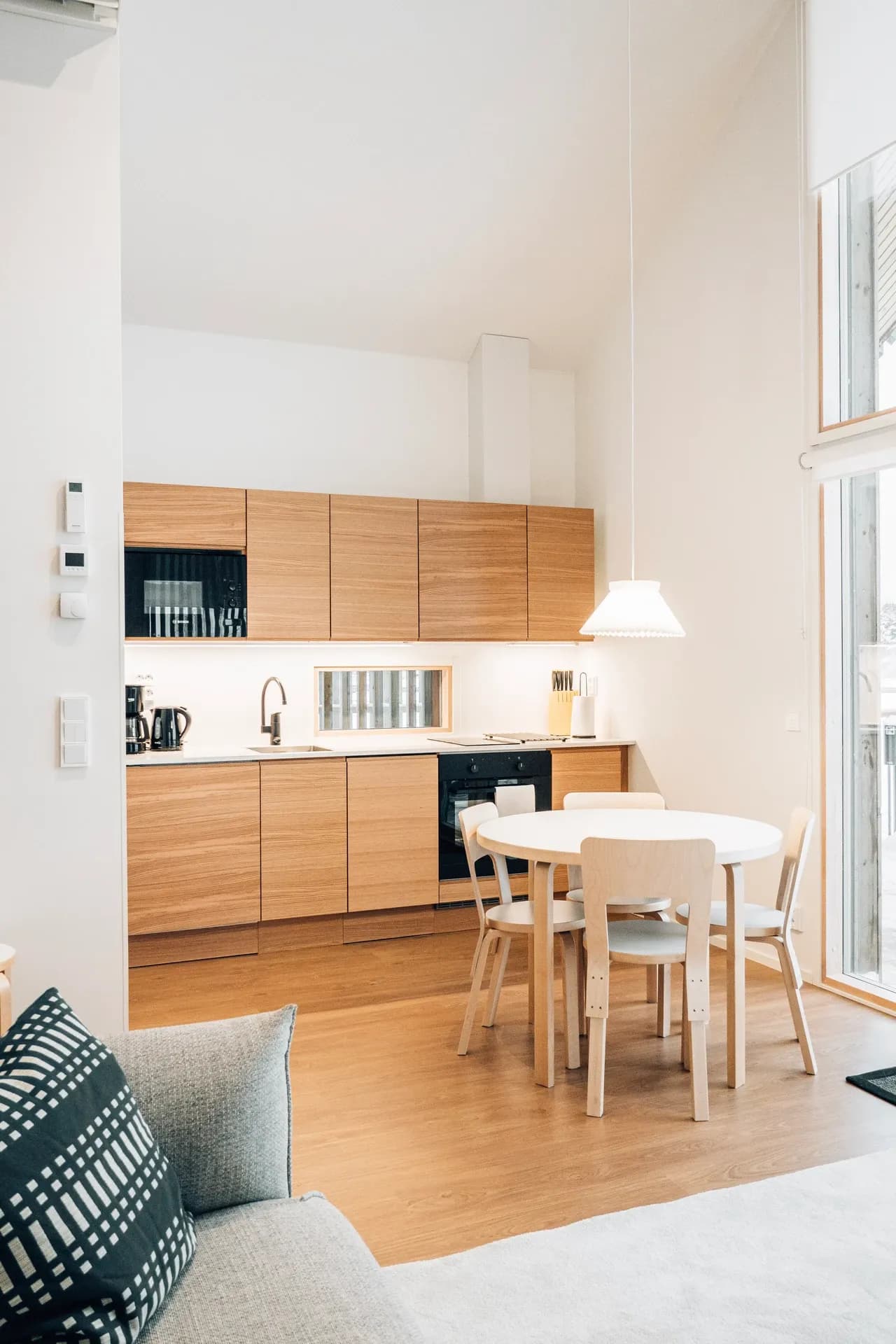

Compare usable space rather than the largest number
Ask what the advertised area includes. A listing might count space differently from your own expectations, especially where balconies, circulation, stores or shared elements are involved. Record the basis if it is supplied and treat an unexplained figure as unverified. Do not calculate an apparently precise price per square metre from two inconsistent area figures. A ratio can look analytical while concealing the fact that its denominator does not describe the same kind of space across the apartments being compared.
Look at shape as well as size. Long corridors, structural columns and awkward door positions may restrict furniture arrangements. A rectangular bedroom can sometimes work better than a larger room with several interruptions, but that depends on the actual furniture and circulation you require. Make a simple scaled sketch where measurements are available. Test the bed, wardrobe, desk and door opening together. Leave enough room for their intended use instead of drawing them as objects that merely fit inside the outline.
Keep external or secondary areas separate in the comparison. A balcony may offer valuable everyday space, but its enclosure, use or inclusion in the proposed rights requires clarification. A store might be reached through a shared route or located somewhere different from the apartment. A parking space might be specifically identified, shared or only informally used. Ask the lawyer to establish how each claimed extra relates to the unit. Count its practical usefulness only after understanding what is actually being offered.
Walk the entire arrival route
Start outside the private door. Observe how a resident enters the building, carries shopping, receives deliveries and moves to the apartment. Note steps, narrow turns, gates and doors that require help to open. Where parking matters, assess the proposed parking arrangement and the route from it rather than assuming a nearby open space belongs to the unit. A convenient entrance on a quiet visit may operate differently during ordinary arrivals, rubbish collection or periods when several households use the same route.
An apartment on a higher floor depends on more than its view. If a lift is important, ask who controls its use, what maintenance information is available and what happens when it cannot be used. Your own visit establishes only what you observed at that time. It does not certify reliable operation, safety or future servicing. Someone whose daily access depends on a lift should evaluate the consequences of an interruption before assuming that the presence of lift doors solves their mobility requirements.
Where household access needs are specific, involve the person concerned in the comparison and seek competent assessment when needed. Record the route and the difficulty rather than awarding a generic accessibility score. A step, threshold or handrail can affect different people differently. Do not assume that a photograph, a building age or an apparently wide corridor establishes suitability. The guide to household mobility requirements explains how to prepare a person-specific brief without claiming certification.
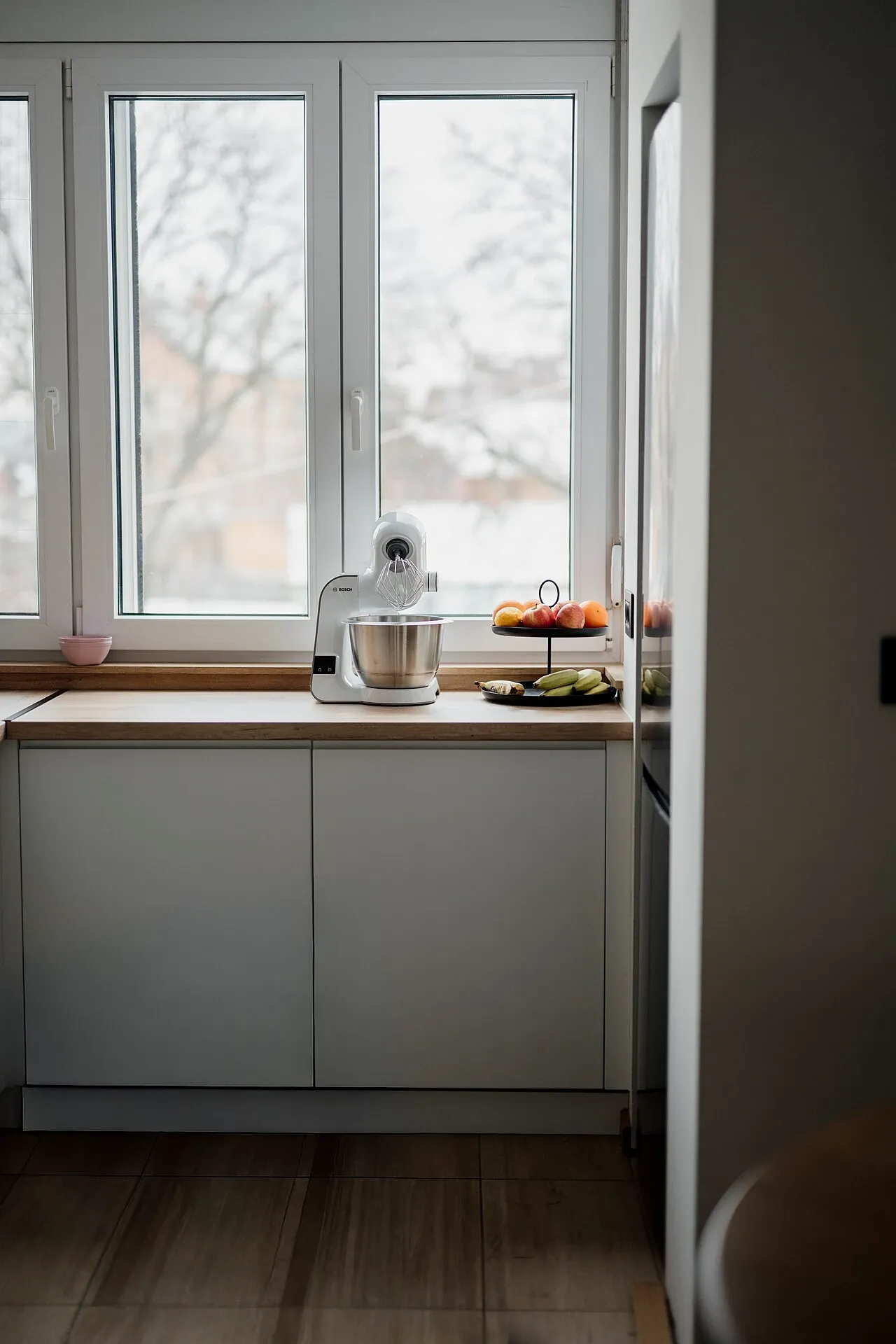

Understand the shared building before judging the unit
Common areas can affect the apartment’s comfort, condition and future costs. With appropriate access, observe the entrance, stairs, corridors, roof or basement areas relevant to the unit. Ask which spaces residents share and who arranges work there. A clean private interior does not explain how a roof concern, shared pipe or entrance repair would be handled. Conversely, a tired decorative finish in a corridor does not by itself establish a serious technical problem. Keep observation and interpretation separate.
Ask for whatever records exist concerning shared expenses and completed work. The useful question is not simply whether the building is well managed. It is how a decision is made, how residents are informed, how a contractor is appointed and how payment responsibilities are established. Your lawyer should review relevant legal or contractual arrangements. Conversations with residents can add practical context, but they should not be treated as a binding explanation of another person’s obligations or as proof that every resident agrees.
Consider a fictional comparison. Apartment A has a recently decorated kitchen but an unanswered question about a recurring shared leak. Apartment B has older cupboards and a documented recent assessment of the relevant pipework. You cannot conclude that B is technically better without examining the evidence, but you can recognise that the comparisons are at different stages of investigation. A’s decorative appeal should not erase the shared-system question. The unresolved issue belongs in the offer and budget decision rather than in a forgotten viewing note.
Check light, privacy and openings in ordinary use
Visit conditions matter. Note the time, weather, curtains, artificial lighting and which windows could be opened with permission. A bright photograph may have been taken under conditions different from your visit or processed in a way that changes its appearance. Look at the room’s relationship to neighbouring openings and shared circulation. Ask how you would use curtains or blinds during an ordinary day. A home that feels open only when privacy is sacrificed may not fit your intended routine.
Pay attention to windows as physical elements without diagnosing their performance yourself. Observe visible damage, operation where permitted, surrounding stains and any areas that could not be examined. Record unusual sounds or draughts as observations under the visit’s conditions. Do not infer acoustic insulation, energy performance or watertightness from the frame’s appearance. If one of these qualities is important to your purchase, ask an appropriately qualified person what evidence and assessment would be needed to answer the question reliably.
Think about the apartment with your furniture in place. A sofa, wardrobe or bed can block an opening that appeared convenient in an empty room. A drying rack may occupy the brightest place in the home. Window maintenance or cleaning may also depend on access that is not obvious during a viewing. These practical questions do not require you to predict technical performance. They help you notice which apparently attractive features remain useful after the room is occupied by your household’s actual possessions.


Ask about services at the apartment, not just the building
Find out which equipment and arrangements serve the exact unit. Ask about the water source and storage arrangement, the electricity account and meter identification, and any internet connection you intend to rely on. A building may contain visible infrastructure without every apartment having the same service or entitlement. A neighbour’s experience is useful context, but it is not confirmation of your own proposed connection. Record the source and date of every answer so the adviser or provider can verify the relevant detail.
Do not undertake unsafe or intrusive tests during a viewing. Ask for permission and leave specialist examinations to competent people. If equipment cannot be demonstrated, keep that fact visible. A switch, pipe, cable or appliance shown in photographs does not establish operation or safe installation. Where continued service is essential, ask what a qualified person or the relevant provider can verify before commitment and what matters would remain dependent on a later account or installation process.
For internet, ask whether the proposed apartment has an existing connection, what equipment belongs to whom and what the provider can confirm for the actual address. For water and electricity, distinguish a resident’s account history from the legal and practical arrangements for a new owner. Do not assume that a final meter reading settles every balance or changes an account. The purchase file should explain who will seek each confirmation and what evidence is needed, rather than recording utilities available as a single unchecked line.
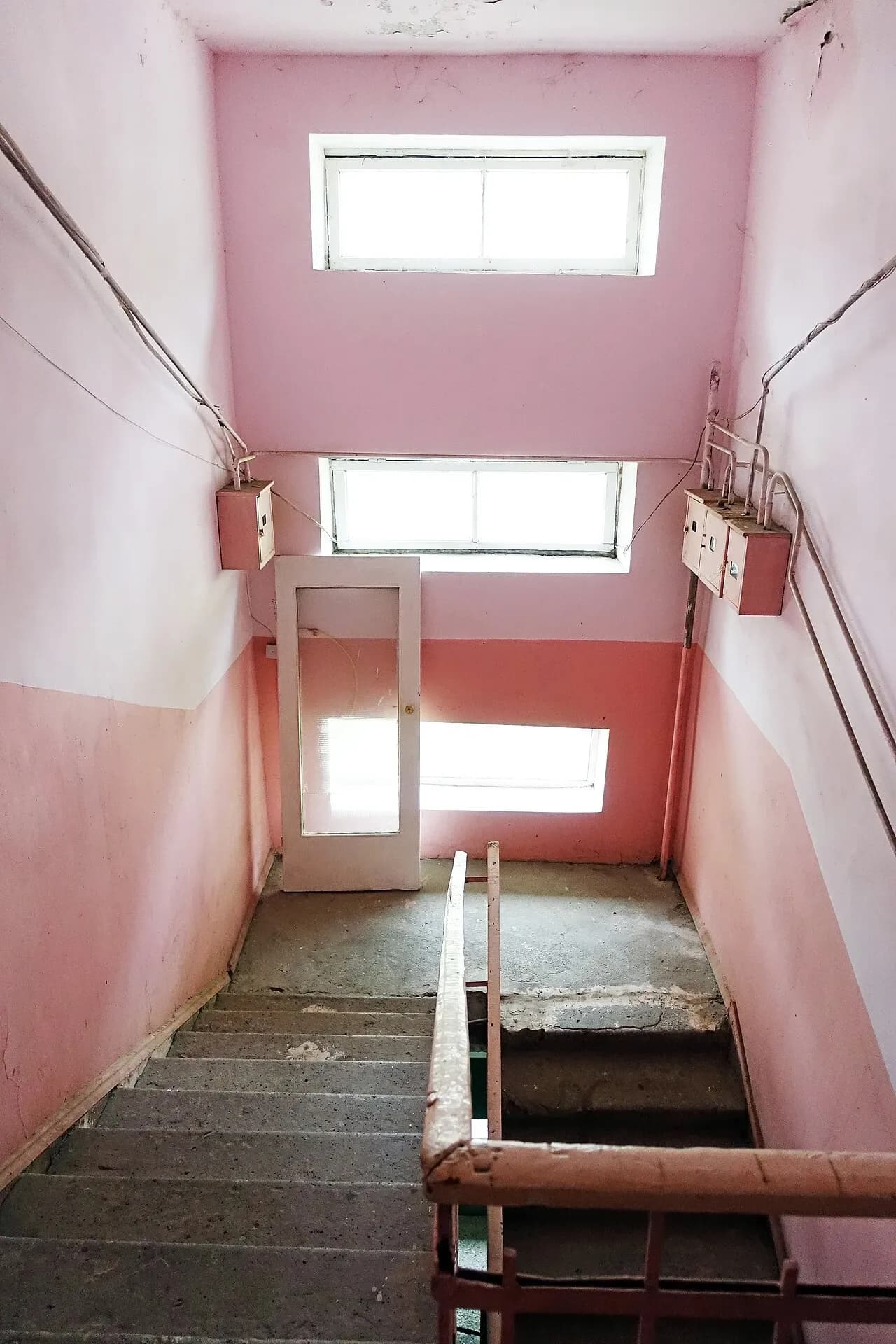

Commission a condition review suited to the building
Tell the technical adviser that you are buying a unit within a shared building. Ask whether the proposed inspection includes common elements relevant to it, what access must be arranged and which concerns need separate specialist work. A report limited to the apartment’s visible interior may leave important questions about the roof, structure, external walls or shared services unanswered. Understand that scope before treating the report as a review of the entire building. More pages do not necessarily mean broader inspection.
The RICS public survey overview explains inspection and further-investigation limits within UK practice. It is background for commissioning a defined service, not a prescription of UK survey categories or fees in Syria. Your adviser needs relevant competence for the asset and your question. Ask for a clear account of what was examined, what was inaccessible and which conclusions depend on information supplied by other people rather than direct observation.
Read the result with a decision in mind. If the report identifies a concern, find out whether it requires urgent action, further investigation or planned maintenance. Ask who could prepare a reliable scope and estimate for the recommended work. A broad description of a defect is not automatically a fixed repair price. Make sure the purchase budget reflects investigation costs, access dependencies and the possibility that opening up an area could reveal work not visible during a non-intrusive inspection.
Review the apartment’s identity and ownership evidence
Provide the lawyer with the unit description, building reference, seller’s details and every space said to be included. Ask them to explain how the supplied records identify the proposed asset and what current checks apply. Differences in names, areas, unit numbering or the physical layout should be investigated rather than rationalised by the buyer. Where a representative, inherited interest or shared ownership is involved, the lawyer must identify the authority and participation needed for the particular proposal.
A building’s familiar name is not a complete answer to the apartment’s legal identity. Nor does a photograph of a document establish authenticity, current status or the absence of other interests. Record who provided each document and when, preserve the original file and ask the adviser how appropriate verification can be obtained. Do not describe a listing as legally cleared because it mentions ownership papers. That phrase would suggest a completed professional conclusion when you may only have received an image for preliminary review.
UNHCR’s Syria programme information provides limited context about property documentation. It does not approve private apartment transactions. Keep general information, your lawyer’s advice and seller-supplied evidence separate. That distinction becomes especially important if someone offers a simple explanation for a complicated ownership arrangement. Ask what right the buyer would obtain, how that right would be established and what would remain unresolved after the proposed payments or signatures.
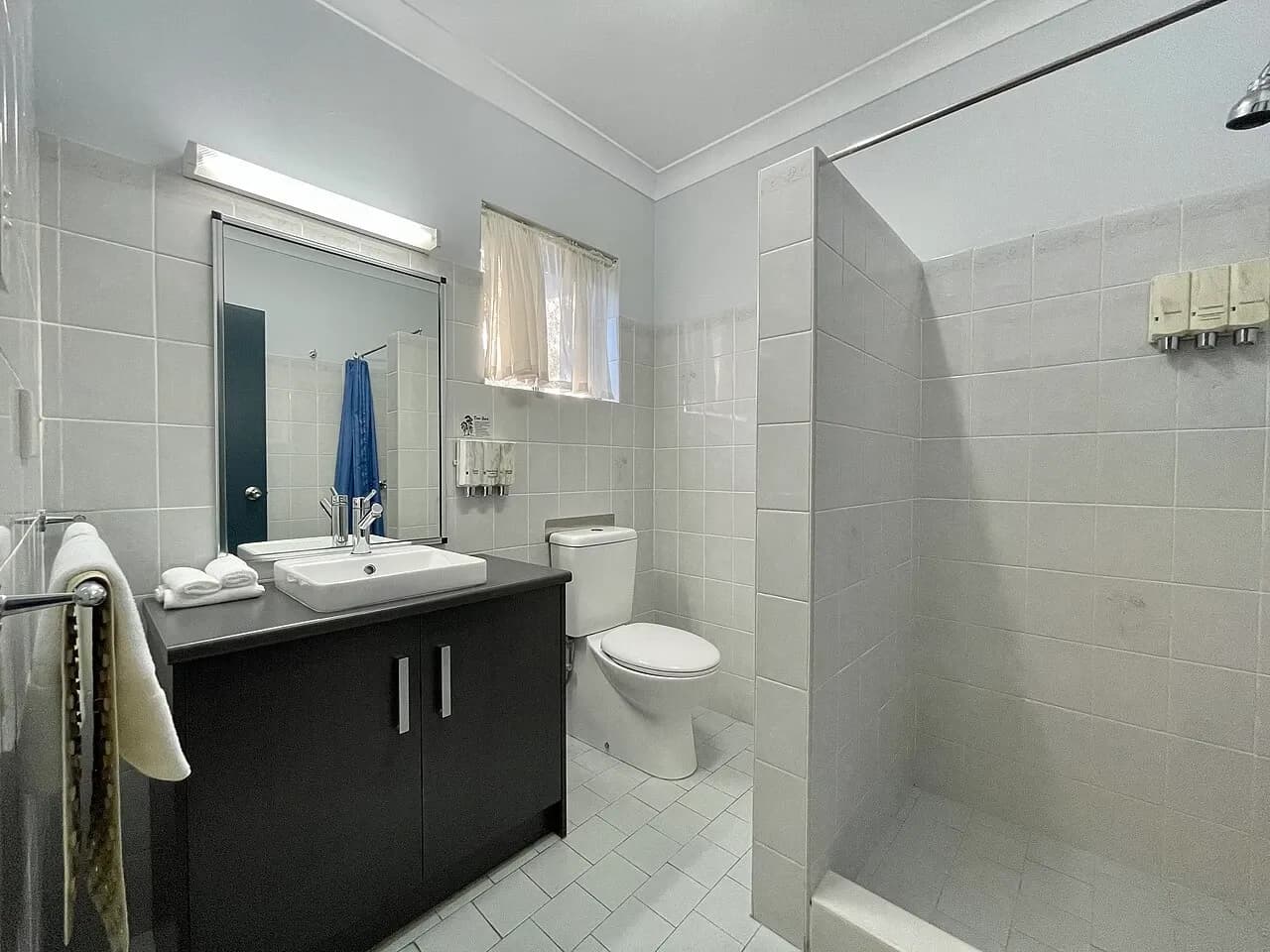

Work out the apartment’s total cash demand
Set out purchase price, professionally confirmed charges, advice and inspection costs, essential repairs, furnishing, moving and a reserve. Separate costs incurred once from costs of ongoing use. Shared-building obligations, where established, belong alongside private maintenance. If a figure is unknown, label it and identify who will confirm it. Do not invent a standard Syrian fee percentage to make the spreadsheet look complete. A carefully explained range based on actual quotations is more useful than an unsupported precise estimate.
Time the expenditure as well as adding it. A household might have enough total resources but need to pay a contractor, adviser and seller before another source of funds becomes available. Draw a calendar showing when each commitment would fall due and which amount remains conditional on further decisions. For a rental plan, include the period needed to prepare the apartment before income is possible. An apartment requiring work cannot be treated as occupied for budgeting merely because the purchase date has arrived.
In an invented example, two apartments have equal prices. One needs a kitchen replacement before the household can use it; the other needs only work the household can defer. The first may demand more cash immediately even if the eventual total expenditure is similar. That timing can determine suitability for a buyer who has limited liquidity. It does not make one apartment universally better. The comparison should show how each choice interacts with your available funds and intended date of occupation.
Put fixtures and seller promises into the proposal
Ask which fixtures and appliances are included. Photograph and describe them with permission, but let the lawyer decide how they should be recorded in the agreement. Curtains, fitted cupboards, lighting, cooling equipment and kitchen appliances can be assumed by a buyer and excluded by a seller. A phrase such as fully fitted may be too imprecise to settle that difference. Identify the items that influence your budget and your willingness to buy rather than listing every minor object without a clear purpose.
Where the seller offers repairs or finishing work, ask how the result will be defined and accepted. New paint does not establish that the cause of an earlier stain has been resolved. A replacement appliance should not be assumed equivalent to the one viewed unless the specification is agreed. Ask what happens if work is incomplete at the relevant date and have the legal adviser review the proposed arrangement. A friendly promise can be sincere and still leave important questions about cost and responsibility.
Keep price negotiation connected to those details. An apparent discount may be offset by excluded fittings, unpriced work or a change in occupation arrangements. Evaluate the whole current proposal and preserve previous versions for reference. If a particular item is removed, update the budget rather than leaving the earlier furnishing allowance unchanged. This prevents the buyer from treating the negotiated price as a success while the apartment’s actual readiness and total cash demand have moved in the opposite direction.

Return for a focused second look
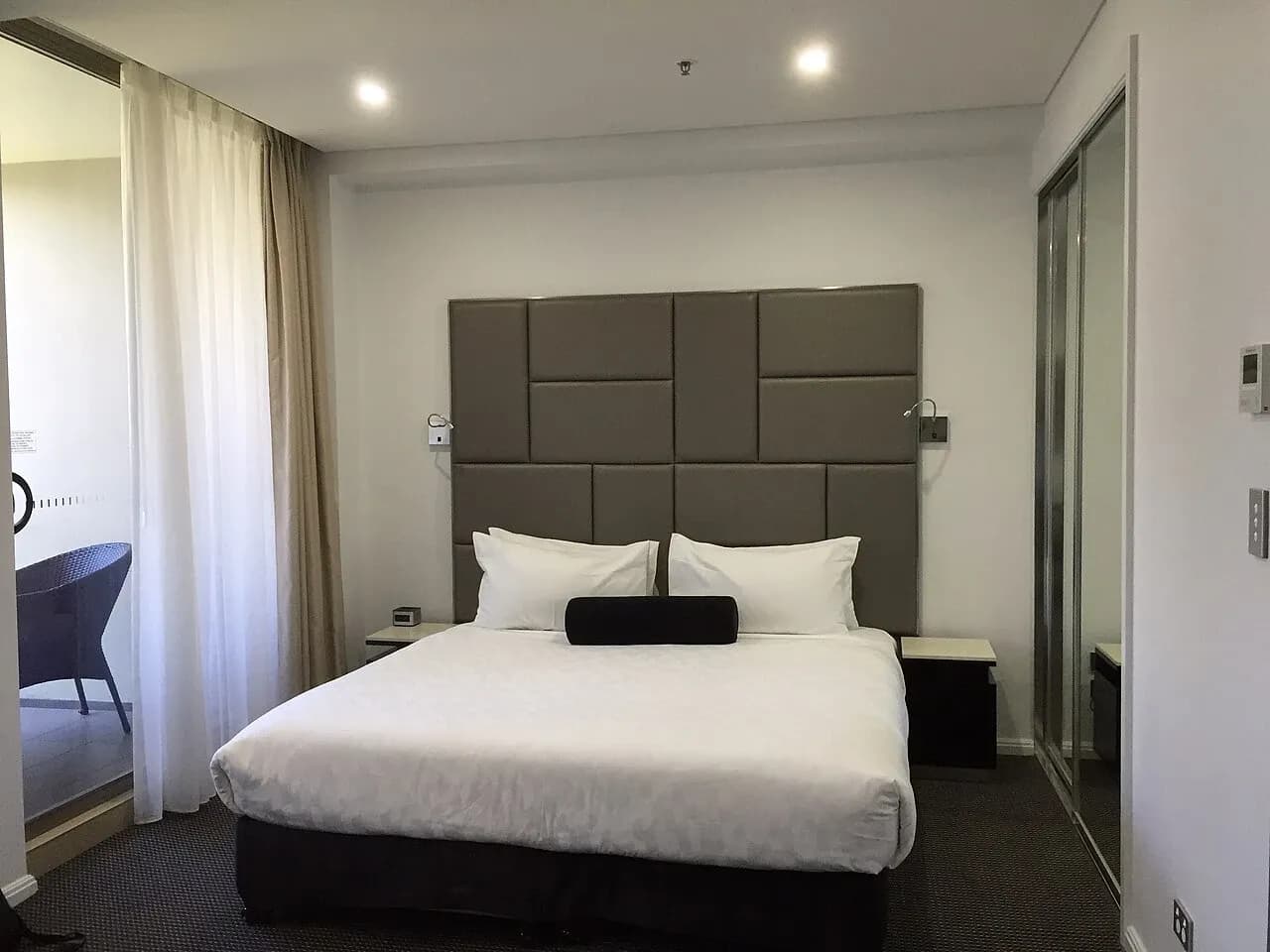
The second viewing should answer the questions created by the first. Bring the measurements, unresolved observations and relevant professional advice. Revisit the rooms where furniture arrangements are uncertain and the shared route where access matters. Record whether the conditions of the visit differ. If a room is newly decorated, occupied differently or no longer accessible, note that change rather than assuming the first visit’s observations remain a complete account of the current property.
Use the visit to confirm practical details without repeating a full tour aimlessly. Check the store said to be included, identify the relevant service equipment and review fixtures on the proposed inventory where permission allows. Ask the person providing access to clarify which answer is based on their own knowledge and which must come from someone else. A confident response from an intermediary should not replace confirmation from the party responsible for a legal, technical or service question.
Afterwards, revise your decision file promptly. It should now distinguish resolved issues, tolerable limitations and remaining conditions. A limitation can be acceptable if you understand its consequence and have planned for it. An unresolved issue should not silently become acceptable simply because the property has been viewed twice. Decide what evidence still matters, whether your offer should change and whether the apartment continues to meet the purpose set at the start of the search.
Prepare a handover that matches the agreement
Ask the lawyer to describe the legal completion requirements and distinguish them from the practical exchange of keys. Then prepare a room-by-room handover record based on the current agreement. Include access devices, identified fixtures, visible condition and any agreed outstanding work. Where readings can be recorded safely with permission, identify the equipment and date. Do not treat the reading itself as proof of account transfer, a cleared liability or safe installation; those are separate questions.
Arrange for someone competent and authorised to attend if you will be absent. They need the agreed inventory and a clear account of what they may decide, accept or escalate. A helper should not be expected to improvise legal concessions or approve technical work beyond their competence. If something differs from the agreement, record it and contact the appropriate adviser before signing a statement that could suggest acceptance. The final record should describe the apartment actually delivered, not merely repeat the listing’s wording.
Once ownership begins, carry the useful evidence into an ongoing apartment file. Keep shared-building communications, private repair records and account matters organised separately. Schedule the first tasks that were identified during the purchase and retain contact details for the people properly engaged to undertake them. A good apartment purchase ends with a usable, understandable plan for occupation or management. The private rooms, shared building and documented rights should make sense together when the excitement of moving has passed.
Continue your research

Reading Building Meeting Minutes Before Buying an Apartment
Read building meeting minutes before buying an apartment in Syria, tracing proposals, recorded decisions, missing attachments and unanswered purchase questions.
Read more
Checking Household Waste Arrangements Before Buying an Apartment
Check an apartment’s household waste route, storage, collection point and stated responsibilities before buying, with clear questions for missing arrangements.
Read moreSources & review
Last reviewed:
PUT YOUR RESEARCH TO WORK
Start with a place.
Explore Syria’s cities and narrow your property search.