Investment Handbook
Comparing Syrian Property Investments Without Yield Promises
Compare Syrian property investment candidates through purpose, ownership questions, condition, costs and rental evidence without treating yields as promises.
In this article


Two homes can carry the same asking price and be very different investments. One may need major work before anyone can use it. The other may be easier to occupy but harder to manage from a distance. A comparison should show those differences openly before anyone calculates a return. In Syria, current ownership, access, payment and rental questions require property-specific advice; a neat percentage cannot settle them. This guide offers a way to organise evidence and uncertainty. It does not forecast income or recommend a purchase.
Start with what the buyer is actually trying to achieve
Write a one-sentence objective for each candidate. Is the property primarily a home, a possible long-term rental, a place for a family member, or a purchase whose future use remains undecided? If a buyer hopes to rent it, ask what kind of occupancy they have in mind and who would manage the day-to-day work. A property that suits one purpose may be awkward for another. Comparing only advertised prices treats those different plans as if they were interchangeable.
Then write down the decision horizon. Someone who expects to use a home soon needs to understand habitability and access now. Someone considering a later rental needs to understand the work, permissions, management and evidence that would stand between purchase and occupation. Leave any hoped-for resale price out of the base case. It is an unknown future event, not money available to pay today's bills.
The home-or-investment decision guide helps define that purpose before the shortlist hardens around a tempting number.
Put each candidate on the same evidence sheet
For each property, record the exact address or location description, seller's original asking amount and currency, date of the quote, spaces included, current condition, intended use and the source of every statement. Keep photographs and visit notes separate from claims in a listing. If the seller says the unit is occupied, empty, recently repaired or capable of earning rent, ask what evidence supports that statement and when it was true. A dated observation is more useful than an unqualified “good condition.”
Add a column called “unresolved.” It should contain questions that could change the decision: who can lawfully sign, whether the described space matches the records, what the water and electricity situation is, whether a repair estimate covers hidden work, and whether the proposed use is permitted. The full purchase budget guide shows how to keep an unknown cost visible instead of entering zero. A blank cell is not a bargain.
Do not merge candidates with different currencies into a single price column without retaining the original quote. If you make a planning conversion, record the rate source, date, direction and arithmetic. That number is a comparison aid, not a payment quote. The currency comparison guide covers the audit trail in more detail.


Compare the path to usable property, not just the front door
Imagine two apartments with the same advertised area. Candidate A appears ready to occupy, but the buyer has not confirmed service reliability or the seller's authority. Candidate B visibly needs work, but the work has a written scope and the relevant people and records are easier to identify. Neither description makes one a better investment. It shows where effort and uncertainty sit. Ask an independent Syrian property lawyer to review rights and proposed use, and use qualified local inspections and quotations for physical work. Do not treat a diagram, online listing or this article as a substitute for either.
If a property is already used by someone else, document that fact without assuming what it means legally. A claimed tenancy, informal arrangement or vacant unit may involve different obligations and practical access questions. Seek local legal advice before treating future rent or possession as available. UN-Habitat's research on displacement and urban recovery in Syria describes the wider housing, land and property documentation context. It is background research, not a title opinion on a specific address or a statement of current law.
Use rental numbers as questions, not promises
An advertised monthly rent is not a signed agreement, collected income or a market average. If a comparable rental is offered as evidence, record the address, date, size, condition, term, included services and whether the figure is asking or actually agreed. Ask who supplied the figure and whether it can be checked independently. Keep the rent assumption out of the base case if it lacks a credible source.
Even a supported rent is only one side of the calculation. A period without an occupant, repairs, management, utility responsibilities, professional work and collection difficulties may affect the result. RICS's UK professional standard for valuing buy-to-let and HMO property distinguishes gross and net approaches and calls for relevant expenditure to be considered. It is a UK valuation standard, not a Syrian rental rule or a source of Syrian yields. Its useful lesson here is to show the expenses and evidence behind any calculation.
Create three lines rather than one headline percentage: potential rent based on named evidence; likely expenses based on current, dated sources; and unresolved costs or occupancy gaps. Label the result an illustration until the facts are verified. If someone offers a guaranteed yield, ask who makes the promise, what document backs it, which costs are excluded and what happens if a tenant does not pay. Do not put a sales promise into your own forecast as a fact.
Test whether the decision survives a less convenient outcome
Before choosing a candidate, ask what happens if occupation starts later than expected, a repair quote rises, a service needs work, or a planned manager cannot take the job. Do not invent a universal percentage for those events. Put the actual decision point beside each: can the buyer meet essential costs without expected rent? Is there a separate living reserve? Would the buyer still want the property if the planned use takes longer to confirm? The cash-flow planning guide helps place proposed payments and accessible funds on a timeline.
Write a short decision note for every candidate: what is known, what remains conditional, which adviser or inspection could resolve it, and what finding would make you walk away. This keeps a buyer from quietly changing assumptions when a preferred listing looks attractive. It also gives a lawyer, surveyor or prospective manager a focused set of questions.
The best comparison may end without a winner. If neither property has a credible route through ownership review, condition, access, costs and intended use, the useful result is a clear pause. An investment case becomes stronger when its evidence improves, not when its promised yield grows louder.
Continue your research
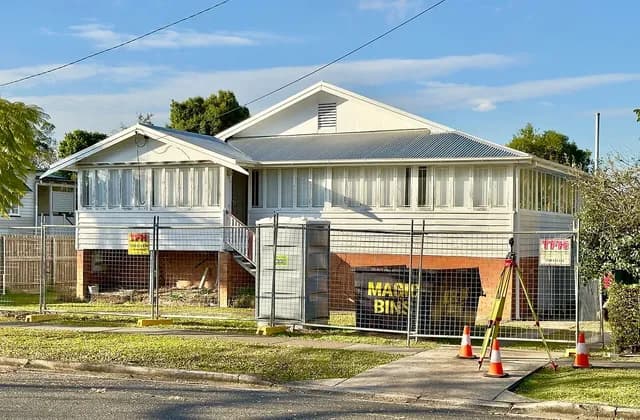
Comparing One Property with Several Smaller Investments
Compare one property with several smaller investments in Syria through exact candidates, committed capital, shared dependencies, workload and exit questions.
Read more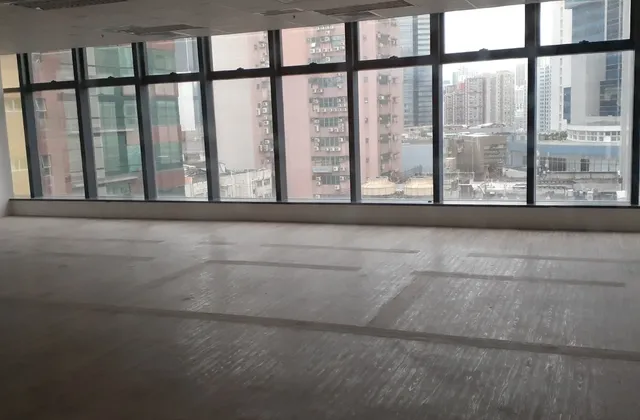
Separating a Commercial Property Purchase from a Business Sale
Clarify a commercial property purchase in Syria: separate the premises from equipment, stock and trading claims, then prepare connected scopes for adviser review.
Read moreSources & review
Last reviewed:
PUT YOUR RESEARCH TO WORK
Start with a place.
Explore Syria’s cities and narrow your property search.