Investment Handbook
Preparing a Key and Access-Device Register for Property Handover
Prepare a property key handover register in Syria: match keys and devices to entrances, record delivery and checks, and track missing items without exposing codes.
In this article
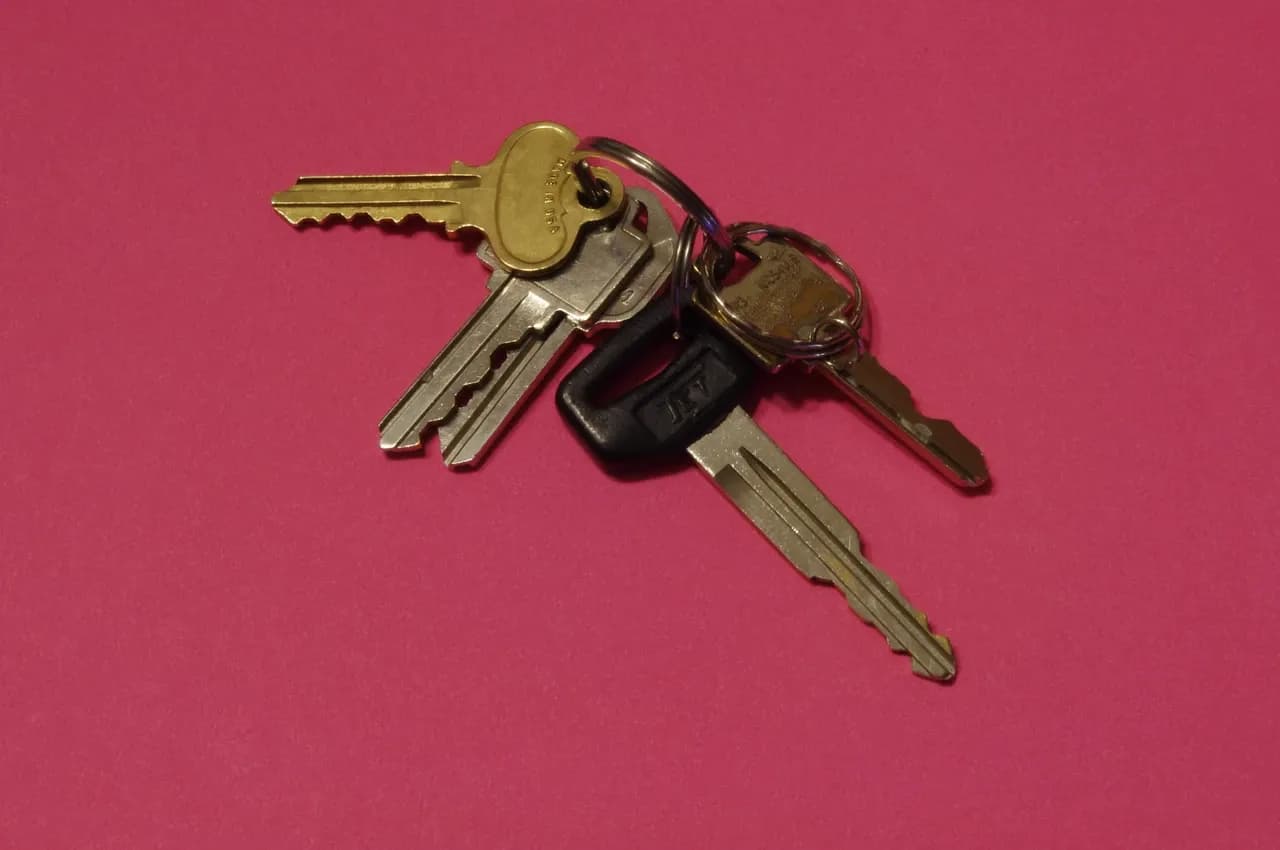

A property key handover register connects each key, remote or access device to a particular entrance and a recorded delivery. For a buyer receiving a property in Syria, that is more useful than a message saying that one bunch of keys was collected. The register should show what was expected, what arrived, which permitted checks took place and what still needs an answer.
Prepare it alongside the final handover arrangements reviewed by your lawyer. Possessing a key does not establish ownership, permission to enter an occupied space or entitlement to use a shared area. This guide organises the physical record. Your adviser should address the legal effect of delivery, any access rights and the wording of an acknowledgement.
Map the devices to specific entrances
Begin with the entrances and spaces described in the reviewed purchase records. Use consistent names for the apartment entrance, an included storeroom or an agreed parking gate. Do not add a roof, neighbouring room or shared facility merely because a supplied key appears to open it. An unexplained device belongs on a query list until its purpose and the relevant permission are clarified.
Give each physical item a simple register reference, such as K1 or R1, and keep that reference consistent through delivery and follow-up. Describe enough visible detail to tell items apart: a coloured tag, shape or existing label may help. If several keys look identical, count them separately and record which ones were checked. Appearance alone does not establish that every copy operates the same lock.
The Tenancy Deposit Scheme's guidance on logging keys recommends recording types and quantities, including specialist keys and fobs. That is useful recordkeeping context from a UK tenancy scheme. Its deposit claims, replacement costs and legal discussion are not Syrian purchase rules or amounts to insert in your register.
Use the wider property handover checklist for the visit. Keep this register focused on the individual access items so they can be reconciled without repeating the entire room and condition inventory.
Keep expected, received and checked counts separate
Before the appointment, ask the person arranging delivery to list the proposed items and quantities. Attribute that list and date it. At the appointment, count what is physically supplied against it. Record a difference beside the affected item rather than replacing the earlier expectation with the smaller number received.
A useful row might contain an item reference, described purpose, expected quantity, received quantity, check result, person supplying it and open question. Give a missing item its own status. An empty cell is ambiguous: it might mean that nobody asked, that the answer is unknown or that the item was not required. Write the actual situation instead of allowing a blank to look like agreement.
In a fictional example, a seller proposes two apartment keys, one store key and one parking remote. The attendee receives two apartment keys and the remote, but no store key. One apartment key is checked with permission; the other is not. The record should retain all four expected items, identify the missing key and distinguish the checked copy from the unchecked one. Receiving three objects does not mean three access functions were verified.
If an item arrives later, add a dated delivery entry linked to its original row. Preserve the first appointment's record. This makes a later resolution visible without rewriting what the buyer actually received on the earlier date.
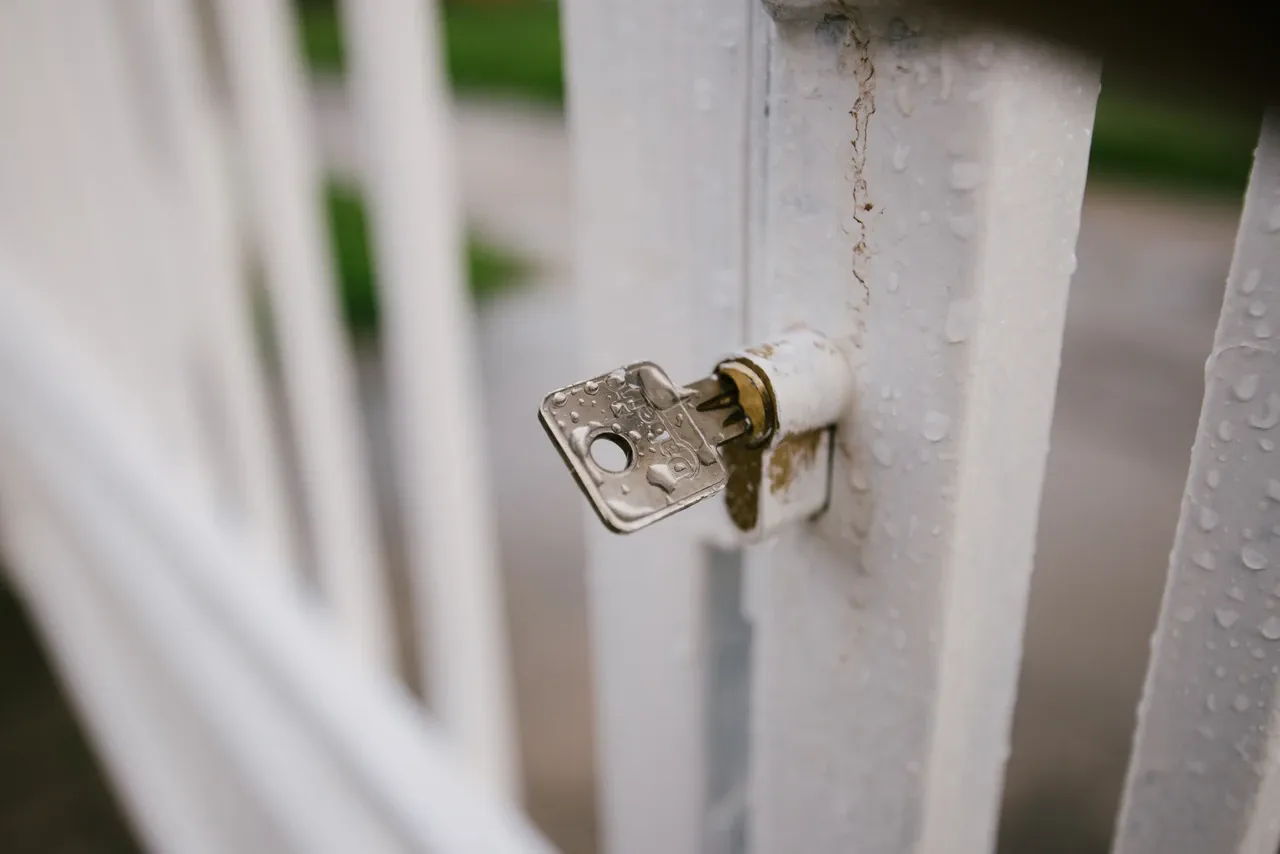

Describe the check without turning it into a certificate
Arrange any demonstration with the person responsible for the property and the relevant access permission. Record the particular entrance, device reference, date and observer. State whether the attendee operated the device, watched somebody else use it or received only an account of its operation. Those are different evidence sources.
Use narrow observations such as “K1 opened the agreed apartment entrance during the attended check” or “R1 was received; parking gate operation was not demonstrated.” Avoid labels such as “all access approved” or “security confirmed.” A single operation does not establish a lock's condition, the reliability of a powered gate or who else holds a copy.
If a device does not operate as expected, record what was attempted and stop short of diagnosing the cause. Ask the responsible person to explain the next step. Do not force a lock, change a shared access system or try a device on unrelated doors to discover its purpose. A qualified person may need to assess equipment; the register should preserve the unanswered question for that assessment.
When a representative attends, agree beforehand which observations they should collect and which decisions they must refer back. Ask them to send the item references with their report. A photograph of an unlabelled bunch is difficult to match to a later claim about one missing remote.
Ask about copies and shared arrangements explicitly
Ask the supplier which copies or devices are said to remain with an occupant, relative, manager or building contact. Record the answer as their statement, including any uncertainty. A claim that these are all the keys is not independent proof that no other copies exist. Keep the identity of known holders in a restricted record available to the people who need it.
The UK government's home-buying guide raises the question of changing locks after moving. It provides England-and-Wales context, not a Syrian instruction to alter a lock or shared gate. Discuss appropriate next steps, permissions and timing with the responsible local adviser and a suitable specialist where needed. The register itself does not authorise a change.
For a communal gate or parking device, ask who administers the actual arrangement and what the supplied device is said to permit. Separate receiving the object from any unresolved question about continuing access, its allocation or another person's approval. A seller's description should remain attributed until the relevant arrangement is clarified.
Treat a device linked to an account or a code as a separate coordination question. Ask the authorised administrator how any necessary change will be handled. Do not place passwords, entry codes or detailed access instructions in a broadly shared handover document. The record can say who will arrange the authorised change and what confirmation remains outstanding without exposing the secret itself.
Close the record with named unresolved items
At the end of the appointment, identify who supplied and received each group of items, which checks were completed and which differences remain. Read back the exceptions before the attendees leave. Ask your lawyer to review any document you are expected to sign, especially wording that could imply acceptance of more than the physical items recorded.
Give each unresolved row a named follow-up contact and the next evidence requested. A promised replacement remote remains outstanding until its delivery and any agreed check are recorded. A new appointment date is progress, not proof that the missing item has arrived. Keep messages connected to the row they concern so a later reader can follow the sequence.
Store the final dated register with the complete property purchase record, with access limited appropriately. If an owner later entrusts a key to a manager, record that as a new custody event rather than altering the seller's handover entry. The finished register should answer four practical questions: what was expected, what was delivered, what was observed and who is addressing each remaining gap.
Continue your research
Reviewing Warranty Papers Offered with a Property Sale
Review warranty papers offered with a property sale in Syria, checking the item, issuer, coverage period, exclusions and questions about a new owner.
Read more
Recording Meter Readings at a Property Handover
Record meter readings at a Syrian property handover with device identifiers, dated observations, source notes and clear follow-up for unresolved service questions.
Read moreSources & review
Last reviewed:
PUT YOUR RESEARCH TO WORK
Start with a place.
Explore Syria’s cities and narrow your property search.