Blog
Planning Laundry and Drying Space Before Choosing a Home
Plan washing, drying and folding space before choosing a home in Syria, with practical measurements, seasonal alternatives and installation questions.
In this article
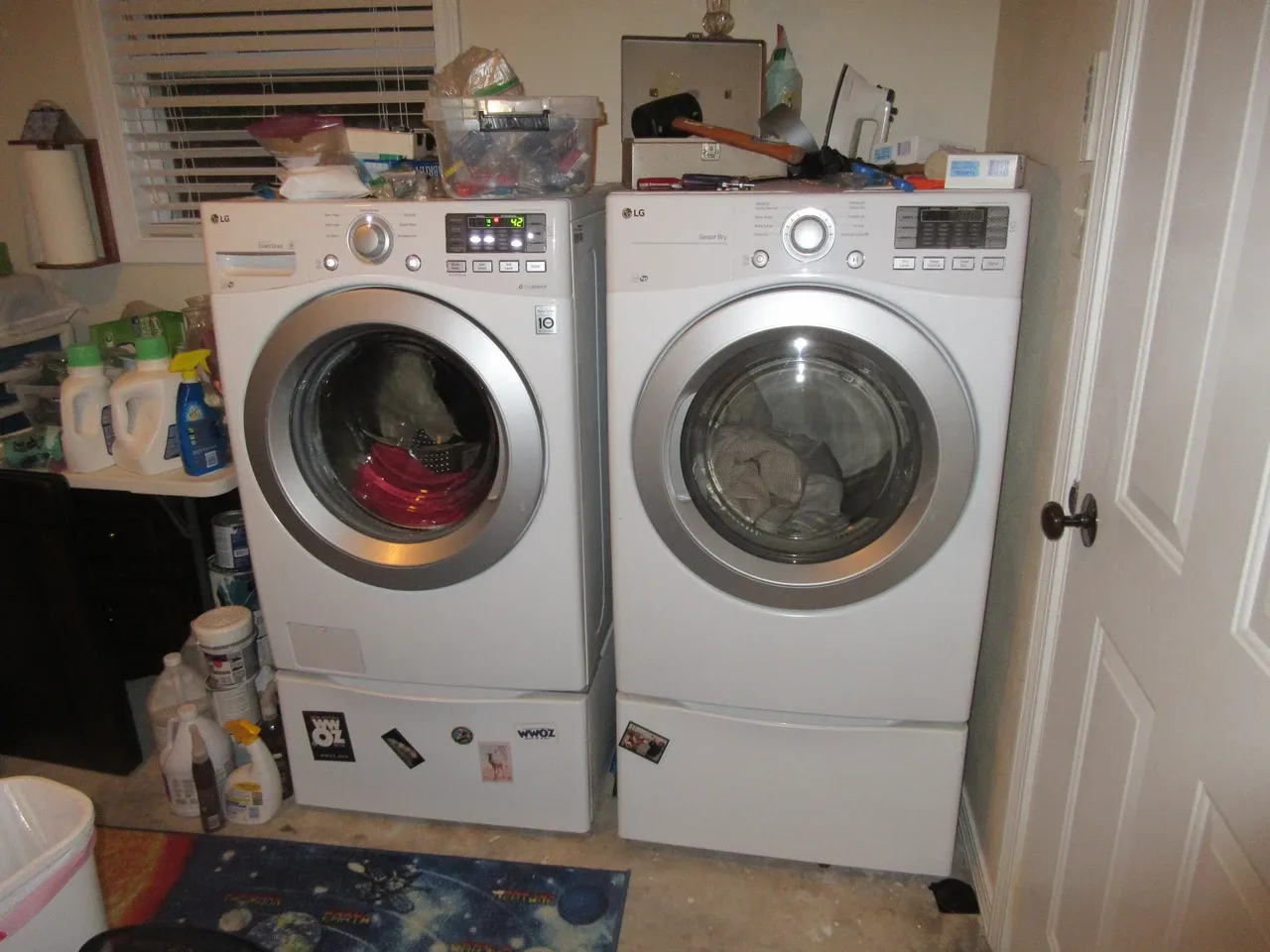

An appliance recess is only one part of a home's laundry space. Clothes still need somewhere to wait, a route to the machine, room to dry and a place to be folded or put away. A home that accommodates the washing machine but leaves wet sheets across the only passage may create an everyday difficulty that its room count never reveals.
When comparing homes in Syria, follow one ordinary load from start to finish. Give each stage a place and check the arrangement in use, rather than judging a tidy photograph. This exercise helps identify practical questions before a decision. It cannot establish plumbing, electrical suitability, ventilation performance or permission for alterations.
Start with a real load, not an appliance catalogue
Choose a typical household example: work clothes and towels, children's clothing or a set of bed linen. Consider how often that load needs attention, who carries it and whether another load might already be drying. The largest items deserve particular attention because a rack that holds several shirts may not accommodate a sheet in the same way.
Sketch the stages on the home's layout: collection, washing, unloading, drying, folding and storage. Include the basket while it is waiting. A hallway that appears generous on a plan can become an awkward place to pass if it also holds laundry. Ask household members to describe the routine they would actually follow, including anyone for whom lifting or carrying is difficult.
Check the machine space with its doors open
Use the dimensions of the appliance you would bring, or record them as unknown until a model is chosen. Compare the proposed space with that appliance's installation instructions, including required clearances and access. Do not treat an empty recess or a nearby socket as proof that any machine can be installed there.
With permission, check the visible space for opening the machine door and loading a basket. Consider cupboard doors, adjacent fixtures and the room door at the same time. An apparent fit can become inconvenient when the user has to stand sideways or move furniture to unload. For a top-loading machine, the relevant opening is above it; for another arrangement, the checks may differ.
Record visible water, drainage and electrical arrangements as questions for the appropriate installer. Do not disconnect hoses, move heavy equipment or test unfamiliar fittings during a viewing. If changing the machine position is central to the plan, make that proposed work an unresolved part of the decision until assessed.
Give the drying arrangement its full footprint
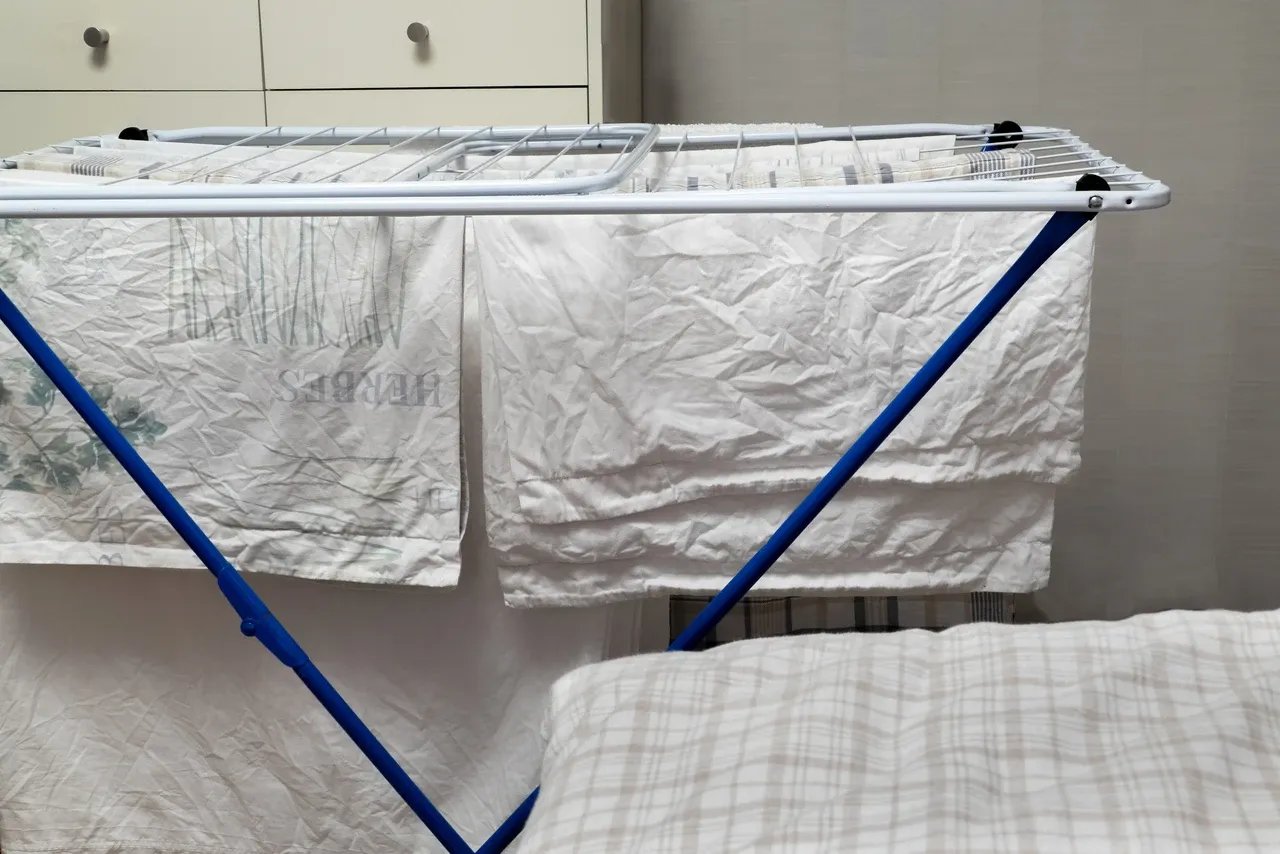
Measure a freestanding rack when it is open, using its actual dimensions rather than the size of the folded frame. Mark that footprint on the plan and consider hanging fabric extending beyond it. Then trace the route around it to the door, window, cupboards and other rooms. Ask whether those places remain reasonably usable while the load is drying.
Try the same exercise for long garments and bed linen. Where would they hang without resting on the floor or covering furniture? Could a second load wait somewhere if the first is not ready? These are household planning questions, not a calculation of drying time or a claim that a particular rack is sufficient.
For the broader relationship between furniture, routes and room use, see What Makes an Apartment Layout Easy to Live In. Here, the extra step is to place the temporary drying arrangement into that layout while other activities continue.

Identify a realistic alternative to outdoor drying
A balcony can look like the obvious answer, but confirm its actual permitted use and whether it meets the household's needs. Ask about the proposed hanging arrangement, access, privacy and any building restrictions. Do not assume that a shared terrace or roof is available because it appeared in a tour, and do not attach equipment to a building during a viewing.
Consider where the load would go when outdoor drying is inconvenient. A home need not have a dedicated laundry room, but its alternative should be a named place. Check whether using that place would take over a study, guest room or essential route for longer than the household is comfortable with. Ask about the existing resident's routine as attributed information, rather than treating it as a guarantee about future weather or drying conditions.
Keep moisture and equipment questions visible
RICS's consumer guide on damp and mould identifies washing and drying laundry as sources of indoor moisture and discusses ventilation. Its UK context does not establish Syrian requirements. The practical question for a proposed indoor drying area is how that specific room handles moisture, with appropriate assessment where needed.
Note the openings or equipment you can see and ask about their operation and maintenance. An installed fan does not establish effective ventilation. Marks near a window or a musty smell should become dated observations, not a diagnosis attributed to laundry. Ventilation and Damp: What to Record During a Viewing explains how to make that separate record.
If the plan includes a tumble dryer, identify its type and the manufacturer's installation instructions. The US Department of Energy's vented-dryer job aid shows why the exhaust arrangement of a vented appliance needs attention. It is background, not a Syrian installation specification or a rule for every dryer type. Ask a suitable installer about the proposed equipment and room; a wall opening or an appliance photograph cannot answer that assessment.
Make supplies and folding space part of the plan
Name a place for clean and used baskets, detergents, pegs and the rack when folded. Account for the actual people using them, including whether storage is convenient to reach and appropriate for the household. Keep products in accordance with their instructions; a proposed cabinet is not proof of suitable storage.
Identify a folding surface that can be available when needed. If that is the dining table or bed, consider how laundry fits around meals, work and rest. A shared surface may be perfectly workable, but it should be an intentional choice. The guide to Storage Space: The Detail Buyers Often Miss helps place the rest of the belongings around that routine.
Compare arrangements during an ordinary busy day
Imagine a compact home with a convenient machine position but a drying rack that blocks access to the wardrobe. Another home has more drying space, yet requires carrying a full basket through several rooms. Neither is automatically the better choice. The useful comparison is which difficulties matter to the actual household and which proposed changes remain unconfirmed.
Before finishing the viewing, write down the washing position, open drying footprint, alternative location and folding/storage arrangement. Attach the measurements you obtained and label those still needed. Keep technical installation and permission questions beside the sketch. A satisfactory laundry plan gives the whole routine a workable place today, or makes the specific work still required clear enough to assess before committing.
Continue your research
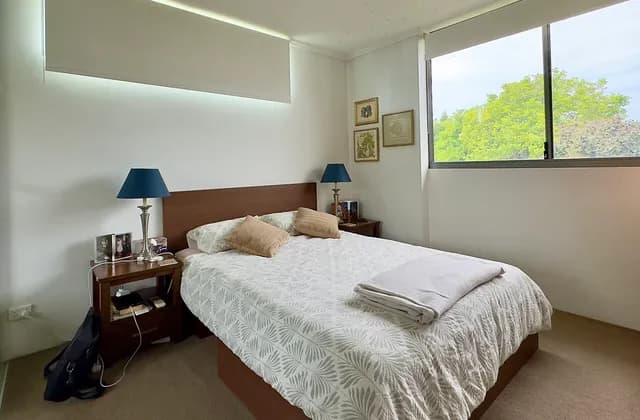
Comparing Window Privacy During a Property Viewing
Compare window privacy during a property viewing by checking room positions, curtains, blinds, daytime and evening conditions, and what the sale includes.
Read more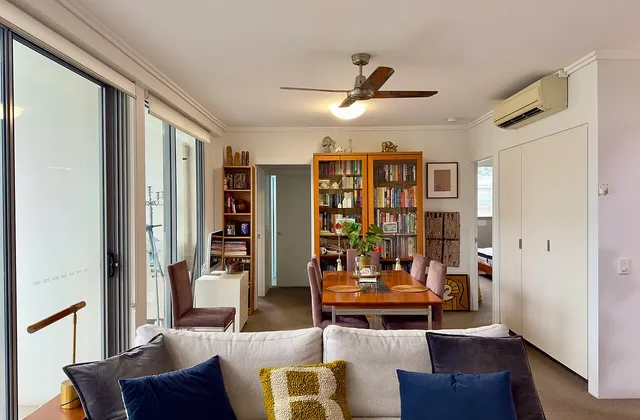
Comparing Dining Space During a Property Viewing
Compare dining space during a property viewing by checking occupied chairs, doors, storage and serving routes for everyday meals and occasional guests.
Read moreSources & review
Last reviewed:
PUT YOUR RESEARCH TO WORK
Start with a place.
Explore Syria’s cities and narrow your property search.