Investment Handbook
What to Ask About an Apartment Building’s Recurring Costs
Ask which recurring building costs apply to an apartment in Syria, how its share was calculated, which records support the figures and what remains unpaid.
In this article
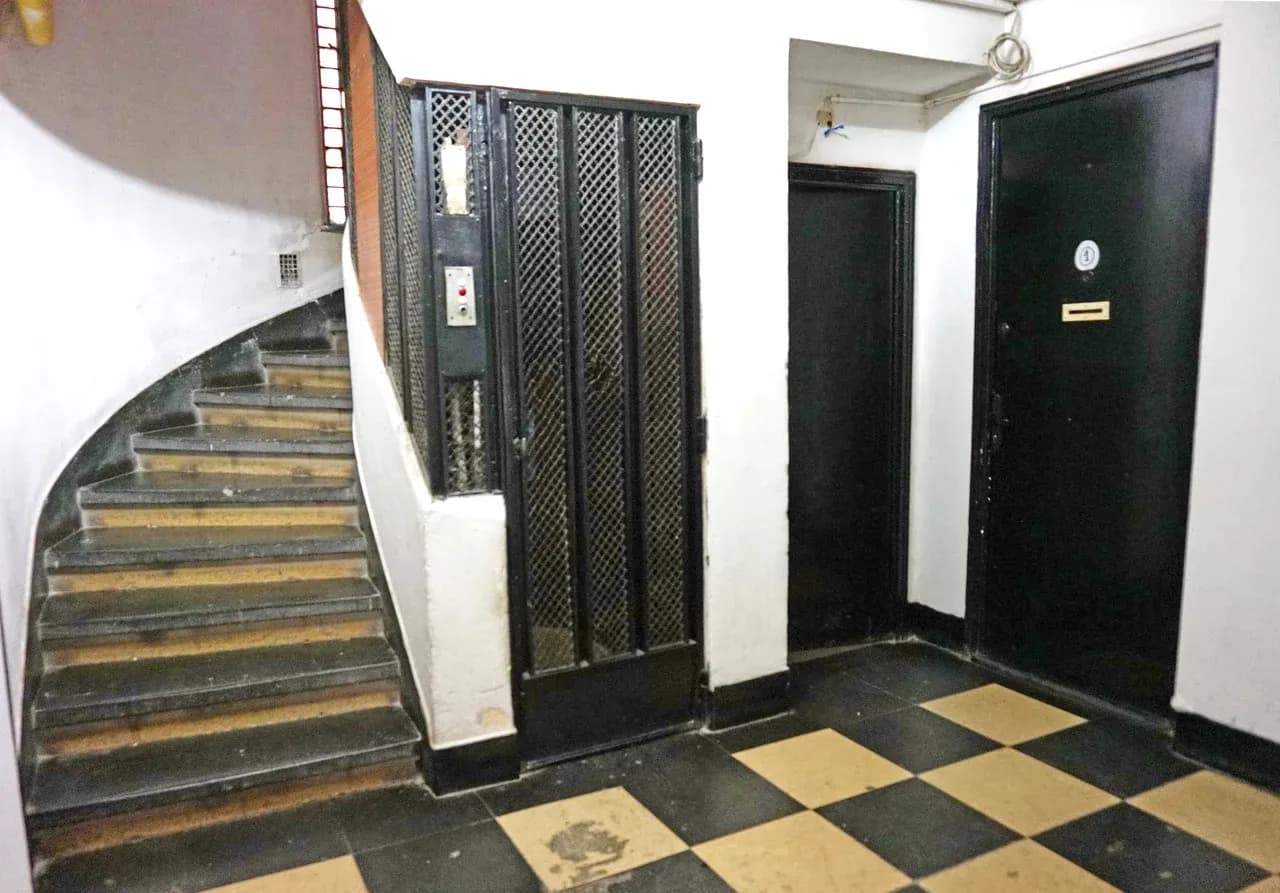

An apartment can come with a reassuring statement that building expenses are small. Before relying on that statement, ask what the amount represents. Is it this apartment’s contribution, an estimate for the whole building, a payment made last month or a figure that excludes occasional work? Those are different pieces of information. A buyer needs to connect the amount to the exact unit, the service provided and the period covered.
This guide helps you investigate that connection when considering an apartment in Syria. It does not supply typical charges or establish who is legally responsible for them. An independent Syrian property lawyer should examine the relevant arrangements. Your job at the research stage is to make the financial questions precise enough for the right people to answer.
Ask for a cost explanation attached to the apartment
Start with the apartment identifier used in the purchase documents. Ask the person describing building expenses to show how that unit appears in the records. An amount attributed to another floor, a neighbouring entrance or a previous occupant may be useful background, but it is not yet an explanation of your proposed commitment.
Request a breakdown of the services actually mentioned. Cleaning, common lighting, lift attention, shared equipment and other arrangements may involve different people, payment periods and evidence. Do not add facilities that have not been established for this building. For each stated item, ask what is included, what is excluded, who arranges the work and who can confirm the figure.
Keep the practical service and the payment arrangement together. If someone says the stairs are cleaned regularly, ask how that work is organised and which record supports the amount attributed to it. The published shared-area viewing guide helps you identify the spaces involved. Seeing a clean staircase does not tell you what it costs or how responsibility is allocated.
Find out how the apartment’s share was calculated
Ask which written arrangement explains the allocation. Is the figure described as an equal contribution, a calculation linked to a stated area, a separately measured use or something else? Record the explanation as supplied and give it to the lawyer. Do not choose a method yourself because it seems fair, or assume a method used in another building applies here.
If an area enters the calculation, ask which area, where it is recorded and how it was obtained. If a proportion is quoted, request the underlying total and the calculation for this apartment. A percentage without a defined base is difficult to check. Where several entrances or uses share equipment, ask which group the cost relates to and how the unit’s participation is established.
Consider an entirely fictional planning example. A building expense of 24 accounting units produces a contribution of two units only if the relevant arrangement establishes twelve equal shares. The same total says nothing about a unit whose share has not been confirmed. These invented numbers illustrate the missing calculation; they are not Syrian prices, a recommended allocation or a legal rule.
Separate a forecast, an incurred cost and a payment
A budget predicts spending. A record of work and its invoice describe a cost. A payment record shows money paid. Ask which of these supports the figure you were given. A recurring instalment may be based on an estimate; an earlier receipt may relate to a different period. Avoid treating either as a guarantee of future expense.
Preserve the date, original currency and coverage period for each document. Then ask how the described payment relates to that period. Does it cover the whole period or only part? Has any subsequent calculation changed the amount? Are the records complete, or does a service still await an invoice? The answer should explain the number without merging unpaid items with payments already made.
Camden Council’s service-charge explanation distinguishes estimated and actual charges within its own English housing arrangements. That is useful accounting context, not a Syrian collection procedure or timetable. For this apartment, ask how forecasts and subsequent expenditure are recorded under its actual arrangements.

Ask what sits outside the recurring figure
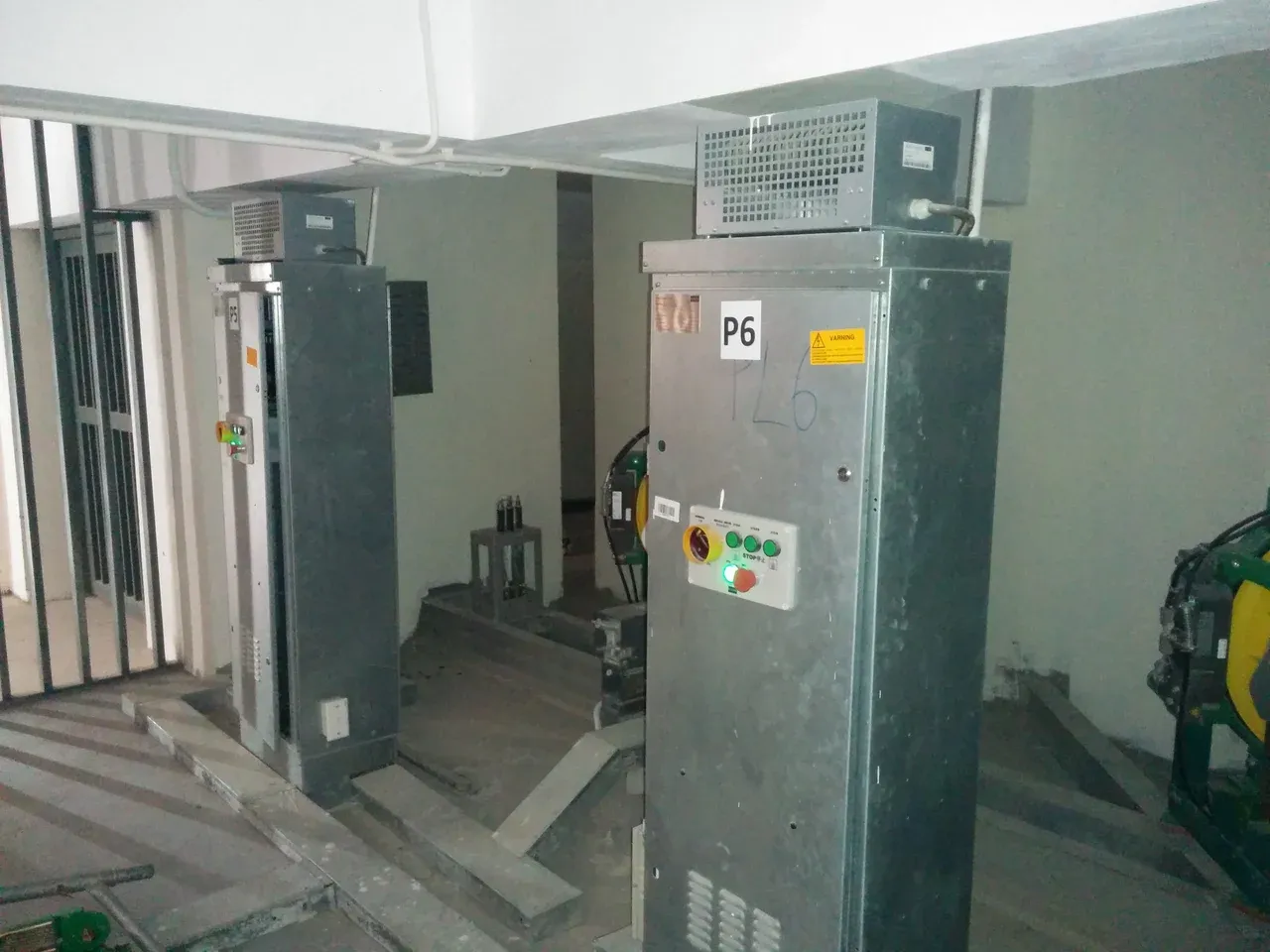
A modest regular payment may omit an occasional repair, equipment replacement or proposed project. Ask whether any work has been discussed, commissioned, started or completed without appearing in the recurring total. These stages should remain distinguishable. A conversation about replacing equipment is different from an approved scope and a dated quotation.
Where money is said to be held for future work, ask what evidence identifies the balance, its purpose and the apartment’s relationship to it. Have the lawyer review any claimed obligation, entitlement or transfer treatment. Do not assume every building has a reserve, that a quoted balance is accessible or that an earlier contribution can be recovered when the apartment changes hands.
The GOV.UK leasehold expenses overview discusses supporting records and reserves in a specific UK legal setting. Its rights, thresholds, insurance responsibilities and dispute routes are not rules for Syria. Use it only as background for asking what documents support a stated charge, then obtain advice about the property you are buying.
Resolve timing questions before the purchase agreement
Put older unpaid amounts, prepaid periods and later adjustments on the lawyer’s question list. Ask how the purchase agreement should address them and what evidence is needed before relying on a settlement statement. Do not conclude that the buyer or seller must pay merely from the date an invoice arrives or an informal assurance that the account is clear.
Ask who can provide a dated account for the apartment and explain open items. If records identify other residents, request information appropriate to your unit and purpose rather than collecting unrelated personal details. Where two people supply different totals, retain both versions and identify the specific discrepancy. The unresolved difference belongs in the decision file.
Convert the answers into an ownership decision
Add supported recurring amounts to a dated ownership budget, separately from the price and transaction expenses in the full purchase budget guide. Keep unpriced obligations visible as questions. Entering zero would make the total look settled while leaving the commitment unknown.
Consider timing as well as the annual sum. Ask when payments could fall due and how that fits your available funds. Preserve original currencies; any conversion for comparison needs its own rate source and date. A planning conversion does not establish a lawful payment route or access to that rate.
Finally, write down what would change your decision: an unexplained allocation, unresolved earlier account, unpriced major work or an arrangement your adviser cannot confirm. Carry confirmed maintenance responsibilities into the first-year maintenance plan. A useful conclusion is a cost record you can explain, with the remaining questions assigned to people who can resolve them before you commit.
Continue your research
Planning a Property Purchase That Depends on Another Sale
Plan a property purchase in Syria that depends on another sale: separate available proceeds, linked dates, independent commitments and temporary housing needs.
Read more
Reviewing a Seller’s Instalment Proposal Before Buying Property
Review a seller’s property instalment proposal in Syria: reconcile the total, earlier amounts, payment triggers, milestone evidence and unresolved adviser questions.
Read moreSources & review
Last reviewed:
PUT YOUR RESEARCH TO WORK
Start with a place.
Explore Syria’s cities and narrow your property search.