About Syria
Daraa Governorate: Planning Your Location Research
Research a Daraa Governorate property by moving from regional labels to a verified address, dated local evidence and independent building and document checks.
In this article

“In Daraa” is a useful starting point and a poor final description of a home. The governorate contains the city of Daraa and other towns, villages and historic places; a listing may use the broad name even when the daily life of a particular address is shaped by a very different local setting. Research should move from the governorate to the locality, then from the locality to one building and its records. This guide sets out a way to make that progression without inventing a regional price, service level or travel promise.
Separate the governorate from the city
Daraa can name both the governorate and its principal city. A seller's phrase such as “Daraa apartment” might mean the city, a nearby settlement, or merely the administrative area. Ask for the Arabic address, town, district or sub-district where applicable, street, building and unit. Keep the exact wording from the documents alongside the wording in the listing. Transliteration can produce Dar'a, Daraa or Dera'a for the same name; do not let a spelling difference become an assumed location difference or an excuse to ignore a real discrepancy.
The UN OCHA 2019 allocation document organises places under Daraa Governorate and names Daraa, Izra and As-Sanamayn districts. Its purpose was humanitarian planning, not property identification, and it is not a current travel or services directory. It is still a useful reminder that the governorate label sits above several smaller administrative levels. Ask a local professional which official description applies to the exact parcel or unit being discussed.
Compare places by intended use, not a regional reputation
A household thinking about a city apartment may care about a different set of daily routes from someone considering a village home or a property close to family. Write down the intended routine before judging locations: work, school, care, supplies, visits and any access needs. Then ask how each candidate address supports that routine. A straight-line distance on a map does not describe a journey, and an old itinerary does not establish today's access.
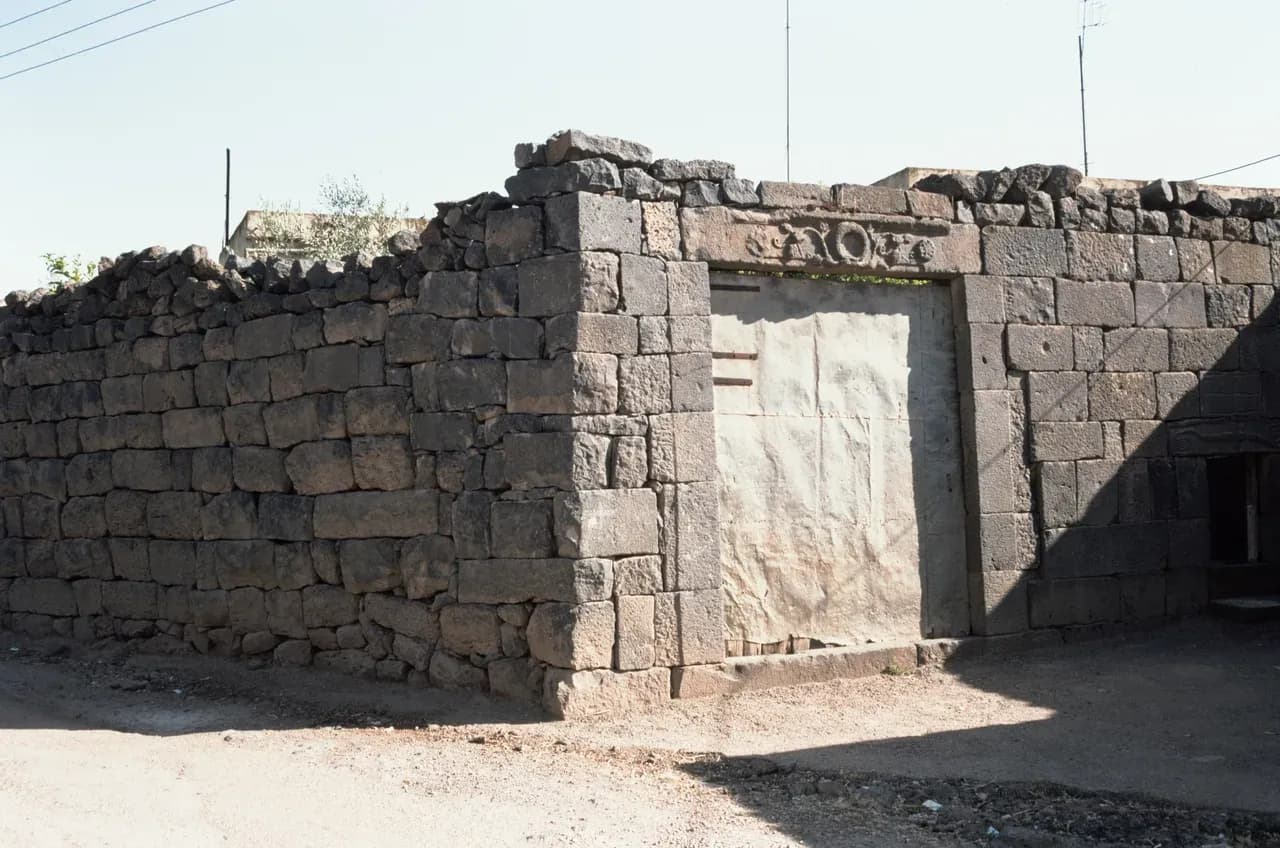
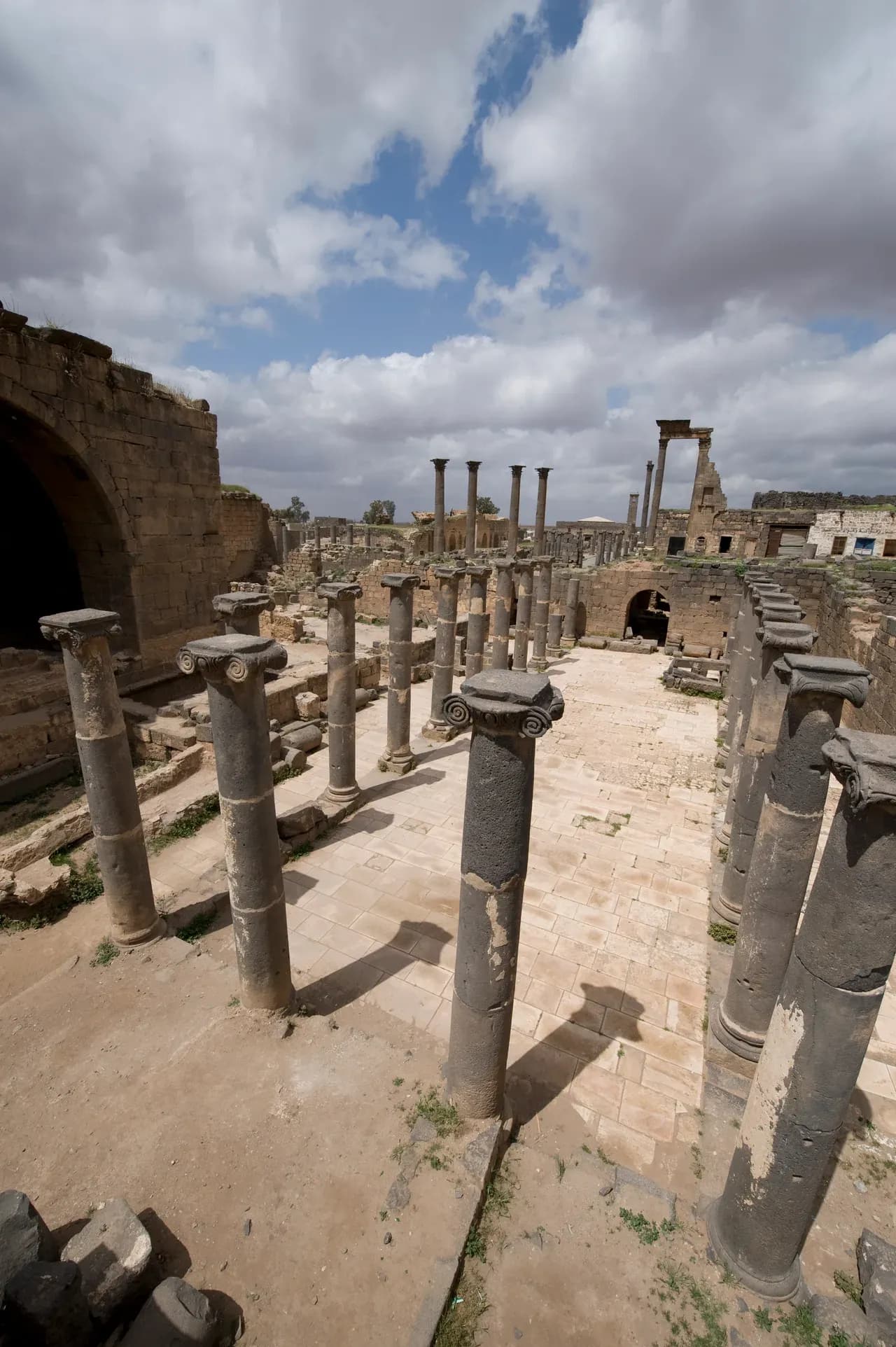
The two archive photographs on this page show part of a wall in Izra in 1996 and the Southern Baths and colonnaded street in Bosra in 2009. They are deliberately different views of places within the governorate. Neither depicts a currently offered home, a present road condition or the level of services at either address. The Bosra historic landscape guide explains the heritage setting in more detail while keeping UNESCO information separate from property evidence.
If two listings both say “Daraa Governorate”, they may still require different questions about roads, the building's entrance, shared space and infrastructure. Use a separate row for each property in the comparison sheet. Preserve the source and date of each claim. Label a quoted journey as a seller statement until checked; label an observed building feature with the date and person who observed it. Do not turn one resident's experience into a governorate-wide claim.

Build an address file that can be checked
Begin with a written address and a pin. Compare the pin with photographs of the actual entrance and with the property description in the documents. Ask whether a number, floor or unit label has changed, whether the building has more than one entrance, and how the offered space is distinguished from neighbouring space. If the marketing address and paperwork differ, keep both versions and ask for an explanation. The right answer cannot be guessed from a map alone.
Next, gather a small set of recent, dated observations: entrance and stairs, the condition of common areas, water storage or supply equipment, electricity arrangements, visible repair needs and the surroundings immediately relevant to the intended use. A photograph or video should have a date and a known viewpoint. Ask what was not shown. Technical problems need a qualified inspection; ownership and permitted-use questions belong with an independent Syrian property lawyer reviewing current official records. The water and electricity viewing questions show how to keep an address-specific service check distinct from a broad regional report.
Put source dates beside every regional claim
Humanitarian reports, heritage records and archive images can explain context, but they serve different purposes. The UN OCHA 2024 allocation strategy lists selected sub-districts in Daraa as part of a specific aid-prioritisation exercise. Its figures and selected places describe that exercise at that time. They do not rank neighbourhoods for homebuyers, certify a house's water supply or predict future conditions. Read the methodology and date before borrowing even a general statement from such a source.
The same rule applies to heritage information. UNESCO's Ancient City of Bosra record explains why that historic site is significant and notes its place on the World Heritage in Danger list. It does not describe every street in Daraa Governorate or grant a right to renovate a nearby building. A local site designation and an individual property's permissions must be checked through the appropriate current records and advisers. Treat an attractive landscape or monument as context for a location, not as due diligence on a unit.
Decide what can be learned remotely
Remote research can settle many basic questions before a visit is considered. Ask for the exact address and document identifiers, a dated walkthrough of the approach and entrance, a room-by-room recording, and copies of records for independent review. Create a list of unresolved items rather than accepting a video as a complete inspection. If a representative supplies information, record their role and which observations are first-hand. The viewing-trip guide begins with current official advice and provides a way to prepare useful remote questions.
Conditions affecting travel and access can change. Check official advice and reliable local information when the decision is actually being made; this page cannot say that a particular road or visit is safe. Nor can it say that a building is legally transferable merely because its location looks clear. Keep a location file, a technical condition file and a legal review file so that an appealing description in one does not silently answer questions belonging in another.
Daraa Governorate is the first line of a location brief, not the last. The most useful next step is to replace “in Daraa” with a verifiable address, a dated account of how the building works for its intended occupants, and a list of property-specific questions for qualified local review. That gives every candidate a fair comparison and makes unknowns visible before anyone relies on them.
Continue your research
As-Suwayda Governorate: Towns, Landscapes and Local Research
Explore As-Suwayda Governorate by verifying the exact town and address, comparing dated images with present conditions, and checking each building and its records.
Read more
Bosra: A Guide to Its Historic Urban Landscape
Explore Bosra beyond its Roman theatre: understand its layered historic landscape, UNESCO status, archive photographs and property-specific research limits.
Read moreSources & review
Last reviewed:
PUT YOUR RESEARCH TO WORK
Start with a place.
Explore Syria’s cities and narrow your property search.