Investment Handbook
Creating a Property Inventory Before a Tenancy
Create a room-by-room inventory before a Syrian tenancy, with dated condition photos, included items, key counts and a shared correction process.
In this article


A property inventory is a shared description of what a home contains and what condition it is in when an occupant takes possession. It should be specific enough for someone who was absent on the day to distinguish an existing mark from a later change. For a Syrian tenancy, it can support clearer handover conversations, but it does not replace a lawyer-reviewed agreement or decide who is legally responsible for a repair, deposit or item. Build it while both sides can still inspect the exact home.
Set the scope before counting objects
Start with the property address, unit identification, date and names of the people present. List the spaces that the proposed agreement actually includes: rooms, balconies, storage, parking and any shared area that needs a separate description. A key to a common roof or a photograph of a courtyard does not by itself establish exclusive use. Ask a Syrian lawyer to check the rights and wording if access is uncertain. Keep the inventory aligned with the signed agreement rather than copying an old sales brochure.
Make a room order and walk it the same way each time. For every room, record floors, walls, ceiling, doors, windows, fixed fittings and movable items that belong to the owner. Describe the item's location, count and visible condition. “Two chairs, one with a small stain on the seat” is more useful than “living room furnished.” If an appliance has a make or serial number visible without unsafe handling, record it; if it has not been tested, say so. Do not present a switch, tap or heating fixture as reliably working simply because it appears in a photograph.
Describe condition without assigning blame
Use observable language. “Scratch approximately 8 cm on the lower left door panel” identifies a mark. “Tenant damage” is a conclusion that cannot belong in a pre-tenancy record. Record the size or position of stains, cracks, loose handles and missing pieces; if the cause is unknown, leave it unknown. A damp patch needs a dated observation and possibly a qualified assessment, not a confident diagnosis. The property repair log can hold the follow-up while the inventory preserves what was visible at handover.
Photographs should show both context and detail. Include a wide image identifying the room and a close view of a notable mark, with consistent file names and original dates. Avoid filters or edits that change the appearance of a defect. An image of a spotless corner cannot describe the whole wall. If a space was inaccessible, mark it “not inspected” and arrange a later check rather than filling the gap with an assumption. Respect the occupant's privacy if the inventory is prepared while another person still lives there.

Record keys, meters and included items separately
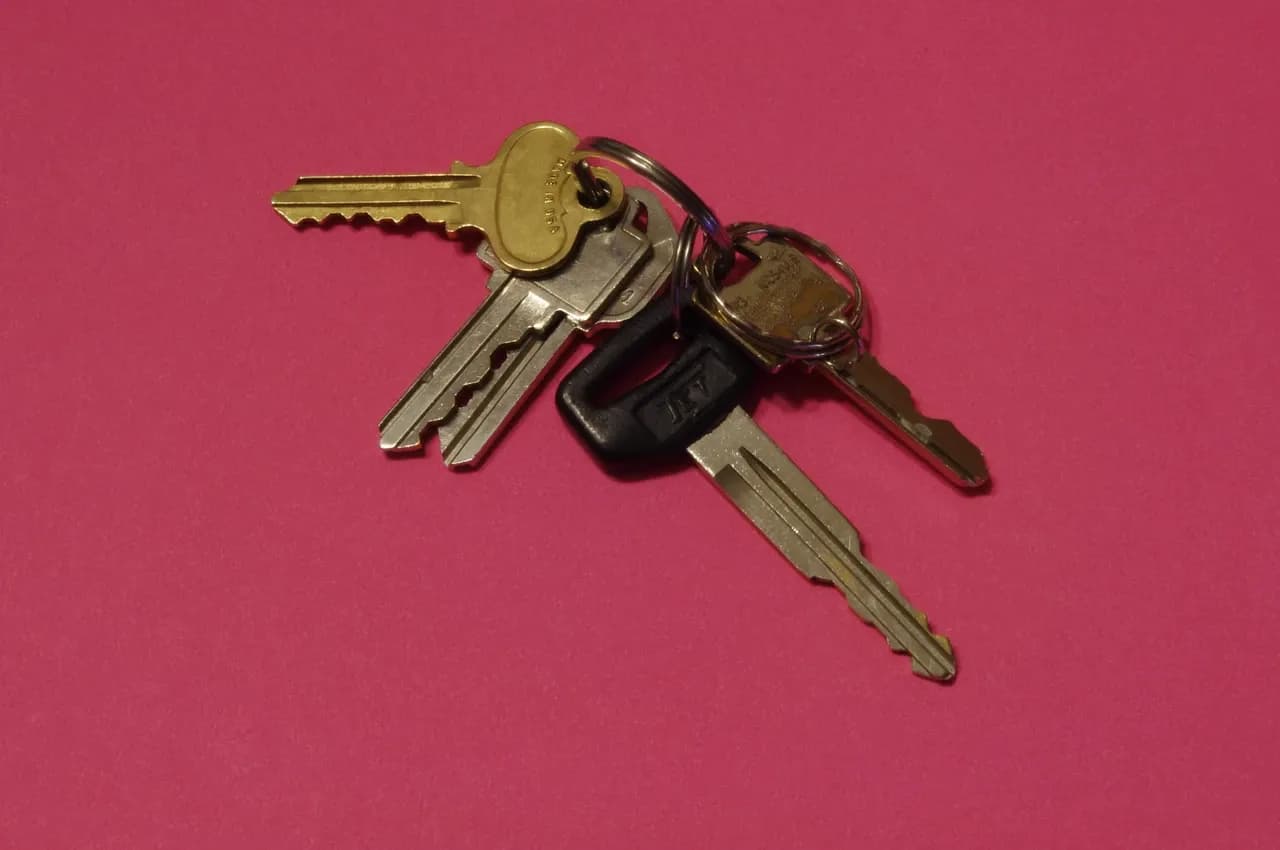
Count each key and label the door or lock it serves without publishing a sensitive access list. Note remote controls, access cards or other entry devices. Identify what will be handed over on the agreed date and what is still missing. If meters are present, photograph the displayed reading and date with the relevant parties, but do not guess which account or charge belongs to whom. The agreement and local service records need separate review.
Keep a distinct list of movable items that may be removed before occupancy. The fixtures and contents guide was written for a purchase, but its room-by-room distinction between included and merely visible objects helps here. A lamp in listing photographs might belong to the current occupant; a wardrobe might be fixed or freestanding. Put the decision in the actual tenancy documents and use the inventory to show what was physically present at handover.
Let both sides check the draft
Send the proposed inventory before or at handover, then walk through it together where practical. Allow a way to note a disagreement or missing photograph. A rushed signature on an unread list can create more confusion than no list at all. Preserve the version each person saw and attach dated corrections without erasing the first record. If a third party conducts the check-in, record their role and ask what authority they have to agree a change. The manager scope guide separates access and reporting from legal decisions.
Camden Council's inventory checklist tells UK renters to examine the condition record before signing; Hull City Council's inventory guidance describes a list of provided items with their condition and suggests photographs of existing damage. Those are local UK practices, not Syrian legal rules. Their transferable lesson is that a useful inventory should be accurate, reviewable and kept by both sides. Ask an independent Syrian lawyer how the record should relate to the actual tenancy, handover and any payment evidence.
Store a usable handover record
Create a final packet containing the agreed inventory, original images, key count, dated corrections and a note of unresolved items. Give each side an accessible copy through an appropriate secure channel. Keep a short index so a photograph can be matched to a room and line item. Do not post the inventory publicly: it may show possessions, security details and personal information. If a repair is promised after occupation, record its separate scope, responsible person and follow-up date. The inventory should not falsely show it as completed.
When the tenancy ends, a later condition record can refer to the same rooms and items. Do not assume every difference is chargeable; ordinary use, repairs, agreement terms and applicable law require separate consideration. The purpose of the original inventory is to preserve a fair starting point. Done carefully, it leaves less to memory and more to a dated, shared account of the property actually handed over.
Continue your research
Keeping Property Viewing Feedback Useful When Selling
Organise property viewing feedback in Syria by visit, source and unresolved question, then track clear follow-up without treating comments as market evidence.
Read more
Preparing Limited Property Document Copies for Sharing
Prepare clearly labelled property document copies in Syria for a defined recipient and purpose, preserving originals and checking exported files and later versions.
Read moreSources & review
Last reviewed:
PUT YOUR RESEARCH TO WORK
Start with a place.
Explore Syria’s cities and narrow your property search.