Blog
Better Comparisons
Better Comparisons helps you judge Syrian property candidates through household needs, dated evidence and clear questions about space, condition and access.…
Read more
Independent choices become easier when every candidate is examined on the same basis. This section brings together the small details that can change a home search: what a photograph leaves outside the frame, what building age does and does not tell you, how an arrival route works and when another viewing has a useful purpose. It helps you organise observations without turning them into unsupported technical, legal or market conclusions.
Choose the comparison before choosing the favourite
Begin with the reason your household is searching. A suitable home may need a particular room arrangement, an arrival route that works for the people using it or space for activities that do not appear in a listing photograph. Describe those needs before giving special weight to a balcony, a new finish or a broad neighbourhood label.
Apply the same questions to each candidate. If one home has been seen in person and another only in photographs, record that difference. A fuller evidence folder does not automatically make a property more suitable; it may simply reveal more uncertainties. Keep the strength of the evidence separate from your preference for the home.
Read photographs as selected views
An image records a scene from a position, with a particular field of view and exposure. It cannot show every connection between rooms or establish the dimensions that matter to your household. Ask what stands behind the camera, where a doorway leads and whether the advertised outlook belongs to the exact unit under consideration.
A wide image can be useful for orientation while still giving an impression that needs checking against a plan or appropriate measurements. Adobe's discussion of wide-angle correction explains how lens characteristics can curve lines in photographs. That is context about imaging, not a diagnosis of a building. Do not use an unusual-looking wall in a photograph to declare structural damage or to dismiss a real concern without an assessment.
Keep supplied pictures attached to the property reference and any stated date. A photograph from a different unit, an old advertisement or an unidentified location should not silently become evidence for the home you are comparing. When the origin is unclear, label the uncertainty and ask for clarification.
Compare newer and older homes through their actual needs
Building age is one part of the record, not a complete account of quality. A newer apartment can still need investigation of shared arrangements, workmanship or intended use. An older home may have features the household values, alongside questions about condition and proposed work. Inspect the exact candidate and seek the appropriate independent reviews.
Distinguish what is visible from what remains concealed or untested. A fresh surface does not establish what lies behind it. Equally, a dated decorative finish does not by itself show that major repair is needed. Record physical observations precisely and give material concerns to a qualified specialist with an agreed scope.
RICS describes professional home surveys as inspections and written reports, with services related to the property and the chosen scope. Its consumer guidance applies to UK services and is cited only to explain the difference between a viewing and a professional assessment. It does not establish Syrian practice, inspection qualifications or a level of protection for the property you are considering.
Give the arrival route its own comparison
The route from the street to the apartment can affect daily use as much as the rooms themselves. Record the relevant entrances, changes of level, shared doors, stairs and any equipment being discussed. Consider the people who would use that route and the tasks they need to carry out, including shopping, visitors and moving furniture.
A photograph of an empty parking place does not establish an entitlement to use it. A demonstration of a lift does not establish its continuing availability or safety. Separate the observation from the claimed arrangement, then identify what needs written confirmation or independent review. Respect residents' privacy and access restrictions while gathering information.
Use a second visit to answer a specific question
Return when you can explain what the appointment should clarify. You may need a better understanding of a room connection, an agreed measurement or a look at a shared area omitted the first time. A second viewing with no clear question can leave the search with more impressions and little better evidence.
Some answers need documents or a specialist rather than another viewing. Keep those enquiries separate and identify the person responsible. If the new observation differs from the first record, retain both versions with their circumstances. Ask for an explanation before treating the difference as proof of a problem or simply ignoring it.
Keep the decision understandable to another reader
After gathering the evidence, write down which needs the candidate appears to meet, which answers are supported and which material questions remain open. A useful outcome may be to continue the enquiry, request an independent review, revisit for a defined task or remove the home from the shortlist. It does not have to be an immediate commitment.
Avoid a scoring system that disguises uncertainty. A precise-looking total cannot improve an unverified area figure or a vague parking claim. Plain descriptions often work better: a room arrangement fits the brief, subject to the missing dimensions; an access question remains unresolved; a proposed alteration needs its own assessment and cost review.
Keep the alternatives visible and apply any changed household priority to all of them. The purpose of a better comparison is a decision you can explain from the record. It should still make sense after the excitement of the viewing has faded and a different family member reads the notes.
The section photograph shows Homs shopfronts and different building facades in September 2008. It provides dated urban context for comparing what can be observed. It does not establish current condition, availability or the identities of the properties you are researching.



Comparing Property Marketing Proposals Before Selling
Compare property marketing proposals by checking listing preparation, advertising placements, enquiry handling, viewing attendance and the work left to you.
Read more
Comparing Cleaning Quotes Before a Property Handover
Compare cleaning quotes before a property handover by checking rooms, cupboard interiors, furniture, preparation, timing and the tasks included in each offer.
Read more
Comparing Moving Quotes Before a Property Handover
Compare moving quotes by the belongings, collection and delivery tasks, packing, timing and exclusions before arranging your property handover and move.
Read moreComparing Property Insurance Quotes Beyond the Premium
Compare property insurance quotes by property scope, insured amounts, exclusions and claim contributions, then clarify when the proposed cover would take effect.
Read more
Comparing Homes for a Regular Work-from-Home Routine
Compare homes for working from home in Syria: test daily room use, workstation space, call privacy, service dependencies and realistic household compromises.
Read more
Checking the Furniture Delivery Route Before Buying an Apartment
Check an apartment furniture delivery route in Syria: identify essential items, their delivery form, route questions and the conditions of a provider assessment.
Read more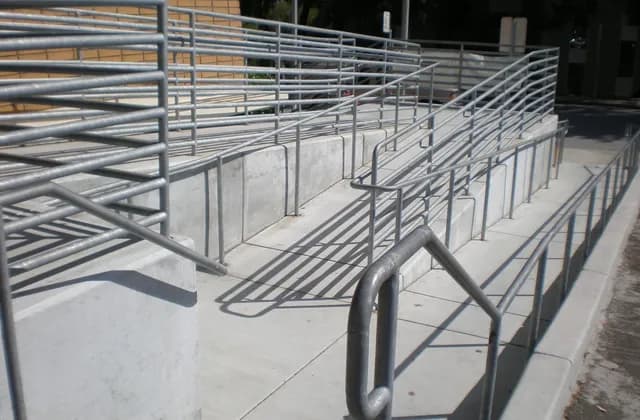
Choosing a Home with Household Mobility Needs in Mind
Compare homes in Syria through household mobility routines, room transitions, shared equipment and questions for a qualified person-specific assessment.
Read more
Checking Internet Availability at the Exact Home Address
Check internet availability at a Syrian home address through provider confirmation, permissioned tests and questions about installation and accounts.
Read more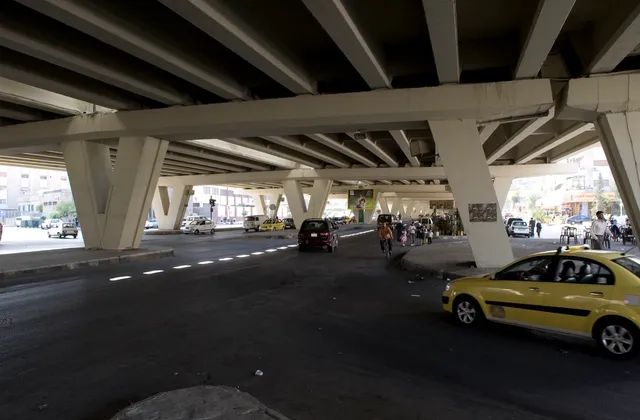
Checking Noise Before Choosing a Home in Syria
Check noise before choosing a home in Syria with room-specific observations, window conditions, useful questions and a dated record for your next visit.
Read more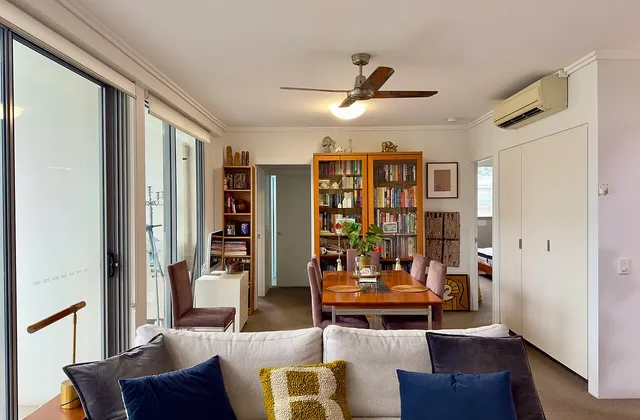
Turning a Property Viewing Into a Clear Decision
Turn a Syrian property viewing into a clear next step using household needs, labelled observations, supported evidence and material questions to resolve.
Read more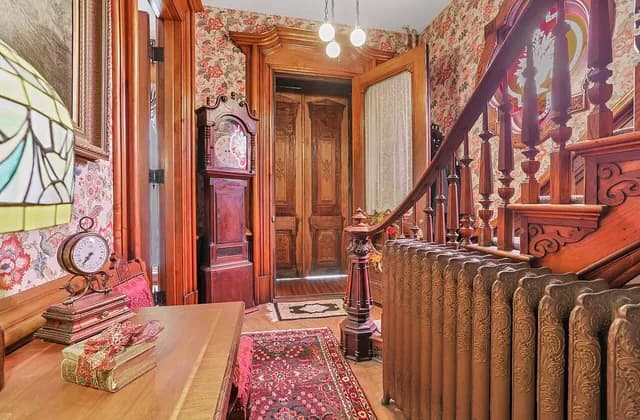
When to Revisit a Property Before Making an Offer
Plan a focused second property viewing in Syria by identifying useful observations, unresolved questions and the independent reviews still needed.
Read more
Parking and Building Access: Small Details with Daily Impact
Review parking claims, entrance routes, shared equipment and moving access with questions about the exact Syrian home and your household needs.
Read more