Investment Handbook
Recording Material and Finish Approvals During a Renovation
Record renovation material and finish approvals in Syria by linking samples, exact product references, responsible decisions, substitutions and delivered items.
In this article
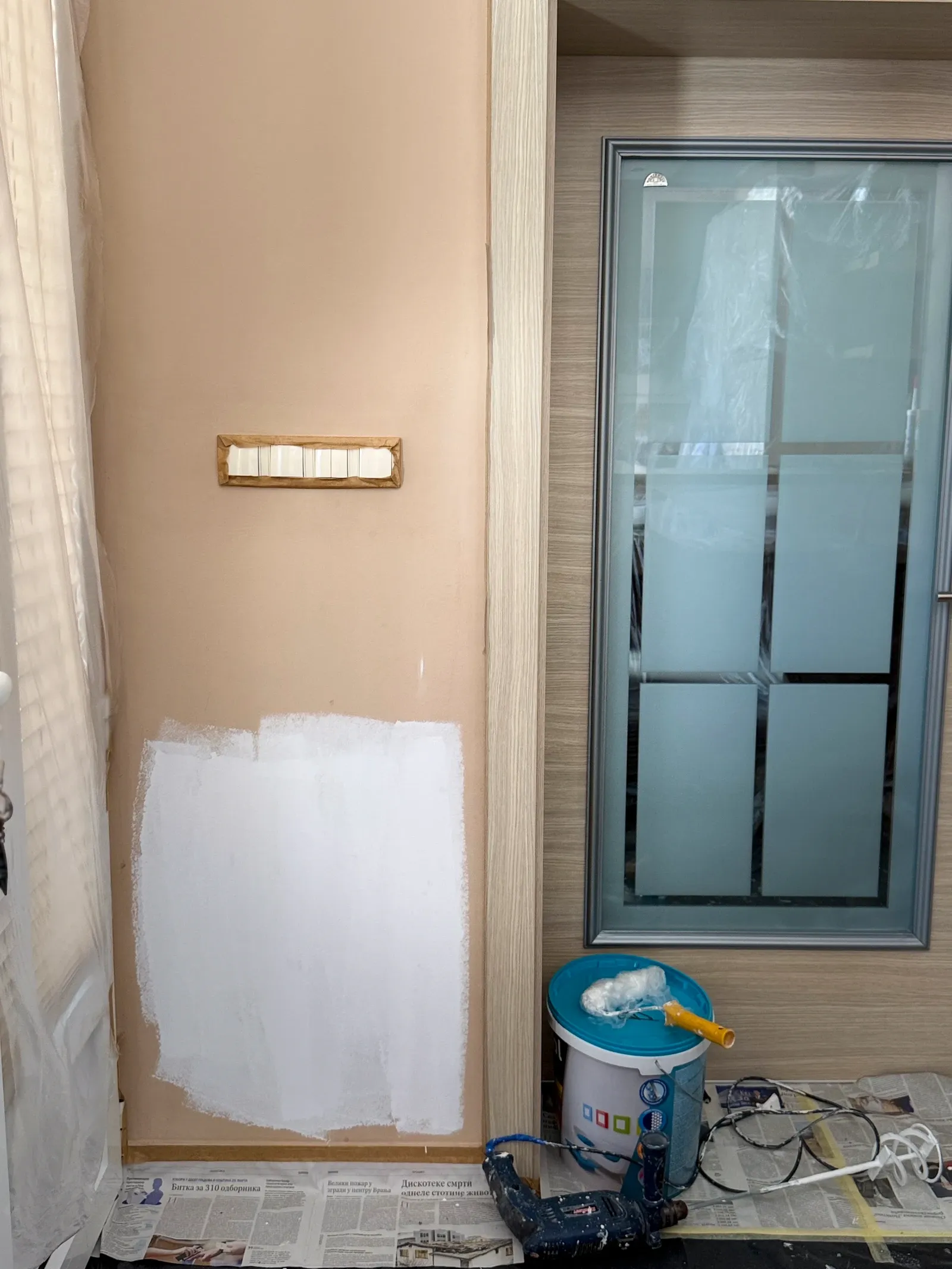

A message saying “that one looks good” can become difficult to interpret when several samples, rooms and product options are being discussed. During a renovation in Syria, give each material or finish decision a reference that connects the physical sample, the exact proposed product and the intended location. Record what the person approved and which questions remain for the contractor or technical adviser. A clear selection record helps prevent an attractive sample from being mistaken for permission to order an unspecified substitute.
This is an owner’s method for communicating choices. It does not establish a material’s suitability, create contractual authority or certify installation. A colour preference, a technical assessment and a spending decision can involve different people. Keep their responses separate enough that a later reader can understand who answered which question.
Give the sample a traceable identity
Start with the room and surface: entrance wall, kitchen cabinet front or bedroom flooring, for example. Give the selection its own short reference. Attach the supplier’s description, manufacturer, product range, identifying code and stated finish where supplied. Preserve a label photograph with permission. If an identifier is missing, ask for it rather than naming the sample only by an approximate colour such as warm beige.
Identify what you actually examined. A printed catalogue, a digital image, a small loose sample and an installed demonstration are different sources. Record the date and who supplied the item. For a loose piece, label its reverse or container without damaging the face being assessed. Keep an agreed reference sample where the people checking deliveries can locate it.
Ask whether the sample represents the proposed product or merely illustrates a general appearance. A showroom board might demonstrate a colour in a different product range from the item being quoted. That distinction deserves a written answer. Your record should allow the supplier to confirm the match, rather than asking the installer to infer it after materials arrive.
Review appearance in the intended setting
Consider the sample beside the surfaces and furnishings that will remain. Record where and under what lighting it was viewed. The Dulux lighting and wall-colour guide recommends checking a tester in differing light. Its limited relevance here is that an appearance decision benefits from context. Its product offers and decorating preferences are not evidence of Syrian availability or a recommendation for your home.
If you are reviewing remotely, ask for both a wider room view and a close view identifying the sample. Keep those images tied to the same reference and date. A photograph can explain location while leaving colour judgement uncertain. State when your response is provisional because you have seen only a screen image, and agree how the final appearance decision will be made.
Describe the particular quality you accepted. You might approve the visible colour while still awaiting a finish description, or accept the general texture subject to seeing the actual proposed item. Avoid a single approved tick for several unanswered characteristics. Where the sample is too small to answer your question, ask the supplier what a more representative comparison would involve before deciding.


Separate the different approvals
Create distinct entries for appearance, technical suitability, quantity and commercial instruction. The owner may choose an appearance; a relevant professional may need to assess compatibility or installation requirements; the person authorised under the actual arrangements may approve ordering. One response should not silently stand in for all three.
Connect the selection to the written scope. Our guide to comparing contractor quotes helps identify what a price includes. The US Federal Trade Commission’s home-improvement guidance likewise discusses written descriptions of work and materials. This article uses that communication point only, without importing US licensing, cancellation, financing or payment rules.
Record the quantity as supplied or assessed by the responsible person, including units and intended coverage. Do not turn your sample approval into a personal calculation of the amount needed. Ask who verifies measurements, wastage assumptions and any associated preparation. Questions about wet areas, heat, structural elements or other technical conditions need suitable professional assessment, even when the finish looks ordinary.
Make substitutions visible before acceptance
Consider a hypothetical renovation in which sample F-03 identifies a matt cabinet front for the kitchen. A later message offers a similarly named colour in a different range with a glossy finish. Calling it the same colour does not explain whether the visible result, dimensions, cost or other relevant characteristics remain comparable. Keep the original selection and attach the proposed alternative as a new version.
Ask the supplier to identify each difference and the reason for the proposal. Record a revised price or timing only when actually supplied; leave unavailable information open. Send technical differences to the appropriate reviewer. An owner’s acceptance of the new appearance should say which version and location it covers, together with any conditions still awaiting resolution.
If a sample is rejected, retain that status in the register so an old photograph cannot later be interpreted as the final choice. Our renovation budget review addresses the corresponding cost decision. Updating the selected item and updating the budget are connected tasks, but neither should erase the earlier proposal.
Carry the reference through delivery and handover
Agree who will compare the delivered descriptions and labels with the approved record. Ask them to report missing identifiers, mixed descriptions or apparent differences before the material disappears into completed work. Record any batch or lot reference actually present, without inventing one or assuming that matching labels prove every performance characteristic.
A discrepancy note should identify the item, delivery date, intended room and precise difference observed. Keep photographs of packaging and the reference sample where appropriate. Obtain the supplier’s explanation and the relevant technical advice before treating a visual difference as acceptable or defective. This record does not itself create a right to reject goods, withhold payment or alter the contract.
At handover, preserve the final product references, approved changes and the location of any retained sample or spare material. Someone arranging a later repair should be able to discover what was selected and what was actually recorded as delivered. The useful result is a short, understandable trail from choice to installed location, with unresolved questions still visible rather than hidden behind a general declaration that the renovation is finished.
Continue your research

Planning a Records Handover When Changing Property Managers
Plan a property manager records handover in Syria, matching deliveries, open tasks and closing reports to named recipients and agreed follow-up actions.
Read more
Preparing a Pre-Work Condition Record for a Renovation
Prepare a dated condition record before renovating a property in Syria, covering retained features, access routes, photo references, review comments and gaps.
Read moreSources & review
Last reviewed:
PUT YOUR RESEARCH TO WORK
Start with a place.
Explore Syria’s cities and narrow your property search.