Blog
Cosmetic Renovation or Major Repair: How to Ask Better Questions
Distinguish a preferred cosmetic update from an unresolved property defect, and learn what evidence to request before estimating repairs in a Syrian home.
In this article
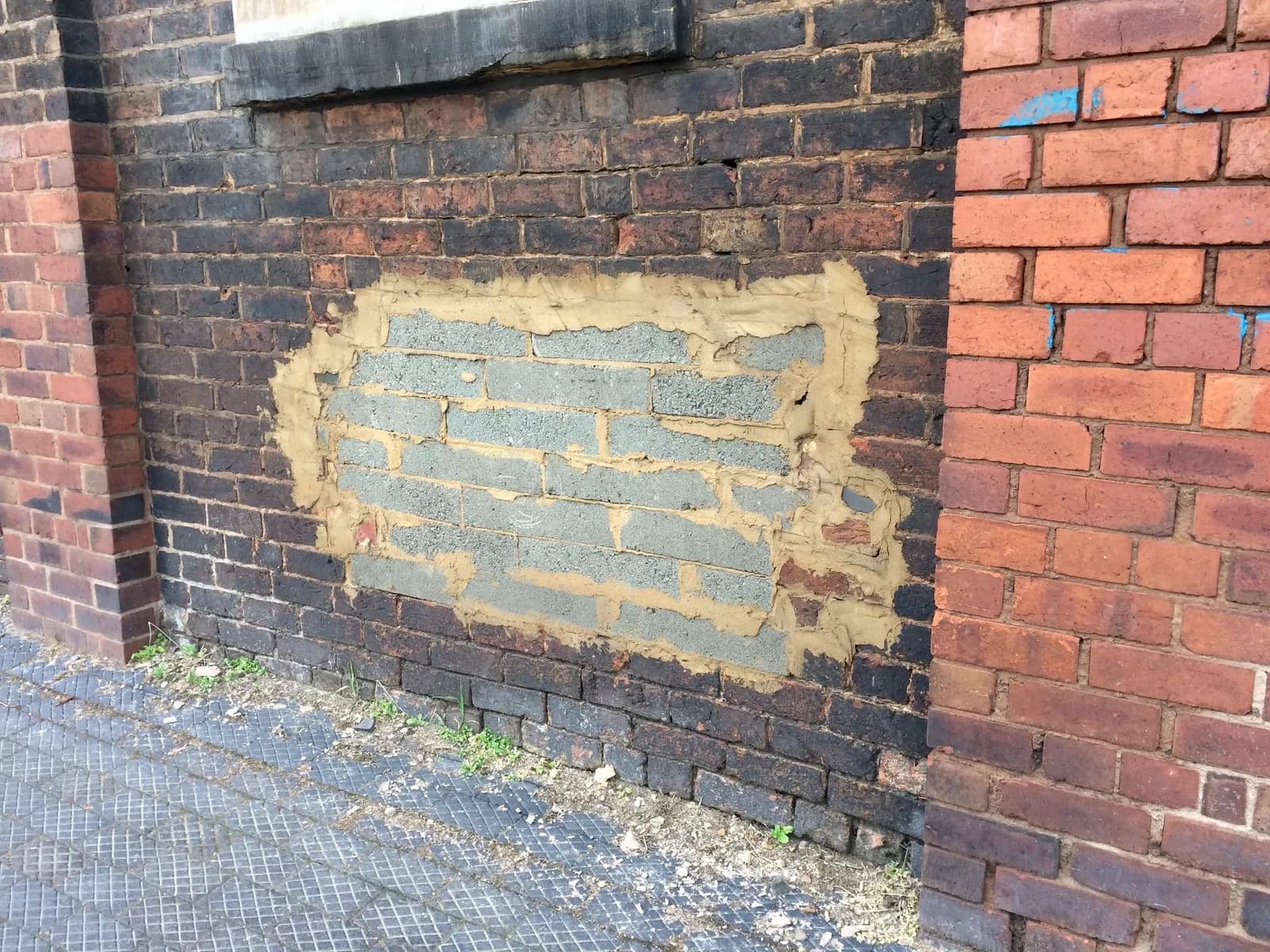

A fresh coat of paint can make a room feel ready to use. It cannot tell you what lies behind a stain, why a door sticks or whether a proposed alteration is straightforward. The practical difference between cosmetic renovation and major repair is not the size of the visible mark. It is the work required to understand and address the underlying issue. When viewing a home in Syria, describe what you can observe, ask for the history and seek an appropriate assessment before building a purchase decision around an assumed remedy.
“Cosmetic” is a useful planning word for work intended mainly to change appearance: decorating, replacing a finish or choosing different fittings. It is not a diagnosis. A job that looks small can expose hidden work once started, and a worn surface may be harmless. Avoid labelling a whole property as an easy refurbishment from listing photographs. Instead, make a room-by-room record of the changes you want and the concerns that need explanation.
Write two lists after the first viewing
Put preferences on one list and condition questions on another. A colour you dislike belongs on the preference list. A discoloured ceiling with an unknown history belongs on the question list. This separation helps prevent a budget for decoration from quietly absorbing the cost of an unexplained defect. It also keeps a buyer from treating a technical concern as evidence that the entire home is unsuitable without investigation.
Give every question a location and a date. “Water mark in the corner of the upper bedroom ceiling, photographed on 30 September” is more useful than “possible leak.” Record what the owner or agent says, including whether they provide a document or only an explanation. Do not change a reported statement into a verified fact in your notes.
Look for a cause, not a quick cover
A mark can be covered by new paint, but the appearance of the surface does not establish that its cause has ended. Ask when the mark first appeared, whether it changed after rain or plumbing use, what work was carried out and whether there are dated records. A clear photograph before and after a reported repair can help establish sequence, though it still cannot prove the repair's adequacy.
The RICS damp and mould consumer guide explains that visible moisture can have several sources and that treatment of a symptom may leave its cause unresolved. Its professional guidance is general and UK-based; it is not a diagnosis of a Syrian building. If moisture, cracking or other signs could change the purchase decision, seek an independent professional who can assess the actual property.
Ask what the proposed job includes
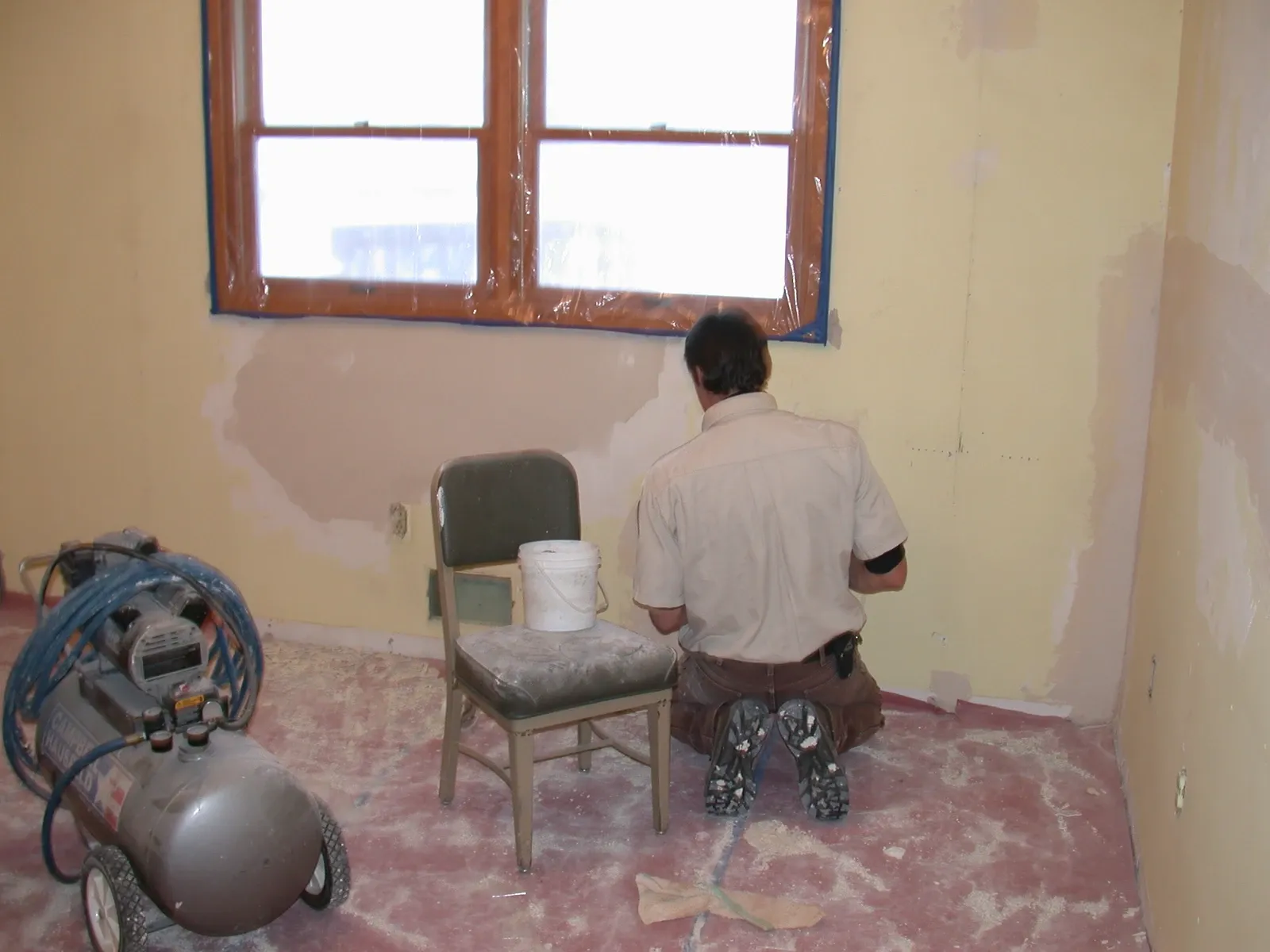
“Renovate the bathroom” might mean new finishes on existing sound services, or it might involve changing plumbing, waterproofing and ventilation. Ask for a written description of the work, the materials and fixtures, what will be removed, and the condition assumptions on which the proposal depends. A rough total without that scope is difficult to compare and may conceal significant exclusions.
Consider access too. Work in an apartment may affect shared stairs, neighbours or building services. Ask which areas the contractor would need and whether the property documents or building arrangements constrain the plan. Do not assume permission for an alteration because another unit appears to have done something similar. A local professional must review the specific proposal and applicable requirements.
.jpg)
Decide when expertise is needed
You can observe a cracked tile or a window that does not close. You generally cannot infer from that observation whether a structural movement, installation fault or simple maintenance issue is responsible. The skill is knowing where your observation ends. Write the question you need answered, then ask a qualified person to explain the inspection they propose and the limits of their conclusion.
The RICS house-survey guide describes how professional surveys in its UK context consider defects, repair options and further investigation. It does not determine which service or professional is available or required in Syria. It is a useful reminder that the buyer's viewing and a condition assessment answer different questions.
Keep the budget in categories
Set up separate lines for appearance changes, confirmed repairs, possible repairs awaiting investigation and professional or document checks. Do not put zero beside an unknown cost; mark it “unpriced” with a next action. A quote for painting may be useful, but it should not stand in for a repair budget if the wall condition is unresolved. Keep contingencies visible without pretending one percentage can cover every uncertainty.
When a professional recommends work, ask for the scope and assumptions behind the recommendation. If a repair requires opening a surface, ask what will happen if additional damage is found and how any change will be agreed. Record timing as well as cost; a property that cannot be comfortably occupied during work may affect your plans. The answer depends on the exact home and contract, not a generic renovation allowance.
Compare the property as it stands
First ask whether the home fits your essential needs today. Then describe the desired future state and the steps between them. If the current layout does not work and your plan depends on moving a wall or service, that dependency is material. A simple mood board cannot establish feasibility or permission. Keep any attractive “potential” as a proposal until the relevant questions are answered.
Read What Makes an Apartment Layout Easy to Live In for a way to test the present arrangement, and Storage Space: The Detail Buyers Often Miss before assuming a fitted-cabinet solution. The practical viewing checklist can help you collect dated observations. None of those guides certifies the condition of a specific Syrian property.
Leave the viewing with a decision, not a diagnosis
For each concern, write one next action: request a record, arrange a second viewing, obtain a specialist assessment or revise the budget. You may decide that the uncertainty is too large for your purposes; that is a valid outcome. You may also learn that a worn finish is a manageable preference rather than a decisive defect. The value of the process is that your choice rests on a visible chain of observations and evidence, rather than on the reassuring or alarming effect of one photograph.
Continue your research
Checking Garden Watering Arrangements Before Buying a Home
Check garden watering before buying a home: identify water points, system coverage, controls, manual tasks, absence arrangements and equipment included.
Read more
A Seasonal Home Maintenance Checklist
Build a property-specific seasonal home maintenance checklist for Syria with safe observations, dated records, assigned actions and professional follow-up.
Read moreSources & review
Last reviewed:
PUT YOUR RESEARCH TO WORK
Start with a place.
Explore Syria’s cities and narrow your property search.