Investment Handbook
Checking Seller-Provided Repair Records Before Buying
Review seller-provided repair records before buying in Syria: connect claims to the property, distinguish documents and identify questions for independent assessment.
In this article


A seller says the bathroom was repaired last year and sends a bill, two photographs and a message from a contractor. Before treating the concern as resolved, connect each item to the precise repair claim. Which bathroom does the bill identify? Does it describe investigation, completed work or materials supplied? What happened after the work? Reviewing that chain gives a buyer a more useful starting point than counting documents or accepting a freshly decorated surface as proof.
For a property purchase in Syria, supplied repair records can help you prepare questions for independent technical and legal advisers. They cannot establish present condition, concealed workmanship, permission or a transferable warranty on their own. The aim is to understand what the seller's evidence actually says, recognise its gaps and decide which answers matter before the next commitment.
Put the claim beside the exact property
Begin with the seller's wording, the date received and the person who supplied it. Preserve “pipe replaced” separately from your interpretation that a leak has been cured. Ask which room, fitting or building element the statement concerns. A general building address may cover several apartments, while a shared roof invoice may describe work beyond the unit you intend to buy.
Attach the property reference used in your purchase file. Keep any different apartment number or room description appearing in the repair papers. Ask the supplier to explain the connection; do not correct the original document yourself. If a drawing or photograph helps locate the work, label it as supplied evidence and identify its source. A recognisable window can support a question without proving that all the surrounding photographs show the same home.
Identify who requested the work and who described the result. Those may be different people. A seller repeating a former owner's account has a different basis from someone who arranged and witnessed the work. Record that distinction without assuming dishonesty or certainty. Your adviser needs the original account and its limits, rather than a summary that silently promotes second-hand information into a verified fact.
Read each document for its actual purpose
A quotation describes proposed work under stated assumptions. An invoice records a charge. A payment record concerns money transferred. An assessment describes findings within its scope. Keep these functions separate when matching the papers to the seller's claim. A paid invoice may support that a transaction occurred while leaving questions about the physical result unanswered.
Look for the issuer, recipient, issue date, location, work description and references to other papers. Ask for missing pages or attachments when the supplied text depends on them. “Works as agreed” is difficult to interpret without the agreement it refers to. A materials receipt may identify a product without showing where it was installed or whether installation formed part of the same assignment.
Where handwriting, language or abbreviations are unclear, request clarification and retain the original alongside any translation or explanation. Do not present your own expanded wording as the contractor's statement. Ask your independent Syrian lawyer what authenticity or contractual enquiries are needed for documents you may rely on. This article does not authenticate issuers, certify copies or prescribe a legally sufficient repair file.

Reconstruct the sequence and the recorded outcome
Arrange the relevant dates in a short chronology: reported problem, investigation, proposed work, stated completion and later observations. Keep document dates distinct from work dates. An invoice issued in a later month does not establish that the repair happened then. If the only date is when a photograph was sent, describe it that way until its capture date and connection to the work are established.
Ask what the recorded result means. Was a symptom covered, a component replaced or a cause assessed? Which areas were excluded? Was there a follow-up, and under what conditions? The seller may have no later record. Mark that as an evidence gap rather than declaring either success or failure. Our guide to building a property repair log explains the owner's continuing record; your buyer-side task is to review the history supplied, including what it cannot demonstrate.
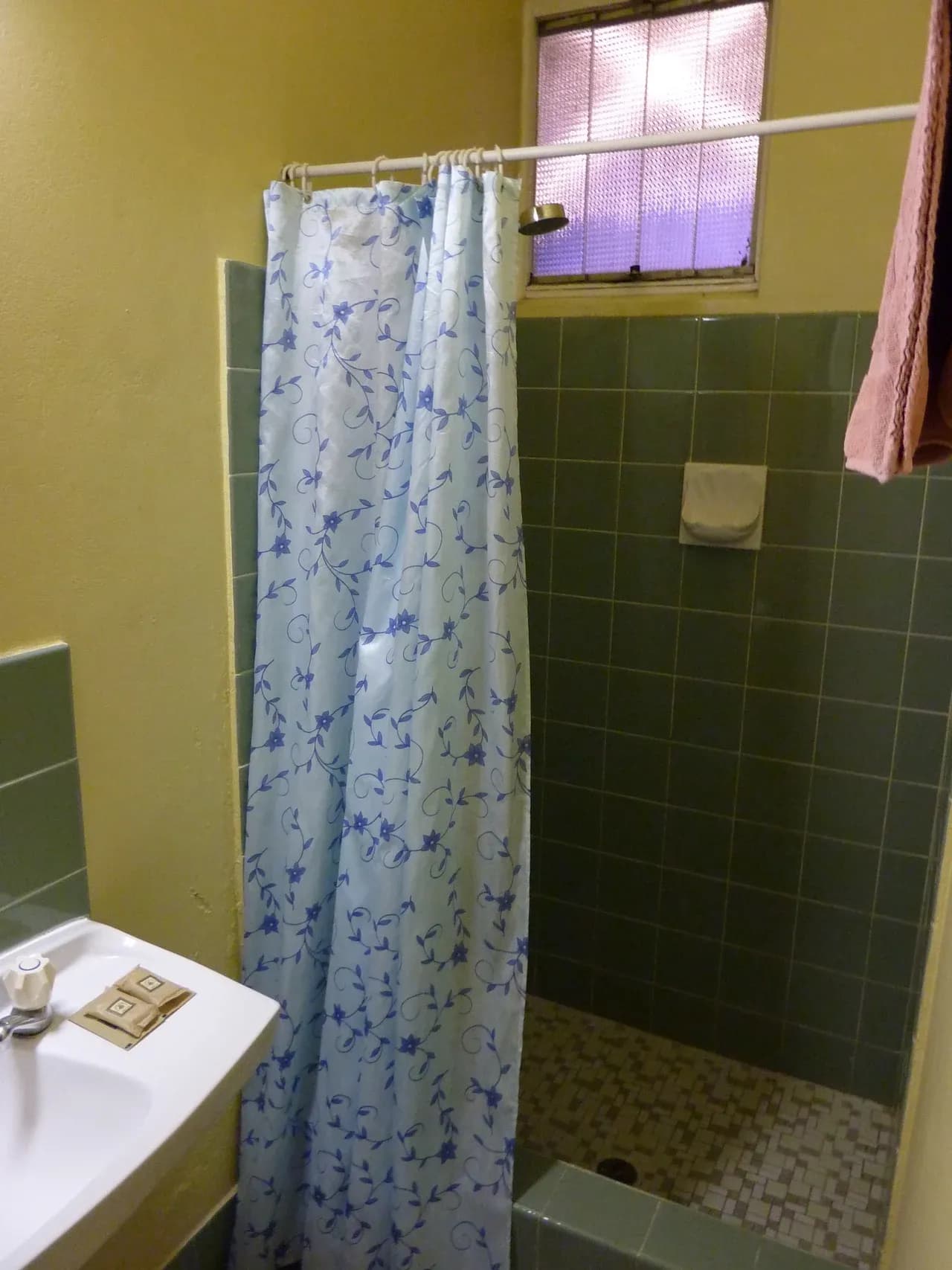
In a fictional example, the seller calls an invoice a bathroom leak repair. Its description records tile replacement, and the attached photograph shows the finished wall. The papers do not explain whether a pipe was investigated. The next question is about the work's scope and any findings behind the finish. It is not a buyer's diagnosis that the pipe leaks, nor a conclusion that the attractive wall confirms the problem is gone.
Bring conflicts and missing evidence to an assessor
Prepare a compact list of discrepancies that affect your decision. A photograph may show a different fitting from the invoice description. An assessment may recommend further enquiry that is absent from the later completion note. Keep both records visible and ask how the difference is explained. One later statement should not erase an earlier limitation without evidence addressing it.
RICS's public UK home-survey overview explains that inaccessible components and specialist questions can require further investigation. It supports asking about the scope of an assessment. Its UK survey levels, qualifications, fees and purchase procedures are not Syrian requirements. Agree the appropriate assignment for the actual asset with a suitably qualified professional.
For moisture-related claims, the EPA's public moisture-control guidance overview describes guidance spanning drainage, building elements, plumbing and maintenance. That broad scope is background for asking what was investigated. It does not identify a cause here, validate a seller's remedy or supply a universal test for your home.
Send the assessor the specific claim, its supporting papers and your unresolved questions. The property inspection brief helps define that separate assignment. Obtain authorised access and respect occupants' privacy. Avoid opening fittings, disturbing finishes or arranging unsafe access to fill a documentary gap yourself.
Keep future promises outside the completed history
If the seller offers additional work before handover, record it separately from the earlier repair evidence. Ask what result is proposed, which spaces it covers, who will do it and what documentation or independent assessment may be appropriate. Have your advisers review the arrangements before relying on them. A future promise cannot retrospectively confirm the scope or effectiveness of a past repair.
Preserve any actual guarantee, warranty or service document with its issuer, date, covered work and exclusions. Ask your lawyer to assess whether it applies to the proposed buyer and circumstances. The existence of a document does not establish transferability, enforceability or current coverage. Avoid assigning a value to protection that has not been reviewed.
Finish with a purchase-specific action note: the repair claim, evidence understood, uncertainty remaining, person who can address it and decision awaiting that answer. Keep unrelated improvements out of this short list. You then have a clear basis for further enquiry without mistaking an orderly bundle of papers for a certificate that the property is sound.
Continue your research

Reading Building Meeting Minutes Before Buying an Apartment
Read building meeting minutes before buying an apartment in Syria, tracing proposals, recorded decisions, missing attachments and unanswered purchase questions.
Read more
Checking Household Waste Arrangements Before Buying an Apartment
Check an apartment’s household waste route, storage, collection point and stated responsibilities before buying, with clear questions for missing arrangements.
Read moreSources & review
Last reviewed:
PUT YOUR RESEARCH TO WORK
Start with a place.
Explore Syria’s cities and narrow your property search.