Blog
Checking Noise Before Choosing a Home in Syria
Check noise before choosing a home in Syria with room-specific observations, window conditions, useful questions and a dated record for your next visit.
In this article


A useful noise check starts with the rooms you expect to use and the times you expect to use them. During a property search in Syria, visit the proposed bedroom, working corner and living room, pause the conversation, and record what you can actually hear. Repeat the observation under ordinary window conditions if permission and access allow. One quiet afternoon cannot establish how a home sounds every evening, but a dated record can reveal which questions deserve another visit.
This guide helps you organise that record. It does not assign noise ratings to Syrian neighbourhoods, establish a legal limit or certify a building's sound insulation. The objective is a clearer household decision: whether the evidence you have fits your routine, and what remains unknown before you commit.
Start with the hours that matter to your household
Describe your routine before asking whether a neighbourhood is quiet. Someone working early mornings may be concerned about evening activity. A person making video calls needs usable daytime conditions in a particular room. A household with different sleep schedules may need to examine sound between rooms as well as sound from outside.
Write down two or three periods that matter most, the rooms you would use, and an ordinary activity for each period. For example: a bedroom during your usual sleeping hours, a desk during a work call, and a sitting area when the household is together. These are your practical priorities, not a universal comfort score.
The World Health Organization identifies transport and building sites among important environmental noise sources and includes sleep disturbance among the effects of excessive noise in its environmental noise guidance. That background explains why sound deserves attention. It does not turn a short viewing into a health assessment or establish the exposure at a particular home.
Listen from the room, not just the pavement
Ask to spend a short period quietly in the proposed bedroom. Stand or sit where you would normally use the room rather than remaining beside the entrance with the viewing conversation continuing. Note whether a sound seems continuous, intermittent or a single event. If its origin is uncertain, say so: “brief vibration near the wall” is more useful than confidently naming equipment you have not identified.
Consider different positions within the home. A street-facing room and a room towards an internal space may sound different during the same visit. The entrance, stairwell, adjacent rooms and outdoor space can also help you identify a question about how the home is used. Do not deliberately disturb occupants or test neighbours by creating noise.
With permission, compare the same room with the window closed and in the position you would ordinarily use for ventilation. Record the window position each time. An observation made with everything closed should not be treated as evidence for sleeping with a window open. Coordinate this with the questions in our ventilation and damp guide, rather than choosing sound comfort without considering how you intend to ventilate the room.
Give each observation a time and a context
Use a brief event record instead of a bare “quiet” or “noisy” label. Include the date, approximate time, room, window position, sound you noticed and the activity it affected. Keep the source of each statement visible: personally heard, described by someone else, or still uncertain.
A fictional note might read: “Tuesday, about 16:20, proposed bedroom, window partly open. Several vehicle sounds during a five-minute pause. Conversation remained possible. Evening and overnight conditions not observed.” The note makes a limited observation reproducible; it does not establish average exposure or claim that the same pattern occurs every Tuesday.
Add relevant context, such as visible road works during the visit or a piece of building equipment that someone says was temporarily switched off. Ask what normally happens and who can confirm it. Keep the reply separate from your own observation. A person may describe their experience accurately while using the home at completely different times from you.
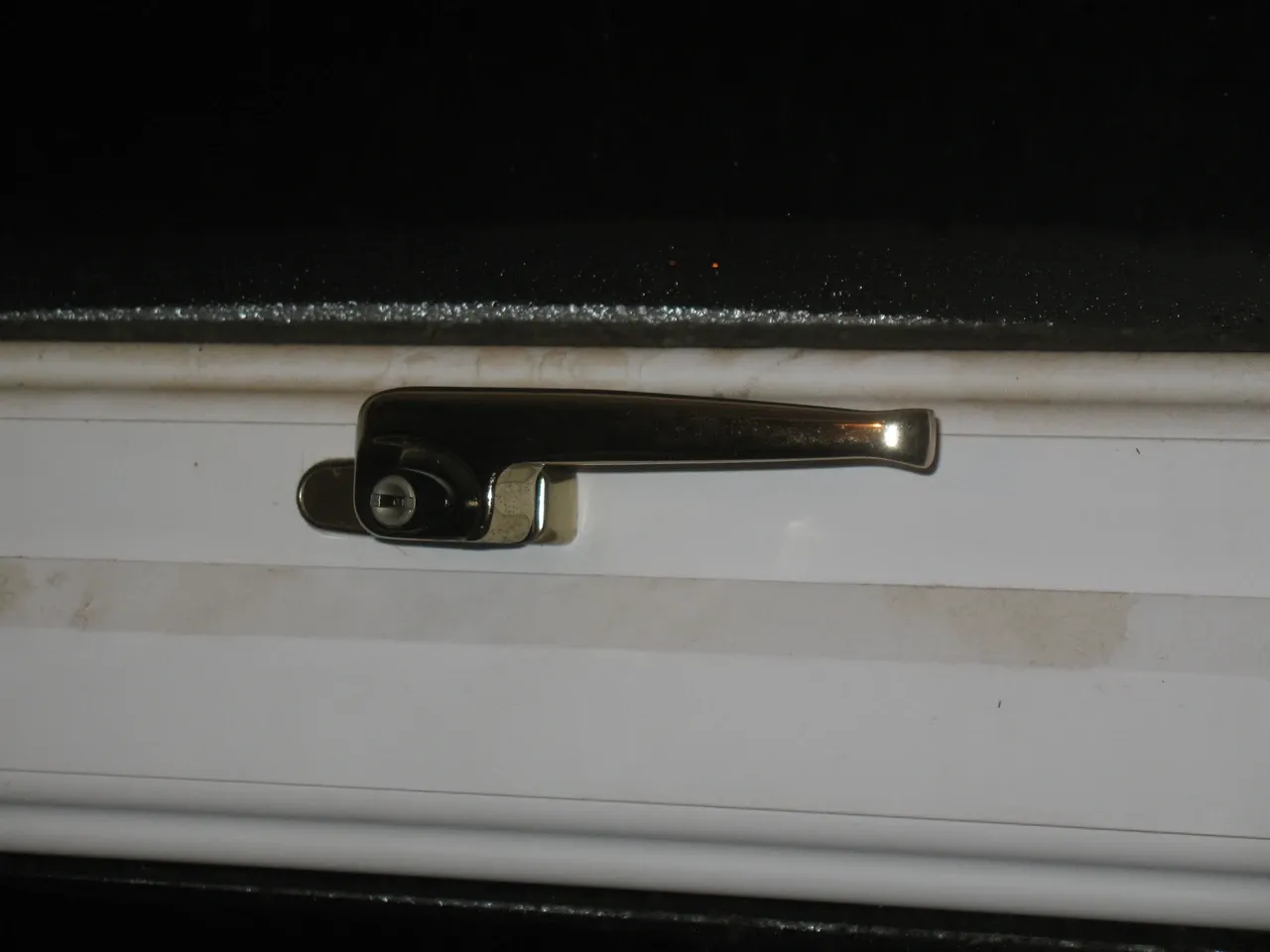
The archive photograph accompanying this article shows vehicles and pedestrians beneath an elevated road in Damascus al-Midan in September 2008. The separate window-handle photograph dates to November 2013 and illustrates a detail to note during an observation. Neither photograph records sound, demonstrates insulation performance, represents a current Syrian listing or establishes present neighbourhood conditions.

Ask questions that can be answered specifically
Replace “Is there any noise?” with questions connected to the exact room and routine. Which nearby activities are reported to happen in the periods that matter to you? Is shared equipment operated close to that room? What is known about its operating pattern? Are there building arrangements affecting the use of entrances or common areas?
Ask for the basis of assurances. “It is always quiet” needs a period of experience and an explanation of what was observed. A general claim about an entire district cannot settle conditions at a particular facade, floor or bedroom. Nearby commercial activity may also vary by day; confirm the relevant activity rather than assuming a timetable from a sign or an old map.
Do not promise yourself that a proposed alteration will solve the concern. Ask an appropriately qualified specialist what could be assessed, what information they need and what limitations apply. Replacement windows, changes to shared equipment or other works involve property-specific questions about suitability, permission, installation and cost. A seller's suggested solution is a proposal to investigate, not an established outcome.
Keep recordings and measurements in proportion
Ask permission before making a recording, avoid capturing private conversations, and do not publish identifiable occupants or neighbours without appropriate permission. A short audio clip can help you remember an event, but its usefulness depends on what was recorded and how it was captured. Keep its date and position with it, and preserve your written notes too.
Do not present a phone reading or a brief recording as a compliance certificate. If the decision depends on a technical acoustic assessment, discuss the measurement purpose, method, equipment, observation period and reporting limits with a qualified professional. Ask whether they can investigate the source and conditions you care about, rather than buying a report whose scope leaves the main question unanswered.
RICS describes limitations involving inaccessible areas and specialist knowledge in its UK home-survey consumer guidance. The useful principle here is to define the assignment and its limits. UK survey categories, fees and legal procedures are not requirements for a Syrian purchase, and a general viewing is not an acoustic inspection.
Use the record to choose the next step
Compare candidate homes using the same household periods and similar observation conditions where possible. If one was visited at midday and another in the evening, keep that difference visible. “Less noticeable during this visit” is an observation; “the quieter home” may require evidence you have not collected.
Identify the uncertainty that could change your choice. It might justify a focused return visit, an enquiry about a specific operating pattern, or professional assessment. Arrange access only when it is appropriate and practical. If a relevant period cannot be observed, record that limitation instead of filling the gap with an assumption.
Finish with one clear action for each important concern and the evidence that would resolve it. That leaves you with a manageable decision record: what you heard, when you heard it, how it relates to your routine, and what you still need to know.
Continue your research

Comparing Property Marketing Proposals Before Selling
Compare property marketing proposals by checking listing preparation, advertising placements, enquiry handling, viewing attendance and the work left to you.
Read more
Comparing Cleaning Quotes Before a Property Handover
Compare cleaning quotes before a property handover by checking rooms, cupboard interiors, furniture, preparation, timing and the tasks included in each offer.
Read moreSources & review
Last reviewed:
PUT YOUR RESEARCH TO WORK
Start with a place.
Explore Syria’s cities and narrow your property search.