About Syria
Syria UNESCO World Heritage Sites: An Introduction
Explore Syria’s six UNESCO World Heritage entries, their inscription dates and scope, with real archive photographs and links to the official records.
In this article

Syria has six properties on the UNESCO World Heritage List, all in the cultural category, according to the World Heritage Centre's country record checked on 2 October 2026. They include historic cities, an archaeological site, a pair of castles and a group of ancient villages. Six entries therefore does not mean six isolated monuments or six stops that can automatically be combined into a journey.
This introduction explains what those entries cover and how to use their records. It is a starting point for cultural research, not an assessment of present access, safety or the condition of a building. The photographs show Bosra and Crac des Chevaliers in 2008 and 2010. Their dates belong to the images; they are not evidence of what a visitor would find today.
The six inscriptions and their dates
UNESCO's Syrian Arab Republic country page lists the Ancient City of Damascus, inscribed in 1979; the Ancient City of Bosra and the Site of Palmyra, both in 1980; the Ancient City of Aleppo, in 1986; Crac des Chevaliers and Qal’at Salah El-Din, in 2006; and the Ancient Villages of Northern Syria, in 2011. These are inscription dates, not construction dates or the dates when places first became historically important.
Use the official entry name when searching. Alternative spellings can be useful, but a familiar landmark name may lead to a narrower subject than the inscribed property. The record number, map and component information help distinguish the two. This is particularly valuable when a search result shows only a theatre, citadel or church.
Damascus and Aleppo: read the city around the monument
The Ancient City of Damascus entry concerns a historic urban setting with monuments from different periods. Its cultural importance cannot be understood through one landmark photograph alone. Streets, neighbouring buildings and the relationship between them belong in the research alongside the major monuments. Our introduction to Damascus through its historic centre offers a place to begin that wider reading.
The Ancient City of Aleppo entry likewise describes a city with successive historical layers. A citadel view can orient a reader, but the UNESCO title refers to more than the elevated fortification. Compare a general map with a photograph's identified viewpoint before deciding which part of the city it represents. The guide to the Citadel of Aleppo and its setting keeps that distinction visible.
Bosra and Palmyra: two different archaeological settings
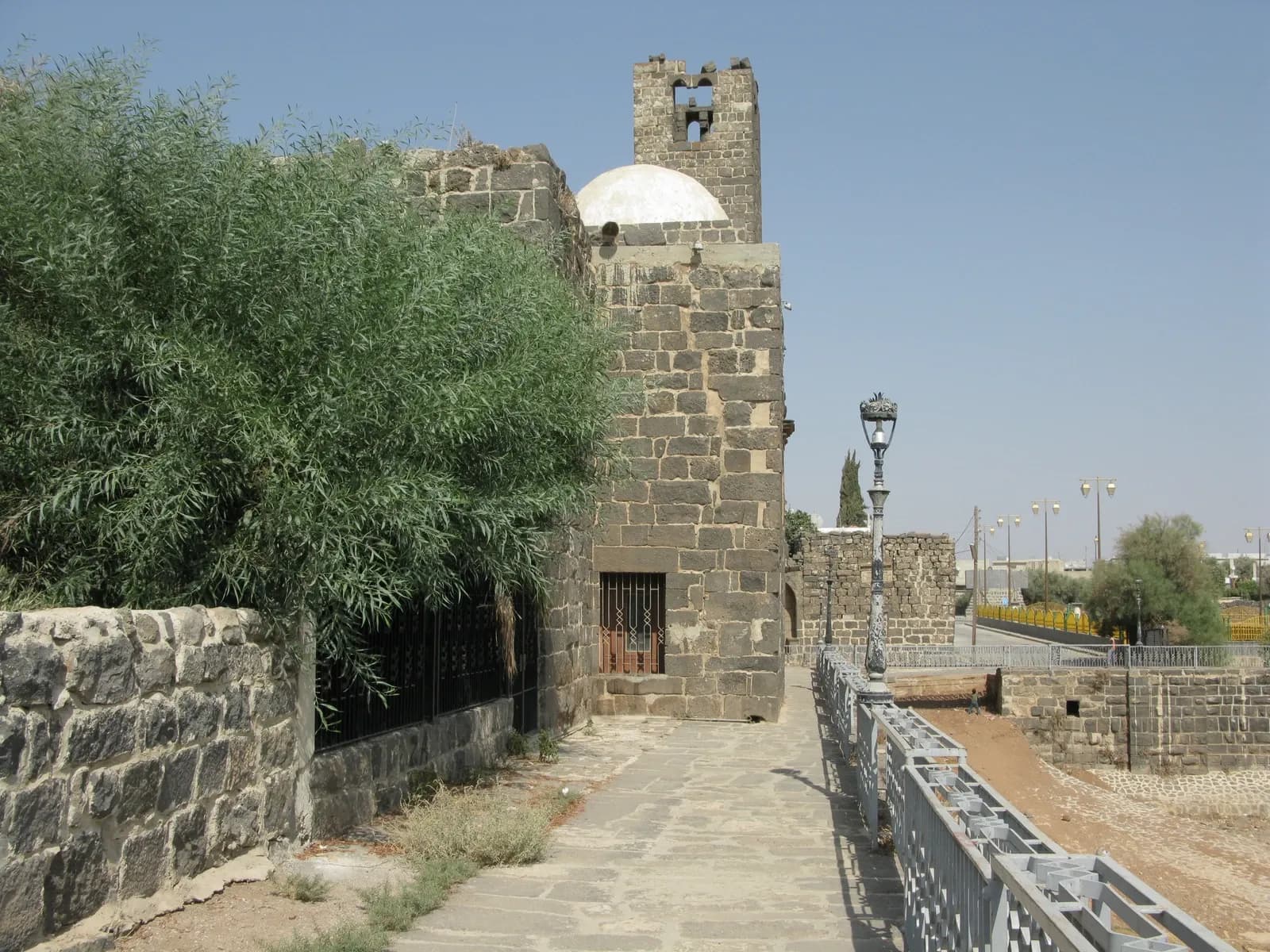
The Ancient City of Bosra record places its Roman theatre within a broader historic town that also contains later religious and architectural remains. The archive image here shows stone walls and a paved passage at Bosra, identified by its photographer with the citadel setting. It is a useful introduction to a particular part of Bosra, not an illustration of every feature included in the city entry.
Read more about those relationships in Bosra's historic urban landscape. Keep the photographed element and the wider place separate in your notes. This prevents an image label from quietly becoming a description of the entire site.
The Site of Palmyra entry concerns an archaeological setting associated with an ancient city and cultural exchange. Its record and dated conservation information are more useful than a gallery of undated colonnade photographs. Our introduction to Palmyra's archaeological significance explains how to keep historical importance and current evidence apart.

Two castles form one World Heritage entry
Crac des Chevaliers and Qal’at Salah El-Din are named together in one inscription. They are separate places. Counting the entry as one property should not lead a reader to imagine a single castle complex, or to transfer a photograph of one to the other.
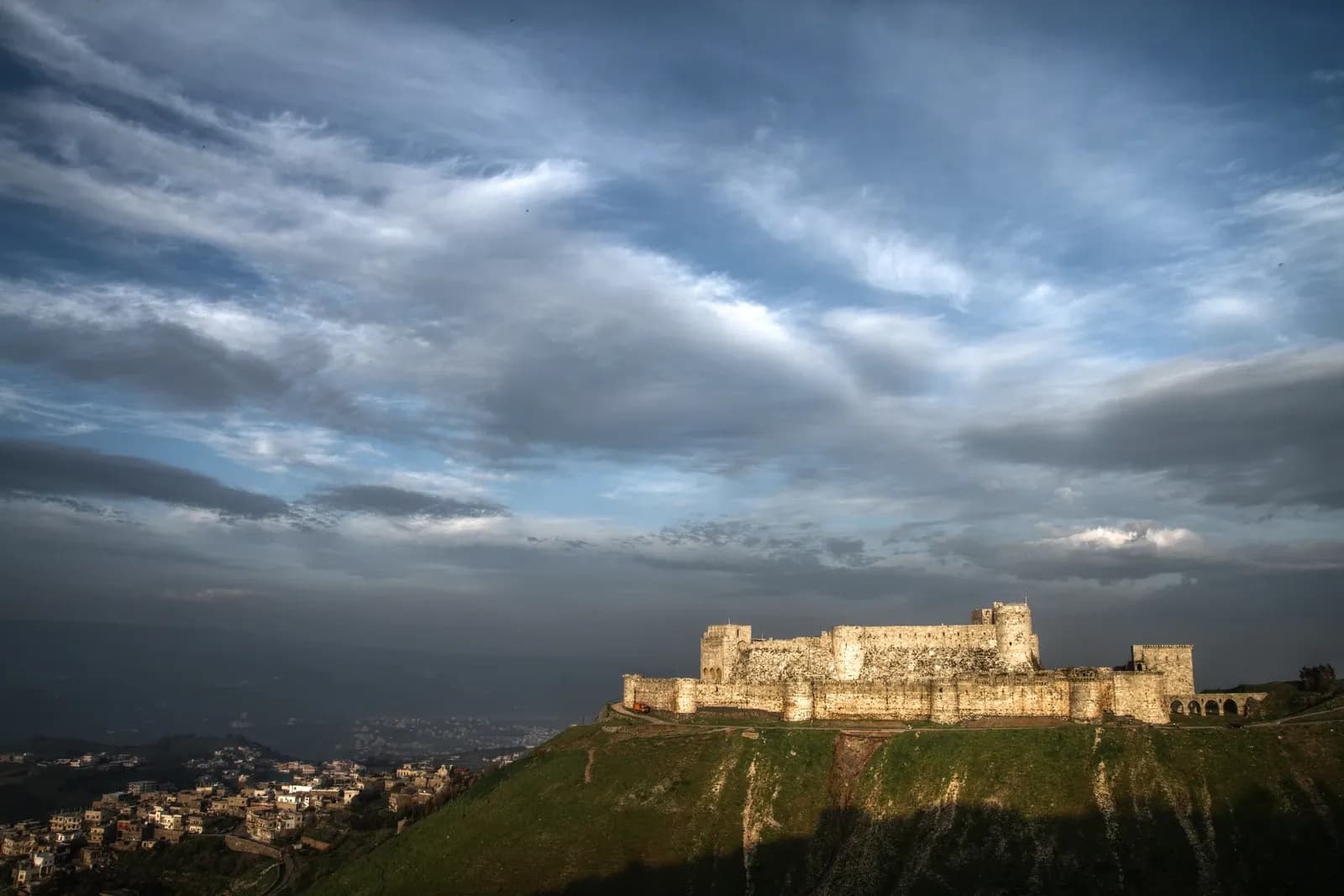
The distant photograph here identifies Crac des Chevaliers. Its broad view helps show a fortified building in its landscape rather than presenting only a doorway or interior passage. Read the individual location details and the official entry together. If researching a journey, permissions or nearby accommodation, obtain current information specific to the place concerned; an inscription date supplies none of those practical answers.
Ancient villages: understand a group rather than one ruin
The Ancient Villages of Northern Syria entry describes roughly forty villages grouped in eight archaeological parks. It highlights evidence of rural life, with buildings and landscapes from late Antiquity and the Byzantine period. This is a distributed collection of places, not a single settlement carrying a convenient shorthand name.
A photograph of one church, dwelling or landscape belongs to its identified component. Before using it to understand another village, check the location. Looking beyond monuments to water storage, agricultural traces and ordinary buildings also broadens the questions you bring to this entry. The official description gives a framework for that reading without establishing the present condition of every surviving element.
Inscribed, tentative and in danger mean different things
The country page includes a Tentative List separately from the inscribed properties. A tentative entry is part of an inventory for possible future nomination; it should not be presented as already inscribed. Check which heading a place appears under before repeating a promotional description.
Similarly, conservation information and the List of World Heritage in Danger concern different questions from the original inscription. Read the date and scope of any report you rely on. A historical description may explain significance while a later document discusses threats or damage. Neither should be silently substituted for current, location-specific access information. This article does not claim to have assessed all current conservation reports.
Use the heritage record as the beginning of research
For each place, save its official name, record number, inscription year, relevant map and the date of the material you consulted. Then state the question you still need to answer. Cultural interest, an intended visit and a proposed property transaction require different evidence.
In particular, a UNESCO entry is not a title document, a valuation or permission for building work. Those questions need the documents and qualified local advice appropriate to the specific property. Used at the right scale, the World Heritage records offer something valuable: a reliable route into Syria's varied urban, archaeological and rural history, with clear names that make further research easier.
Continue your research
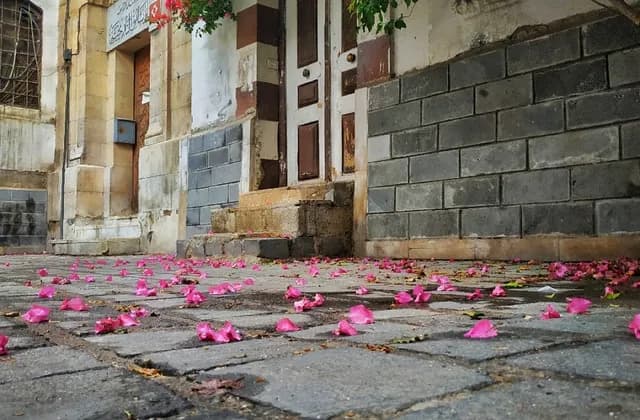
Reading the Difference Between a Historic Site and a Modern Neighbourhood
Distinguish heritage sites, building age and neighbourhood descriptions in Syria, using dated Damascus photographs and clear questions for an exact address.
Read more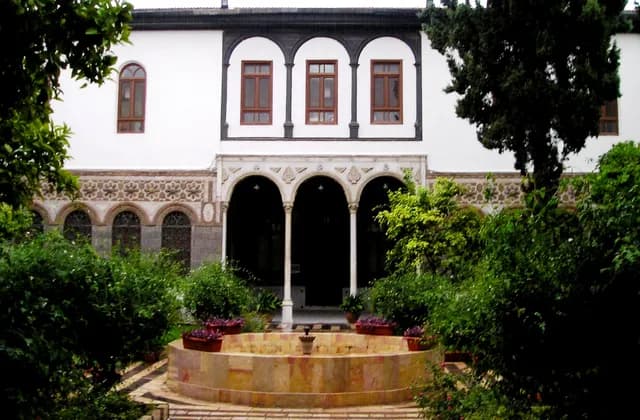
Stone, Courtyards and Shade in Syrian Architecture
Read Syrian architecture through real Damascus photographs, observing courtyard surfaces, patterned walls and shade without assuming building condition.
Read moreSources & review
Last reviewed:
- UNESCO Syria: inscribed and tentative properties, reviewed 2 October 2026
- UNESCO: Ancient City of Damascus
- UNESCO: Ancient City of Aleppo
- UNESCO World Heritage Centre: Ancient City of Bosra site record
- UNESCO: Site of Palmyra
- UNESCO: Crac des Chevaliers and Qal’at Salah El-Din
- UNESCO: Ancient Villages of Northern Syria
PUT YOUR RESEARCH TO WORK
Start with a place.
Explore Syria’s cities and narrow your property search.