Investment Handbook
Understanding an Itemised Renovation Estimate
Read an itemised renovation estimate for a Syrian property by checking inspection basis, scope, quantities, exclusions and revisions before budgeting.
In this article
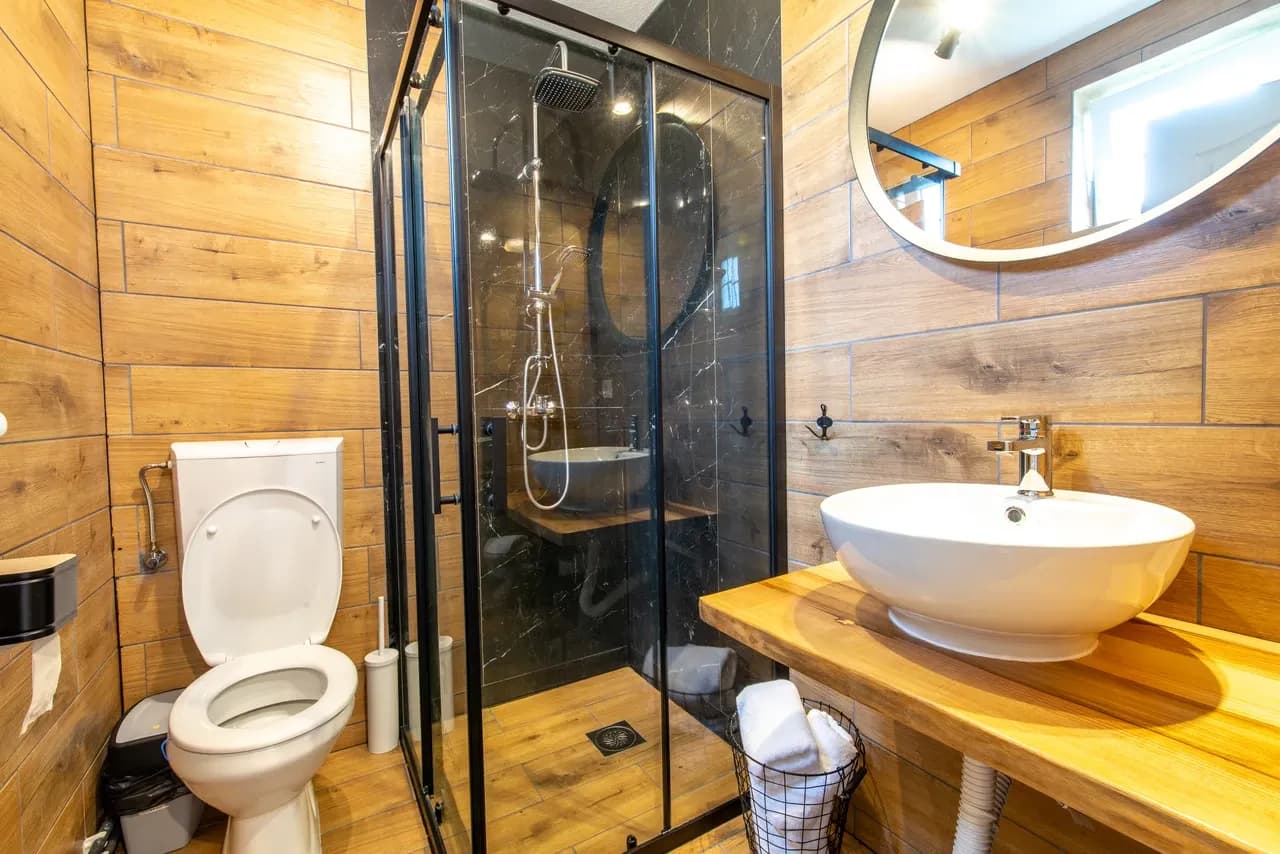

“Renovation: one total” is not enough to tell a buyer what work will be done, whether a defect has been investigated or how much remains outside the quote. An itemised estimate connects each price to a defined task, material, quantity and assumption. For a Syrian property, ask qualified local professionals to inspect the actual spaces and confirm the scope. This guide helps read and compare their documents. It does not supply local labour rates, approve a contractor, diagnose a defect or predict the final cost.
Find the inspection basis first
Before comparing totals, ask how each estimate was prepared. Did the contractor visit the unit? Which rooms, roof, basement and service spaces were accessible? Was the quote based only on photographs or the seller's description? Who prepared it and when? A line for wall repair means little if the wall was hidden or the cause of damage was not assessed. Keep the original estimate and the site notes together. Mark any unseen area as an open issue, not a zero-cost area.
The RICS consumer guide to home surveys explains in its UK context why a condition assessment may lead to further investigation and written repair quotes. Its survey levels and legal references do not apply as Syrian requirements. The useful principle is to get the right technical evidence before pricing work that could be serious. Ask a local qualified professional what inspection is appropriate for this building.
Read each line as scope, not just price
For every item, look for the location, task, quantity, unit, material or specification, labour, and any preparation and finishing work. “Replace bathroom” could mean a new basin only or the removal of damaged waterproofing and finishes. Ask what is included behind the visible surface. If an estimate says “electrical works,” ask which circuits or fittings are covered and who will test the result. A precise line should make it possible to see whether the work was completed, not simply sound reassuring.
Keep requested improvements separate from repairs required to make the home safe or usable. Our cosmetic-or-repair guide helps frame that distinction without diagnosing a building. If a contractor recommends covering a stain, ask whether the moisture source has been investigated. A finish price should not conceal an unresolved condition issue.
Identify assumptions and exclusions
Look for statements about access, waste removal, permits if relevant, protection of occupied areas, availability of water and electricity, and responsibility for shared spaces. Which materials are supplied by the contractor and which by the owner? Does the price include delivery, cleanup and making good after opening a wall? If the estimate excludes hidden damage, ask what process and price basis would apply if hidden damage is found. An exclusion is not automatically a flaw; an unrecognised exclusion is a budget risk.
Ask the contractor to clarify anything described as “allowance,” “provisional” or “to be confirmed.” Record the unit and quantity on which that allowance rests. Do not turn it into a fixed price in your purchase budget. If permission from another owner, building manager or authority may be needed, ask your lawyer and local advisers whether the proposed work is feasible and who can authorise it. A contractor's willingness to quote work does not establish the right to carry it out.

Compare quotes on a common sheet
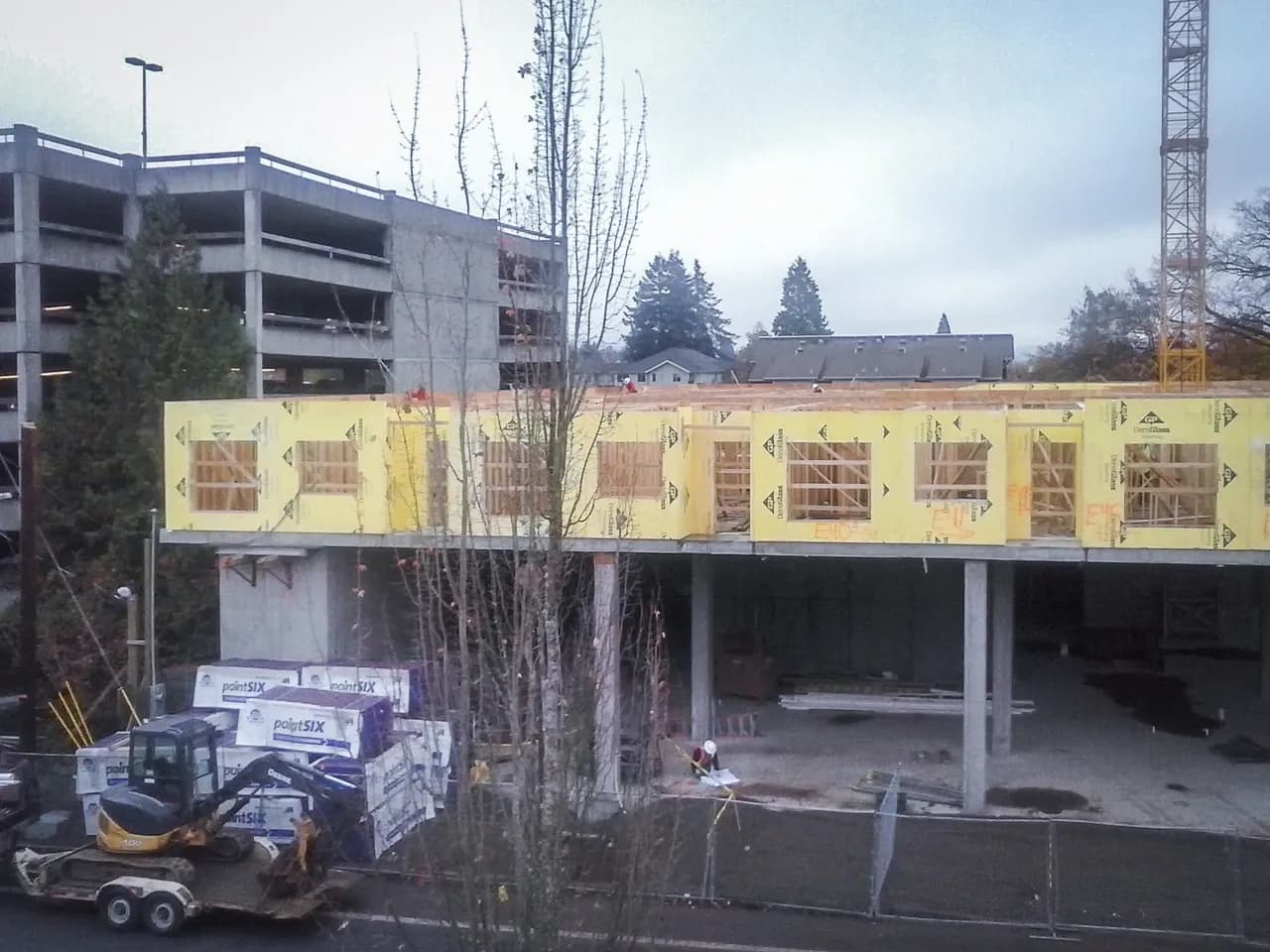
Place two estimates side by side by task, not by the order of their line numbers. Mark whether each includes investigation, demolition, materials, labour, testing, finishing and cleanup. Note where one quote covers a different area or quality. Our contractor quote comparison guide expands that method. If the scope cannot be matched, ask for revised written quotes before choosing a price.
Record the original currency, date, validity period and any stated payment stages. Do not silently convert currencies using an undated rate or mix a cash price with a credit term. Ask what event makes a stage payable and what evidence will show completion. Rochford District Council's advice on appointing a contractor is another UK consumer reference for checking a written scope; it is not a Syrian procurement rule. The full purchase budget guide helps keep the estimate separate from the seller's asking price and other acquisition costs.
Test whether the work can be staged
If the purchase depends on quick occupancy, ask which tasks must be finished before the home can be used and which could wait. Ask how one trade's work affects another: opening a wall after painting, for example, can make a cheap first-stage quote misleading. A stage plan should name the rooms affected, access needed, expected sequence and any temporary loss of services. Do not assume a schedule until the contractor has inspected and confirmed it in writing.
For a major or uncertain defect, a buyer may need an independent assessment before asking for a repair price at all. A contractor's commercial estimate and a surveyor's condition opinion have different purposes. Keep both, with their dates and limitations. If they disagree, record the question for follow-up rather than averaging the amounts.
Carry revisions into the decision record
When a quote changes, retain the prior version. Write down what was added, removed or repriced and why. If a seller offers to perform the work before handover, ask your lawyer how its scope and completion evidence should be captured in the agreement. If the buyer will pay after handover, show the timing in the cash-flow plan and keep enough funds outside the purchase for other needs. The cash-flow guide helps separate immediate payments from later work.
An itemised estimate is useful because it shows where the number came from and where it does not reach. The buyer should be able to explain what was inspected, what work is promised, what is excluded, how changes will be priced and what evidence will show completion. If those answers are missing, the total is not yet a dependable input to the purchase decision.
Continue your research
Planning a Property Purchase That Depends on Another Sale
Plan a property purchase in Syria that depends on another sale: separate available proceeds, linked dates, independent commitments and temporary housing needs.
Read more
Reviewing a Seller’s Instalment Proposal Before Buying Property
Review a seller’s property instalment proposal in Syria: reconcile the total, earlier amounts, payment triggers, milestone evidence and unresolved adviser questions.
Read moreSources & review
Last reviewed:
PUT YOUR RESEARCH TO WORK
Start with a place.
Explore Syria’s cities and narrow your property search.