Blog
What to Include in a Video Tour of a Home
Plan a useful video tour of a home in Syria with a clear room route, scale and condition questions, dated notes and a record of what remains unseen.
In this article
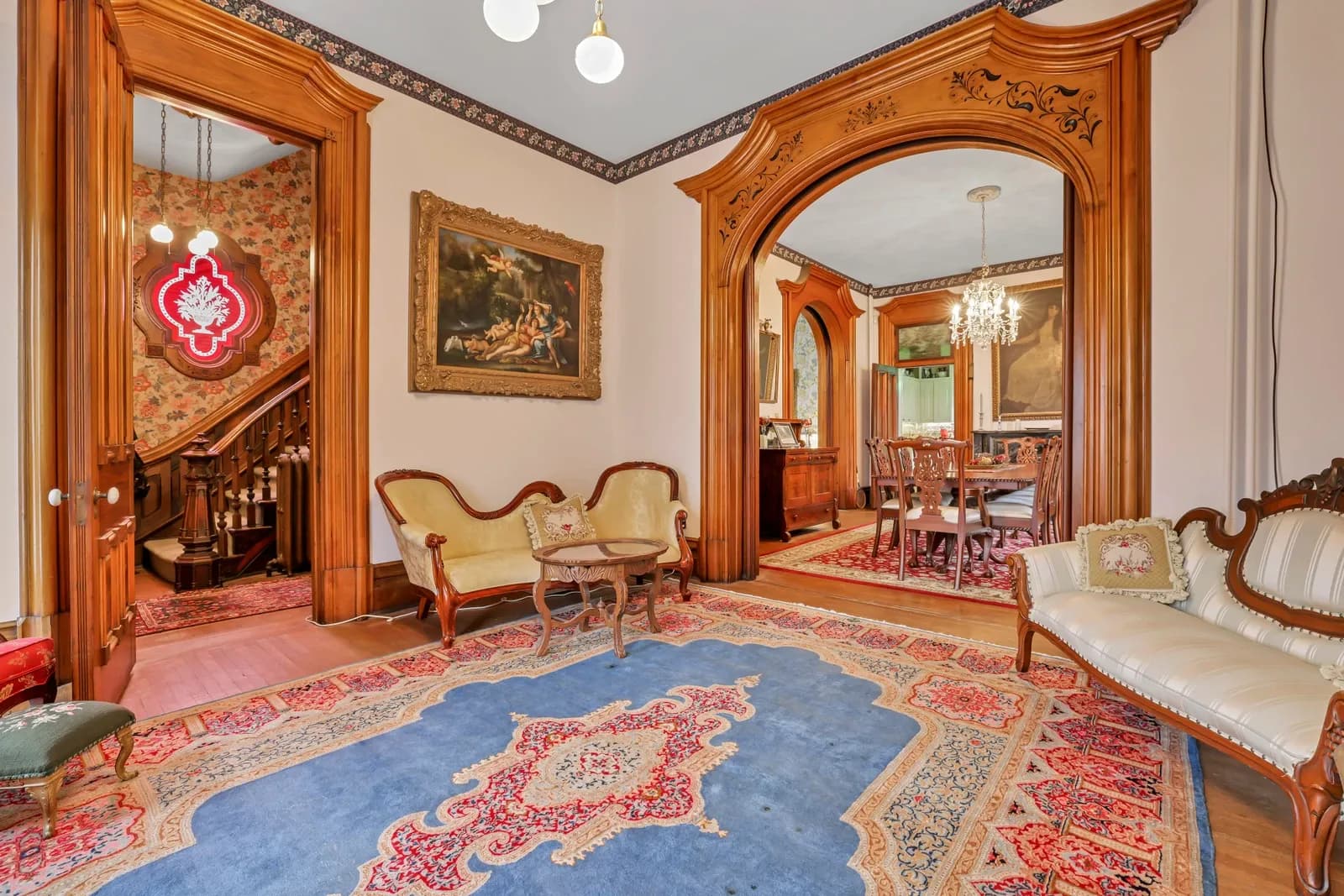

A video tour can help a buyer abroad decide whether a home deserves further attention, but only if the recording answers specific questions about that exact property. A fast walk through attractive rooms may leave out the entrance, shared spaces, window outlooks and awkward corners that would shape everyday use. Ask the person filming to record a dated, orderly route and to say when an area cannot be shown. Treat the result as a screening record, not a condition report, proof of ownership or assurance that travel is appropriate. This guide gives you a practical shot list and a way to record what the camera did not resolve.
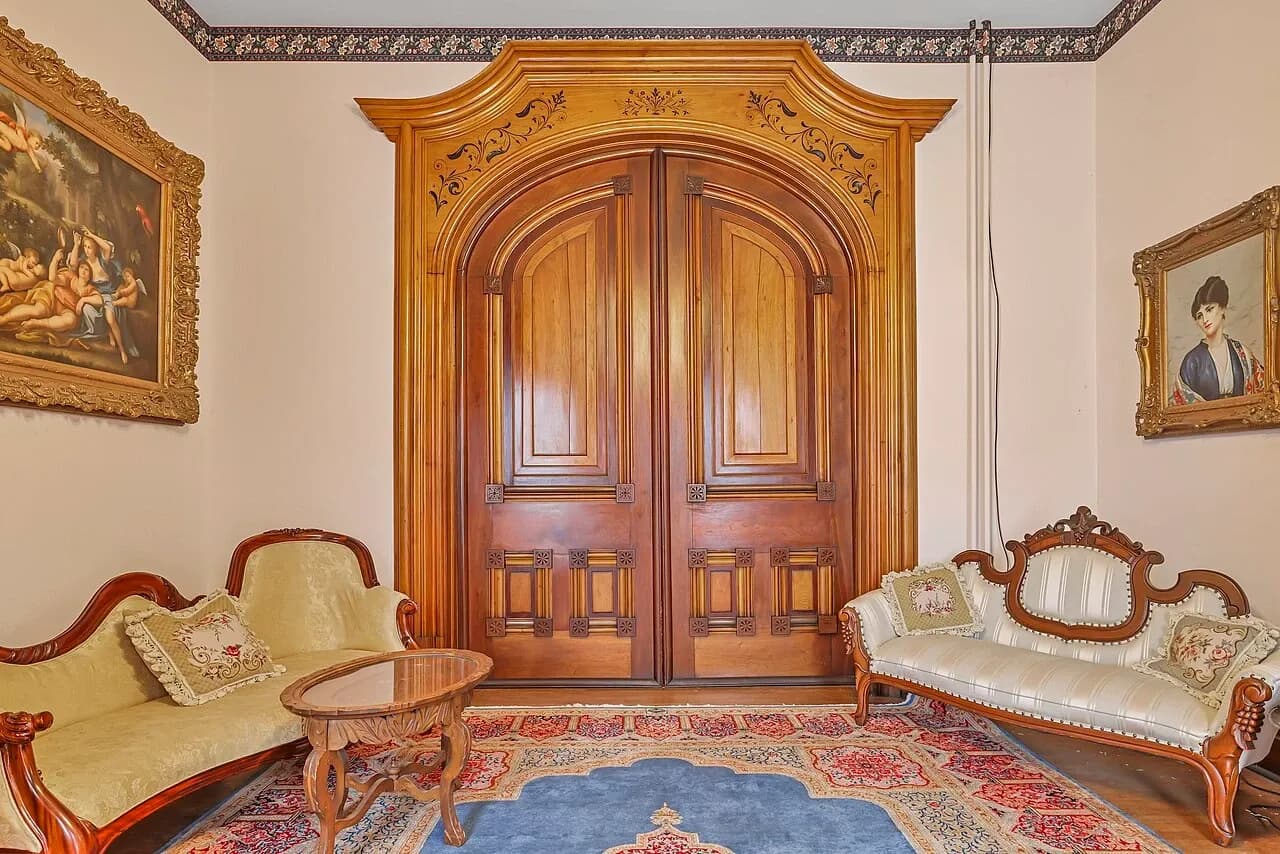
Two genuine September 2022 photographs of the Samuel N. Patterson House illustrate connected rooms and a second camera position. They show an identified historic interior outside this Syrian property search, not a Syrian listing or a tour arranged by us.
Agree on the property and purpose first
Before the call, confirm which address, building, floor and unit the tour concerns. If the precise address is withheld, label the video accordingly; do not attach a confident location to an unverified listing. Ask who will film, whether the home is occupied, whether a live call or saved recording is possible, and which spaces the person is permitted to show. Respect the privacy of occupants and neighbours. Do not request a recording of personal documents, people or private conversations just to make the tour feel complete.
Send a short agenda based on your property shortlist. Choose five or six questions that matter to this home, such as how the entrance connects to the main living area, whether a bedroom fits your furniture, or what lies beyond a balcony door. Keep the viewing checklist beside you, but do not ask the person filming to diagnose a defect or certify an installation. A useful tour is one that reveals where you need better evidence.
Start outside and keep a clear route
Begin with the approach that a resident would actually use, if it can be filmed safely and with permission. Show the building entrance, route to the unit and any stairs or lift used. Pause at changes in level, narrow passages and shared doors. If the camera starts inside the apartment, ask why the approach was omitted and record that as a gap. A person opening a shared door on video demonstrates access at that moment; it does not establish a legal right to use it.
At the unit, ask for a slow, continuous movement from the entrance through each room before returning for close-ups. Name each room aloud as the camera enters it. A brief turn back toward the door helps you understand the relationship between spaces. If the video jumps between clips, ask for a simple plan or a second pass that connects the missing route. The objective is orientation, not cinematic polish.
Show both the attractive feature and its context. A balcony view needs a shot of the balcony floor, access door and neighbouring outlook. A large living room needs a view from more than one corner. A cupboard door should be opened only with permission, and the camera should show where the cupboard sits in the room. If a store, parking place or terrace is said to be included, record the claim separately and ask for documents identifying the space; the camera cannot establish what a purchase would convey.

Record scale without pretending to measure by eye
Wide-angle lenses can make a room appear larger. Ask the person filming to show the ceiling, floor and opposite walls from a steady position, then move through the route where furniture would go. If dimensions matter, request a plan with its source and date, or ask for a measurement made with a suitable tool while the start and end points are visible. Write down who measured and what was measured. A tape visible in a video is useful context, but it is not a substitute for checking the relevant plan and the property itself.
For bedrooms, notice the door swing, window position, fixed storage and usable wall length. For kitchens and bathrooms, ask for the position of fittings and access to service areas that are normally visible. You do not need a speculative commentary on hidden pipes or wiring. If the person filming cannot enter a room, say “not viewed” in your notes rather than inferring its condition from the listing pictures. Compare the resulting observations with the home you need, not with the most flattering frame in the tour.
Ask for light, outlook and condition context
Record the date and approximate time of day. Ask for windows to be shown from inside, with a slow view of the immediate outlook and any nearby obstruction. Do not convert one recording into a promise about sunlight in another season or at another hour. If the tour occurs after dark or with curtains closed, request a separate daylight view or leave the question open. A short clip of a window is useful only when you can place it in the correct room.
Ask for steady close-ups of visible marks, damp-looking areas, cracks, worn surfaces or repairs that you want assessed. Describe what the video shows without naming a cause. Have the camera include a wider view so a mark can be located later. Do not ask anyone to operate exposed electrical equipment, climb onto a roof or take another unsafe action for the recording. If a concern is important, identify the qualified local person who could inspect it in person.
The Royal Institution of Chartered Surveyors explains that a professional home survey in the UK involves a physical inspection and written report; its consumer guide is UK guidance, not a Syrian survey standard. The useful distinction is that a buyer's video call is a limited visual record. It cannot reveal every concealed problem or replace an appropriately scoped independent assessment of the actual property.
Close with unanswered questions
Before ending, revisit the agenda. Which room or space was not shown? Was a claimed feature difficult to identify? Did a cut interrupt the route? Ask the filmer to state what they could not verify and who might supply better evidence. A confident verbal answer is still a claim; save the wording and source rather than converting it into a confirmed fact. If a second view is warranted, use the second-viewing guide to give it a distinct purpose.
Keep the original recording with the date, property reference, filmer's name or role as supplied, and any permission limits. Note whether you watched live or received an edited file. Write a one-page decision record: what the tour clarified, what remains uncertain, which evidence you will request, and whether the property stays on the shortlist. If the recording raises more questions than it answers, that is a useful result. It tells you where further research or an independent visit is needed before any commitment.
Continue your research

Protecting Privacy When Preparing Property Photographs
Prepare property photographs with fewer personal details: review rooms, reflections, file information, approved recipients and published image versions.
Read more
Questions to Resolve Before Travelling for a Property Viewing
Resolve property identity, independent review and current travel questions before considering a Syria viewing trip, with remote enquiries as an alternative.
Read moreSources & review
Last reviewed:
PUT YOUR RESEARCH TO WORK
Start with a place.
Explore Syria’s cities and narrow your property search.