Blog
Reading a Property Market Report Without Overinterpreting It
Read a property market report by checking its source, geography, dates and methods before applying a broad headline to an individual home search in Syria.
In this article
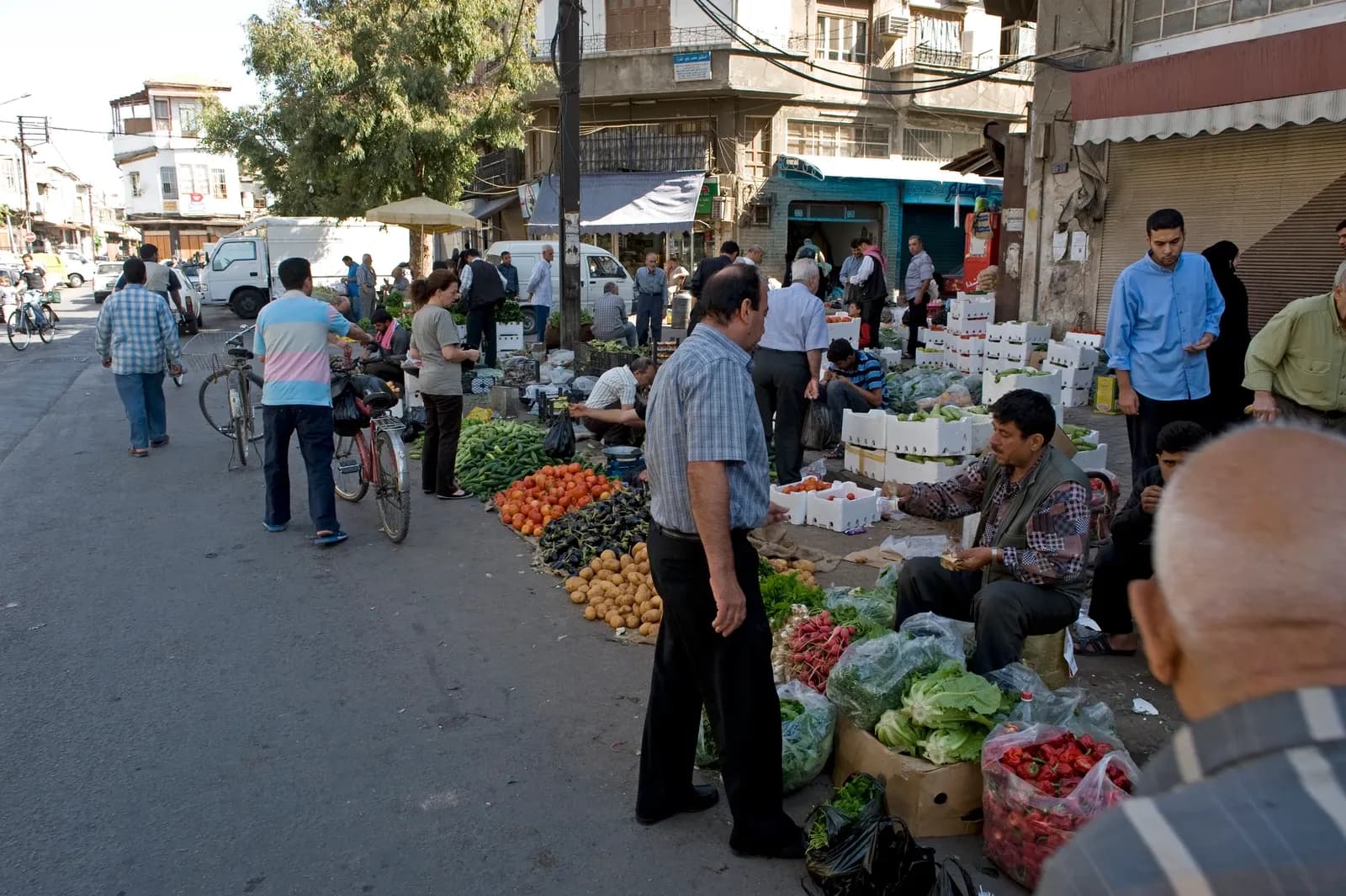

Before applying a property market report to a home in Syria, identify what the report measures, where its observations come from and which period they describe. Then ask whether that evidence answers your particular question. A national headline may provide context while leaving the price, condition and legal review of one apartment entirely unresolved.
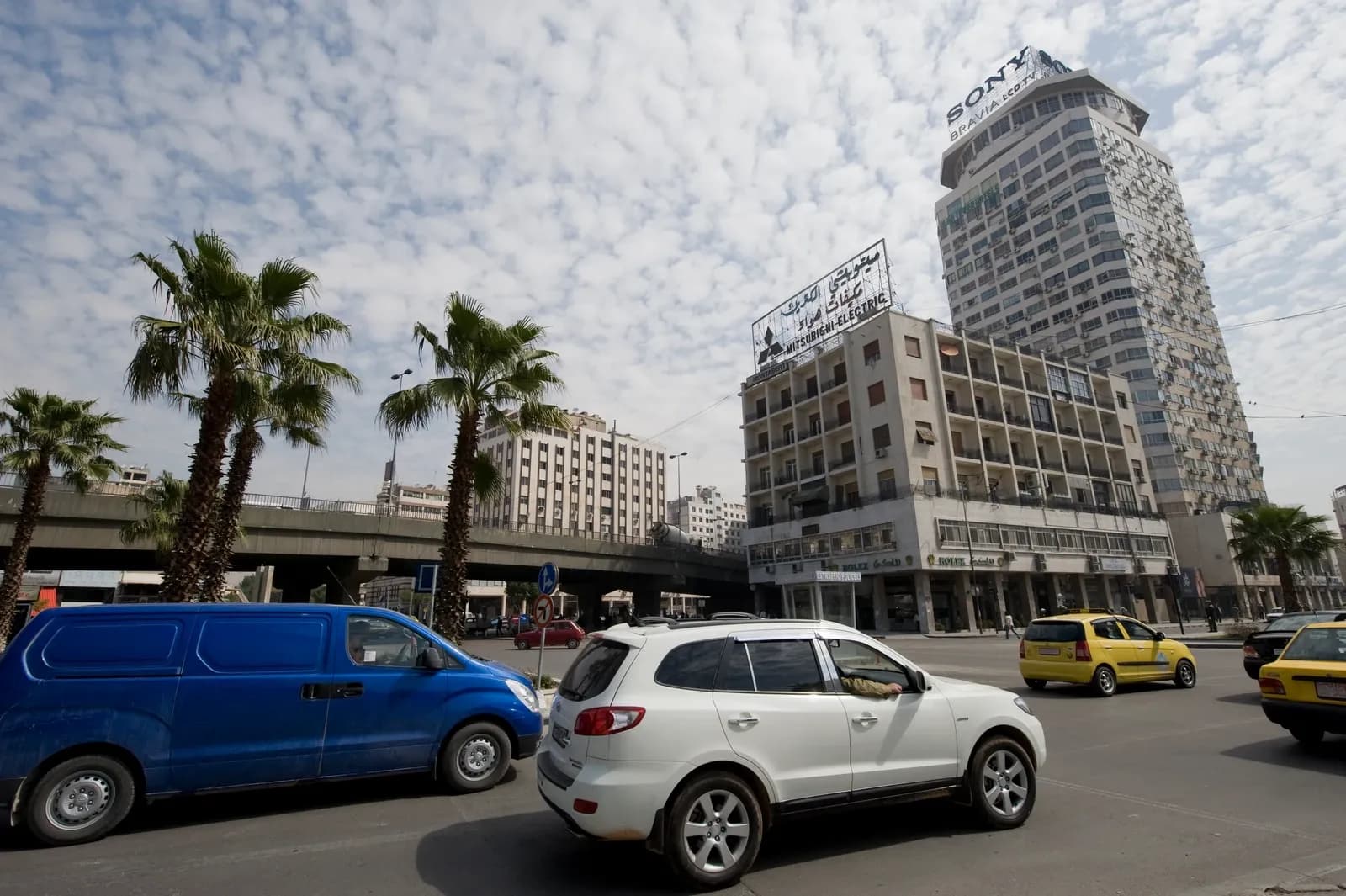
Begin with the report itself rather than a summary posted elsewhere. Save its title, publisher, publication date and the version you read. The genuine Damascus street photographs on this page supply dated urban context; they are not properties sampled in a report, listings for sale or evidence of present prices.
Find the underlying question
A report might describe advertised prices, completed transactions, construction activity or a broader economic indicator. Those subjects should not be combined simply because they all concern housing. Ask what the author intended to measure and how the observations were obtained. If the methodology is absent, keep that limitation beside the headline.
The Bank for International Settlements' selected property-price documentation, updated in July 2026, distinguishes sources, definitions and periods behind national series, including offer-based and transaction-based historical measures. Its international framework helps formulate questions; it does not supply a Syrian price estimate for your home search.
Our guide to asking prices and completed sale evidence develops the distinction at listing level. First establish which kind of amount a report uses, then consider what it could tell you.
Read the geography and property definition
Find the exact area covered. A city, a governorate and a selected group of neighbourhoods are different populations. A report described as national may contain uneven local coverage. Look for the definition in the methodology rather than inferring it from the title or a map illustration.
Next identify the properties included: apartments, houses, new developments, older homes or another defined group. Ask whether observations refer to entire properties, shares, a stated floor-area measure or something else. A per-square-metre figure only becomes comparable once the area definition and the underlying price measure are understood.
Do not assume that a national or urban series includes the exact type of home you are considering. Write a scope sentence in your notes: this report covers the stated geography and property group during the identified period. If the scope cannot be established, the report cannot support a precise comparison merely because its chart looks detailed.
Keep the dates in their proper roles
Publication date and observation period often differ. A report issued this month may describe an earlier quarter or a collection assembled over several months. Look for the start and end of the period, any delay between observation and reporting, and whether the data have been revised.
The BIS residential property price overview explicitly describes variations in frequency, covered areas, priced units and compilation methods. Its metadata separates release timing from the underlying statistical series. Apply that reading habit to any report you use; the existence of a recent release does not mean every observation is recent.
Keep your own comparison date separately. A property quote collected today should not be treated as a contemporaneous match to an older report without explaining the difference. Dating the evidence prevents a present decision from silently borrowing the authority of a different period.

Understand the summary statistic
A mean and a median describe a set in different ways. In a purely fictional group of three amounts, 80, 100 and 120 have both a mean and median of 100. Replacing 120 with 220 raises the mean to about 133.3 while leaving the median at 100. These abstract numbers have no currency and are not Syrian property prices.
The example shows why the label on a summary matters. It does not establish which measure a particular publisher should choose. Ask how many observations were included, how unusual entries were handled and whether the mix of properties changed between periods. A change in the composition of the sample can complicate a simple before-and-after reading.
For an index, locate the reference period and read what a value means. An index level is not automatically a currency amount or a price per square metre. Do not turn an index movement into a forecast for one apartment without the property-specific evidence and appropriate analysis that such a claim would require.
Look for what the sample leaves out
Ask how observations entered the dataset. A group of visible advertisements may omit homes marketed elsewhere, include repeated advertisements for one unit or contain offers whose availability was never confirmed. These are questions to put to the methodology, not accusations against a report you have not investigated.
Similarly, a documented transaction sample needs a defined collection process and period. More rows do not automatically settle representativeness. Consider whether the report explains its limitations, missing information and any adjustments. A precise-looking percentage can still rest on a restricted population.
If those details are unavailable, use the report for orientation and mark its limits. Avoid using it as the sole reason to call a specific asking price cheap, expensive or certain to rise. A broad description does not complete the checks required for an individual property decision.
Extract a useful next question
Finish with three notes: what the report supports, what it does not establish, and which address-specific enquiry it suggests. For example, it may identify a stated change in an observed group while leaving your home's area measure, condition and quote date unanswered. That is still useful context when its scope is clear.
Use a property comparison sheet to keep source definitions beside the figures. Then return to your property brief and ask which missing fact would affect the shortlist.
A well-read report improves the questions you ask. It gives you a defined piece of evidence, with a geography, period and method, instead of a sweeping market impression. Keeping that distinction is how a headline becomes useful research without becoming more authoritative than its data allow.
Continue your research
How to Keep a Useful Property Price Comparison Sheet
Build a property comparison sheet with dated sources, original currencies, defined measurements and clear labels for facts, estimates and unknowns.
Read more
Why Asking Prices Are Not the Same as Completed Sale Prices
Understand why advertised asking prices differ from completed sale evidence, and how to keep that distinction clear when comparing property in Syria.
Read moreSources & review
Last reviewed:
PUT YOUR RESEARCH TO WORK
Start with a place.
Explore Syria’s cities and narrow your property search.