About Syria
Damascus: Reading the City Through Its Historic Centre
Understand Damascus through its historic centre and learn how to separate cultural context, archive photographs and property-specific location research.
In this article
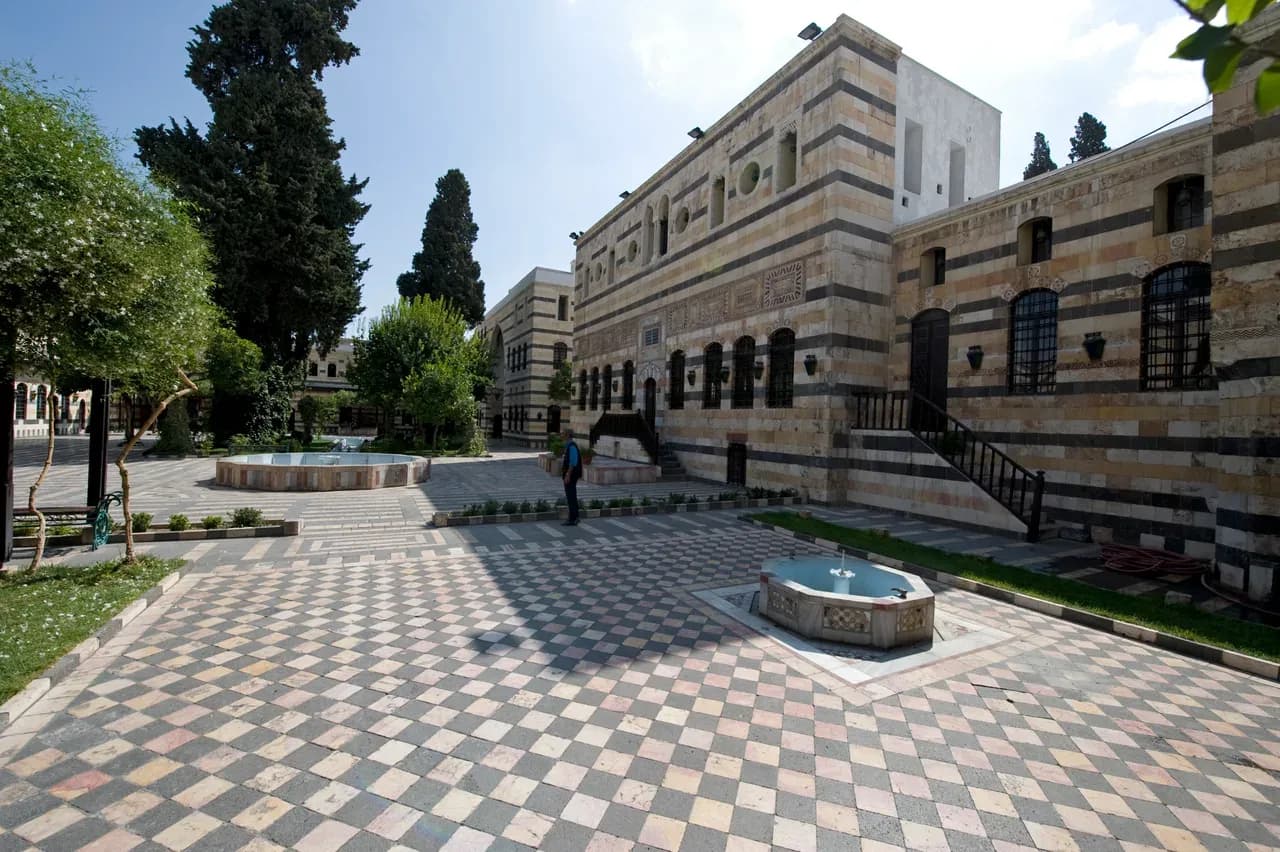

Damascus is easier to understand when you distinguish the historic city from the wider urban area. A landmark photograph may introduce the place, but it cannot explain the experience of every neighbourhood or the condition of a particular building. For someone researching a future home, the historic centre is a useful starting point for learning how streets, courtyards, markets and public spaces relate to one another. It should be the beginning of location research, not its conclusion.
This guide introduces a way of looking at Damascus that connects cultural context with practical questions. It does not recommend a purchase, rank neighbourhoods or describe current property values. Conditions, access and services must be checked for the specific address and the intended date of a visit. Historic photographs should also be read as dated records, even when the landmark remains familiar.
Understand what the heritage designation covers
UNESCO's Ancient City of Damascus entry identifies a specific historic property, rather than treating the whole modern city as one undifferentiated heritage area. The entry describes successive layers of urban history and the relationship between the street pattern, monuments and dense built fabric. The Umayyad Mosque is one of the principal landmarks discussed in that record. Damascus was inscribed on the World Heritage List in 1979.
That distinction matters when reading descriptions of homes. “In Damascus,” “near the old city” and “inside a protected historic area” are different statements. Ask for an exact location and establish which statement actually applies. A property's proximity to a celebrated landmark does not tell you whether it falls within a designated area, what approvals might be needed for work, or whether a proposed use is permitted. Those are address-specific questions for current local review.
Read streets as routes, not just scenery
When you look at a map, identify the route from an arrival point to the building entrance. A short distance on a map can still involve turns, steps, narrow passages or a final walk. During a visit, pay attention to the route you would use with shopping, luggage or someone whose mobility is limited. The question is not whether a street looks attractive, but whether the access suits your everyday needs.
Repeat the exercise for different destinations. The route to a main road may differ from the route to a shop, workplace or family address. Keep the journeys separate in your notes instead of summarising an entire area as convenient or inconvenient. If a route is unfamiliar, ask someone who knows the location to explain it and then verify the relevant details yourself when possible.
Notice the relationship between public and private space
A courtyard, entrance passage or internal stair can influence how a home feels as much as its advertised room count. When looking at a building, ask how the spaces connect. Which rooms open onto a shared area? Where is daylight coming from? How many transitions separate the street from the living spaces? A plan and an in-person visit often answer different parts of the same question.
Avoid assuming that a traditional appearance guarantees comfort or that an older plan is automatically unsuitable. Instead, connect each feature to the way you intend to use the home. An outdoor space might be visually appealing but require questions about access, privacy, drainage and upkeep. A quiet-looking interior may still need investigation at another time of day. Record observations rather than drawing conclusions from style alone.
Keep heritage interest separate from building condition
Cultural significance and physical condition are different subjects. A building can be historically interesting while requiring extensive investigation, specialist care or work that is not obvious in a photograph. Conversely, a recently finished interior does not explain the condition of concealed elements or the history of alterations. Ask which parts of the property have been inspected, by whom, and when.
If you are considering works, obtain advice before assuming that a preferred material, layout or intervention is acceptable. The UNESCO description is a source for understanding the historic city, not a current permissions checklist for an individual property. Do not use an old webpage, an estate listing or a neighbour's experience as a substitute for checking the rules and approvals that apply to the proposed work today.
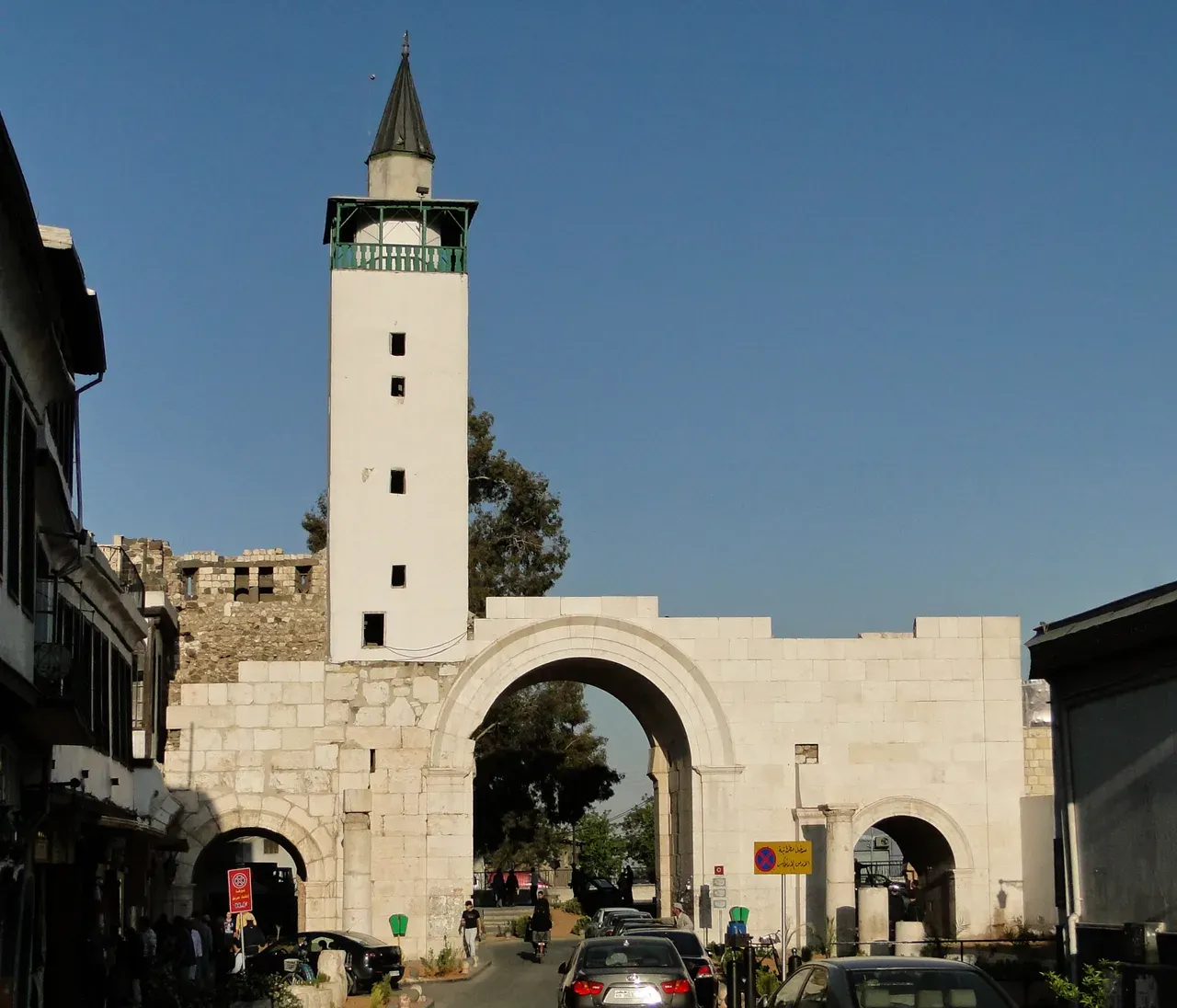

Compare a landmark visit with a residential visit
A visit focused on monuments follows a different rhythm from a visit focused on living somewhere. For a residential assessment, allow time to notice entrances, service arrangements, daily activity and the route beyond the building. Ask to see the spaces you would actually use. A brief walk past a landmark will not show whether a home's layout, access and surroundings fit your household.
Prepare a small set of practical questions in advance. Where would visitors arrive? How would deliveries reach the entrance? What must be carried up stairs? Which shared areas are included in maintenance arrangements? These are prompts for investigation rather than claims about Damascus as a whole. The answers should come from the specific property and should be recorded alongside the date and source of the information.
Use photographs with care
Look for the capture date and a clear description of the scene. A photograph of the Umayyad Mosque courtyard tells you about that courtyard at a particular moment. It does not demonstrate present-day access, the view from a nearby apartment or the condition of the surrounding housing stock. On this website, archive images identify their subject and date so they can provide context without being confused with current listing photographs.
For a property itself, request a recent set of images that covers the approach, entrance, main rooms, service spaces and any relevant shared areas. Ask which direction each image faces and whether it shows the property being offered. When comparing several homes, store the photographs under the correct reference rather than relying on memory or a mixed message thread.
Build your own Damascus research notes
Start with a page for the city, then a page for each neighbourhood you are considering and a separate record for each address. Put cultural background in the city notes. Put journey times and everyday observations in the neighbourhood notes. Keep documents, measured dimensions, inspection findings and commercial terms in the property record. This arrangement prevents a positive impression of the city from becoming evidence about a particular purchase.
You can move from this introduction to the Damascus property search, or return to About Syria as the location library develops. Use the Investment Handbook for the buying process and preparation questions. Each section has a different purpose: understanding the place, finding available information and organising the checks needed for an individual decision.
Sources and scope
The historical context and World Heritage inscription date are drawn from UNESCO's Ancient City of Damascus entry. The location-research checklist is editorial guidance. It does not establish a property's legal status, current condition, value or suitability for travel.
Continue your research

As-Suwayda Governorate: Towns, Landscapes and Local Research
Explore As-Suwayda Governorate by verifying the exact town and address, comparing dated images with present conditions, and checking each building and its records.
Read more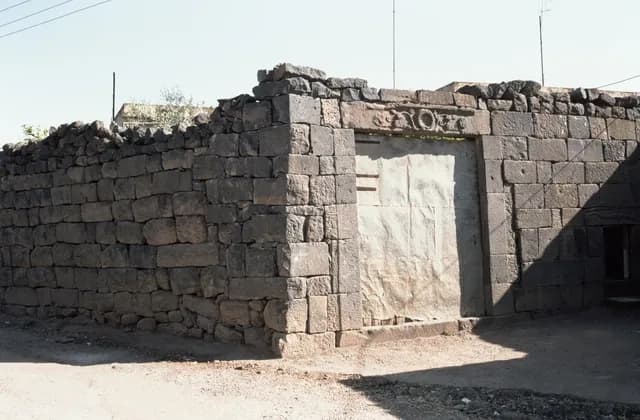
Daraa Governorate: Planning Your Location Research
Research a Daraa Governorate property by moving from regional labels to a verified address, dated local evidence and independent building and document checks.
Read moreSources & review
Last reviewed:
PUT YOUR RESEARCH TO WORK
Start with a place.
Explore Syria’s cities and narrow your property search.