Investment Handbook
How to Define Your Property Brief in Syria
Build a clear property brief for Syria: define your intended use, location, essential features, budget and the questions to resolve before shortlisting.
In this article
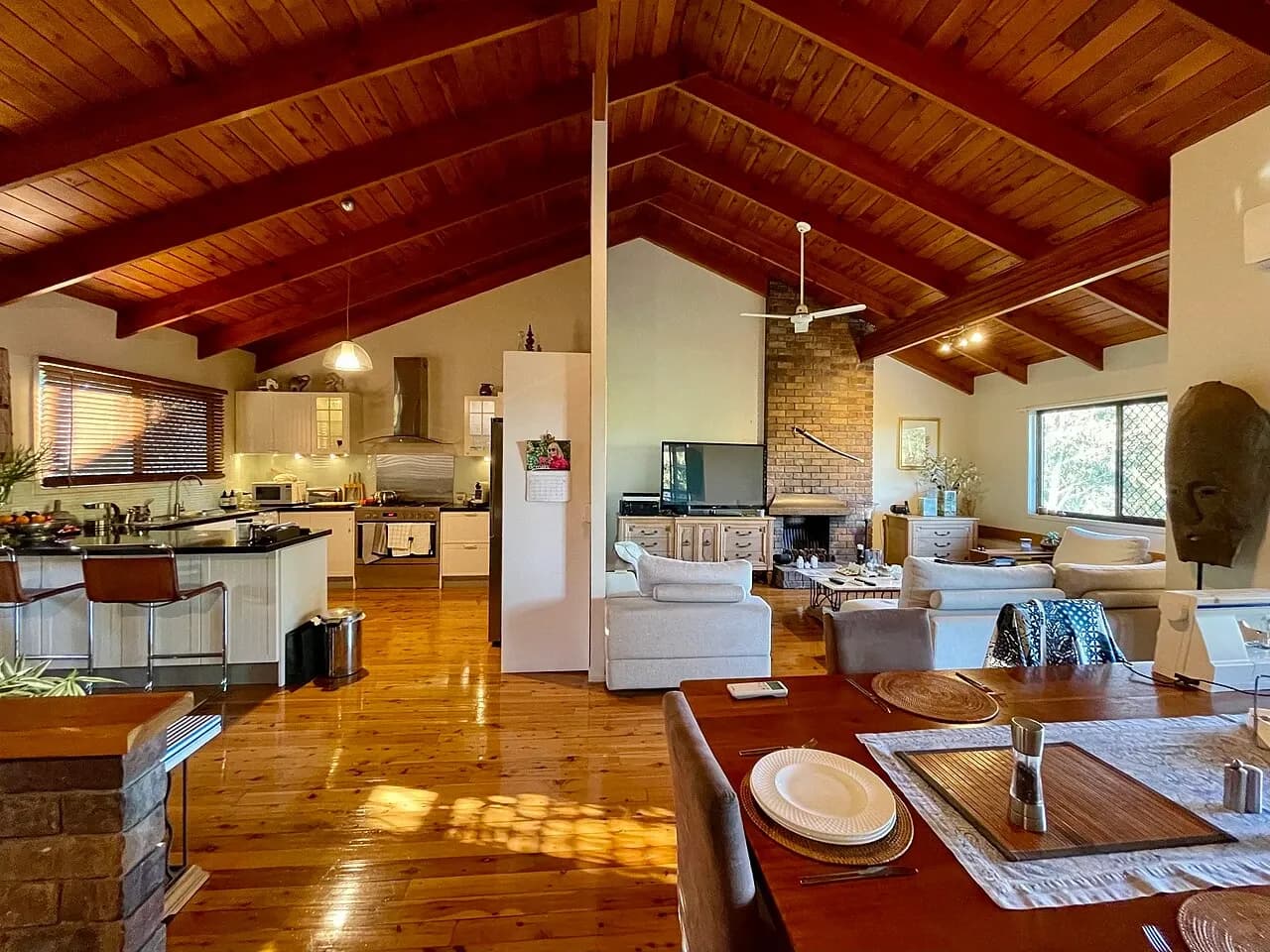

A useful property search starts before the first viewing. It starts with a short written brief that explains what you need, what you can spend and what would make a property unsuitable. When searching in Syria, this document helps you compare listings without letting an attractive photograph or a persuasive conversation replace your original priorities. It also gives an agent, family member or representative a practical description of the search they are helping you conduct.
Your brief does not have to be complicated. One or two pages are enough. The aim is to make your assumptions visible, distinguish requirements from preferences and record which questions still need an answer. Keep it separate from any decision about legal eligibility or a specific property's documents. Those questions require current, property-specific review by appropriate local professionals.
Start with the purpose of the purchase
Write one sentence explaining why you want the property. A permanent home, a home used for occasional visits, premises for a business and a property intended for letting will need different comparisons. If the property has more than one purpose, decide which one comes first. Otherwise, a home that suits your family may be judged against an investment target it was never designed to meet.
For example, a household planning to live in the property might prioritise access to work, usable bedrooms and daily services. Someone considering occasional stays might give more weight to maintenance arrangements and the ability to check the property while absent. These are examples of different priorities, not recommendations that one approach will produce a better financial outcome.
Separate necessities from preferences
Create three lists: essential, desirable and unacceptable. Limit the essential list to the conditions you would genuinely refuse to compromise on. This might include a minimum number of usable rooms, step-free access or a location within a clearly defined search area. A preference could be a balcony, a particular view or a kitchen layout. An unacceptable condition might be an unresolved access question or a repair requirement beyond the resources you can commit.
Use measurable language wherever possible. “Spacious” is difficult to compare. “A bedroom that can accommodate a double bed, a wardrobe and clear walking space” is easier to test. “Close to everything” is similarly vague. List the destinations you use and check the actual routes to them. The exercise turns impressions into questions that can be answered during a viewing.
Define location at more than one scale
Begin with a city, then identify neighbourhoods and finally the immediate surroundings of each address. Two homes in the same city can present very different daily experiences. Look at the route into the building, nearby activity, the position of the entrance and the practical journey to the places that matter to you. Do not assume that a familiar district name answers those questions.
If you are comparing several cities, keep a separate brief for each. You can start with the Syria property search and narrow the location before comparing individual homes. Record why each area is on the list. That explanation is useful later when a listing outside your chosen area looks tempting but would change the purpose of your purchase.
Set a complete spending framework
Distinguish the amount you might pay for the property from the amount available for the entire project. Create separate lines for professional advice, checks, any confirmed transaction charges, repairs, furnishing, travel and an allowance for unresolved costs. Leave a line marked “to confirm” rather than entering a made-up fee or assuming a charge does not apply.
Record the currency of each quotation and the date it was obtained. If you compare figures in another currency, keep the original amount alongside the converted amount. A comparison is only useful when it is clear whether a change came from the underlying quotation or from the conversion used. Have payment arrangements and any financial or legal implications reviewed before making a commitment.

Describe condition and the work you can manage
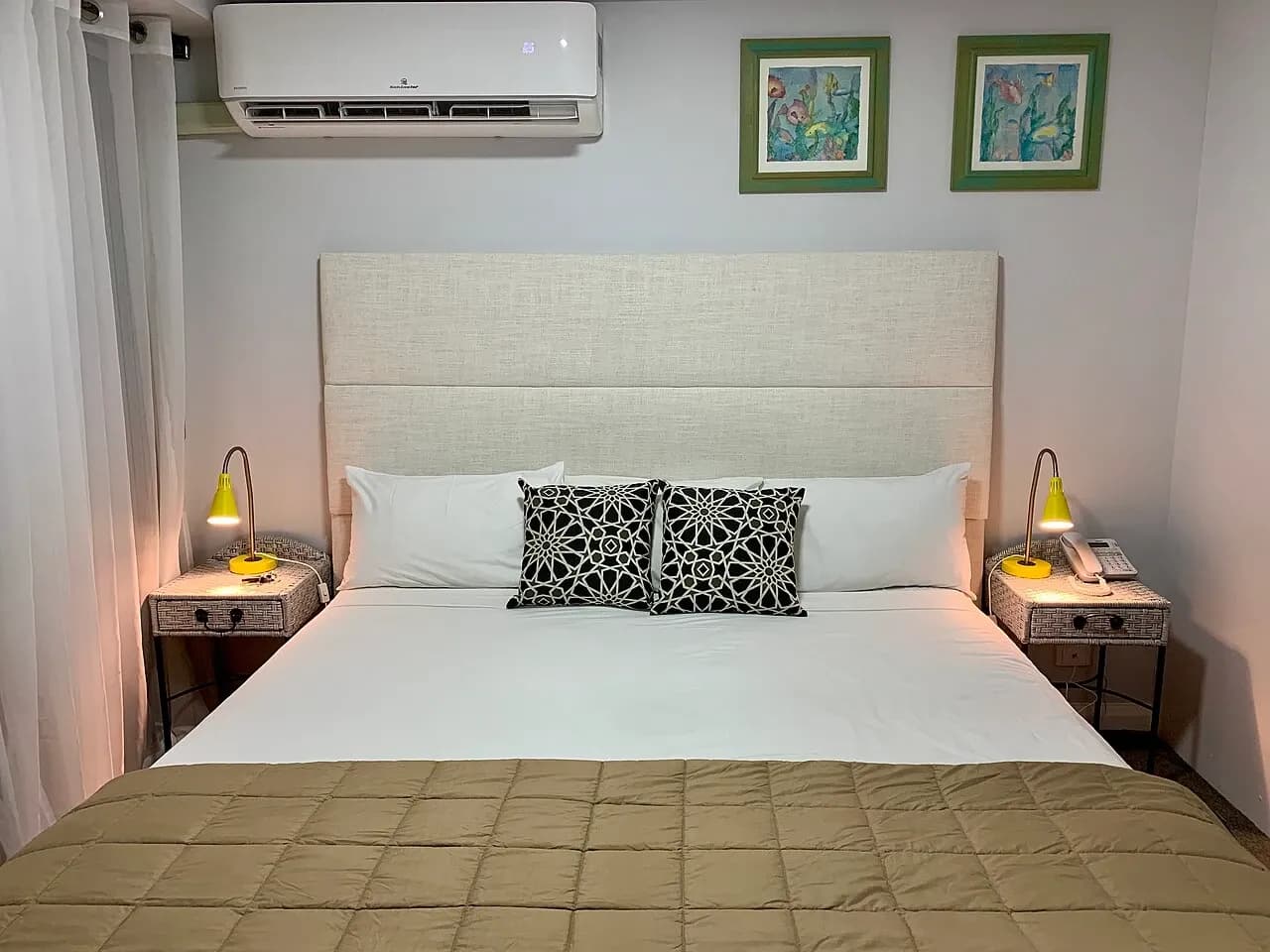
A low asking price is not a complete description of affordability. Decide whether you can consider a property requiring cosmetic improvements, substantial repairs or a full professional assessment before its intended use. Be realistic about the time, oversight and skills available to you. A renovation that appears manageable to someone living nearby may be much harder for an owner who lives abroad.
A viewing checklist and a professional inspection perform different jobs. Your own notes can identify questions and visible concerns, but they do not establish structural soundness. RICS describes home surveys as assessments based on a physical inspection by a qualified surveyor. Its published survey products are context-specific; they should not be treated as Syrian legal requirements. The relevant lesson for your brief is to budget for suitable independent technical advice where the property warrants it.
Decide what information you need before a viewing
Ask for a precise location, an identifiable property reference, recent photographs, a layout or floor plan where available, the stated area and an explanation of how that area has been measured. Request the current asking price, the proposed currency and what is included. These questions help avoid a viewing built on different assumptions between the buyer and the person presenting the property.
Create a separate document checklist for your legal adviser. Do not mark a property as legally satisfactory because a listing includes a reassuring phrase. Your brief should say who will examine the documents and which questions remain open. A clear “not yet checked” is more useful than a confident conclusion without evidence.
Keep a simple decision record
After each viewing, score the property against your essential requirements before discussing finishes or decoration. Add three short notes: what you liked, what remains uncertain and what would have to happen before a second visit or an offer. Date the record and attach the listing reference so that details do not become mixed between properties.
Review your brief when new information changes your understanding, but record the reason for the change. This helps distinguish a sensible adjustment from reacting to whichever property you saw most recently. When you are ready to discuss options, use the property enquiry form to share the location, property type and the priorities you have already defined. The clearer the brief, the easier it is to have a useful conversation.
Further reading
Use the Syria property search to test the brief against the options you find. The Investment Handbook brings preparation and viewing topics together so you can keep the process organised as the shortlist develops.
RICS Home Surveys explains the role of physical condition surveys. This article offers a planning method; it does not set out Syrian ownership law or confirm the availability of a particular professional service.
Continue your research

Reconciling Conflicting Property Advertisements Before Making an Offer
Compare conflicting property advertisements in Syria: establish the exact asset, preserve original sources and clarify price, scope and current proposal differences.
Read more
Keeping Negotiated Property Offer Changes in One Record
Track changes to a property offer in Syria: keep prices, inclusions, proposed dates and unanswered questions linked to the version your advisers review.
Read moreSources & review
Last reviewed:
PUT YOUR RESEARCH TO WORK
Start with a place.
Explore Syria’s cities and narrow your property search.