Investment Handbook
Building a Property Repair Log
Build a Syrian property repair log that tracks observations, qualified assessments, approved work, payment evidence and follow-up when a problem recurs.
In this article
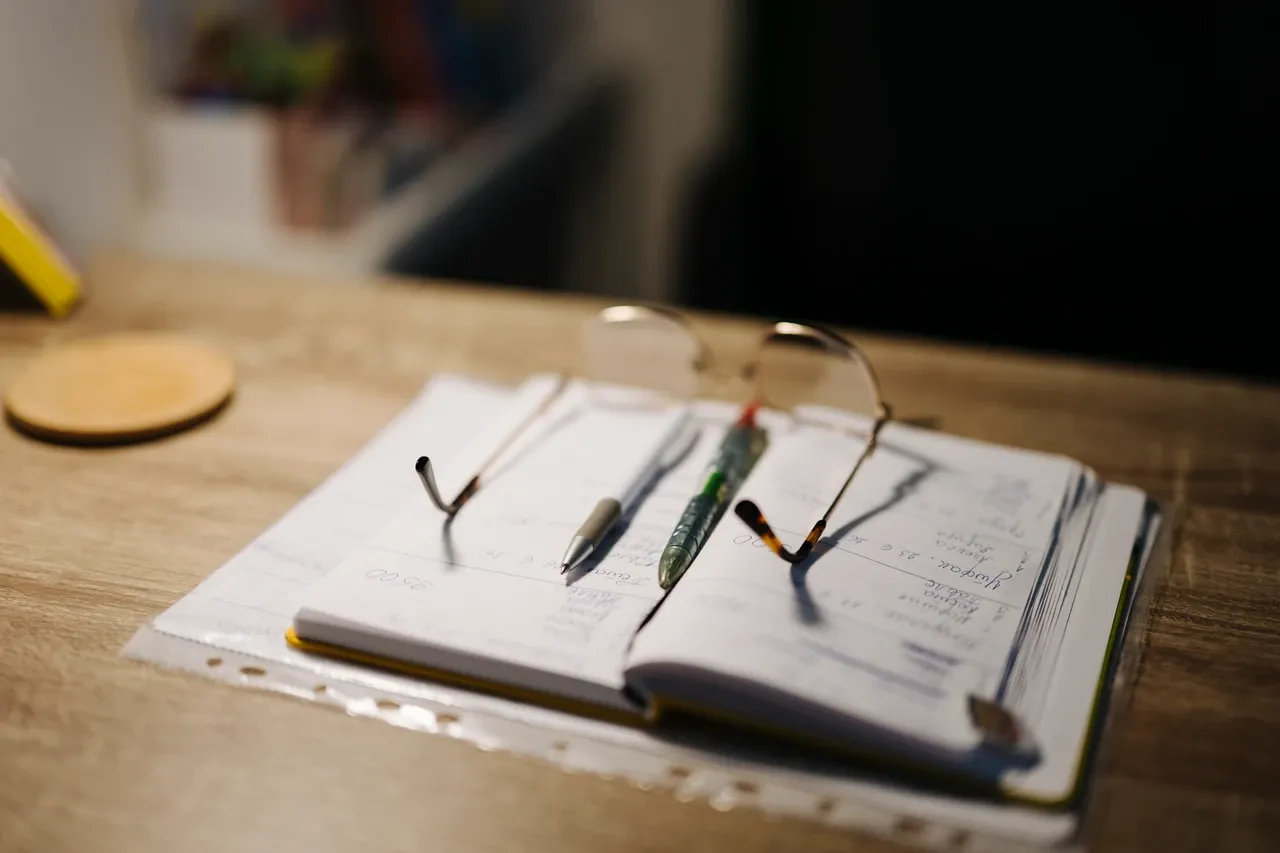

A repair log is useful when it can answer three questions months later: what was actually seen, what work was authorised, and whether the problem returned. For a Syrian home, keep one dated record for each issue rather than a long chat thread labelled “repairs.” The log does not diagnose a defect or prove that work met a standard. It gives the owner, occupant and qualified professional a shared history so they can make a better next decision.
Start with a precise observation
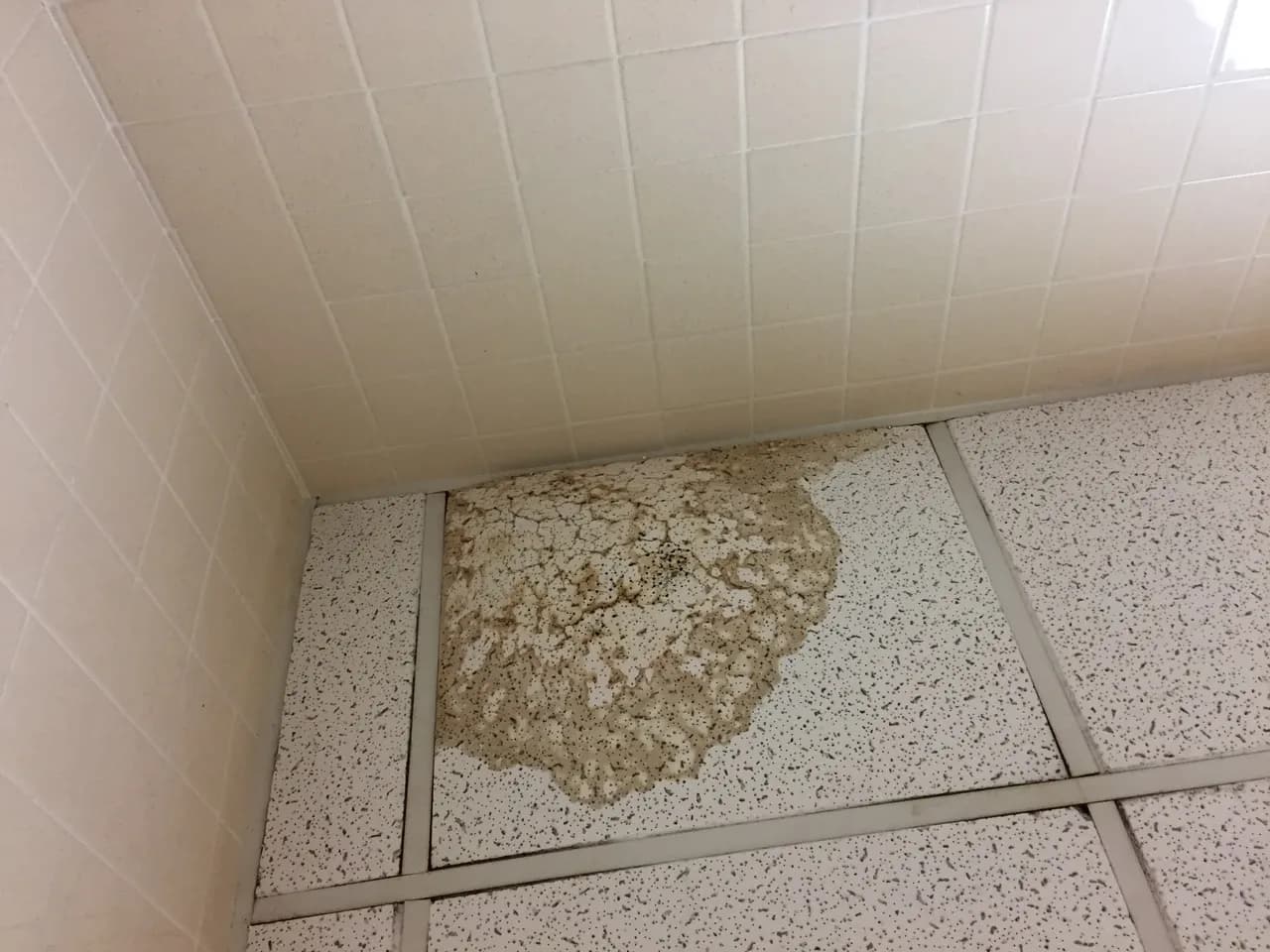
Create an entry as soon as a change is noticed. Record the date, room or building element, who observed it, and the conditions under which they saw it. “Brown mark above the bedroom window after rain” is more useful than “water problem.” Note the size or approximate extent, whether it feels new, and whether the observer can compare it with an earlier photograph. If there is no earlier evidence, say so. Avoid turning an impression into a confident cause: water visible on a wall may have several routes into the building.
Take one wide image to locate the issue and one closer image to show detail, provided access and privacy permit. Keep the original files, their dates and a short description. A dramatic crop can conceal the surrounding wall or fixture. Where a room is occupied, agree the visit and images with the people affected. Do not ask an unqualified person to open equipment, climb onto a roof or disturb a suspected unsafe element just to improve the record. The first-year maintenance plan helps decide which observations belong in a regular schedule.
Give the issue an owner and a priority
Each entry needs a named person responsible for the next action, even if that action is only to request an assessment. Use plain priority labels tied to decisions: an apparent immediate safety concern needs prompt local professional attention; an active leak or worsening damage needs timely investigation; a stable cosmetic mark can be monitored and scheduled. These are planning labels, not a technical verdict. Record why the label was chosen and when it must be reviewed. If the situation changes, update the priority instead of silently rewriting the old entry.
For a home managed from abroad, record who may arrange access and who must approve spending. The property-manager questions help keep those roles distinct. A person holding a key is not automatically authorised to order major work. If a professional finds an urgent hazard, the local response should follow the actual circumstances and an agreed emergency route; the log should capture who was contacted and what was done.

Keep the inspection separate from the proposed fix
Add the assessor's name, role, visit date and the scope of what they examined. Ask for their written findings or a short report and preserve any limitations: a concealed pipe might not have been opened, or a roof area might have been inaccessible. An assessment can change as new evidence appears. Store the original report and later revisions rather than replacing an old version with a new conclusion. The US EPA's moisture-control guidance addresses how water can interact with drainage, roofs, walls, plumbing and building operation. It is US technical guidance, not a diagnosis of this property. For recurring dampness, its broad lesson is to investigate the source, not only repaint the visible mark.
Only after that should the log hold a proposed remedy. Specify the location, work, materials, preparation, finish, access needs, expected timing and what is excluded. For an uncertain defect, the first paid task may reasonably be investigation rather than a complete repair. Keep the quote date and its assumptions. If the contractor later discovers a wider problem, attach a revised scope and written approval. That history explains why the final cost differs from the original estimate without making the owner reconstruct it from messages.
Record approval, payment and completion
Save who approved the work, when, the approved amount and currency, and any limit on variations. Keep a copy of the quote or instruction that was approved. A verbal “go ahead” is hard to match to a later invoice. When work is finished, add the completion date, invoice, proof of payment, any product or workmanship documents actually provided, and photographs of the result. Avoid implying that a photograph proves concealed work was completed correctly. Where the issue requires testing or a specialist sign-off, ask the appropriate qualified person what evidence is meaningful for that exact repair.
The renovation-estimate guide helps compare scope and exclusions before approval. RICS's residential management code calls for clear documentation in English residential leasehold management. It is not a Syrian rule. Use the principle of traceability when deciding what the owner should request from anyone coordinating local work.
Close the loop, then keep watch
An invoice is not the end of a repair log. Record who checked the result, on what date and what they could actually see. If a mark appeared after rain, a dry-day photograph may show the new finish but cannot demonstrate that the underlying leak is gone. Set a property-specific follow-up event, such as a check after the next relevant weather or use condition, and assign someone to report back. Mark the entry closed only when that follow-up has been considered. If the symptom returns, open a linked recurrence with its own date rather than editing the first report into a false success.
Review open entries alongside the maintenance schedule and budget. Group related reports, but keep their original locations and dates visible; similar marks in two rooms might or might not share a cause. A simple index can show entry number, location, priority, owner, next action and due date. That is enough for a small home. A more elaborate system helps only if the people on site can maintain it consistently.
The best repair log is readable by someone who was not present for the first conversation. It distinguishes observation from diagnosis, proposal from approval, and payment from verified completion. That clarity protects continuity when the occupant, contractor or local contact changes.
Continue your research

Planning a Records Handover When Changing Property Managers
Plan a property manager records handover in Syria, matching deliveries, open tasks and closing reports to named recipients and agreed follow-up actions.
Read more
Preparing a Pre-Work Condition Record for a Renovation
Prepare a dated condition record before renovating a property in Syria, covering retained features, access routes, photo references, review comments and gaps.
Read moreSources & review
Last reviewed:
PUT YOUR RESEARCH TO WORK
Start with a place.
Explore Syria’s cities and narrow your property search.