Investment Handbook
Inspecting Shared Areas in an Apartment Building
Review shared entrances, stairs and circulation during an apartment viewing in Syria, and organise maintenance questions for the right advisers.
In this article
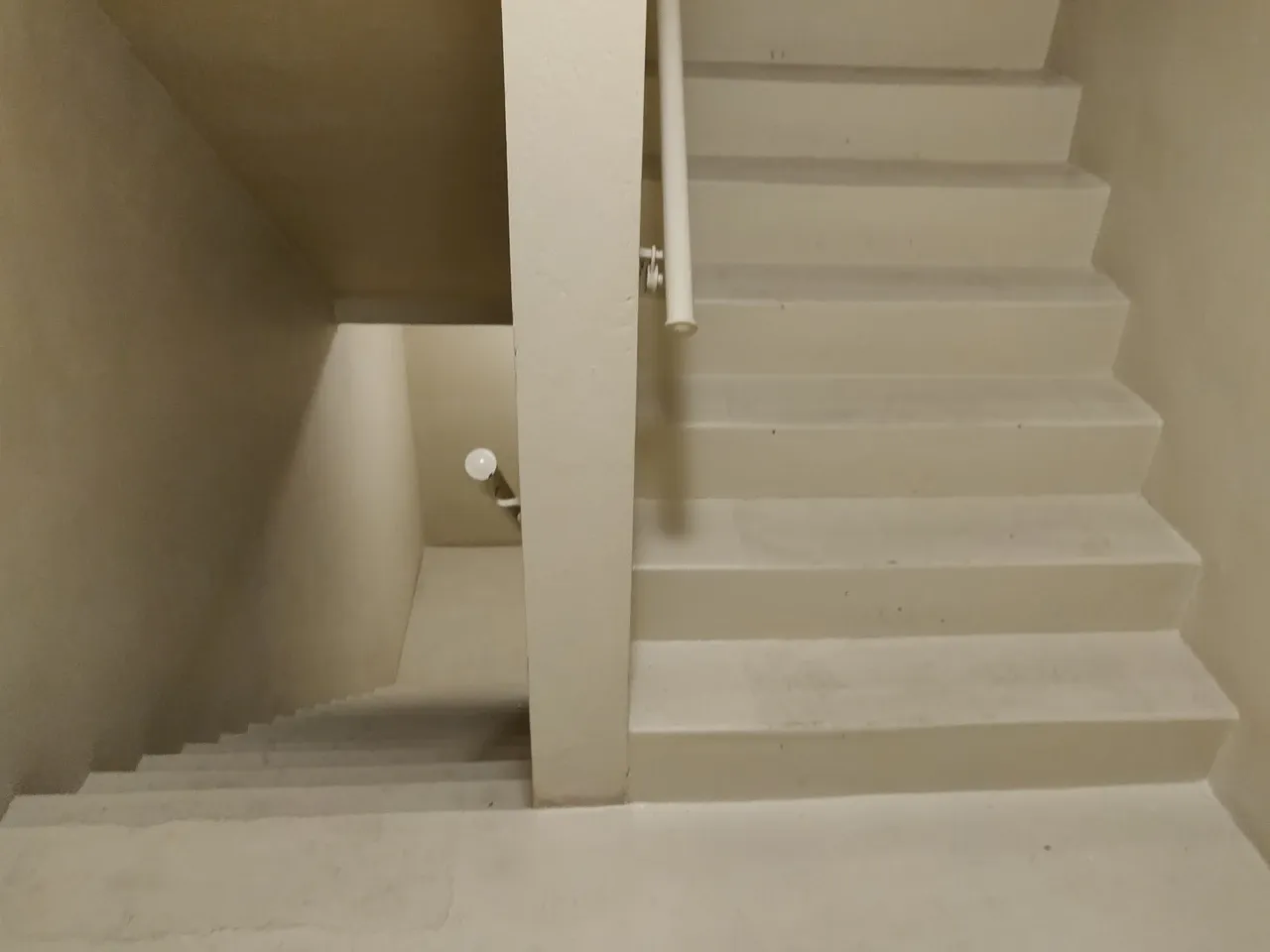

An apartment begins before its front door. The approach, entrance, stairs and other shared spaces form part of the route you use every day, yet they can receive only a passing glance during a viewing. Giving them a separate place in your notes helps you assess how the building fits your needs and which questions deserve further investigation. This article provides a viewing method, not a technical inspection or a statement of Syrian ownership rules.
Imagine returning with shopping, accompanying a visitor or bringing a large piece of furniture inside. Those ordinary activities reveal questions that a photograph of a finished living room cannot answer. Start with the building you are actually considering, ask permission before entering areas beyond the arranged viewing, and distinguish what you observe from what someone explains to you.
Walk the complete everyday route
Begin where a resident or visitor would normally arrive. Follow the route to the entrance, through the shared circulation and up to the unit. Note steps, changes in level, narrow turns and doors that affect movement. Do not reduce everything to a single judgement such as easy access. A route may work comfortably for one household member while creating difficulties for another, so connect your observations to the people who will use it.
Record which route you saw. If an alternative entrance or a different way of reaching the unit is mentioned but not available during the visit, list it as unobserved. Ask who can arrange access for a later check. A description of another route can be useful, but it should not replace seeing the route on which an important requirement depends.
Check the entrance as a working space
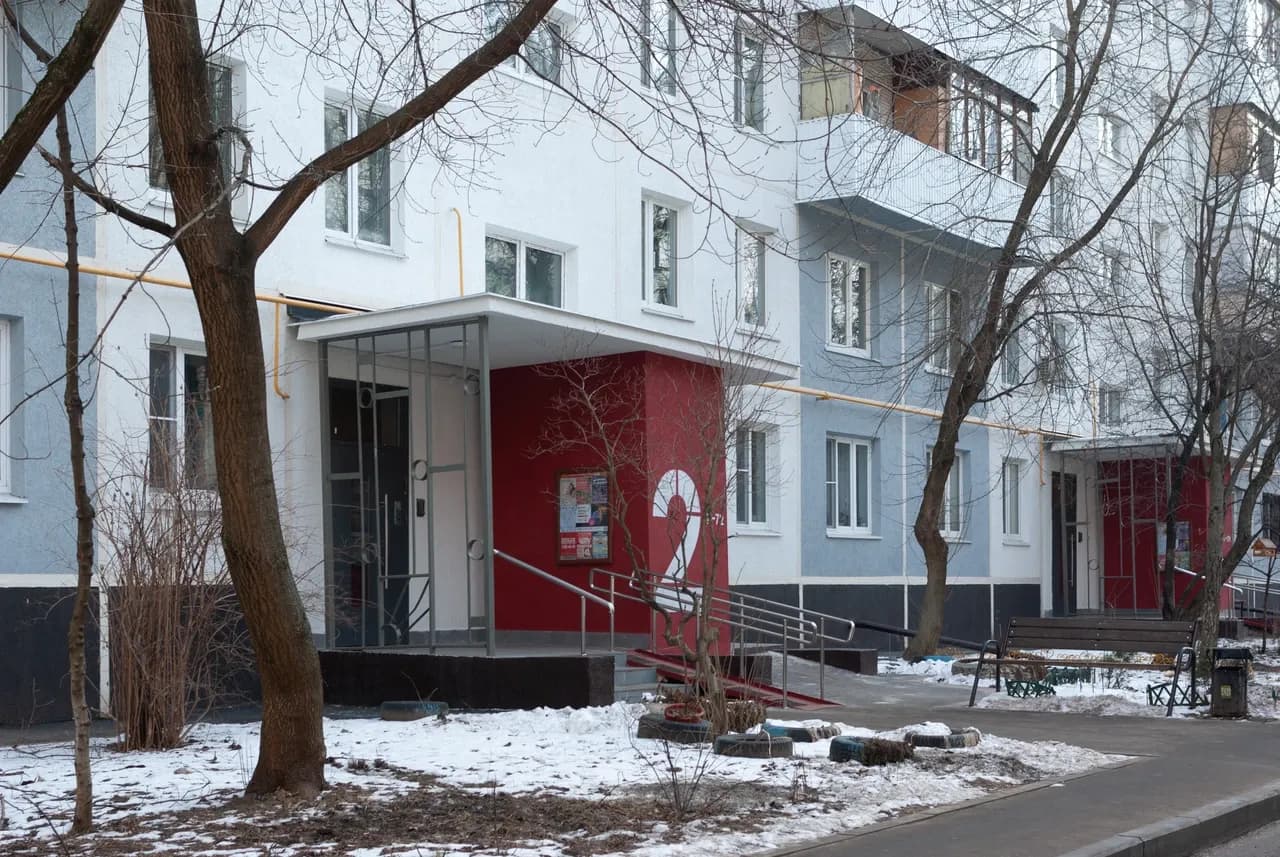
Look at how people approach, open and pass through the entrance. Consider whether there is room to pause without blocking others and how a visitor would identify the correct unit. Ask how access is managed and which arrangements apply to residents, visitors and deliveries. Record the answers without assuming that a demonstration during one appointment establishes how the system works at every time of day.
If keys, access devices or another arrangement are described as included, note that statement for later confirmation with the relevant documents and people. Avoid photographing residents, names or personal information unnecessarily. The purpose of your record is to understand the building's practical arrangement, not to collect private details about the people living there.
Notice circulation and carrying space
Stairs and corridors deserve more than a room-count comparison. Observe the turns, landings and changes in width along the route. If moving a particular item matters, measure the item beforehand and ask permission to check the relevant clearances. A large apartment can still present a difficult moving route. Keep the dimensions and the location of each measurement together so they remain understandable later.
Where a lift or other shared equipment is present, ask who maintains it and what records can be provided. Do not attempt technical tests or enter restricted equipment spaces. Your viewing notes should identify questions for appropriate professionals. A device working during the visit does not establish its future reliability, capacity for a particular use or the adequacy of its maintenance history.

Separate visible condition from a diagnosis
If you notice a stained surface, damaged finish, unusual sound or another concern, record its appearance and location. A close photograph should include enough context to show where it belongs. Avoid naming a cause simply because it looks similar to something you have seen elsewhere. Different problems can have similar visible signs, and some important issues are not visible during a normal walkthrough.
Ask a qualified professional to assess matters outside your knowledge and agree the scope of that assessment. RICS Home Surveys explains the general role of a professional condition survey. Its framework is a reference for distinguishing observation from assessment here; it is not presented as a Syrian legal requirement or a guarantee that a particular service is locally available.
Ask who is responsible for what
Create a short list of the shared spaces and facilities that have been shown or described. Beside each, record who is said to arrange maintenance, how residents are informed about work and which records are available. If a payment or contribution is mentioned, preserve the original amount, currency, period and explanation of what it covers. An incomplete answer is a question to follow up, not evidence that no responsibility exists.
Ask your local adviser which documents establish the arrangements relevant to the unit. Keep the explanation given during the viewing separate from documentary confirmation. Where different people describe responsibilities differently, record both accounts and the point of disagreement. This gives the adviser a precise issue to resolve instead of a vague request to check that everything is fine.
Identify spaces that were not part of the visit
A building may contain areas that you are not permitted or able to enter during an ordinary viewing. Record their names and the reason access was unavailable if one was supplied. Do not enter a roof, plant space, shaft or other restricted area just to make your notes feel complete. Ask whether the question requires an authorised visit, records or specialist assessment instead.
Likewise, distinguish a space shown as part of the surroundings from a space claimed to be included in the property's rights or use. Seeing a courtyard, storage area or parking space does not establish an entitlement to use it. Put that distinction into the document review rather than resolving it from an informal walkthrough.
Turn the visit into a clear follow-up brief
Finish with three headings: observed, explained and unresolved. Under observed, describe only what you saw. Under explained, name the source of each statement. Under unresolved, write the question, why it matters and who should answer it. This makes the record useful to a partner or professional who did not attend and helps you avoid repeating the entire viewing without a purpose.
Use the property viewing checklist to place these shared-area observations alongside the unit itself. If the route changes your requirements, update your property brief. Return to Viewings and Inspections when preparing the next visit, carrying forward the unanswered questions rather than relying on memory.
Continue your research

Reading Building Meeting Minutes Before Buying an Apartment
Read building meeting minutes before buying an apartment in Syria, tracing proposals, recorded decisions, missing attachments and unanswered purchase questions.
Read more
Checking Household Waste Arrangements Before Buying an Apartment
Check an apartment’s household waste route, storage, collection point and stated responsibilities before buying, with clear questions for missing arrangements.
Read moreSources & review
Last reviewed:
PUT YOUR RESEARCH TO WORK
Start with a place.
Explore Syria’s cities and narrow your property search.