Investment Handbook
Questions About Water and Electricity Before Buying
Ask property-specific questions about water and electricity in Syria, including supply, shared equipment, safety, maintenance and records to request.
In this article
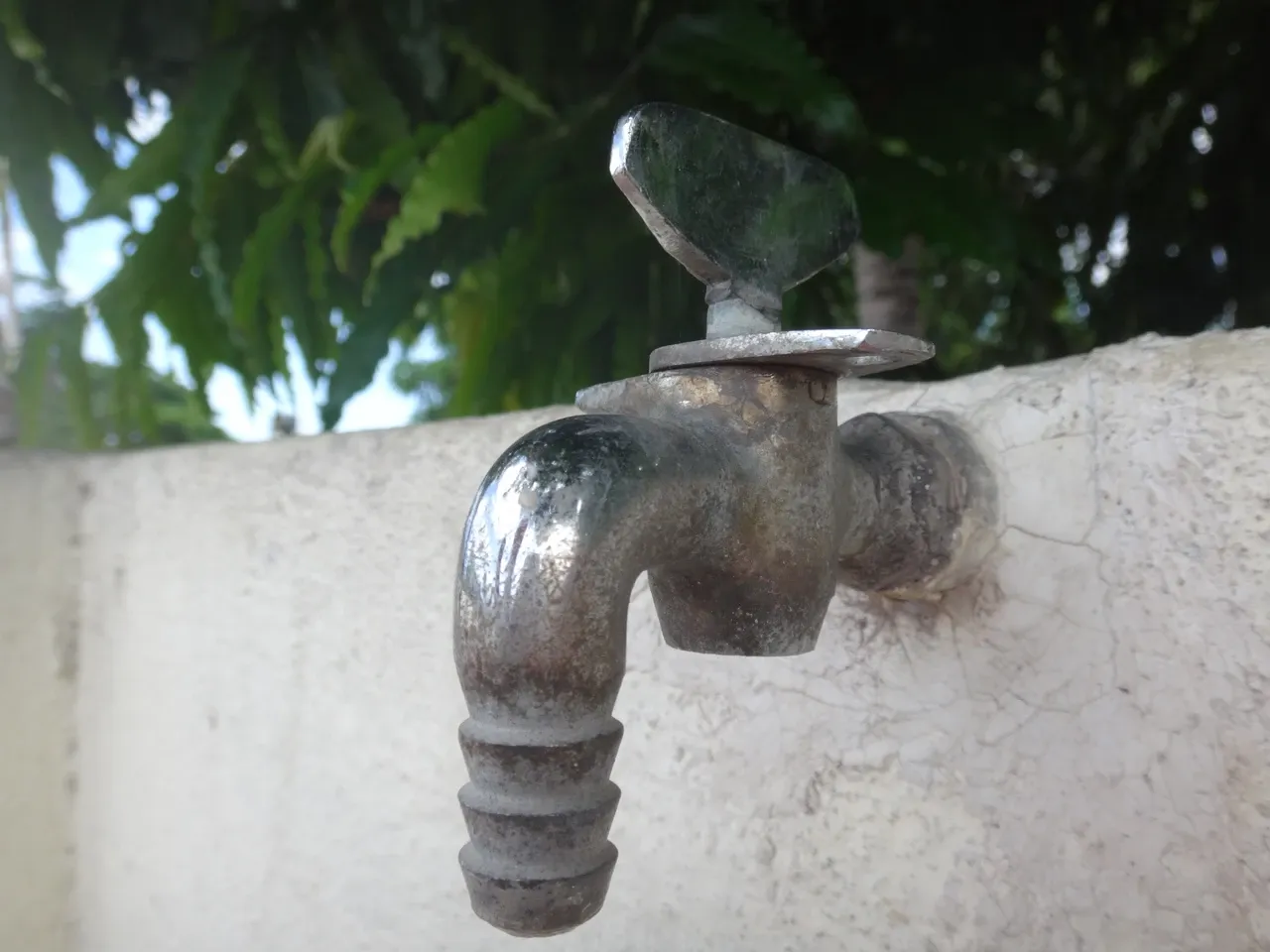

Water and electricity questions can decide whether a home works for the people who intend to use it. A sink, light switch or rooftop tank visible during a short viewing does not tell you how the supply reaches the particular unit, who maintains the equipment or what happens when a service is interrupted. Before buying a property in Syria, build an address-specific record of the arrangements described to you, the equipment you can observe and the points that still need independent checking. Do not infer conditions at one building from a general account of a city or neighbourhood.
The aim is to ask useful questions without turning a viewing into an unsafe test. Keep your own observations separate from statements made by the seller or another occupant. Plumbing, electrical safety, water quality and rights over shared equipment each call for different evidence and, where relevant, different professionals. A clear unanswered question is better than a confident guess.
Trace the water supply from source to tap
Ask where the property's water comes from and whether the source is dedicated to the unit, shared with the building or supplied through another arrangement. If storage or pumping is involved, ask where the equipment is located, who owns it, which units it serves and who pays for maintenance. Note the capacity described to you as a claim to verify, not a promise of how long water will remain available. A tank that appears large in a photograph may serve several households.
Ask how water reaches the kitchen, bathrooms and any outdoor taps. Are there separate lines or valves for the unit? Which spaces would an authorised professional need to access to inspect them? Request recent maintenance records or an explanation of any known leaks, pressure concerns or repairs. If the property has been unoccupied, ask when the system was last used and by whom. Record the date and speaker with each answer.
During a permitted viewing, note whether visible fittings are damaged, whether there are stains near supply points and whether the person with authority can demonstrate normal use safely. Do not open concealed panels, climb to inspect a tank or operate unfamiliar pumps. A brief demonstration cannot establish the condition of hidden pipework or water quality. The general viewing checklist helps keep these observations in the wider context of the building.
Ask separately about drinking water
Water that flows from a tap is not automatically suitable for drinking. Ask what source the occupants use for drinking and food preparation, whether any treatment or filtration is used and who maintains that equipment. If a seller refers to a test, ask for the actual report, sampling date, location and parameters tested. A result from a different source, building or year may not answer the question for this home.
The World Health Organization describes safely managed drinking water in terms of availability when needed and freedom from relevant contamination, as well as the type and location of the source. That public-health definition does not certify a particular Syrian property. If safe drinking water is important to your decision, identify the appropriate local testing or public-health advice for the exact source rather than judging it by clarity or taste. Keep that result distinct from questions about volume and pressure for washing or sanitation.
Map electricity and backup arrangements
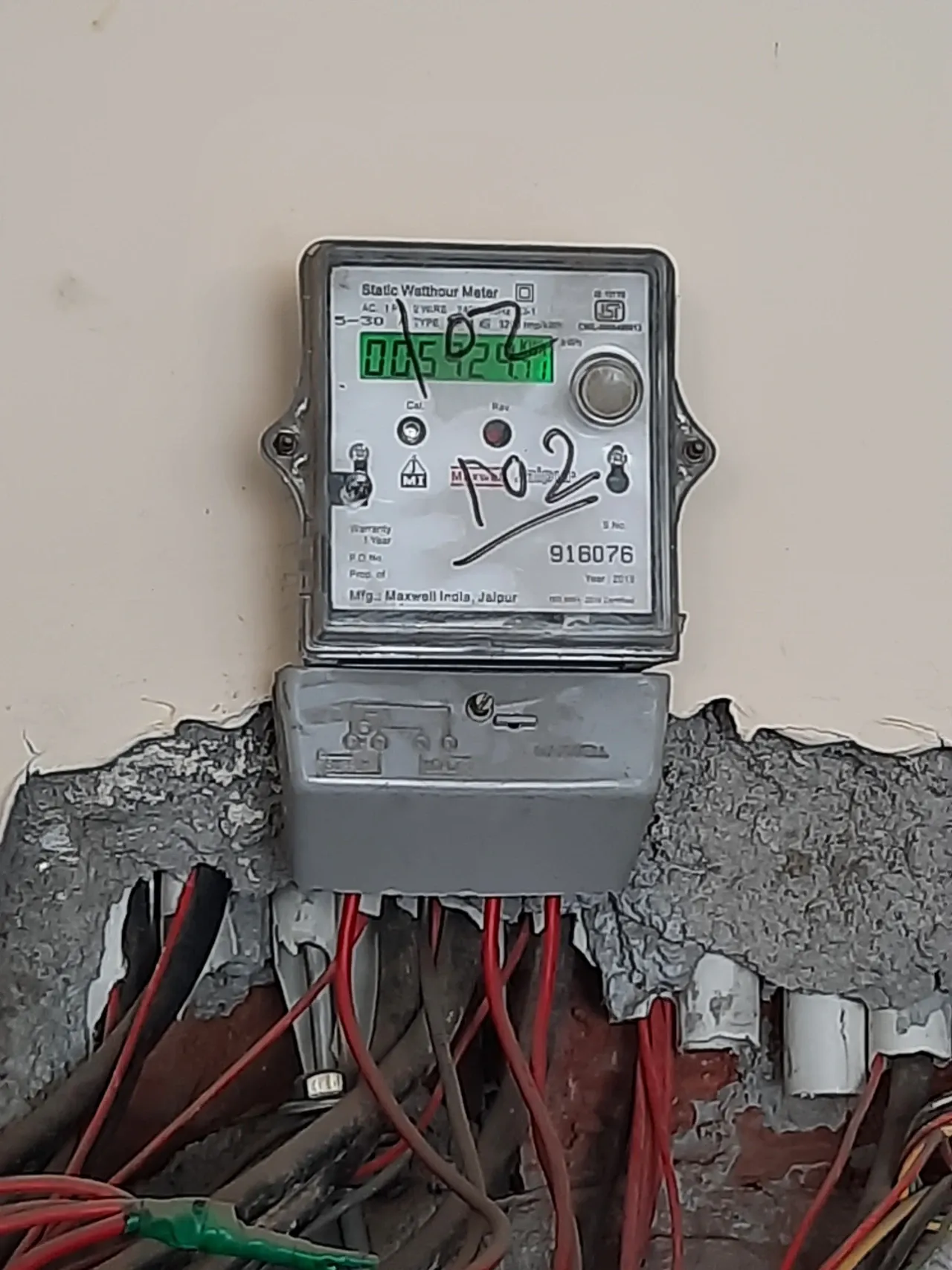
Ask how the unit normally receives electricity and where its meter, distribution equipment and main isolation point are located. Is any part of the arrangement shared? If a generator, battery, solar installation or other backup source is mentioned, ask which circuits it serves, what equipment is included in the proposed sale, who operates it and what records exist for installation and maintenance. An advertisement that says “backup power” does not tell you whether every room or a single light is served.
Discuss the uses that matter to your household: lighting, refrigeration, water pumping, ventilation, communications and equipment needed for work or care. Ask which of these the described system can support, for how long and on whose evidence. Do not accept a demonstration of one appliance as proof of overall capacity or future reliability. Keep quotations for fuel, maintenance or replacement as dated estimates with their original currency, rather than treating them as a fixed running cost.
Look at the condition of visible outlets, switches and exposed cables without touching suspect fittings. Do not open a distribution board, improvise a load test or switch on unfamiliar equipment. If you see damaged wiring, heat marks, exposed conductors or water near electrics, leave the area safe and seek a qualified assessment. The US Centers for Disease Control and Prevention warns that damaged or wet electrical equipment can be hazardous and should be inspected by a qualified electrician before use. Its emergency guidance is a safety reference, not a description of Syrian building rules.

Separate operation from legal and financial responsibility
A service may work during a viewing while its ownership, access or cost-sharing remains uncertain. Ask who can enter the areas containing tanks, pumps, meters and backup equipment. If another person controls access, document the arrangement rather than assuming it will continue after a sale. Ask your lawyer to examine what the proposed transaction includes and any documents relevant to shared use. Your notes can describe current practice, but they cannot establish a property right.
Request an explanation of recurring payments and how they are calculated. Are charges recorded by a meter, allocated across units or collected through another arrangement? Ask for available bills, receipts or building records and note their dates. Avoid using one month's figure as a universal forecast. A former occupant's pattern of use may differ from yours, and a quoted charge may omit repairs or replacement of shared equipment.
These questions belong alongside the shared-area inspection guide. Rooftop equipment, service rooms and common wiring may be physically outside the unit while still affecting its daily use. Your property brief should state which service limitations you can manage and which would make the home unsuitable.
Commission the right checks before relying on a claim
Give a building or services professional a concise list of concerns: the observed location, the statement you were given, the record you received and the decision it affects. Ask what their proposed inspection includes, what they cannot access and which specialist tests are needed. RICS's UK home-survey guide distinguishes a visual condition assessment from more specialised investigations; its products do not set Syrian inspection requirements. An electrical installation assessment, plumbing inspection and water-quality test answer different questions.
If a report says equipment was not operating or an area was inaccessible, leave that item unresolved. Ask what further access or evidence would be necessary. Do not turn the absence of an observed problem into a finding of safety. Likewise, a seller's recent invoice may show that some work was paid for without proving the entire system is sound. Your adviser can help connect the document to the actual installation and the property being offered.
Close with a practical service record
Create one page per property with four columns: question, current answer, supporting evidence and next action. Include the source and availability of water, drinking-water approach, storage and pumps, normal and backup electricity, ownership of equipment, access, maintenance and recurring charges. Date the page and attach the underlying records. Mark each entry as observed, reported or independently checked.
Compare that record with the daily routines in your property brief. A system may be adequate for occasional use but unsuitable for someone who needs dependable power for work or water for a larger household. The decision should follow your intended use and the evidence for this address, not an attractive shorthand in a listing. If a critical question remains open, record who can answer it before taking the next step.
Sources and scope
The WHO drinking-water fact sheet, CDC electrical-hazard guidance and RICS home-survey consumer guide were reviewed on 30 September 2026 for the limited health, safety and assessment distinctions stated above. They do not certify a Syrian property's utilities or describe Syrian legal obligations. Obtain property-specific technical and legal advice where the answer matters to a purchase.
Continue your research

Reading Building Meeting Minutes Before Buying an Apartment
Read building meeting minutes before buying an apartment in Syria, tracing proposals, recorded decisions, missing attachments and unanswered purchase questions.
Read more
Checking Household Waste Arrangements Before Buying an Apartment
Check an apartment’s household waste route, storage, collection point and stated responsibilities before buying, with clear questions for missing arrangements.
Read moreSources & review
Last reviewed:
PUT YOUR RESEARCH TO WORK
Start with a place.
Explore Syria’s cities and narrow your property search.