Blog
Why the Date of a Property Listing Matters
Track listing, photograph and confirmation dates in a Syrian property search to distinguish saved advertisements from recently checked terms.
In this article


The date of a property listing helps establish when a particular claim was made. It does not, by itself, confirm that the home remains available, the price is unchanged or the photographs are recent. Keep publication, revision, image capture and direct confirmation dates separately so that your Syrian property shortlist shows what was known and when.
A useful dated record lets you ask a precise follow-up: does this identified offer still apply, and which details have changed? Without it, a saved screenshot can gradually become a current fact in the family's discussion even though nobody has checked the underlying proposal.
Separate the dates that an advertisement can contain
Publication date records when the page or post appeared. An update date may describe a later edit, but you still need to know what changed. The photo capture date concerns the scene shown. A date on a quote concerns the particular amount and terms communicated. Your own research note adds another date: when you accessed or confirmed the information.
Those dates can legitimately differ. An older photograph might accompany a newly written offer, while a recently updated page might retain an earlier price. Avoid guessing how the advertiser's system works. Ask what the visible date represents and whether the details important to your enquiry have been confirmed.
Google's publication-date guidance describes signals it uses to understand when a web page was published or updated. A date displayed in a search result concerns the page; it is not a certification of property availability, a current quotation or the time a room photograph was taken.
Preserve the advertisement you actually saw
Save the URL, advertiser identity and your access date, together with the relevant version of the description. Keep the property identifier and original amount visible. If you retain screenshots, include enough context to identify the page rather than saving only the attractive room or headline figure.
Do not edit an old research record to make it look current. Add a new entry when the information is revised, and keep the earlier version where it helps explain the change. A short version history is usually more useful than numerous files named latest or final without a date.
Use the property comparison sheet to organise that evidence. The sheet should identify the source and the status of its claims, rather than implying that every filled cell has been independently verified.
Reconfirm the details that would change your decision
Before spending time or money on a next step, ask whether the exact property and the quoted terms remain under consideration. Clarify what the representative is able to confirm and what requires the owner's or another responsible party's answer. A prompt reply is useful, but its authority and scope still matter.
Ask about the information you intend to rely on: the proposed amount, inclusions, current access for a permitted viewing and any material change in the description. Keep the answer dated. Do not assume that confirming one item confirms the entire advertisement, documents or building condition.
The shortlist guide helps identify which unanswered question deserves attention first. Reconfirmation should support that question rather than becoming a routine message that says only still available without identifying the offer.

Read older photographs honestly
An image can remain useful after its capture date if it is accurately identified and its purpose is clear. It might illustrate a building arrangement that needs current confirmation or provide historical architectural context. Its age becomes a problem when it is presented as evidence of a condition or setting it has not documented recently.
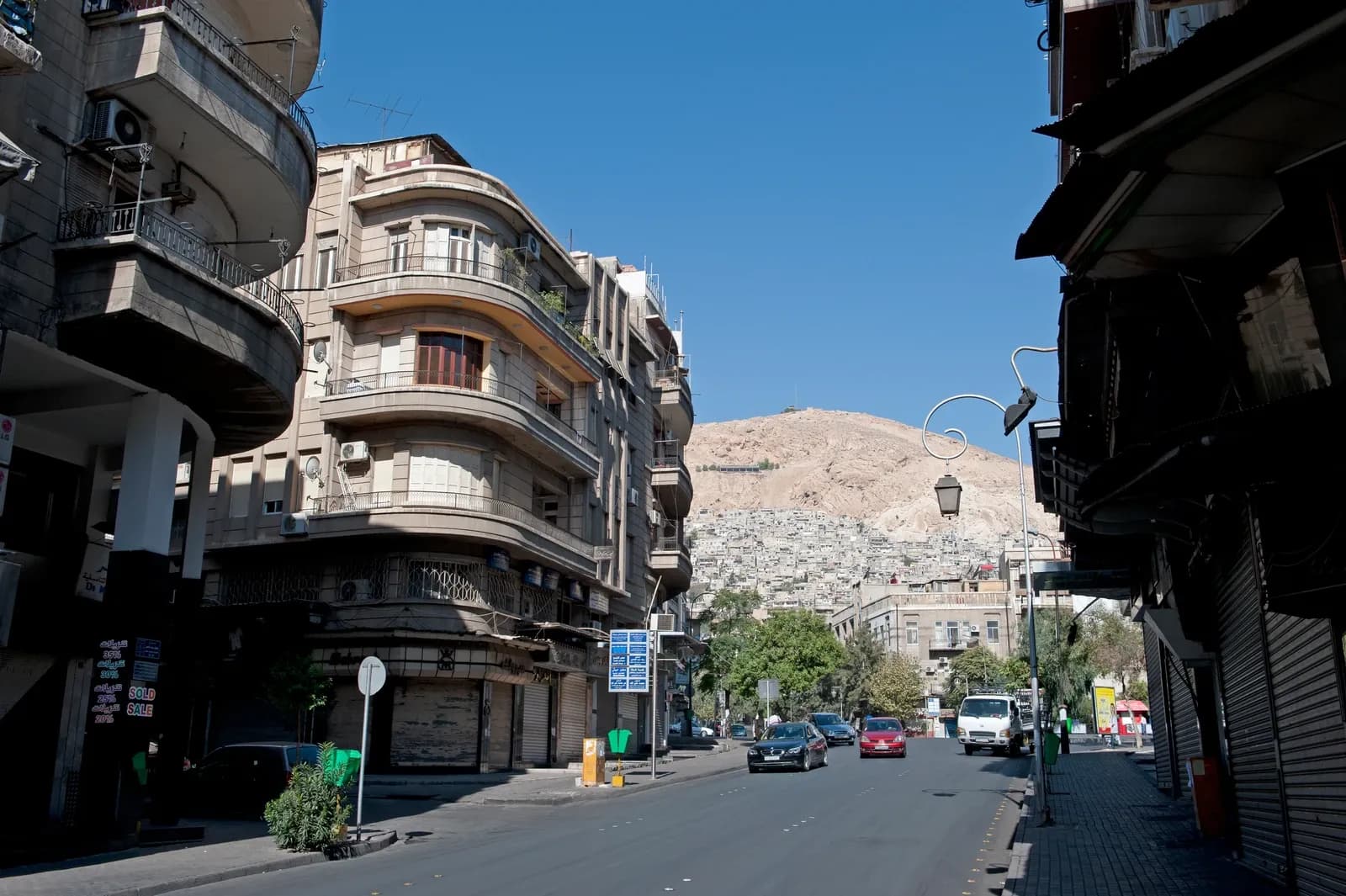
The genuine Damascus street photographs on this page are expressly archive illustrations. Their photographer records and dates are credited. They are not photographs of homes listed here, and they do not demonstrate present frontage condition, services or sale availability. A recent upload of an old photograph does not make the pictured scene recent.
For an individual home, ask when its images were taken and which rooms or common areas they cover. Request relevant updated evidence through an appropriate process if a change affects your decision. Respect occupants' privacy, and do not circulate an unrelated person's photographs or private details in public groups merely to establish a timeline.
Interpret a long-running advertisement cautiously
A listing that remains visible over time does not reveal why it has not disappeared. It may have been reposted, retained as an old page, revised or left without a clear status. Duration alone cannot establish owner urgency, negotiating room, a defect or the state of the entire market.
Look for confirmed changes instead of assigning a motive. If the asking amount changes, record both versions and dates, then ask which proposal applies now. If the wording or photographs change, establish the reason where relevant. Avoid turning a visible edit into a financial conclusion it cannot support on its own.
Our discussion of asking prices and completed sale evidence keeps the transaction stage clear. An old asking price remains an old asking price; it does not become an observed sale result because the advertisement has been online for months.
Use dates to control your next action
Give each shortlisted home a simple evidence timeline: advertisement accessed, terms last confirmed, images dated where known, and the next question requiring an answer. You may choose your own review interval for a live search. That is a household workflow decision, not a universal rule for how long Syrian listings remain reliable.
If a significant commitment approaches, reconfirm the particular information on which it depends and obtain the appropriate professional review. A dated message is a useful part of the record, but it does not replace independent checks of ownership, authority or contractual terms.
The purpose of tracking dates is to keep your decisions connected to the evidence you actually have. You can see whether an attractive offer has been examined recently, what changed and which assumption remains old. That clarity is more useful than treating the newest-looking page as automatically the best-informed option.
Continue your research
How to Keep a Useful Property Price Comparison Sheet
Build a property comparison sheet with dated sources, original currencies, defined measurements and clear labels for facts, estimates and unknowns.
Read more
Why Asking Prices Are Not the Same as Completed Sale Prices
Understand why advertised asking prices differ from completed sale evidence, and how to keep that distinction clear when comparing property in Syria.
Read moreSources & review
Last reviewed:
PUT YOUR RESEARCH TO WORK
Start with a place.
Explore Syria’s cities and narrow your property search.