Investment Handbook
Checking Whether an Advertised Property Price Includes Finishing Work
Check which finishing work a Syrian property price includes, separate promised fittings from optional upgrades, and record exclusions before deciding to buy.
In this article
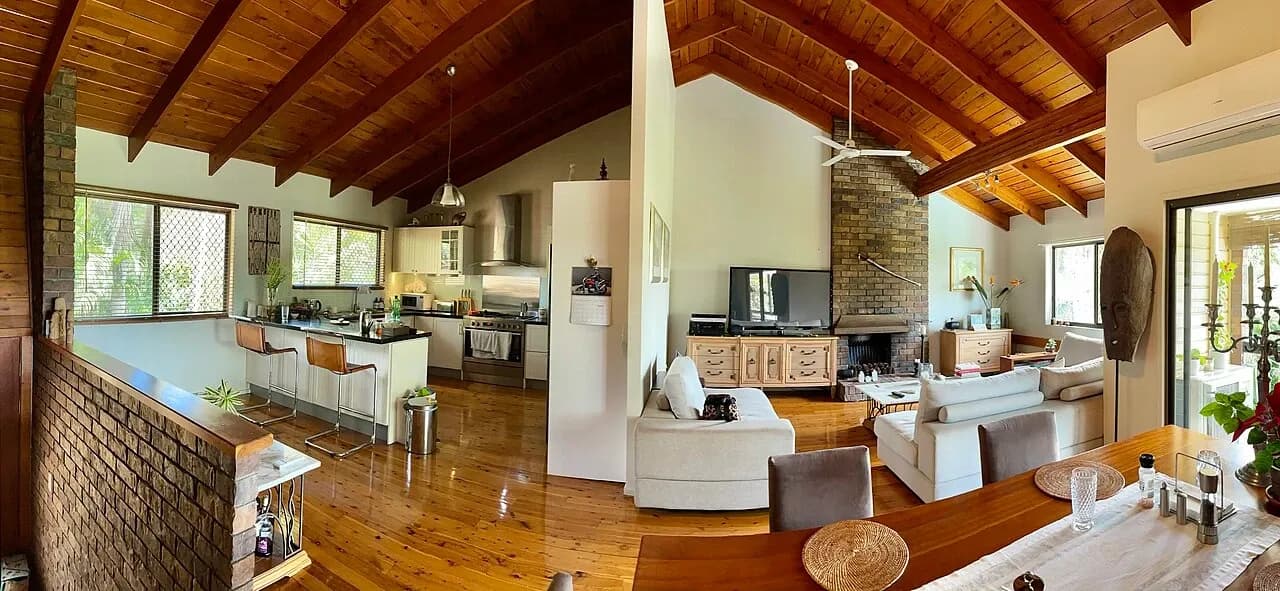

An apartment price becomes useful only when you know which apartment, in which state of finish, it buys. “Finished” might be someone's description of the rooms today, a promise to complete them later, or a reference to a display apartment that is not for sale. Before using an advertised Syrian property price in your budget, ask for the offer to be described room by room. The aim is to separate the present home, the seller's included work and anything you would still have to arrange.
This is a preparation exercise for a particular sale, not a definition of Syrian construction terms or a checklist that certifies completion. An independent Syrian property lawyer should review the proposed obligations. A suitably qualified technical adviser should address specifications and condition. Their questions become easier to answer when the advertisement, photographs and dated finishing list refer to the same unit and the same price.
Pin the advertised price to a dated offer
Save the advertisement with its date, unit reference and stated currency. Ask whether the quoted amount applies to the property as it stands or to a future result. If different finish options are offered, obtain a separate amount and specification for each. Do not attach the best photographed option to the cheapest quoted package unless the seller confirms that combination.
Ask which images show the actual unit, which show a completed example and which are visualisations. A photograph of a kitchen can help discuss a style without promising the same cabinets, appliances or dimensions. Label it accordingly in your file. Where the sales contact sends new photographs, ask when they were taken and which room they show; the date of a message does not establish the date of the image.
Keep an unanswered inclusion marked as unanswered. “Probably included” is too weak a basis for removing money from your preparation budget. If the seller revises the price during discussion, ask whether the scope has changed too. A smaller total paired with fewer tasks is a different offer, even if the conversation describes it simply as a discount.
Build the inclusion list from ordinary use
Choose one room and describe what you would need to use it. In a kitchen, that could mean cabinets, work surfaces, sink fittings and specified appliances, alongside the installation work relevant to them. For every item, ask whether it is present and retained, promised and included, optional at an additional amount, or outside the sale. Repeat this for the rooms on which your move-in plan depends.
Record enough detail to distinguish alternatives. “Lighting included” leaves questions about the rooms, number of fittings and whether decorative lights shown in photographs stay. “Wardrobes included” might need the location, arrangement and a reference drawing. Material descriptions should come from the agreed specification or competent evidence, rather than your interpretation of a surface in a photograph.
Furniture and decoration can make an unfinished inclusion list easy to overlook. Identify removable items separately from building finishes and installed equipment. Our guide to recording fixtures and contents helps organise that inventory. Your lawyer can then decide how the proposed list belongs in the transaction documents.
Separate a finish from the work supporting it
A painted wall is visible; the preparation beneath it may not be. Ask what work the seller includes before applying the final surface, and what investigation supports any claim that a problem has been corrected. The buyer should not specify a remedy for an unexplained stain or treat new decoration as technical clearance. Give the adviser the observation, photographs and proposed task so they can identify the question that needs assessment.
Distinguish supply, fitting and demonstration where these matter. A boxed appliance delivered to a room is a different result from installed equipment whose relevant checks and instructions have been provided. Similarly, a tap's presence does not confirm a usable water arrangement. Ask who is responsible for each part of the promised result and what information a competent person would need to assess it.
The RICS home-improvements overview and Citizens Advice preparation guidance discuss defining work in writing in their UK and England contexts. They are background reading. Their permissions, tax, insurance, payment protections and consumer remedies do not establish Syrian requirements or rights under your sale.

Find the gaps between packages and trades
Ask what happens at the edges of each task: preparation, delivery, installation, finishing around the installation and removal of leftover materials. If a seller supplies flooring but excludes fitting, record both parts distinctly. If a kitchen package omits equipment you need immediately, request the missing scope rather than treating the word kitchen as a complete answer.
Check choices that are still open. A material allowance needs a basis: what it covers, whether installation is separate and how a more expensive selection would change the proposal. Ask who can approve a substitution and what written confirmation you would receive. An available sample does not guarantee future stock or prove that an alternative would serve the same purpose.
For excluded work, obtain a separate professionally informed estimate before relying on a combined purchase-and-finishing total. The itemised renovation estimate guide explains how to read that document. Here the immediate job is narrower: finding the gap between what the sale includes and what your household needs.
Agree how the promised result will be checked
Ask who will undertake the included work, who answers for its delivery and when it is supposed to be ready. Discuss the proposed acceptance process with your lawyer before commitment. They should address incomplete work, proposed changes and any asserted warranty or remedy through the actual agreement; none should be assumed from the advertisement.
Have the technical adviser define the appropriate inspection scope and its limits. Some decorative omissions may be recorded by observation, while questions about concealed installation need different evidence. Decide who will review that evidence and how outstanding items will be documented. A seller's statement that everything is finished should not replace the agreed comparison with the specification.
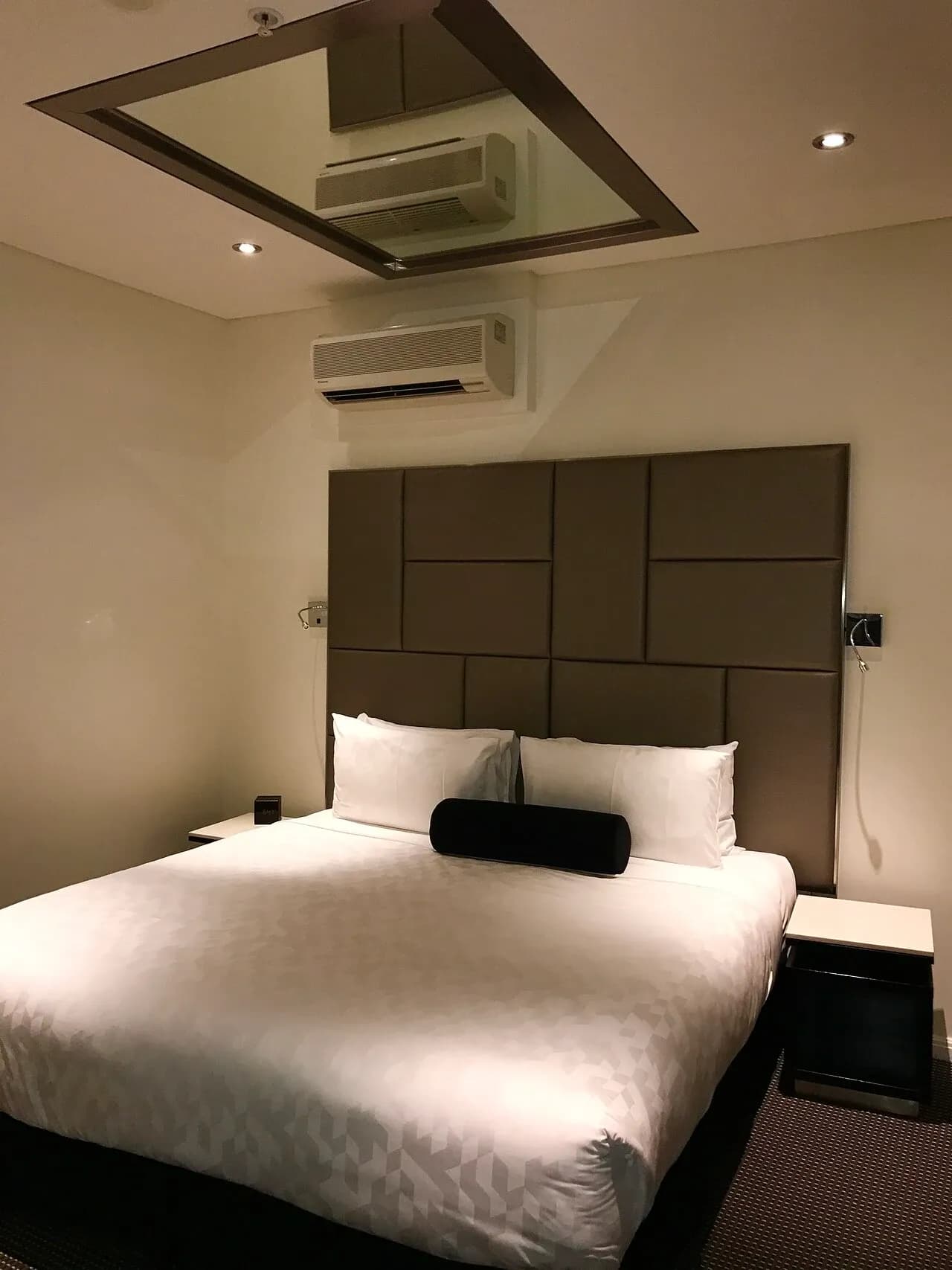
Use a fictional bedroom example: the price includes fitted cupboards, paint and two specified lights, while the pictured bed and cooling appliance are excluded. The seller later offers different cupboard doors. Your decision file should identify that substitution, its proposed cost effect and the person who must approve it. That is more useful than leaving “bedroom finished” unchanged in the notes.
Reconcile the offer before deciding
Bring the dated offer, inclusion list, exclusions and unresolved delivery questions together. Show the purchase amount separately from work you would fund, then identify which costs or dates remain unknown. Consider whether those gaps affect your ability to occupy or prepare the home for an intended letting. Do not assume immediate use or income while essential finishing remains unsettled.
The handover checklist guide can help carry the reviewed specification into a later practical record. For now, the decision is whether the current offer describes a result you understand and can afford. A reliable comparison ends with clear inclusions, visible exclusions and a defined route for checking promises, rather than confidence borrowed from a single word in a listing.
Continue your research
Planning a Property Purchase That Depends on Another Sale
Plan a property purchase in Syria that depends on another sale: separate available proceeds, linked dates, independent commitments and temporary housing needs.
Read more
Reviewing a Seller’s Instalment Proposal Before Buying Property
Review a seller’s property instalment proposal in Syria: reconcile the total, earlier amounts, payment triggers, milestone evidence and unresolved adviser questions.
Read moreSources & review
Last reviewed:
PUT YOUR RESEARCH TO WORK
Start with a place.
Explore Syria’s cities and narrow your property search.