Investment Handbook
Creating a First-Year Property Maintenance Plan
Build a first-year maintenance plan for a Syrian property from its handover record, condition questions, qualified inspections, dated tasks and costs.
In this article
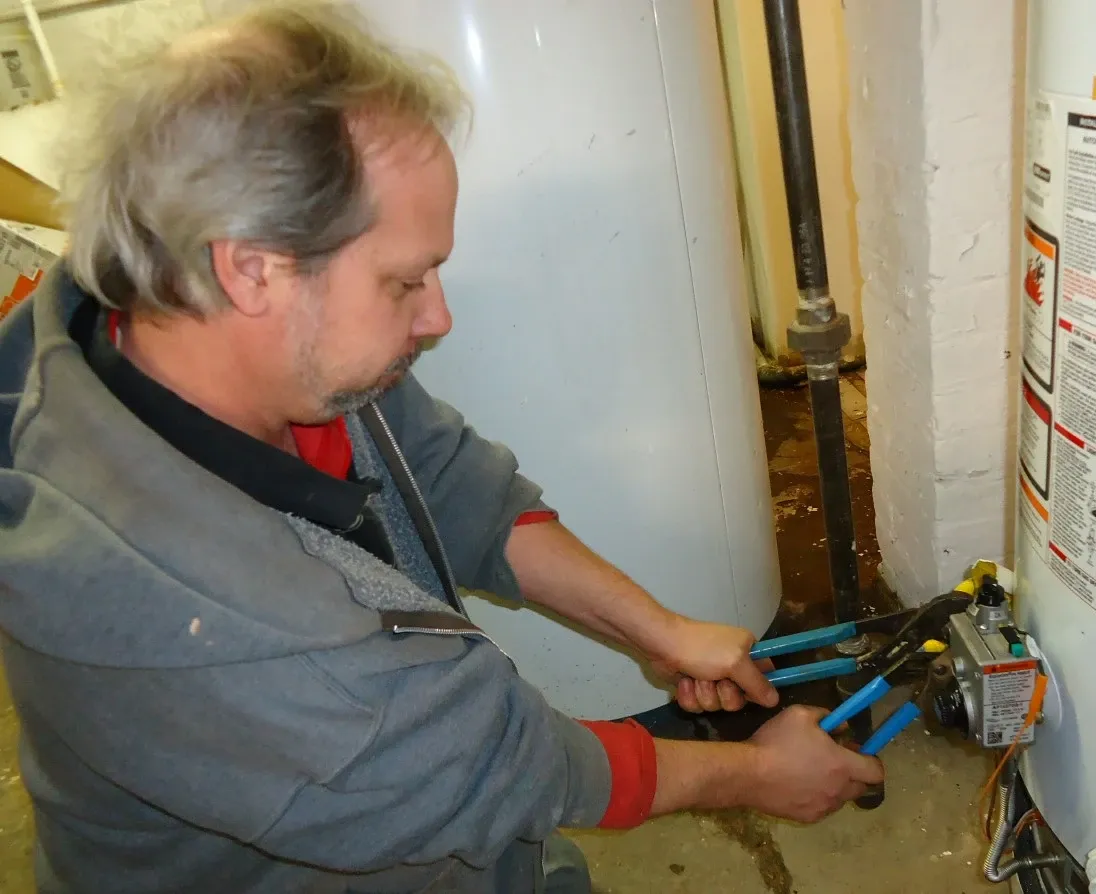

The first year of ownership is when a buyer learns which parts of a property need routine attention and which problems were not clear during viewings. A useful maintenance plan starts with the actual handover record, inspection findings and people responsible for shared systems. It is a dated list of checks, decisions and follow-up, not a generic calendar that assumes every Syrian home has the same equipment or climate. If an issue involves electricity, gas, structure, water quality or unsafe access, use a qualified local professional rather than attempting a repair from an online checklist.
Turn the handover record into a starting condition
Gather the signed purchase and handover documents, any condition report, photographs, key inventory, service information, warranties or manuals that were actually supplied. Put unresolved handover items at the top of the plan with the person who promised to address them and the evidence of that promise. If a room was inaccessible or a system could not be checked safely, label its condition unknown. Do not mark it “working” because nobody reported a problem. The handover checklist explains how to record what was observed without claiming a technical inspection.
Create a simple property map: rooms, roof or terrace access if relevant, windows and doors, water points, electrical panels, shared equipment and any outdoor drainage. This is an index for later notes, not an invitation to open equipment or enter unsafe spaces. A local inspector can turn visible concerns into an appropriate professional scope. Ask the building manager or other responsible party which shared items the owner may inspect and which must be handled by someone else.
Separate urgent safety questions from routine care
Use three headings. First, items that need professional attention before normal use: an exposed electrical hazard, suspected structural movement, unsafe stairs or a significant leak. Second, issues that could worsen if ignored, such as a recurring damp patch or a faulty window seal. Third, ordinary upkeep, cleaning and periodic checks. A photograph and date belong with each observation, but a photograph alone does not identify the cause.
The US Environmental Protection Agency's moisture-control guidance explains that water can enter through several building elements and that maintenance staff need to verify the source before choosing a remedy. It is technical background, not a diagnosis of a Syrian building. Our ventilation and damp viewing guide shows how to describe a symptom without guessing its source. If a problem affects health or safety, seek appropriate local assessment promptly.


Make a first-year calendar from actual systems
Write the month of purchase in the first column, then schedule follow-up based on the property's condition, manuals, qualified advice and local seasons. The owner of an apartment may need to ask about common-area drainage or a shared water tank; a detached home may have different responsibilities. Do not assume a system exists because it appears on a standard template. For every task, record who is allowed and qualified to do it, what evidence will show completion, and whether access must be arranged with someone else.
Check for visible leaks around accessible fixtures and record changes; do not dismantle plumbing. The US EPA's WaterSense home-maintenance page recommends regular attention to water-using fixtures and leaks in its general consumer context. It does not set Syrian maintenance intervals or establish responsibility for a particular building. A local plumber should assess unexplained loss of water, dampness or pressure changes. Preserve the date and location of the observation so the professional can investigate efficiently.
The seasonal home maintenance checklist gives examples of recurring observations. This first-year plan has a different job: it connects the home's starting condition to named tasks, professional reports, costs and decisions after the purchase. A calendar entry without an owner or evidence of completion is only a reminder.
Keep a reserve and an itemised repair pipeline
Budget for known tasks using actual quotes, and keep unpriced issues separate. A small visible defect may need a specialist inspection before anyone can price the cause. Ask for a written scope and exclusions, then compare the quote with the original observation. Our itemised renovation estimate guide explains why the inspection basis matters. Do not treat a rough allowance as a contractor's commitment.
Keep enough accessible funds for ordinary life outside the property plan. A maintenance reserve is useful only if the owner can actually reach it when work is needed. Do not substitute an invented percentage of the purchase price for a property-specific budget. If a repair could make the home unsafe or unusable, ask a qualified professional for the likely scope and timing before setting the reserve. Record whether the cost belongs to the owner, a shared arrangement or another party under the actual documents; have a local adviser resolve uncertainty.
Close the loop after each job
Each maintenance entry should have a location, date noticed, observation, person contacted, quotation or report, approval, work completed and follow-up result. Keep the original before-and-after images and receipts. If a contractor changes the scope, save both versions and the reason. Do not erase the first observation when a problem appears to stop; a recurring pattern may matter later.
At the end of the first year, review what the plan taught you. Which issues recurred? Which systems still have no reliable documentation? Which tasks were completed and which remain open? That review gives the next year's plan a credible starting point. It also makes conversations with a manager, insurer, future buyer or local adviser more precise without pretending that a checklist can certify a property safe.
Continue your research

Planning a Records Handover When Changing Property Managers
Plan a property manager records handover in Syria, matching deliveries, open tasks and closing reports to named recipients and agreed follow-up actions.
Read more
Preparing a Pre-Work Condition Record for a Renovation
Prepare a dated condition record before renovating a property in Syria, covering retained features, access routes, photo references, review comments and gaps.
Read moreSources & review
Last reviewed:
PUT YOUR RESEARCH TO WORK
Start with a place.
Explore Syria’s cities and narrow your property search.