Investment Handbook
Recording Meter Readings at a Property Handover
Record meter readings at a Syrian property handover with device identifiers, dated observations, source notes and clear follow-up for unresolved service questions.
In this article
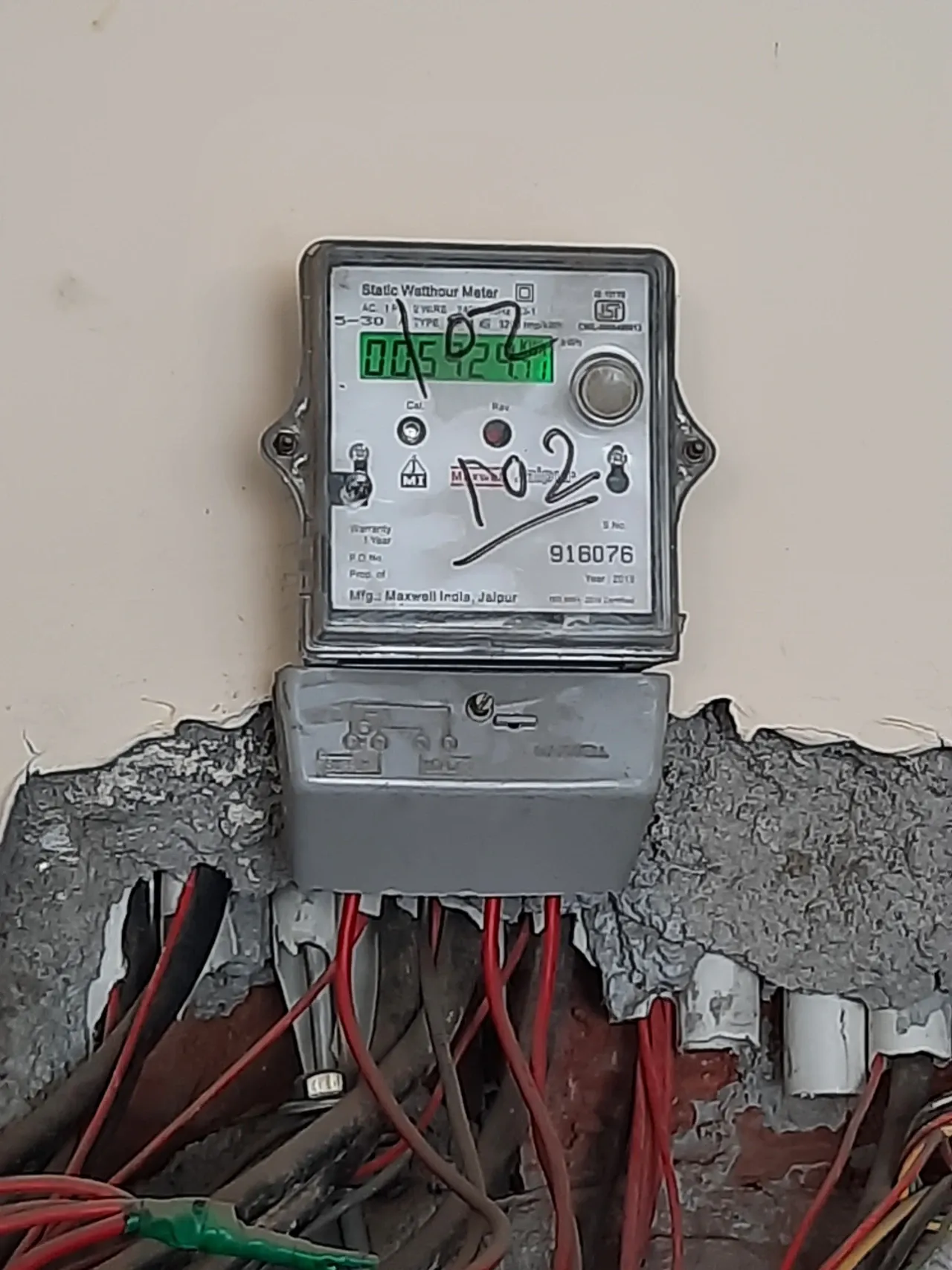

A meter reading at property handover is useful only when the record shows which device was read, when it was observed and what the displayed number represents. A close photograph of digits can lose that context. For a property purchase in Syria, prepare a small reading sheet that connects the equipment, the observation and the follow-up required. The aim is to preserve a starting record for later questions about service arrangements, without deciding account liability or certifying the installation.
Keep this sheet beside the wider property handover checklist. It covers one particular handover task. The agreement, service records and advice for the actual property must establish who should contact a provider, which account changes are needed and how any disputed charges should be handled.
Identify the device before recording its display
Give each meter a separate entry with the property and unit description, the service it is said to measure and its visible location. Copy an accessible serial number or other equipment identifier exactly, keeping it separate from the changing reading. Record who identified the device as belonging to the property and what record supports that connection. A handwritten apartment number on a nearby wall is a useful observation, but it may need checking against current service information.
Ask whether the device serves the unit alone, several spaces or shared building equipment. If a seller describes it as a private submeter, preserve that description as an attributed statement until the arrangement is confirmed. Do not assume that every visible meter has a separate provider account, or that a building meter measures only the apartment being purchased. The distinction matters before anyone uses its numbers to divide a charge.
Thames Water's public meter guidance illustrates the identification problem by asking its customers to match the meter serial number with their bill. That is a bounded example from a UK water provider. It does not establish where meters are installed in Syria or which documents a Syrian service operator will accept. If the visible identifier and available record disagree, leave the association unresolved and name the person who will seek clarification.
Preserve what was visible and when
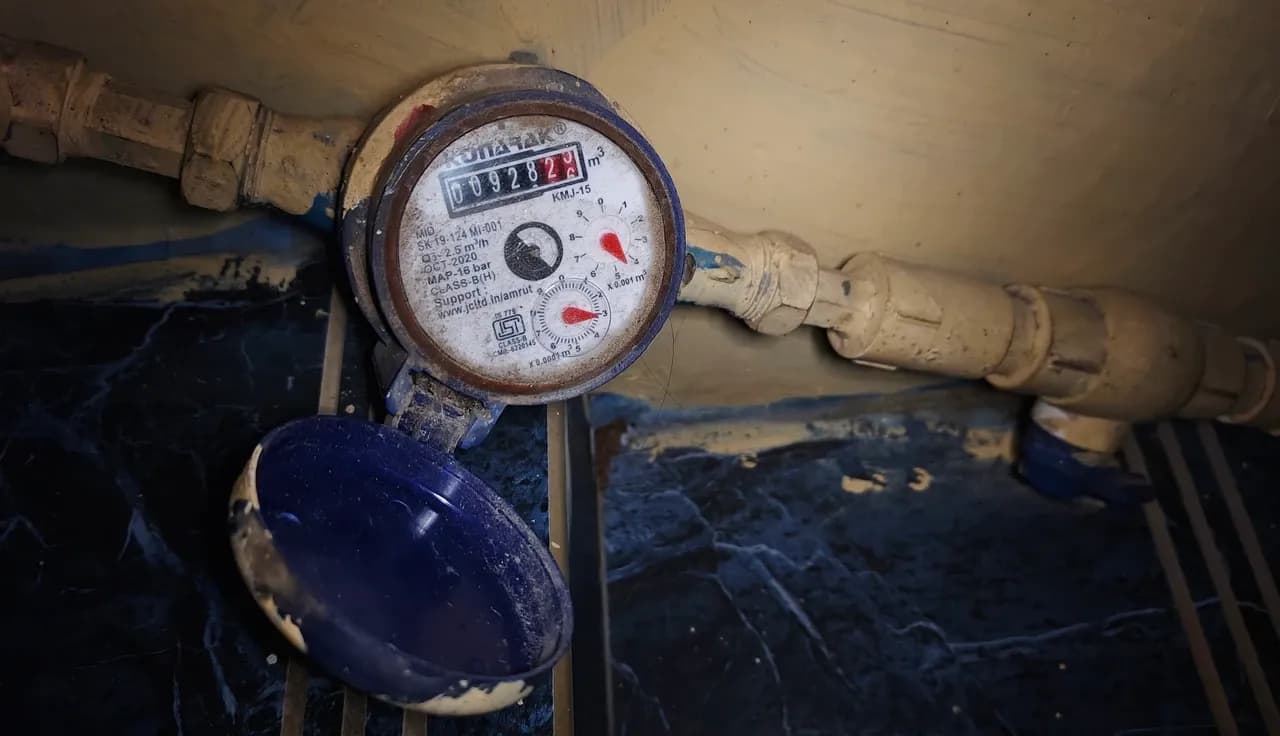
For an accessible meter that can be observed safely and with permission, record the date, local time, observer and displayed value. Include the unit and any register label that can actually be read. A device may show several numbers; the sheet should say which display was photographed rather than treating every number as interchangeable. Ask the appropriate provider or qualified professional to explain an unfamiliar display. Do not invent a unit or apply a conversion from memory.
Take an identifying view and a readable display view where permitted, and give both files the same entry reference. Keep the original photographs. If a reflection obscures a digit, describe it as unclear and seek another safe observation; do not edit the image to make a guessed value look certain. Avoid including unrelated account documents, occupants or neighbouring equipment when they add nothing necessary to the record.
The UK government's How to Buy guide includes moving-day meter readings and dated photographs among its practical reminders. This article uses that narrow recordkeeping point, without importing the guide's England-and-Wales completion process. A photograph's file date is useful context but should be checked against the observer's note. A picture received today may have been taken earlier, especially when a buyer is coordinating the handover from abroad.

Separate observed, reported and unavailable readings
Use a status beside each entry: observed at the appointment, supplied by another person, copied from a document, or unavailable. For a supplied photograph, record the sender and stated capture time as well as when you received it. For a bill, preserve its reading date and whether the document describes the value as an estimate. Do not relabel an earlier estimate as the reading seen at handover merely because it is the newest bill available.
If access is locked, equipment appears damaged or the display cannot be read safely, record the reason and the next contact. A missing value is not zero. Do not remove covers, disturb seals, touch wiring, operate unfamiliar controls or attempt a supply test to complete the sheet. Arrange an appropriate authorised reading or technical assessment when needed; the handover record should make its limitation clear.
As a hypothetical example, a buyer receives an electricity-meter photograph labelled Monday, while the handover takes place on Wednesday. The visible serial number matches the earlier service document, but nobody obtains a Wednesday reading. The honest entry retains Monday's photograph and marks the handover value unavailable. It also identifies who will request a fresh reading. Renaming the photograph Wednesday would remove the very timing difference a later reviewer needs to understand.
Keep the reading separate from money and responsibility
The reading sheet can point to a bill or service record without claiming that its balance has been settled. Put payment evidence, account correspondence and any agreed allocation of charges in separate linked records. Ask the appropriate local adviser or service contact which reading, date and identification they need. A seller's acknowledgement that a number was seen does not automatically confirm account transfer, ownership of equipment or responsibility for earlier charges.
Shared arrangements need particular care. If one meter is said to cover an apartment and common equipment, ask how the current allocation is documented and who maintains that record. Keep a shared-meter reading separate from any private submeter reading. Do not subtract unrelated values, mix units or assign the difference to one household without an established basis. A discrepancy is a question to resolve, not evidence by itself that someone used or withheld a particular amount.
The broader water and electricity questions guide helps investigate supply, shared equipment and maintenance before purchase. Retain those findings alongside the reading sheet. Neither a changing display nor an apparently ordinary reading establishes safe wiring, water quality, uninterrupted supply or the accuracy of the measuring equipment.
Close the record with specific follow-up
Before leaving, read back each entry with the people who observed it where practical. Note who confirmed only the transcription, who supplied information and which association or date remains disputed. If a correction is needed later, add the corrected value, reason, source and correction date while preserving the original entry. This keeps an accidental copying error distinguishable from a later reading of the same device.
Store the sheet, its original photographs and the relevant confirmations in the private handover file. Share the necessary entries with the named recipients rather than posting equipment identifiers and account details publicly. Close an outstanding item when the requested evidence or response arrives, recording exactly what it resolves. The finished record should let someone absent from the appointment locate the device reference, reconstruct the observation and see which service or billing questions still require an answer.
Continue your research
Reviewing Warranty Papers Offered with a Property Sale
Review warranty papers offered with a property sale in Syria, checking the item, issuer, coverage period, exclusions and questions about a new owner.
Read more
Preparing a Key and Access-Device Register for Property Handover
Prepare a property key handover register in Syria: match keys and devices to entrances, record delivery and checks, and track missing items without exposing codes.
Read moreSources & review
Last reviewed:
PUT YOUR RESEARCH TO WORK
Start with a place.
Explore Syria’s cities and narrow your property search.