Investment Handbook
Recording Fixtures and Contents in a Property Purchase
Record which fixtures and contents will remain in a Syrian property purchase, room by room, with dated photos, explicit exclusions and lawyer-reviewed terms.
In this article
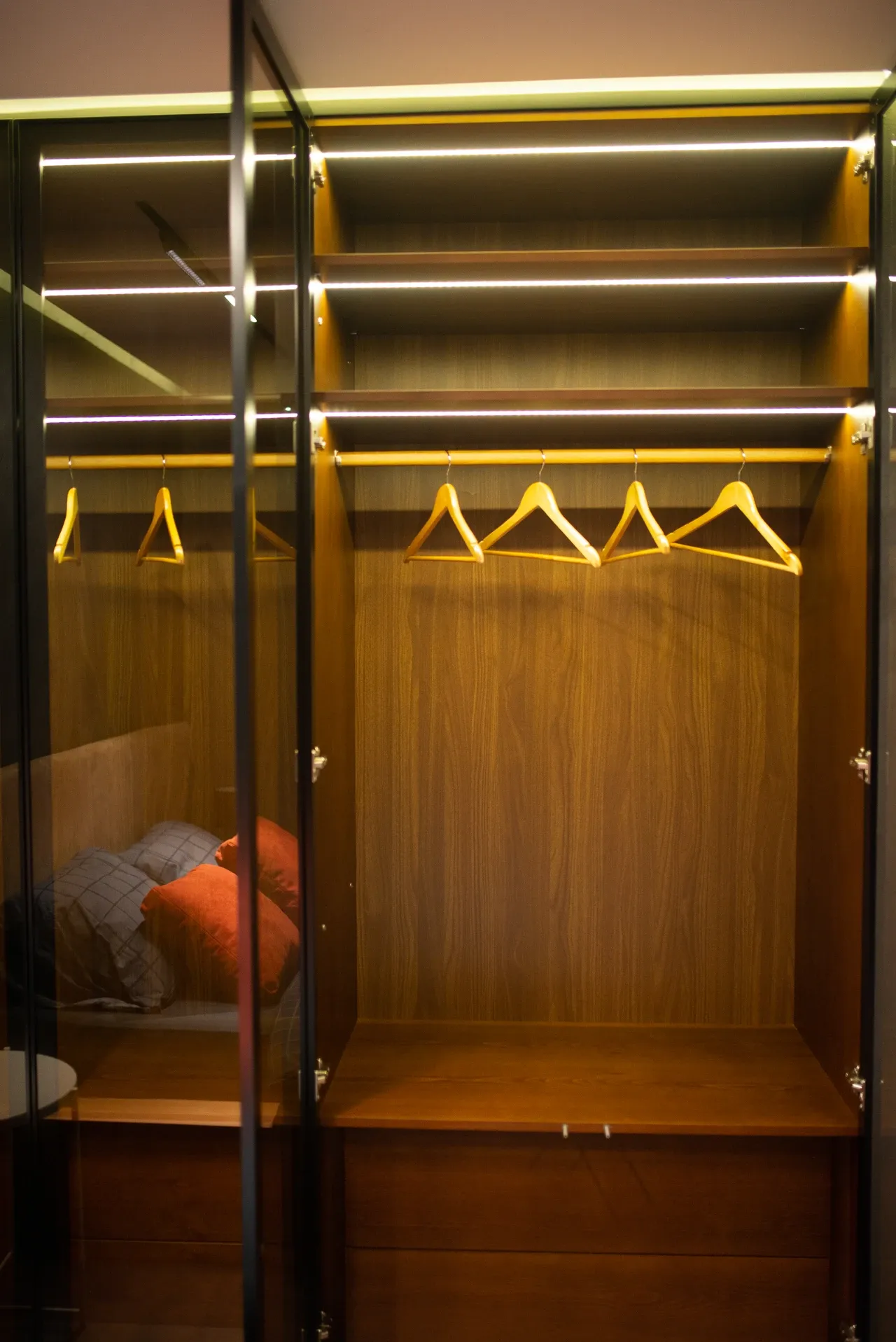

An apartment can look ready to move into because it contains kitchen units, light fittings, curtains and appliances. After a sale, those items may not all be there. The safest response is to describe exactly what the buyer expects to receive, room by room, and have an independent Syrian property lawyer make sure the agreed list is reflected in the transaction documents. This is a practical recording guide. It does not decide whether an item is legally a fixture under Syrian law or supply a standard contract clause.
Start from the viewing, not a generic inventory
Take a fresh walk through the specific property with a dated list. Record each room, its installed items and the movable objects the seller says will remain. Keep two columns: what you observed and what the seller explicitly offered. A photograph of a furnished room proves that the objects were present at that moment, not that they are included in the purchase. Ask for a written answer where the listing says “fully fitted” or “partly furnished”; those phrases are too broad to tell you which oven, cupboard or air-conditioning unit will be delivered.
Our viewing checklist can help you keep observations consistent. The contents record has a different job: it is a schedule for the proposed agreement. It should use the same property and room names as the contract, so a later comparison is possible.
Describe the item well enough to recognise it
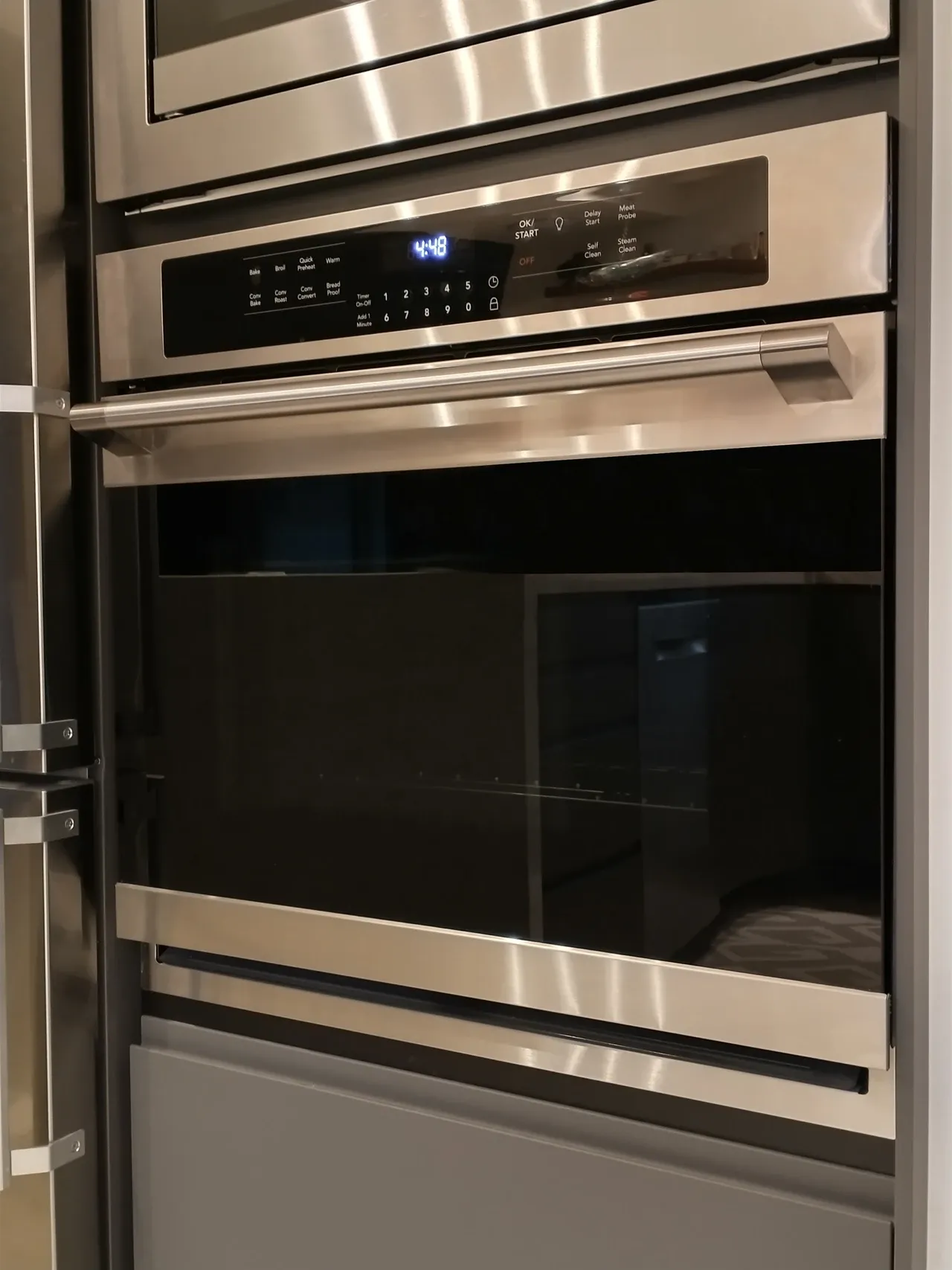
“Kitchen appliances included” can conceal several questions. Which appliance, in which position, and with which accessories? Is it built in or freestanding? Does the seller mean the cooker but not the refrigerator? A short description and a dated photograph can make the answer more useful. For valuable or easily substituted items, note the make, model or other visible identifier if available, while avoiding unnecessary collection of personal data from labels or documents.
In each room, separate fixed fittings from movable contents for the purpose of discussion. You are not making a legal classification. Ask the lawyer whether the distinction has legal significance for the exact transaction and how the agreed outcome should be written. If curtains are to remain but curtain rails are not mentioned, ask about both. If a seller intends to remove a cabinet fixed to a wall, ask what surface repair will follow and how that promise will be recorded. A gap left by a removed item can be a condition issue even when the item itself was excluded.
Include outside and shared spaces carefully
Do not stop at the apartment door. The offer may mention a parking barrier, storage shelving, a water tank, a generator connection, garden equipment or a rooftop installation. First ask whether the underlying space or equipment is actually part of the rights offered. Our boundary and access guide helps separate physical presence from a transferable right. A tank visible on a roof may serve several units; the fact that the seller uses it does not establish sole ownership or an obligation to transfer it.
For any equipment shared with neighbours, record who says it is shared, who maintains it and whether a written arrangement exists. Ask the lawyer what the buyer would acquire or be responsible for. Do not place a shared item on a list of “included contents” without clarifying its status. A separate note titled “shared equipment to verify” is more honest than forcing every object into included or excluded.

Make exclusions as explicit as inclusions
An inventory should identify items the seller will remove as well as those left behind. This prevents a seller's moving plan from being mistaken for a breach and helps the buyer budget for replacement. If an item is rented, borrowed or belongs to an occupant, record that claim and ask who can verify it. If a built-in element will be removed, ask what will remain safe, weatherproof and functional. Do not accept a general phrase such as “all personal possessions excluded” as a complete answer for appliances, fittings or custom joinery that matters to you.
Ask the lawyer to review the list as an attachment or schedule to the relevant agreement if appropriate. The UK government's conveyancing overview names fixtures and fittings among details addressed in a home sale contract in England and Wales. That is a foreign consumer example, not a statement of Syrian law or a form to copy. Your lawyer should decide how the particular list is incorporated into the Syrian transaction.
Record condition without promising performance
Beside each included item, note what you could observe. “Light switched on during viewing” is more accurate than “electrical system works.” “Water flowed from this tap” is not a pressure, safety or continuity assessment. If an appliance is important to the price or planned use, ask for a specific check by a qualified person and ask the lawyer how any agreed condition or remedy should be described. Our water and electricity questions show why a momentary demonstration cannot settle a service issue.
Photograph visible damage and identify the room and date. If the seller promises a repair, keep that promise separate from the item list and ask who will verify completion. Do not mark a defect as resolved because a new photograph looks better from one angle. The point is to distinguish what is to be delivered, what condition was observed and what work is still promised.
Control changes between agreement and handover
Save each dated version of the list. If the seller wants to substitute an item, remove an appliance or leave something not previously included, mark the precise change and ask the lawyer whether the agreement needs revision. Do not rely on a message saying “same as before” when the photographs or list have changed. Give the handover attendee the final agreed version, not a draft from an earlier viewing.
At handover, compare the list with what is present and photograph differences promptly. Note missing keys, accessories or manuals if those were promised. Sign an acknowledgement only after understanding what it states; a record of what you observed is different from an agreement that everything is satisfactory. Ask the lawyer how to document any difference and what should happen next. The pre-signing questions explain why the final text and delivery promise need to match.
A useful contents record makes a future argument less dependent on memory. It names the property, room, item, promised status, condition evidence and version reviewed. The buyer can prepare that evidence, but the legal meaning and response to a missing or changed item require professional advice on the actual agreement.
Continue your research
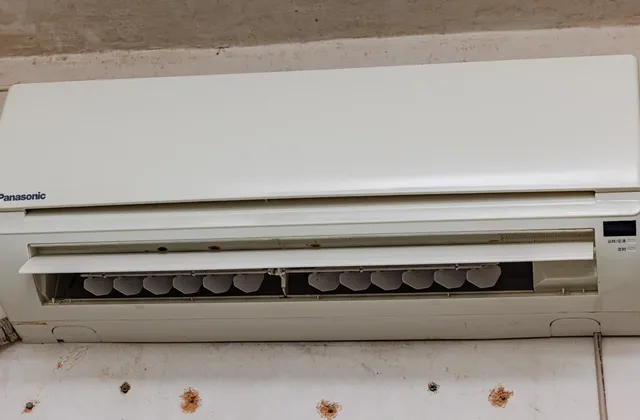
Reviewing Warranty Papers Offered with a Property Sale
Review warranty papers offered with a property sale in Syria, checking the item, issuer, coverage period, exclusions and questions about a new owner.
Read more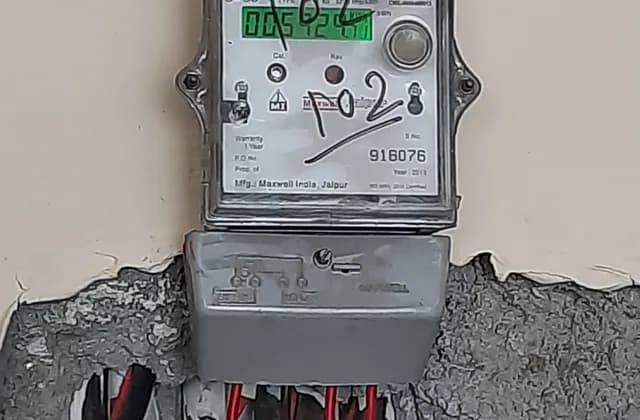
Recording Meter Readings at a Property Handover
Record meter readings at a Syrian property handover with device identifiers, dated observations, source notes and clear follow-up for unresolved service questions.
Read moreSources & review
Last reviewed:
PUT YOUR RESEARCH TO WORK
Start with a place.
Explore Syria’s cities and narrow your property search.