About Syria
As-Suwayda Governorate: Towns, Landscapes and Local Research
Explore As-Suwayda Governorate by verifying the exact town and address, comparing dated images with present conditions, and checking each building and its records.
In this article
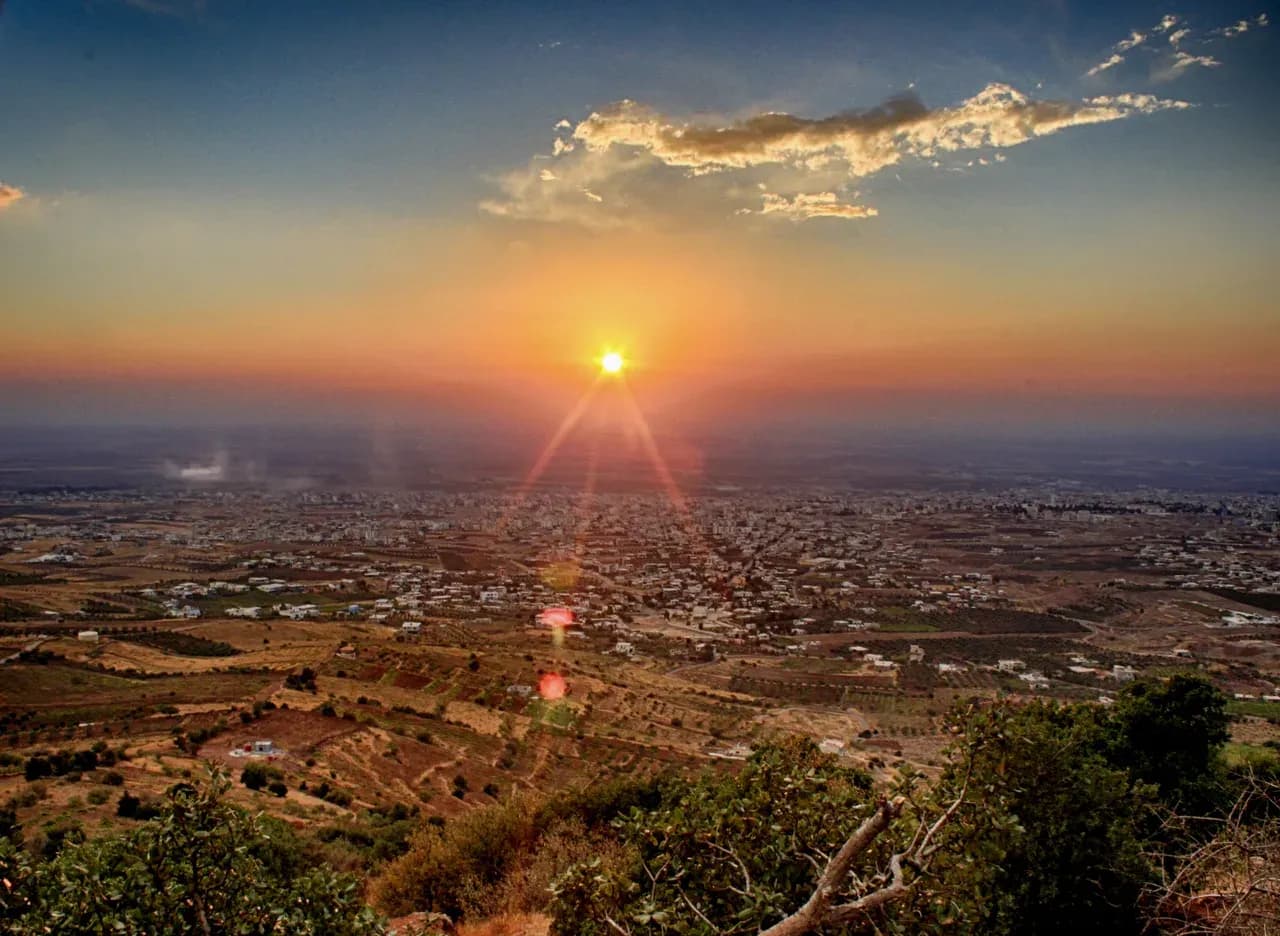

The name As-Suwayda can mean a governorate, its principal city or an address somewhere within the surrounding district. Those are very different starting points for a property search. A photograph of a hillside or an old stone building may help you recognise a place, but it cannot tell you which neighbourhood an apartment belongs to, how its water system works or whether its papers describe the space being offered. Begin with the place name, then narrow the question until it can be checked at a particular building.
Read the map before reading a listing
In English-language material the governorate appears as As-Suwayda, As-Sweida and Suwayda. Keep the Arabic spelling and any coordinates supplied with a listing; transliteration alone is a weak address check. An administrative document may identify a governorate, district and sub-district, while a seller may use a village name or a landmark. Ask for all of them, then locate the entrance on a current map and confirm it in person. A pin in the middle of a town is not a verified property location.
The UN Office for the Coordination of Humanitarian Affairs uses the governorate label “As-Sweida” in a 2024 allocation document and separately lists Salkhad, Milh, Mashnaf and As-Sweida in its targeted sub-district table. That is useful evidence that a regional label covers distinct places. It is an aid-planning table, however, and says nothing about a particular home's condition, availability or access to services. Keep the administrative layer in its proper role: a way to organise research, rather than a substitute for it.
Build a simple address card before arranging a visit. Record the name in Arabic and English, the district and sub-district if known, a map pin, the nearest cross street, a photograph of the entrance and the date each detail was supplied. Put any conflicting versions side by side. The person offering a property should be able to explain a discrepancy; the buyer should not quietly resolve it by guessing.
Compare the city and the wider governorate on their own terms
An urban apartment and a village house raise different everyday questions even when both are advertised as being “in Suwayda.” For an apartment, start with the exact building, floor, stairwell, roof and shared entrance. For a house outside the city, pay equal attention to access, boundaries, outbuildings and who uses any shared approach. These are prompts for inspection, not assumptions about which type is easier to own or maintain.
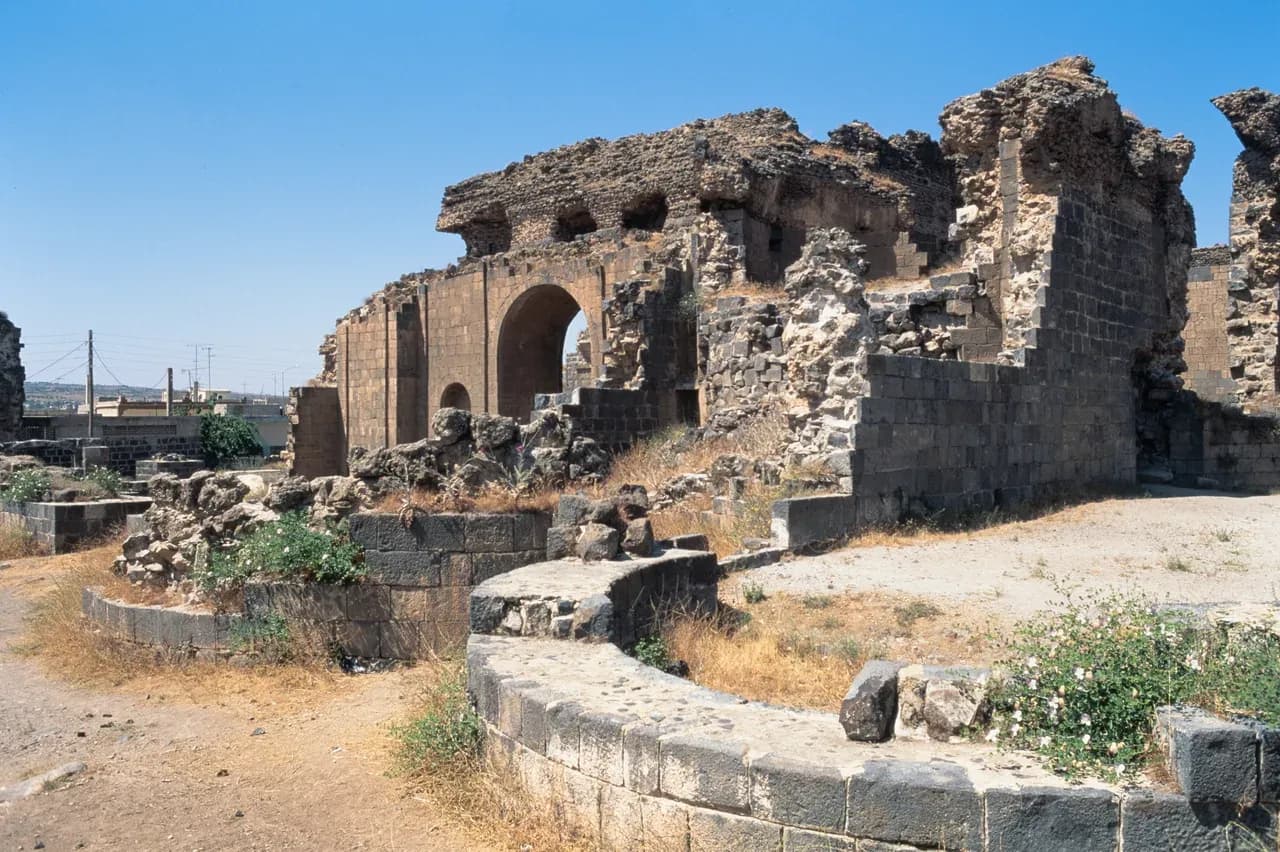
Shahba offers another useful reminder that a recognisable town name is only a first layer of location. Frank Kidner's 1993 archive photograph identifies historic baths in Shahba; it documents that photographed structure at that time, not the present condition of nearby housing. Shadi Alashkar's 2012 view of As-Suwayda city likewise gives a dated view over the city, not a current survey of streets or buildings. Treat images as evidence with a place, photographer and date. If a listing uses one, request new photographs of the actual property from street level, inside each room and from shared areas.
When comparing possible locations, write down a route you would really use: from the entrance to a relative's home, a workplace, a shop or another important destination. Ask how the route is made in practice and verify current travel conditions close to the visit. A broad estimate of driving time can hide the details that matter to a household, such as where a vehicle can stop or whether a steep walk is manageable. Do not infer current safety or access from a historic travel photograph or a map alone.

Inspect the building, not the view
A wide view can be persuasive, particularly when the property sits above a street or looks across open ground. Make the viewing return to the rooms. Open windows and doors, look for staining around roof edges and wet areas, test taps and electrical points with permission, and ask which systems belong to the unit and which are shared. Note what you actually observed, what a seller told you and what still requires an independent specialist. The property viewing checklist provides a way to keep these observations consistent across visits.
For an apartment, photograph common spaces as carefully as the living room. The stair, entrance, roof and any shared equipment may affect use and future repair decisions. The guide to inspecting shared areas helps turn a quick walk through the building into a record of questions. For a detached or older house, ask a qualified person to examine cracks, drainage, roof details and alterations; a photograph or an informal assurance cannot establish structural condition.
Water and electricity deserve their own conversation at the exact address. Ask where water is stored, how the unit is supplied, which parts are shared and what was working on the day of the visit. Check the answers again during a second viewing if the purchase remains under consideration. The water and electricity questions are framed for a property-specific check; a regional aid document cannot answer them for you.
Follow the paperwork from the exact address
Ask for the documents that describe the property being offered before discussing a deposit. Compare the address, area, floor, boundaries and any storage or outdoor space against what you saw. Do not assume a room, terrace, extension or adjacent plot forms part of the same transferable interest because it appeared in a tour. Keep copies of the documents you received and note their dates, issuing bodies and any differences in spelling or numbering.
The next step is a review with an independent Syrian property lawyer who can examine the relevant records and explain what evidence is still needed for this particular transaction. Our ownership review guide sets out questions to prepare for that meeting. It does not replace legal advice or establish that a specific property can be transferred.
Leave with a short, usable research file
After a visit, reduce your notes to four columns: confirmed by direct observation, stated by another person, supported by a document, and unresolved. Attach dated photographs to the relevant observations. Record who can answer each open question and whether the answer needs a specialist inspection, an official record or another visit. This makes it easier to compare homes without turning a pleasant afternoon in one town into a conclusion about the whole governorate.
If you are still deciding where to concentrate your search, read the neighbouring Daraa Governorate research guide as a separate regional exercise. Its places and evidence should not be copied across to As-Suwayda. The useful habit is the same: move from a regional name to a dated, verifiable record of one address and one building.
Continue your research
Daraa Governorate: Planning Your Location Research
Research a Daraa Governorate property by moving from regional labels to a verified address, dated local evidence and independent building and document checks.
Read more
Bosra: A Guide to Its Historic Urban Landscape
Explore Bosra beyond its Roman theatre: understand its layered historic landscape, UNESCO status, archive photographs and property-specific research limits.
Read moreSources & review
Last reviewed:
PUT YOUR RESEARCH TO WORK
Start with a place.
Explore Syria’s cities and narrow your property search.