Investment Handbook
Planning a Property Viewing Trip in Syria
Plan a Syria property viewing from a safe, evidence-led starting point: check current travel advice, use remote research and define what each appointment must answer.
In this article


Planning to view property in Syria begins with a decision about whether an in-person visit is appropriate at all. A listing may look promising, but it does not outweigh current travel advice, your own circumstances or the need for reliable information before spending money. At the time this article was reviewed, the UK Foreign, Commonwealth & Development Office advised against all travel to Syria, and the US Department of State said US citizens should not travel there for any reason. Check the advice issued for your nationality and circumstances immediately before making plans; conditions and entry rules can change. This guide helps organise property research, including work that can be done without travelling. It is not a recommendation to visit.
Decide what must be learned in person
Separate your questions into three groups. Documents and ownership questions belong with an independent Syrian property lawyer. Physical condition questions may need a suitably qualified professional. Everyday-use questions, such as whether a room accommodates your furniture or how you reach the entrance, may eventually justify a viewing. A journey is a poor substitute for either legal or technical review. Write down the specific evidence you expect each visit to produce before treating travel as a necessary step.
Start with a property brief that states your intended use, essential features and spending limit. Narrow the list to properties that appear to meet those conditions. Ask for an exact location, current photographs, a floor plan if one exists, a clear description of what is being offered and the contact details of the person arranging access. Mark missing information as missing rather than making a favourable assumption. If the basic identification is uncertain, the next step is clarification, not a journey.
Use remote evidence before arranging appointments
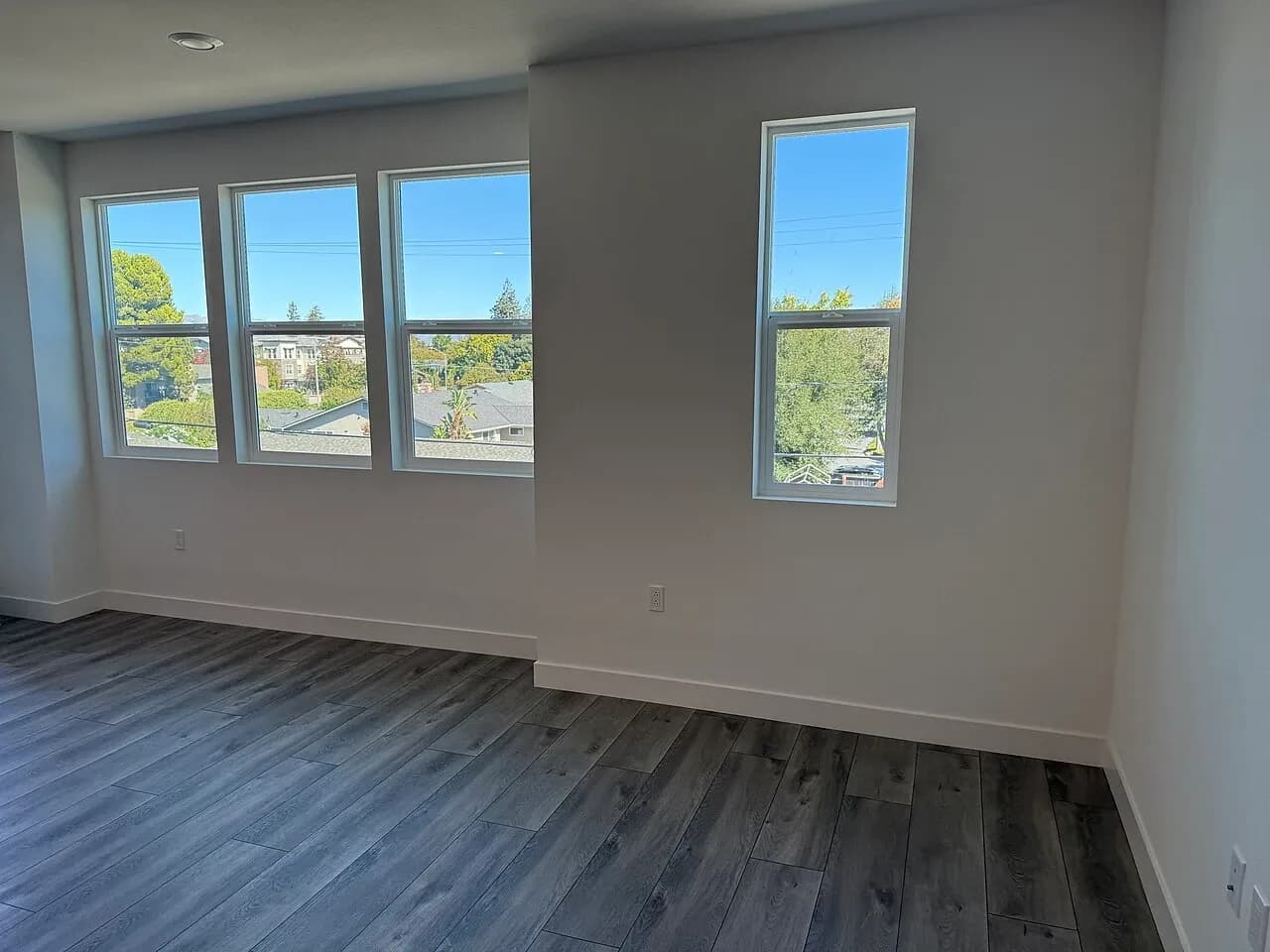
A live video walkthrough can answer some layout questions, provided the person filming can show the entrance, shared areas and every relevant room in a consistent order. Ask them to state the date, show views out of windows and pause at features you want to inspect. Keep a record of who made the video and which areas were not accessible. A recording supplied by a seller or intermediary is useful as an introduction, but it is neither an independent survey nor proof of a property's legal status.
Request a separate record for each candidate. Save the listing reference, address as provided, quoted price and currency, date of the quotation, floor area and how that area was measured. Store promotional photographs apart from images taken during a live call so you can see which source supports each detail. Our shortlist guide offers a simple way to compare the resulting files. Do not circulate copies of identity documents or other sensitive records more widely than the review requires.
Treat travel advice as a live decision gate
Official travel advice applies differently according to nationality, residence and personal circumstances. Read the full current advisory from the authority relevant to you, including its security, entry, health and consular sections. The UK and US advisories cited below are examples of current government warnings, not a substitute for your own government's advice. Check insurance terms directly with the provider and obtain independent advice on entry or exit requirements where needed. A person presenting a property cannot resolve those questions for you.
If a government advises against travel, do not let a seller's preferred appointment date determine your safety decision. Remote research, an authorised representative or postponement may be more appropriate. A representative should have a precisely defined task and report what they personally observed, what others said and what remains unknown. Ask your lawyer to review any proposed authority or agreement before you sign it; this article does not establish what form of representation is valid in Syria.

Make any viewing schedule answer a question
If an in-person visit is appropriate after those checks, arrange each property viewing around a small written agenda. Confirm the address, contact person, meeting arrangement, areas available to inspect and whether photographs or measurements are permitted. Leave enough time to record observations while they are fresh. A tightly packed sequence can make two similar apartments blur together and leaves little room to follow up on a concern. Treat any proposed schedule as provisional until the people granting access confirm it.
Bring the same viewing checklist to each appointment. Note the approach to the building, shared circulation, room arrangement, visible condition and unanswered questions. Take photographs only with permission and avoid recording other occupants or personal belongings unnecessarily. Do not operate unfamiliar electrical or mechanical equipment, enter an area that appears unsafe or make a technical diagnosis to complete the list.
Keep advisers' tasks separate
Tell a building professional which visible concerns need assessment and which spaces may not be accessible. RICS explains in its UK consumer guidance that a home survey provides an expert account of condition based on a physical inspection. That distinction between casual viewing and expert assessment is useful here, although RICS products and UK procedures do not define Syrian requirements. Likewise, give a lawyer the property identification, documents received and questions about the seller's authority instead of asking a viewing host for a legal conclusion.
Agree in advance how each adviser will report limitations. A report that says an area could not be inspected is more useful than silence that might be mistaken for approval. If access to a roof, store or shared service space matters to your decision, ask who can arrange it. Do not infer ownership of a space from the fact that someone can open its door.
Turn each visit into a dated decision record
After every viewing, write a short summary before moving to the next property: what you observed, what was explained to you and what still needs evidence. Attach the date, people present and property reference. Compare the observations with the original brief, and mark each essential requirement as met, unmet or unresolved. If one question might change the decision, name the document, specialist or focused second visit that could answer it.
Keep the records even if you decide against a property. They make the next comparison more disciplined and help prevent a memorable feature from replacing the full picture. Our guide to documenting a second viewing explains how to carry an unanswered question forward without overwriting the first visit's evidence. The best outcome of careful planning may be a decision to wait for clearer information.
Sources and scope
The UK FCDO Syria travel advice and US Department of State Syria travel advisory were reviewed on 30 September 2026 for their current warnings. Review them again before any travel decision. The RICS house-survey consumer guide supports only the distinction between a viewing and professional condition assessment. This article provides a research workflow, not travel clearance, Syrian legal advice or a claim that a listed property is available.
Continue your research

Reconciling Conflicting Property Advertisements Before Making an Offer
Compare conflicting property advertisements in Syria: establish the exact asset, preserve original sources and clarify price, scope and current proposal differences.
Read more
Keeping Negotiated Property Offer Changes in One Record
Track changes to a property offer in Syria: keep prices, inclusions, proposed dates and unanswered questions linked to the version your advisers review.
Read moreSources & review
Last reviewed:
PUT YOUR RESEARCH TO WORK
Start with a place.
Explore Syria’s cities and narrow your property search.