Investment Handbook
Building a Vacancy Allowance Into a Property Budget
Build a vacancy allowance for a possible rental property in Syria using an occupancy calendar, explicit scenarios and a separate cash reserve.
In this article
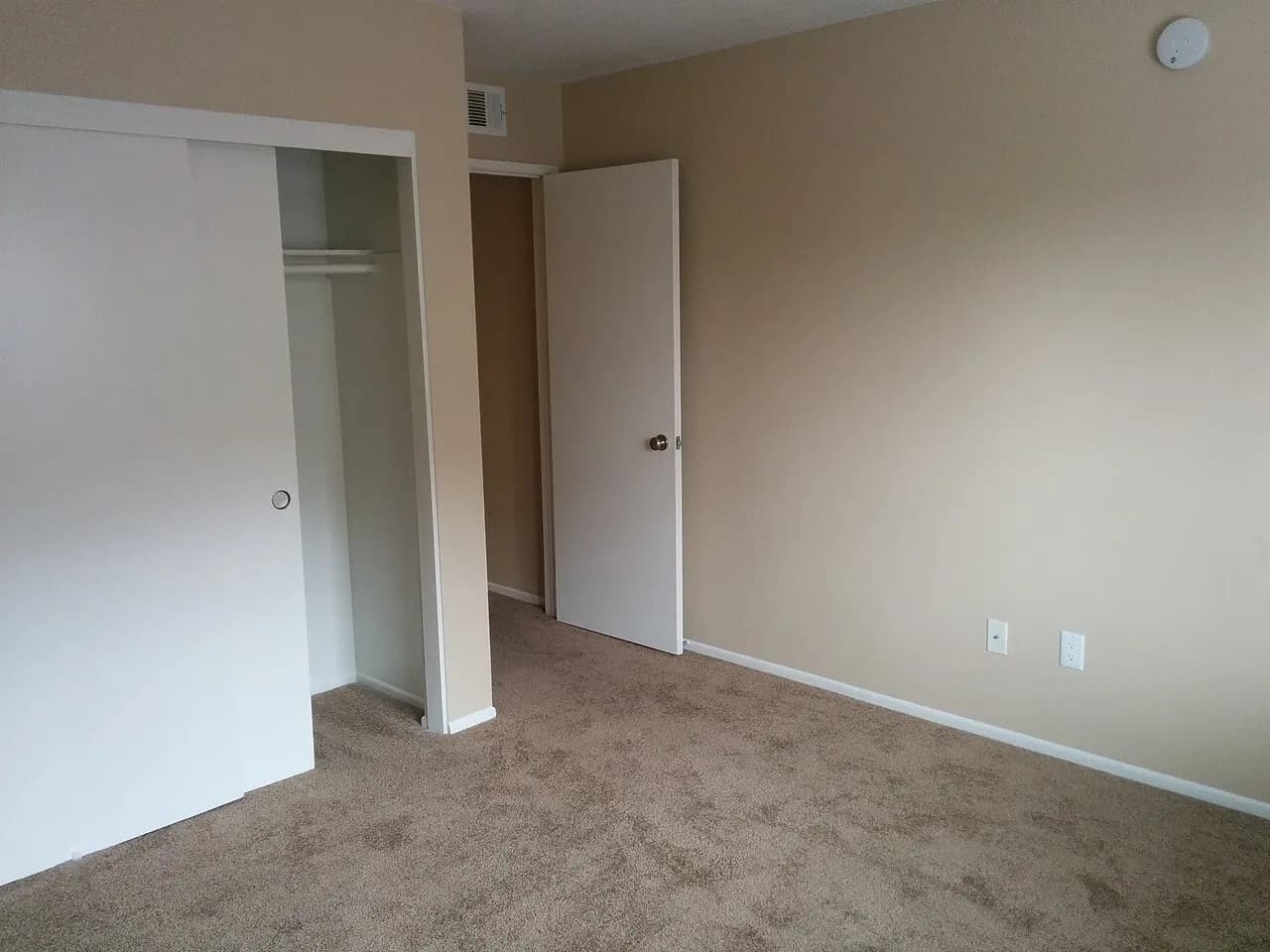

A rental plan built on twelve paid months is fragile if the property may spend time empty, unavailable for repair or waiting for an agreed move-in date. A vacancy allowance is a planning line that makes this uncertainty visible. It is not a standard percentage for Syria, a prediction that a tenant will leave, or a legal conclusion about possession. The right question is whether the buyer could carry the property through a period with no rent while still meeting essential obligations.
Separate the dates a listing tends to blur
Start an occupancy calendar with three dates: when the buyer expects to complete the purchase, when the property could actually be used or offered, and when a paying occupant might begin. Those dates may differ. A seller may describe an apartment as “ready to rent,” but a buyer still needs to check condition, access, any current occupancy and the legal terms that would govern use. Ask an independent Syrian property lawyer about rights and agreements for the exact address. Use local inspection and professional advice for the physical readiness of the home.
Record who supplied each date. An owner's estimate, a contractor's written completion schedule and a signed occupancy agreement carry different weight. If the date depends on unfinished repairs, label it conditional. Do not turn the most optimistic date into the budget default simply because it produces a better-looking return.
The investment comparison guide shows how to keep intended use, evidence and unresolved questions together. A vacancy line belongs beside that evidence, not in an isolated spreadsheet tab that nobody revisits.
Calculate an example without claiming a market norm
Imagine a purely fictional property that might earn 600 invented units per paid month. Twelve paid months would produce 7,200 units before expenses. If the buyer models two unpaid months, the illustrated annual rent becomes 10 × 600 = 6,000 units. The 1,200-unit difference is the rent not received in that scenario. It is not a bill and should not be subtracted twice. This example is arithmetic only; it says nothing about a Syrian rent level, typical vacancy or the likelihood of finding an occupant.
Put the scenario in a small table with twelve months. Label each month “paid,” “empty,” “repair,” “occupancy unconfirmed” or “other,” according to the evidence or explicit assumption. If payment is uncertain, distinguish rent due under an agreement from money actually received. A budget pays real bills with collected funds, not with a contractual amount that has not arrived.
RICS's UK buy-to-let valuation standard discusses the difference between gross and net approaches and the need to factor in relevant costs and rental periods. It is a UK professional standard, not a Syrian vacancy statistic. The lesson is methodological: document the period and costs behind the number. Our worked yield example demonstrates how missing rent changes a simple calculation once both pages are published.

Keep costs visible while rent is absent
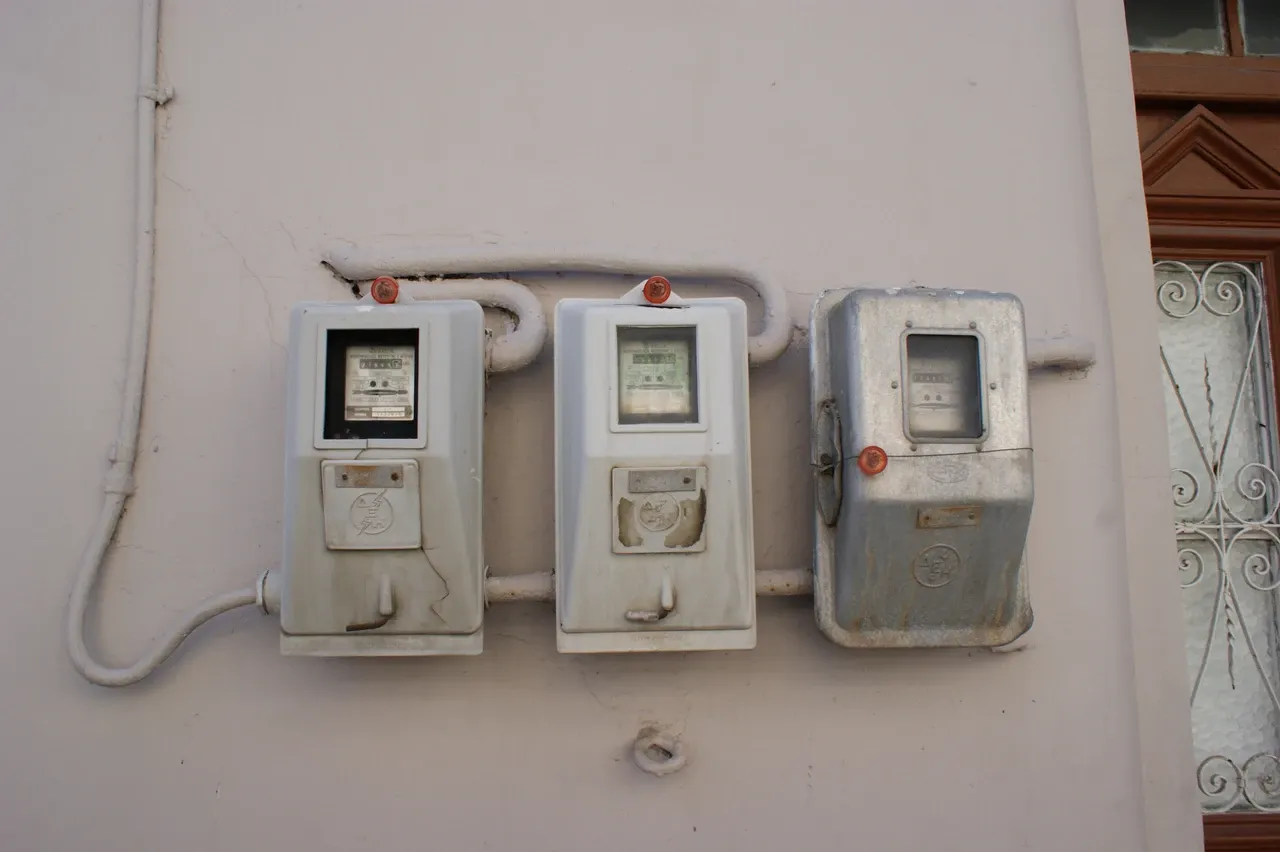
An empty unit does not automatically stop all expenses. Ask who would be responsible for security, essential maintenance, shared-building charges, utilities, management, inspections or repairs in the actual circumstances. Do not assume a foreign landlord duty applies in Syria. The US Internal Revenue Service's residential rental publication notes, within US tax rules, that certain costs can continue while a rental property is vacant. Its tax treatment is not relevant to a Syrian buyer; the budget point is simply to list any real holding costs that continue during an unpaid period and verify them locally.
For each cost, keep a quote, agreement or named question. A monthly building payment might continue even when no one occupies the apartment. A one-time repair may delay occupancy rather than recur every month. A manager may charge for finding an occupant, ongoing collection, both or neither. Ask for the scope and date of a local proposal before entering a number. The full purchase budget helps separate one-time preparation from continuing ownership costs.
If a buyer is relying on borrowed money, keep financing commitments on the cash-flow sheet even if the rental illustration is shown without financing. Yield and cash available at the next payment date are different measures. A delayed first occupant may be manageable on paper over a year yet create a short-term funding gap. The cash-flow guide can help test that timing.
Use more than one occupancy story
Build at least two versions of the calendar. One may reflect a supported expectation based on a reviewed agreement or credible local evidence. Another should ask what happens if readiness or occupancy takes longer. Do not select the number of empty months from an online “rule of thumb” and present it as local research. If no rental evidence is reliable yet, leave the income line conditional and calculate how long the buyer can hold the property without it.
Write a decision threshold in plain language: “If the unit is not available by this date, we need to revisit the offer and cash reserve,” or “We cannot proceed until the current occupancy position is reviewed.” The threshold should reflect the buyer's actual funds and obligations. Avoid an invented universal vacancy percentage or a promise that a given reserve will be enough for every home.
Finally, update the calendar as facts change. Save the earlier version, the new evidence and the person who confirmed it. If a repair finishes late or a proposed occupant does not proceed, move the date and recalculate the cash requirement. The purpose of a vacancy allowance is to give an uncertain period a visible place in the decision before money is committed. It cannot make the period predictable, but it can prevent missing rent from disappearing from the budget.
Continue your research
Comparing One Property with Several Smaller Investments
Compare one property with several smaller investments in Syria through exact candidates, committed capital, shared dependencies, workload and exit questions.
Read more
Separating a Commercial Property Purchase from a Business Sale
Clarify a commercial property purchase in Syria: separate the premises from equipment, stock and trading claims, then prepare connected scopes for adviser review.
Read moreSources & review
Last reviewed:
PUT YOUR RESEARCH TO WORK
Start with a place.
Explore Syria’s cities and narrow your property search.