Investment Handbook
Questions About Heating and Cooling Equipment Before Buying
Review heating and cooling equipment before buying in Syria: identify included items, service records, observed operation and questions for independent assessment.
In this article
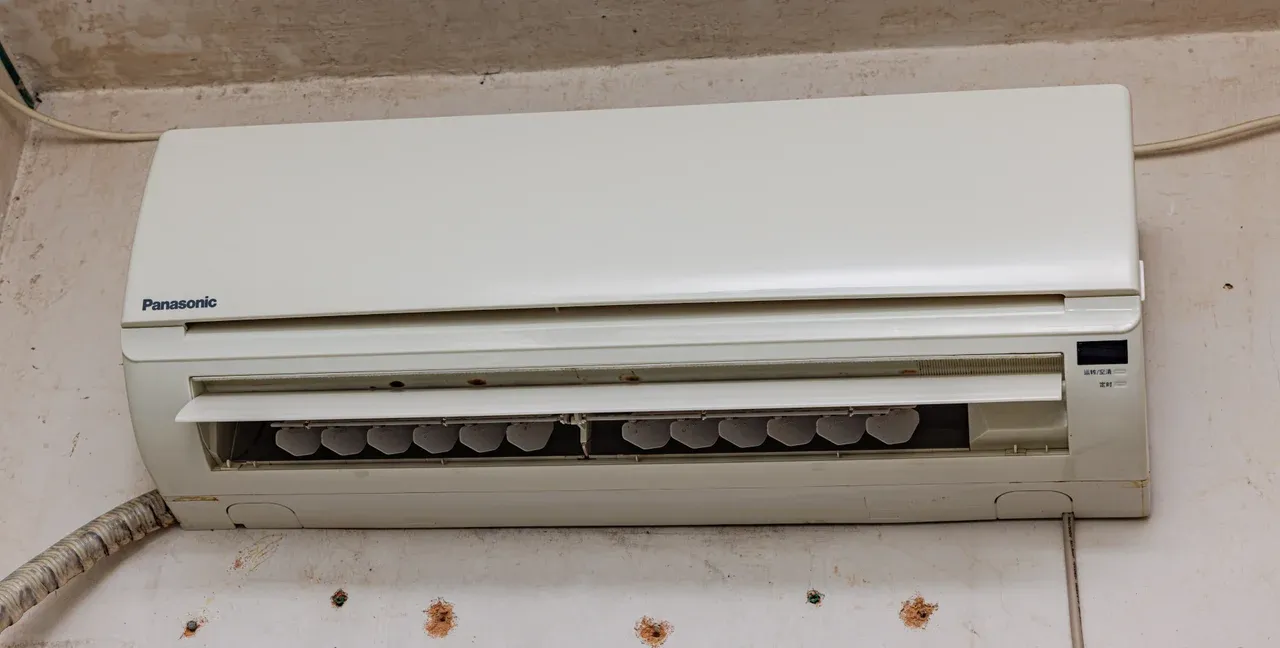

A property advertisement may describe air conditioning or heating as a single feature. For a buyer, that wording leaves several separate questions unanswered: which equipment is present, which spaces it serves, what belongs to the purchase and what evidence supports the seller’s account of its operation. A comfortable viewing does not answer all four. Neither does a photograph of a unit on a wall.
Before buying a home in Syria, prepare an equipment enquiry that someone can answer against the exact property. Its purpose is to identify gaps for appropriate independent assessment, not to design a system or pronounce an installation safe. Keep the questions connected to the proposed purchase while leaving technical conclusions to a suitably qualified person whose role and scope you have checked.
Identify each item before discussing the whole system
Start with a room-by-room equipment list. Give each visible item a simple reference, such as bedroom wall unit A or sitting-room radiator B, rather than treating every device with similar styling as the same model. With permission, record readable manufacturer and model information without opening covers, reaching hazardous positions or interfering with wiring and pipes. If a label cannot be seen, mark identification as outstanding.
Ask what the seller says each item does. A wall-mounted appliance should not automatically be described as both heating and cooling equipment. Record the stated function, the rooms it is intended to serve and any associated outdoor unit, controller or central plant identified by the seller. Distinguish that account from connections independently confirmed by an assessor. A remote control near an appliance is not, by itself, proof that the two belong together.
This creates a useful question: does the offer concern an identified set of installed items or only a general statement that the home has cooling? Carry the references into your fixtures and contents record. Ask separately about excluded appliances, controllers and any equipment whose ownership or removal is unresolved. Do not infer purchase rights from its presence during a viewing.
Separate installation history from equipment age
A seller may remember when a unit was fitted but not when it was manufactured, replaced or last examined. Those dates answer different questions. Ask for the original wording of each account and any supporting document rather than turning an approximate recollection into an exact installation date.
For a supplied invoice or service sheet, match the named property and equipment reference where possible. What task does it describe? Was it installation, inspection, cleaning, a part replacement or a response to a reported fault? Does the record identify an outcome, a restriction or a recommendation that remained open? An invoice for one appliance does not establish the history of every unit in the home. A payment entry alone does not establish the scope or result of work.
Keep unexplained changes visible. If a document names a different model from the visible label, ask whether a replacement occurred and what connects the record to the current item. Retain both versions until the difference is explained. Do not decide that equipment is unreliable solely because paperwork is missing, or that it is satisfactory solely because paperwork exists.

Ask for the appropriate documents and assessment scope
Model identification helps distinguish an applicable user document from a generic brochure. For example, the manufacturer documentation page for an archived Daikin model separates operation manuals, user reference guides and installer documents. That public listing illustrates different document purposes; it does not establish which manual applies to a Syrian property, and no linked manual has been reviewed here.
Ask which instructions accompany the actual items, whether an assessor needs additional information and what work falls outside ordinary user operation. The US Department of Energy’s public HVAC maintenance training overview distinguishes resident and contractor roles. It is background for defining responsibilities, not a maintenance schedule, foreign standard or instruction to carry out technical work yourself.
An assessment request should state the decision you need help with: identifying installed equipment, understanding a reported defect, clarifying an unexplained record or evaluating a concern within an agreed scope. Ask what access, documents and specialist input would be needed, and what the resulting report would exclude. Use your property inspection brief to keep those questions attached to the exact asset. Do not treat a general property inspection as automatically including every appliance, central system or technical test.
Describe demonstrations without certifying performance
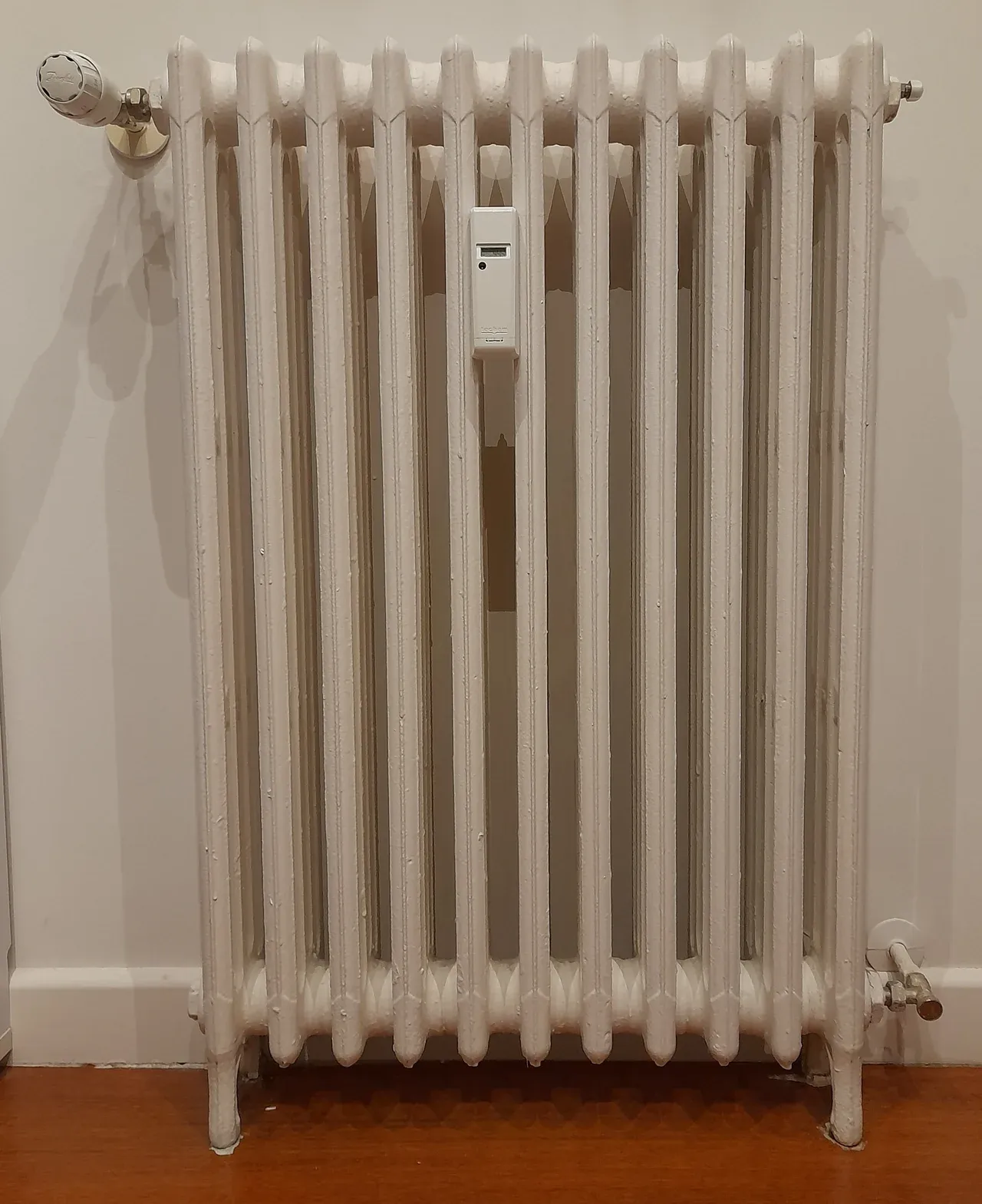
If an authorised person demonstrates ordinary operation, record what was actually shown, by whom and under what circumstances. A display illuminated, air was felt at an outlet or a radiator felt warm at that moment are observations with limited scope. They do not establish seasonal performance, efficiency, electrical safety, remaining life or coverage of every occupied room.
A labelled fictional example shows why precision matters. A buyer views a flat with two wall units. The seller demonstrates the sitting-room unit but cannot find the bedroom controller. The record should distinguish the demonstrated appliance from the one whose operation remains unobserved. Writing “both units tested” would erase the unanswered question. Writing “bedroom unit broken” would invent a diagnosis.
Ask the assessor which conclusions require further examination and whether current access conditions permit it. Do not switch unfamiliar equipment repeatedly, alter settings beyond authorised ordinary operation or recreate a suspected fault. If access to associated plant is unavailable, carry that limitation forward. An undemonstrated system should remain an unresolved purchase question rather than becoming an implied assurance.
Connect equipment questions to the proposed handover
Some equipment may depend on shared plant, a separate energy source or access outside the apartment. Ask the seller to identify those dependencies and who is said to control or maintain them. Preserve the attribution until the relevant arrangement is established. The presence of a radiator or controller does not prove an entitlement to use a shared system, a billing method or reliable supply.
Finish with a short list of questions that affect your decision. For each item, identify the missing evidence, the person expected to answer and whether the issue concerns inclusion, operation, responsibility or independent assessment. Keep a promised future repair separate from a description of the equipment’s present state. If the seller proposes a change before handover, record the exact item and proposed work for adviser review without assuming any legal remedy or warranty.
The useful outcome is a bounded equipment record: identified items, attributed history, observed demonstrations, relevant documents and unresolved dependencies. It supports a better purchase discussion without pretending to be an engineering report. Where a critical question remains unanswered, make that uncertainty explicit before relying on heating or cooling claims in the decision to buy.
Continue your research

Reading Building Meeting Minutes Before Buying an Apartment
Read building meeting minutes before buying an apartment in Syria, tracing proposals, recorded decisions, missing attachments and unanswered purchase questions.
Read more
Checking Household Waste Arrangements Before Buying an Apartment
Check an apartment’s household waste route, storage, collection point and stated responsibilities before buying, with clear questions for missing arrangements.
Read moreSources & review
Last reviewed:
PUT YOUR RESEARCH TO WORK
Start with a place.
Explore Syria’s cities and narrow your property search.