Blog
How to Keep a Useful Property Price Comparison Sheet
Build a property comparison sheet with dated sources, original currencies, defined measurements and clear labels for facts, estimates and unknowns.
In this article
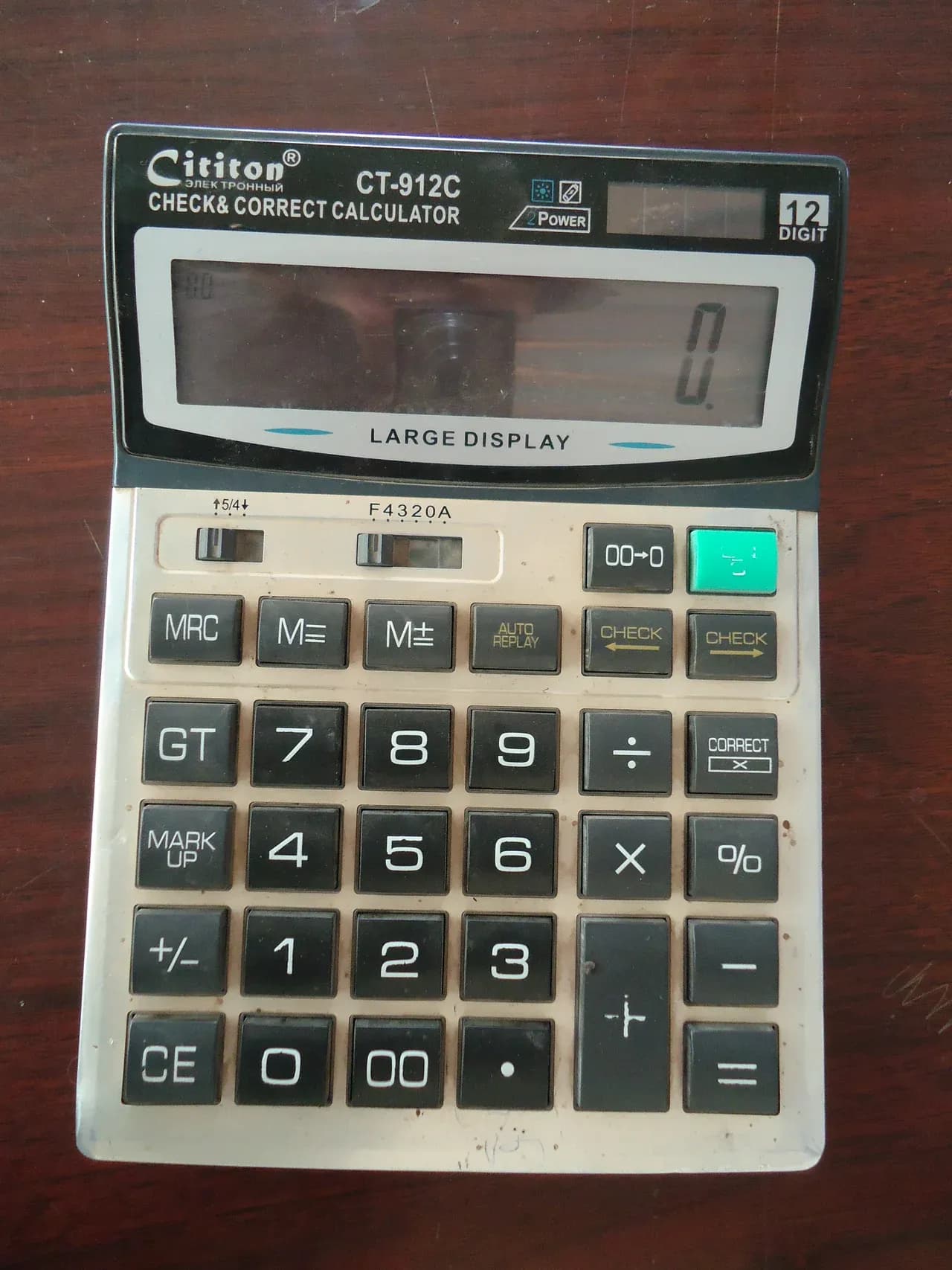

A property comparison sheet should make a decision clearer, not simply create more numbers. When every row records different information, a spreadsheet can give a false impression of precision. A good sheet preserves the original evidence, uses consistent definitions and makes missing information obvious. It should help you decide what to investigate next when comparing homes in Syria, rather than produce an unsupported valuation.
You can begin with a plain document or a basic spreadsheet. The important part is the structure. Use one row for each identifiable property, keep a reference to the original listing and record when the information was checked. If a field is unknown, say so. A blank cell or an invented estimate can be mistaken for something quite different when the document is reviewed later.
Identify each property unambiguously
Give every property a reference you can recognise. Store the listing link, the advertised reference and the contact source together. Add the city and the most precise location available, but distinguish a broad area description from a confirmed address. Two similar photographs or a repeated building name are not enough to establish that advertisements refer to different properties.
If you suspect duplicate listings, mark them for review. Do not count the same property twice simply because it appears on two platforms. Where there are genuine differences between the advertisements, preserve both versions and note the date of each. Your goal is to reconcile the information, not to choose whichever version happens to make the comparison look simpler.
Keep asking prices in their original form
Record the advertised amount, original currency and date checked in separate fields. Add a field identifying the type of figure: asking price, revised quotation, reported offer or documented completed transaction. The distinctions prevent a mixed collection of numbers from being presented as a uniform set of market evidence.
If you use a common currency for comparison, store the converted amount in an additional column. Keep the rate, rate source and conversion date visible. The original quotation must remain available so you can understand later changes. A converted figure does not determine the currency or terms that would apply to a transaction, and it should not be described as an agreed payment amount.
Define area before calculating a unit price
An area column needs a definition. Ask whether the quoted figure describes internal space, a total including external areas, a land parcel or something else. Record the answer next to the number. If the measurement basis has not been confirmed, mark the figure as stated by the listing rather than independently measured.
Only calculate a price per unit of area when the inputs have a useful basis for comparison. Suppose one listing includes a terrace and another reports internal rooms only. Dividing both asking prices by those figures creates two results, but it does not make them comparable. Keep the calculation separate from the conclusion and explain any unresolved difference in how the areas were described.
Add condition and practical features
Include a short condition field supported by a viewing record, recent photographs or a professional report where available. Avoid labels such as excellent or poor without an explanation. A note describing what was observed and what remains to be inspected is more useful than an impression that cannot be traced to evidence.
Add features that matter to your own brief: floor, lift, access, outdoor space, parking, storage and layout. Keep them factual. “Balcony shown; dimensions unconfirmed” is a stronger research note than “great outdoor space.” Use a separate field for items included in the proposed sale so that furniture or equipment is not silently treated as part of every asking price.


Keep costs outside the purchase price
Create separate columns or a linked sheet for costs that require investigation. These may include professional reviews, confirmed transaction charges, repairs, furnishing or ongoing management. Do not insert a standard fee just because you have seen one quoted for another transaction. Record the source and the circumstances of each estimate.
Where a cost is not known, use a clear status such as awaiting quotation. If you run a hypothetical budget, label the assumptions and keep that scenario separate from confirmed figures. This approach prevents an illustrative number from becoming an apparently verified cost when the sheet is shared with someone else.
Use notes to explain differences
A comparison sheet is not improved by removing inconvenient detail. If one property has limited access for inspection, another has an unclear measurement and a third is no longer confirmed available, those limitations should remain visible. A short evidence-status column can prevent an attractive price from dominating the discussion before the basic facts are established.
For each open question, name the next action and the person who will follow it up. Examples include requesting an updated floor plan, arranging a technical inspection or asking a lawyer to review an access question. The sheet then becomes a working record rather than a static collection of advertisements.
Review the sample before drawing conclusions
Ask how the properties entered your sheet. Were they selected because they matched a defined city, property type and budget, or because their photographs caught your attention? A small, selective collection cannot support broad claims about an entire market. Describe the sample honestly and avoid turning a personal shortlist into a published price index.
This also affects averages. An average of asking prices is still an average of asking prices, not a record of completed sales. RICS valuation terminology treats market value as a defined estimate tied to a date and stated assumptions. Your spreadsheet can support a conversation with an adviser, but it should not be presented as a professional valuation simply because it contains calculations.
Share a version people can understand
Before sending the sheet to a family member or representative, add a short key explaining the columns and status labels. Include the date of the version and make clear which facts have changed since the previous update. If the sheet contains private contact details or documents, share only what the recipient needs for the task.
Use the Syria property search to keep location and property-type criteria consistent. The Investment Handbook provides the preparation framework around a shortlist. When asking a question through the contact page, include the relevant property reference and the specific missing information. A comparison sheet succeeds when it helps turn uncertainty into a practical next step.
Reference
The distinction between informal comparisons and a defined valuation is informed by the RICS service description for a home survey with valuation. This article does not supply Syrian market prices, a valuation or a prediction of returns.
Continue your research

Why Asking Prices Are Not the Same as Completed Sale Prices
Understand why advertised asking prices differ from completed sale evidence, and how to keep that distinction clear when comparing property in Syria.
Read more
Why the Date of a Property Listing Matters
Track listing, photograph and confirmation dates in a Syrian property search to distinguish saved advertisements from recently checked terms.
Read moreSources & review
Last reviewed:
PUT YOUR RESEARCH TO WORK
Start with a place.
Explore Syria’s cities and narrow your property search.