Blog
Checking Garden Watering Arrangements Before Buying a Home
Check garden watering before buying a home: identify water points, system coverage, controls, manual tasks, absence arrangements and equipment included.
In this article
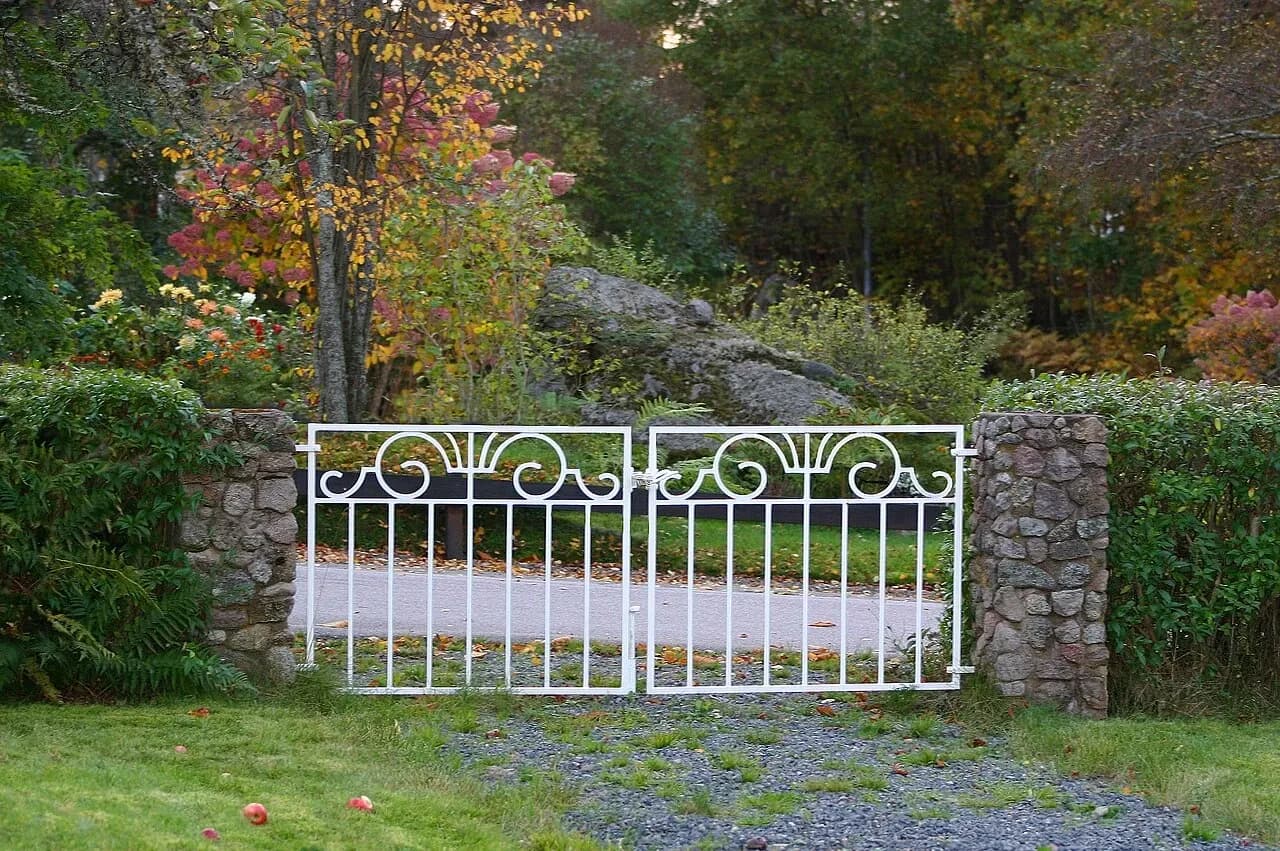

A garden can look well cared for during a property viewing without revealing how it receives water or who keeps the arrangement working. Before buying a home in Syria, ask for an explanation that connects the planted areas, water points, equipment and ordinary household tasks. The useful question is whether the arrangement you are buying can be understood and continued, including the parts that still depend on a person. A green photograph or the phrase "automatic irrigation" cannot answer that question on its own.
Start with the garden as it stands. A later plan to replace planting or install different equipment needs its own assessment. Your viewing record should establish what currently serves each area, what the seller can demonstrate, what remains unconfirmed and which items will stay after the sale. This guide concerns that purchase comparison; it does not prescribe watering amounts, assess water quality or certify an installation.
Connect each planted area to its watering arrangement
Ask the seller to describe the beds, lawn, trees and containers separately. Two areas beside one another may be watered differently: a fixed line might serve the bed while pots are watered by hand. Identify the ordinary water point used for each task and how equipment reaches the planting. Notice whether carrying a filled container or moving a hose involves a gate, steps or a route through the home. These are practical questions about the supplied arrangement, rather than proof that a route is suitable for everyone.
The RHS overview of garden watering methods distinguishes hand watering, hoses and installed systems. Use those distinctions to clarify the seller's description, without importing its plant-care advice or UK water rules into your purchase. Ask whether the described point uses the home's ordinary supply or a separately identified arrangement. Availability, permitted use and any shared responsibilities require confirmation for the exact property; the presence of an outdoor tap establishes none of those by itself.
Mark areas that have no explained supply path. If the garden is shared or extends beyond the space offered for sale, resolve that scope first using the property documents and appropriate local advice. Our guide to comparing balconies, terraces and courtyards addresses the separate questions of outdoor inclusion, access and usable shape. Keep the watering comparison attached to the area that is actually being considered.
Ask what the installed system actually covers
If fixed equipment is present, ask which beds or other areas each section serves. A controller on a wall does not establish that the far corner receives water, that every line is connected or that the current planting matches the original layout. Have the person familiar with the system point out its explained coverage from accessible positions. Keep hidden pipes, unobserved sections and inaccessible controls marked as unknown instead of extending a demonstration to the entire garden.
The EPA's Sprinkler Spruce-Up page, updated in March 2026, discusses examining different irrigation zones and their coverage. That is useful context for asking what a demonstration includes, rather than a technical inspection method for a buyer. Ask for a permitted demonstration by someone responsible for the equipment; do not open service boxes, change settings or operate unfamiliar components yourself. A brief run can show what was observed at that moment, but cannot establish seasonal performance, concealed condition or dependable future supply.
Record which section was demonstrated and which remained unobserved. If the seller says watering normally happens while the household is asleep or away, request an explanation of that routine and any available dated maintenance record. Treat a photograph of wet soil as limited evidence: it does not identify the source of the water, the amount applied or coverage elsewhere. Material questions about condition or performance belong in a suitably qualified assessment before you rely on the system.


Understand the controls and the tasks still done by hand
Ask who currently starts watering, adjusts a schedule and notices when something has not worked. Distinguish a manually opened tap, a timer and a controller with additional functions. If a sensor or remote application is mentioned, identify the actual component and the instructions supplied for it. The RHS describes such options in general terms; that does not establish which functions this particular installation has or whether they operate correctly.
Ask what the displayed programme means for each area and whether it reflects current planting and occupancy. A saved schedule may have been set for a previous arrangement. Record the seller's explanation without deciding that a particular duration or interval is appropriate. Plant needs, soil, weather, supply and equipment require property-specific advice. A buyer's checklist should not turn a number on a display into an approved watering recommendation.
In a hypothetical comparison, Home A has a timer serving two beds, while six containers still need hand watering. Home B is described as fully automatic, but the seller cannot identify whether its line reaches the containers or explain the programme. A household frequently away from home has a clearer starting description for A, although its manual tasks still need a workable plan. B's missing explanation remains a question to resolve; its label alone does not establish a lower workload.
Clarify the arrangement when nobody is home
Discuss what currently happens during an absence. Who checks the garden, notices an interrupted programme or responds to a reported leak? Ask whether that person is the seller, a household member or someone under a separate arrangement. Their past involvement does not establish that they will continue for a purchaser. If continued assistance is important to your decision, confirm its proposed scope and availability directly before treating it as part of ownership.
Separate routine watering from changing or repairing equipment. Someone who currently waters containers may not maintain installed lines or diagnose a fault. Record which tasks are explained and which need a separate enquiry. Our first-year maintenance planning guide explains how broader ownership tasks can be assigned and followed up; this watering record supplies one specific input to that plan.
Confirm what stays and what needs a further answer
Ask which hoses, fittings, timers, controllers and movable containers are included in the proposed sale. Keep permanent equipment distinct from portable items the seller plans to remove. If remote control is used, ask what handover information is proposed without assuming that an account, subscription or access arrangement transfers automatically. Get unresolved inclusion questions addressed in the actual transaction documents with appropriate local advice.
Finish with a short description for each planted area: its explained supply point, watering method, demonstrated coverage, current control routine, manual task and item inclusion. Add the specific question that would change your decision, such as an unobserved bed or a controller without supplied instructions. This gives the seller or assessor something concrete to answer. It also keeps the purchase comparison focused on a garden arrangement you can understand, with uncertainties visible before they become your household's work.
Continue your research
A Seasonal Home Maintenance Checklist
Build a property-specific seasonal home maintenance checklist for Syria with safe observations, dated records, assigned actions and professional follow-up.
Read more
Keeping a Renovation Budget Under Review
Keep a renovation budget understandable as scope changes by separating quotes, committed costs, payments and unpriced condition questions.
Read moreSources & review
Last reviewed:
PUT YOUR RESEARCH TO WORK
Start with a place.
Explore Syria’s cities and narrow your property search.