Blog
Comparing Cleaning Quotes Before a Property Handover
Compare cleaning quotes before a property handover by checking rooms, cupboard interiors, furniture, preparation, timing and the tasks included in each offer.
In this article
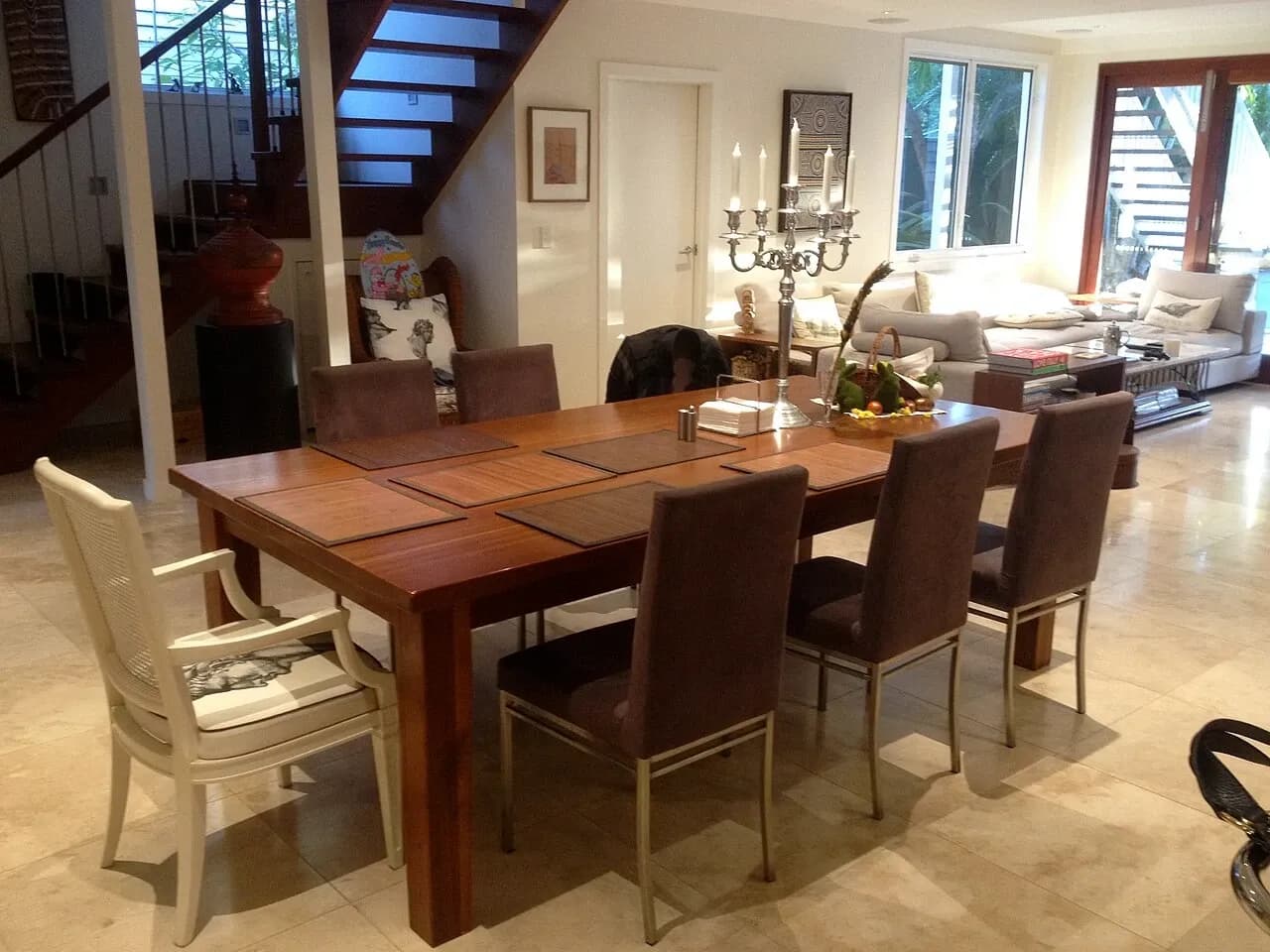

A cleaning quote for a property handover can look straightforward until the parties describe what will actually be cleaned. One proposal may assume empty rooms and cleared cupboards; another may cover exposed surfaces around furniture that remains. The total becomes useful only after those assumptions are visible. For a buyer or seller considering cleaning before a Syrian property handover, the practical question is whether each proposal describes the same rooms, tasks and condition at the time of the visit.
A short written room list is a useful starting point. Attach the same dated description of the property to each enquiry and keep later answers beside the relevant task. This article concerns comparing an ordinary cleaning brief. A quotation does not establish that a person can assess building defects, treat hazardous materials or certify a home as safe. A concern requiring specialist assessment needs its own enquiry and should not disappear inside the phrase “deep clean”.
Translate the service label into rooms and tasks
Begin with the spaces included in the price: entrance, bedrooms, living area, kitchen, bathrooms and any separately agreed balcony or storage room. Then identify the surfaces or items within those spaces. A kitchen entry might distinguish worktops, cupboard fronts, empty cupboard interiors and a named appliance. “Kitchen included” leaves those boundaries uncertain. Window cleaning similarly needs to identify which windows and which sides are proposed; the label alone does not establish access or how the work could be undertaken.
Ask for a written answer against each ambiguous item rather than accepting a longer description of the package name. The NSW Government guidance on getting quotes uses a specific shared brief and identified responsibilities, including site cleaning, when discussing contractor quotations. That is useful communication context here; its Australian building rules and contractual requirements are not being presented as rules for cleaning a Syrian property.
Distinguish omitted work from work that cannot yet be priced. “Not included” may mean you need a separate arrangement. “Subject to viewing” means the eventual scope or total is still open. An unexplained blank should remain a question, even when the quote has an attractive headline price. Ask whether any minimum visit charge, extra room or separately listed task changes that total, and record the supplier's answer without assuming a customary local charging method.
Match the quote to the furniture and contents that remain
Describe the state expected on cleaning day, not only the state in the photographs sent for the enquiry. Will the cupboards be emptied? Will a bed, sofa or dining table remain? Are personal belongings still on shelves? A proposal for accessible floor space around furniture describes a different job from one that includes agreed movement of particular items. The comparison needs to say who clears each area and which items are expected to stay in place.
Consider a hypothetical apartment with kitchen cupboards and a furnished living room. Quote A includes empty cupboard interiors but assumes the seller clears them beforehand. Quote B covers cupboard fronts and the floor around the existing furniture. Both may be described casually as an apartment clean. If the cupboards will remain full, A's preparation assumption is unmet; if the buyer expects their interiors cleaned, B's stated scope is insufficient. Neither total answers that mismatch until the parties revise or confirm the brief.
Record any proposed handling of contents separately from the cleaning itself. Moving possessions, taking unwanted furniture away and disposing of leftover items should not be inferred from a general room description. The person arranging the clean needs an explicit answer about each requested task. Avoid promising unrestricted access to a space that another party still occupies or controls; establish the agreed access arrangements before treating the appointment as settled.


Place the visit within the actual handover sequence
Write the proposed sequence in ordinary terms: belongings removed, agreed cleaning access begins, cleaning ends, and the handover walkthrough occurs. Use the dates or time windows supplied by the people involved, while leaving unconfirmed entries visibly open. If a move is expected to finish shortly before the cleaning appointment, ask what happens if rooms are still occupied. A quote that assumes an empty property may not describe the work possible during an unfinished move.
Separate the cleaning appointment from the transfer of keys and possession. Who provides entry, who can answer a question during the visit, and who closes the property afterwards are coordination points to confirm with the relevant parties. They do not establish anyone's legal authority. The broader property handover checklist covers the room record, keys and unresolved differences that remain important when cleaning is only one part of the handover.
Ask how later activity could affect the proposed result. Furniture delivery, final packing or remaining works after the visit may leave surfaces needing attention again. Rather than assuming a second visit is included, identify whether it is excluded, separately quoted or still undecided. This helps explain a scheduling difference between two offers without claiming that one sequence always works for every property.
Separate the requested result from an unverified promise
A brief should identify what the supplier proposes to do, while keeping existing marks, wear and damage visible as separate observations. Ask how a specifically noted mark is treated in the quotation: included as an attempt, excluded, or awaiting inspection. Do not convert “we will look at it” into a promise that it will disappear. Nor should a cleaning proposal be used as evidence that a defect has been repaired or a material is in good condition.
The US Federal Trade Commission's home-improvement guidance recommends written estimates that describe the work and clarify differences between offers. That supports asking precise scope questions; it does not establish Syrian consumer rights or cleaning-provider requirements. For the broader comparison of scope, exclusions and changes, use the existing guide to comparing two contractor quotes.
Arrange a completion review against the agreed list
Before choosing a proposal, ask how the person arranging the work can review completion with the supplier. A room-by-room comparison with the agreed task list is more informative than a general statement that the property looks ready. Note a task reported complete, an area left inaccessible and a question awaiting a response separately. If photographs are proposed as part of that record, agree their purpose and permission with the relevant parties rather than assuming unrestricted photography.
Keep the final quote version and any agreed revisions together. If furniture remains unexpectedly or an additional room is requested, obtain a clear account of the resulting scope, timing and price before treating the change as included. The useful comparison is between proposals for an understood job at an understood stage of the handover. A remaining uncertainty can then be named and resolved, instead of being hidden behind a package label or total.
Continue your research

Comparing Property Marketing Proposals Before Selling
Compare property marketing proposals by checking listing preparation, advertising placements, enquiry handling, viewing attendance and the work left to you.
Read more
Comparing Moving Quotes Before a Property Handover
Compare moving quotes by the belongings, collection and delivery tasks, packing, timing and exclusions before arranging your property handover and move.
Read moreSources & review
Last reviewed:
PUT YOUR RESEARCH TO WORK
Start with a place.
Explore Syria’s cities and narrow your property search.