Blog
Comparing Homes for a Regular Work-from-Home Routine
Compare homes for working from home in Syria: test daily room use, workstation space, call privacy, service dependencies and realistic household compromises.
In this article
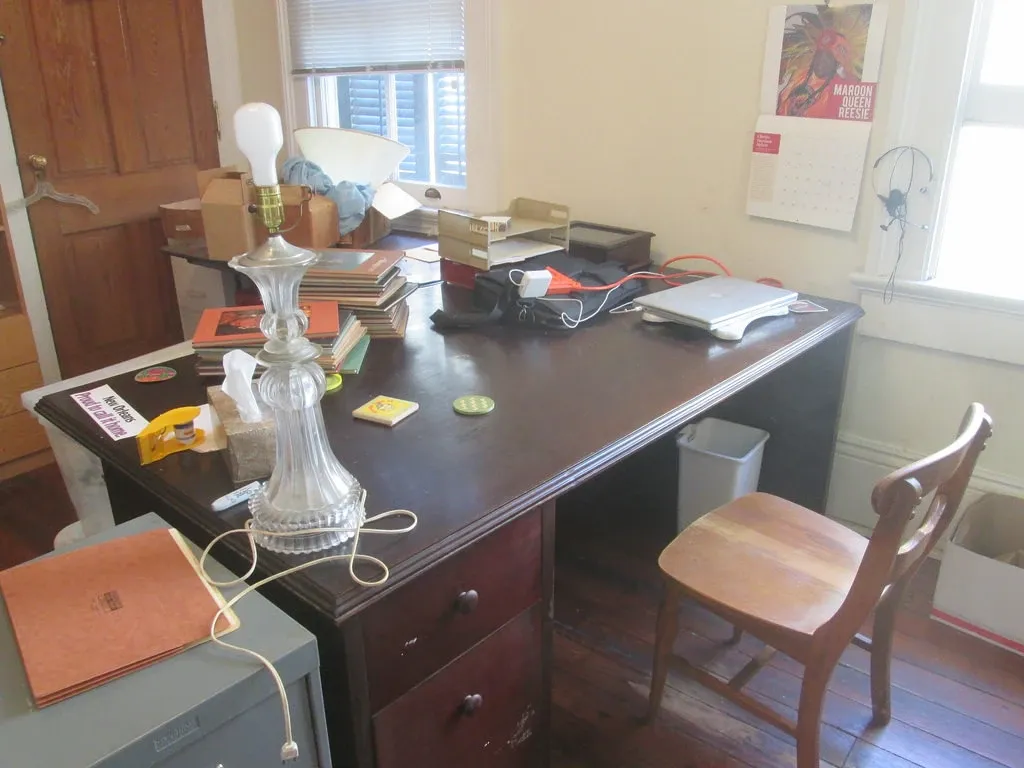

A home advertised with a study may still leave someone working at the dining table during their busiest hours. Before buying, compare the property against the working day you actually need to accommodate: where focused tasks happen, who else uses that space, what must remain set up, and what happens when a call overlaps with household activity. The useful outcome is a workable daily arrangement with identified dependencies, not a room count with an extra label.
For a home search in Syria, prepare this comparison before paying particular attention to an attractive desk photograph. You are assessing how the household would use the candidate property. You are not certifying a workstation, promising uninterrupted services or establishing permission to run a business from the address. Those questions require their own enquiries where relevant. A proposed workspace should earn its place in the purchase brief through specific tasks and evidence.
Describe the work blocks that compete for space
List the parts of an ordinary working day that have different space requirements. Quiet reading, a scheduled call, handling paper documents and work involving several screens may not fit the same arrangement. Note which tasks have fixed times and which can move. Someone who occasionally answers messages has a different housing question from two adults making simultaneous calls for much of the day.
Put household activities beside those work blocks. The dining table may be needed for lunch while a meeting is still running; the proposed study may also hold clothes that another person needs before leaving. Identify these collisions explicitly. Ask who would have to change their routine, how often, and whether they consider that acceptable. A layout should not appear suitable only because one person's ordinary use of the home has disappeared from the comparison.
Decide which equipment can be packed away and which needs a continuing position. Include the time and storage needed to change a room back to its domestic use. Our flexible-room comparison guide considers alternative room arrangements. Here, test the repeated changeover: who clears the surface, where equipment goes and whether the next user can actually use the room when needed.
Check the occupied workstation, not the empty corner
Prepare the dimensions of the furniture and equipment you intend to bring, including the chair in use, rather than relying on the staged desk's appearance. Identify a possible position on the property's plan and mark the openings, cupboards and passage beside it. Obtain the missing measurements through an agreed viewing or suitable assessment. Do not count an unmeasured recess as a confirmed workspace.
Imagine the room while the chair is pulled back and someone else is passing through. Can the household reach its normal destinations without stepping over stored equipment or asking the worker to move each time? Check where paperwork and accessories would sit during a task, then where they would go afterwards. A laptop alone on a clear tabletop can conceal the practical space needed for the intended work.
The UK HSE's guidance on home computer work explains that existing household furniture may or may not suit an individual worker, and relates equipment choices to assessment. That is a reason to identify the person's actual requirements. It is not a Syrian legal standard or an ergonomic approval of the pictured furniture. Where a worker needs specific equipment or an employer assessment, establish those requirements before assuming the proposed room accommodates them.

Examine the position during the intended work period
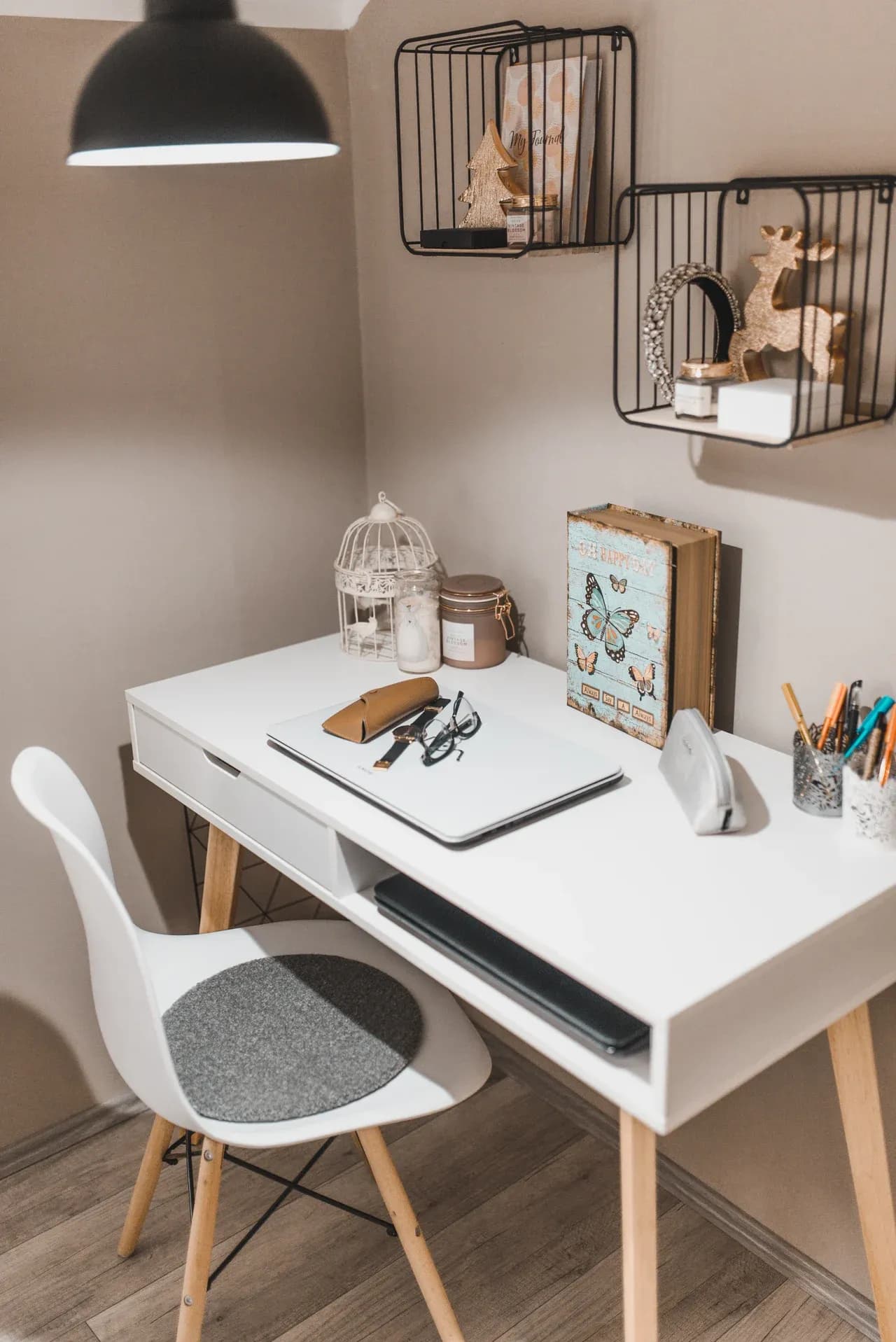
A room can look inviting in a wide photograph while the proposed screen faces a bright opening or the worker sits directly beside a busy household route. Ask to observe the actual position under relevant conditions where access permits. Record the date, time, window and blind positions, and any important conditions that were not observed. A visit at a different hour leaves a question to resolve.
OSHA's workstation-environment guidance identifies screen reflections from windows and lighting as matters to consider when arranging a workstation. Use that limited background to ask about the proposed desk orientation and available light control. This article adopts no foreign lighting levels, temperature targets, medical conclusions or instructions to alter electrical fittings. A photograph cannot establish the comfort or safety of an occupied workstation.
For calls, consider the whole room relationship. What lies behind the camera, who normally passes through, and which nearby activities would continue? Agree a permissioned observation that does not expose private conversations or work material. A closed door provides a physical boundary but does not establish acoustic privacy. If confidential work requires more than the available evidence supports, discuss the requirement with the relevant employer or adviser and leave it unresolved in the property comparison.
Keep service and permission dependencies explicit
Make the intended desk location part of the connectivity enquiry. Our guide to checking internet at the exact home address distinguishes the incoming service, in-home connection and arrangements available to a new resident. Refer to that evidence rather than adding an unsupported tick beside internet because a seller's video call worked once.
Identify which equipment needs power and what is known about the proposed supply arrangement. The presence of nearby sockets does not establish capacity, condition or a safe cable route. Have material installation questions assessed by an appropriate professional. Do not build a purchase comparison around an assumed extension lead, backup system or new cable path whose suitability and permissions have not been established.
Keep ordinary remote desk work separate from plans involving customer visits, employees, deliveries, stock or specialist equipment. If those activities form part of the brief, seek independent advice about the actual property and proposed use. Neither a room called an office nor a neighbour's activity establishes permission for your plans. Record the unresolved use question before treating anticipated business income or saved premises costs as a benefit of the home.
Compare the compromises and the fallback
Consider a hypothetical choice between two apartments. Apartment A has a separate room that could keep work equipment set up, but its connection arrangements are unconfirmed. Apartment B has a demonstrated connection in the living room, but the household needs that room during scheduled calls. The first needs a service answer; the second needs an acceptable shared-use arrangement. Neither becomes suitable simply by scoring higher on the number of advertised features.
For each candidate, describe the proposed normal working day and one foreseeable disruption, such as a guest staying or the usual connection being unavailable. A fallback should be something the household could actually use, subject to its own checks. Do not assume that a nearby workspace is open, affordable or available, or that another room can absorb a second desk without consequences.
Finish with the requirements met, the compromises accepted by the people affected and the evidence still needed. Include any furniture, storage or professionally assessed changes in the purchase planning. If an essential work block still has no workable place, say so before allowing a persuasive study photograph to settle the choice. A useful home-work comparison explains how paid work and domestic life would share the property on an ordinary day.
Continue your research

Comparing Property Marketing Proposals Before Selling
Compare property marketing proposals by checking listing preparation, advertising placements, enquiry handling, viewing attendance and the work left to you.
Read more
Comparing Cleaning Quotes Before a Property Handover
Compare cleaning quotes before a property handover by checking rooms, cupboard interiors, furniture, preparation, timing and the tasks included in each offer.
Read moreSources & review
Last reviewed:
PUT YOUR RESEARCH TO WORK
Start with a place.
Explore Syria’s cities and narrow your property search.